• 178 W. Garfield Avenue Coldwater · MI · 49036

Lag Screws Explained: Sizes, Uses & Installation

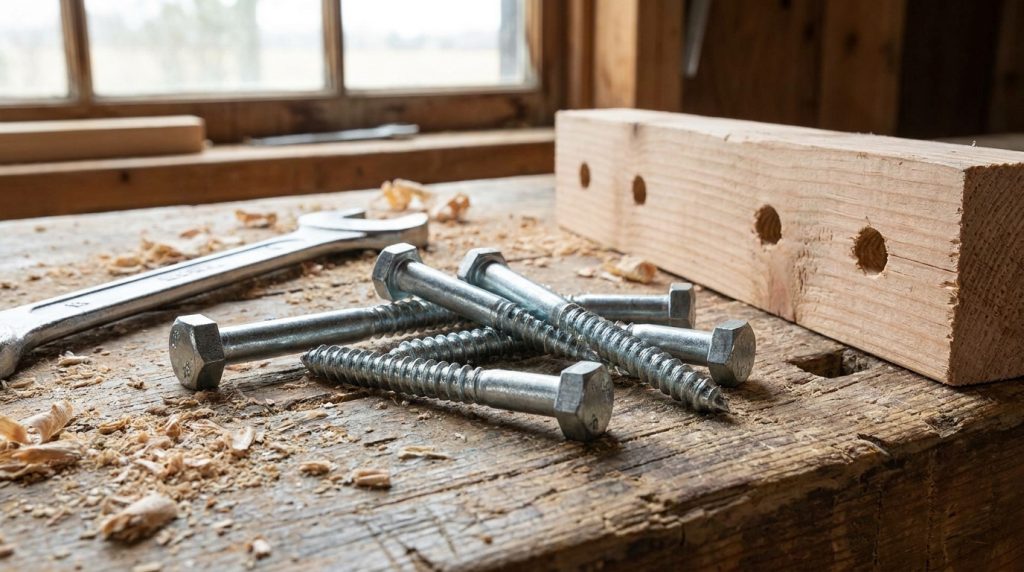
When a fastening job calls for serious holding power, lag screws are often the hardware of choice. Contractors use them to secure deck ledgers, framers rely on them for heavy wood connections, maintenance teams keep them on hand for equipment …
Read More
Concrete Anchors: Types, Uses & Installation

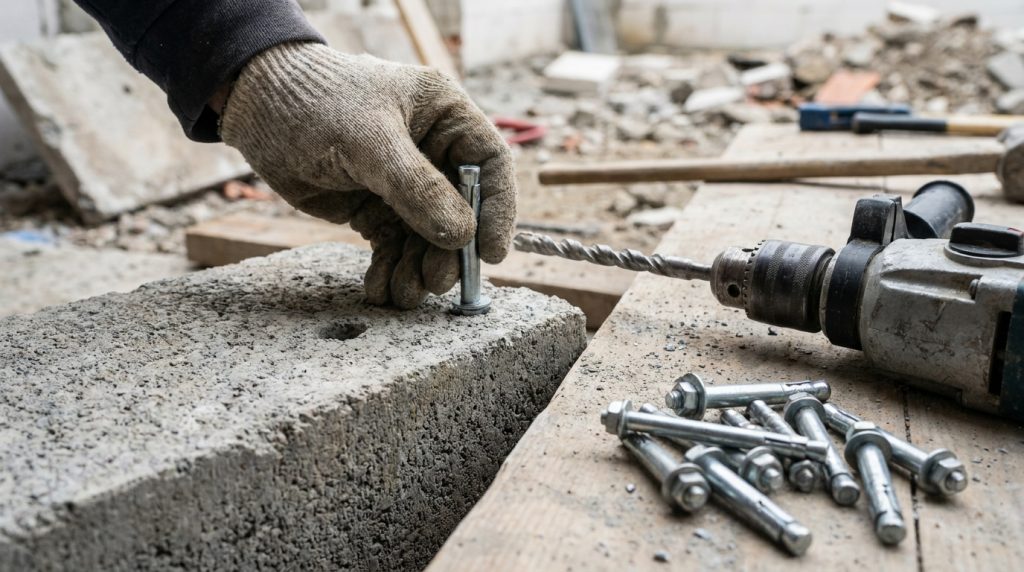
Concrete anchors are mechanical or adhesive fastening systems used to attach structural and non-structural components to concrete, block, brick, or masonry. For contractors, maintenance professionals, manufacturers, mechanics, and industrial buyers, choosing the right concrete anchor is not a small detail—it …
Read More

Machine Screws Explained: Types, Sizes & Uses

Machine screws are precision-threaded fasteners designed to join metal parts, plastic components, electrical assemblies, machinery, equipment panels, and many other engineered materials. Unlike wood screws or sheet metal screws, machine screws are typically used with a pre-tapped hole or a …
Read More

Anchor Bolts Explained: Types and Uses

Anchor bolts are small components with a big job: they connect equipment, steel, wood, concrete, masonry, and structural assemblies to a base material so loads can be transferred safely. For contractors, maintenance professionals, manufacturers, mechanics, and industrial buyers, choosing the …
Read More

Wood Screws: Types, Sizes & Best Applications

Wood screws are small components with a big impact on job quality, structural performance, serviceability, and long-term durability. Whether you are building cabinets, installing deck boards, assembling furniture, hanging millwork, repairing equipment crates, or specifying fasteners for production, choosing the …
Read More

Threaded Rod Guide: Sizes, Grades & Applications

Threaded rod is one of the most versatile fastening products used in construction, maintenance, manufacturing, repair, and industrial assembly. Also called all-thread, threaded bar, studding, or fully threaded rod, it provides continuous external threads along the full length of the …
Read More

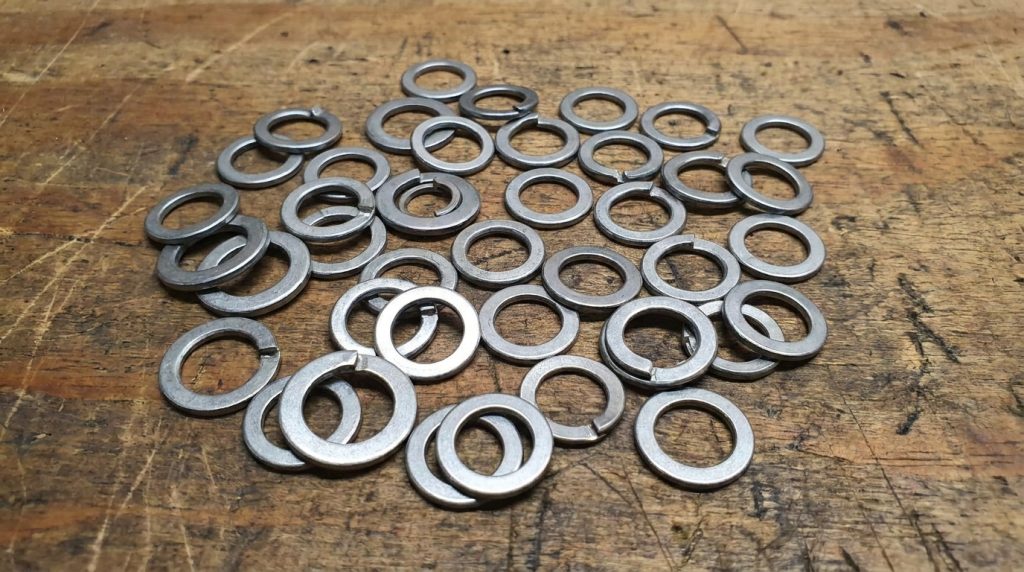
Lock Washers Explained: Types and Applications

Fasteners rarely fail because a bolt “just came loose” for no reason. In the field, loosening is usually tied to vibration, joint settlement, thermal cycling, poor installation, mismatched materials, or the wrong locking method for the application. That is why …
Read More

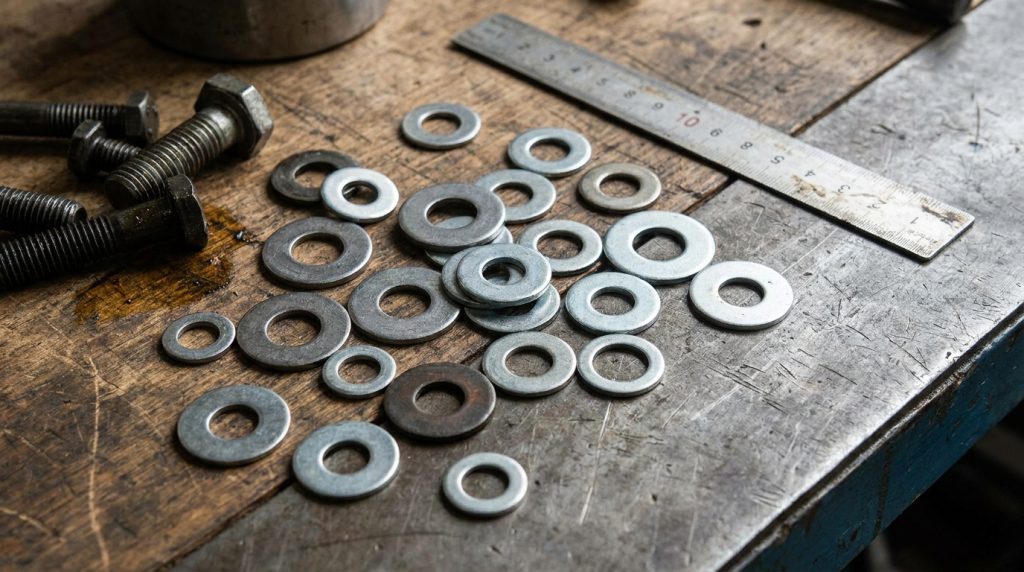
Flat Washers Explained: Types and Uses

Flat washers are among the most common—and most misunderstood—fastener components used in construction, maintenance, machinery, manufacturing, and industrial repair. At first glance, a flat washer looks simple: a thin, round disc with a hole in the center. In practice, the …
Read More

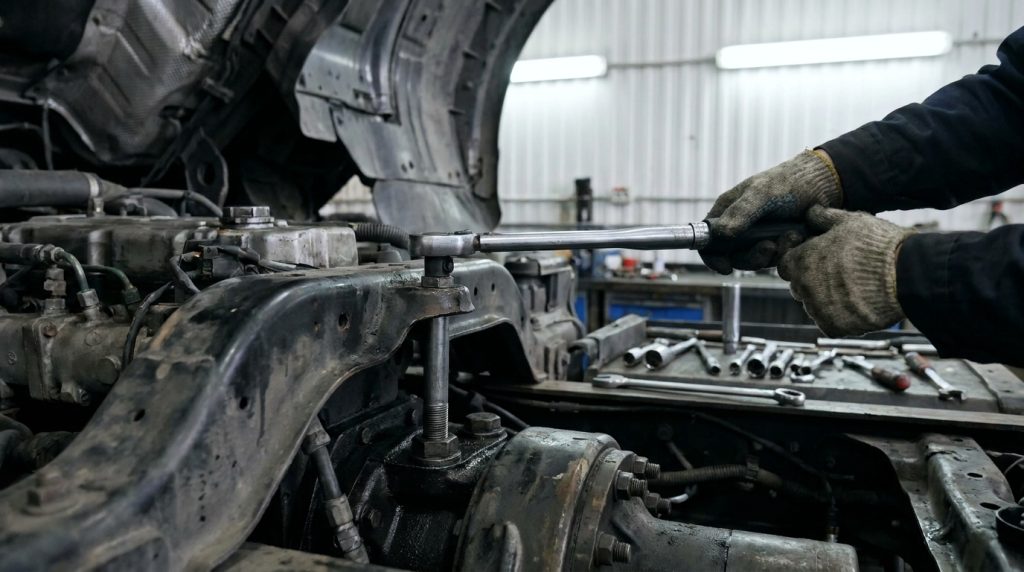
Bolt Torque Specifications: A Complete Guide

Correct bolt torque is the difference between a joint that holds safely for years and one that loosens, leaks, cracks, or fails under load. For contractors, maintenance teams, mechanics, manufacturers, and industrial buyers, understanding bolt torque specifications is essential for …
Read More

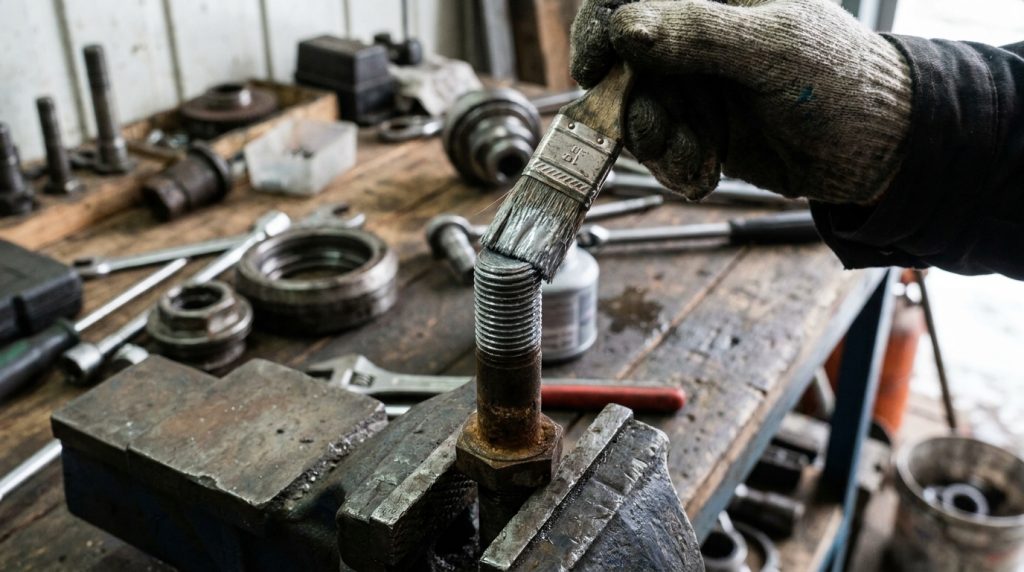
Anti-Seize Compound: When and How to Use It

In industrial maintenance, mechanical assembly, equipment repair, and construction, a simple threaded fastener can become a costly problem. Heat, corrosion, moisture, vibration, chemical exposure, and dissimilar metals can cause bolts, nuts, studs, pipe plugs, fittings, and threaded components to seize, …
Read More