• 178 W. Garfield Avenue Coldwater · MI · 49036

Bolt Torque Specifications: A Complete Guide

Correct bolt torque is the difference between a joint that holds safely for years and one that loosens, leaks, cracks, or fails under load. For contractors, maintenance teams, mechanics, manufacturers, and industrial buyers, understanding bolt torque specifications is essential for …
Read More
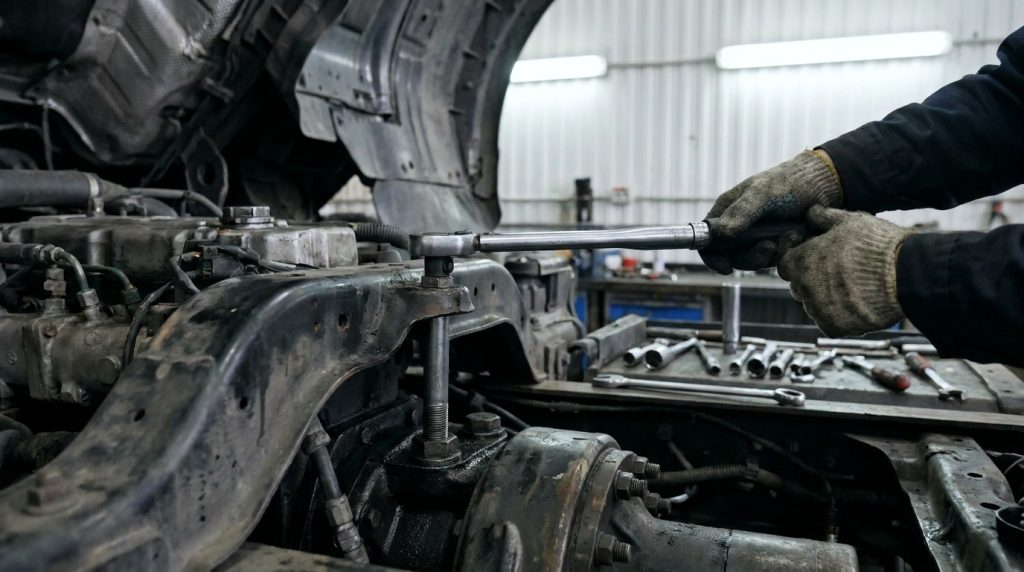
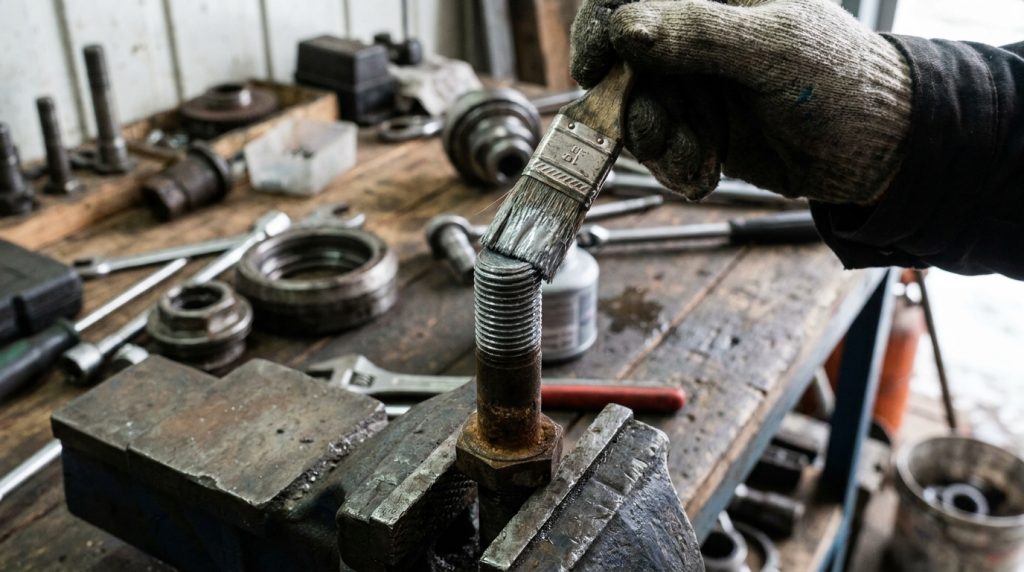
Anti-Seize Compound: When and How to Use It

In industrial maintenance, mechanical assembly, equipment repair, and construction, a simple threaded fastener can become a costly problem. Heat, corrosion, moisture, vibration, chemical exposure, and dissimilar metals can cause bolts, nuts, studs, pipe plugs, fittings, and threaded components to seize, …
Read More

Fastener Corrosion: Causes, Prevention & Repair

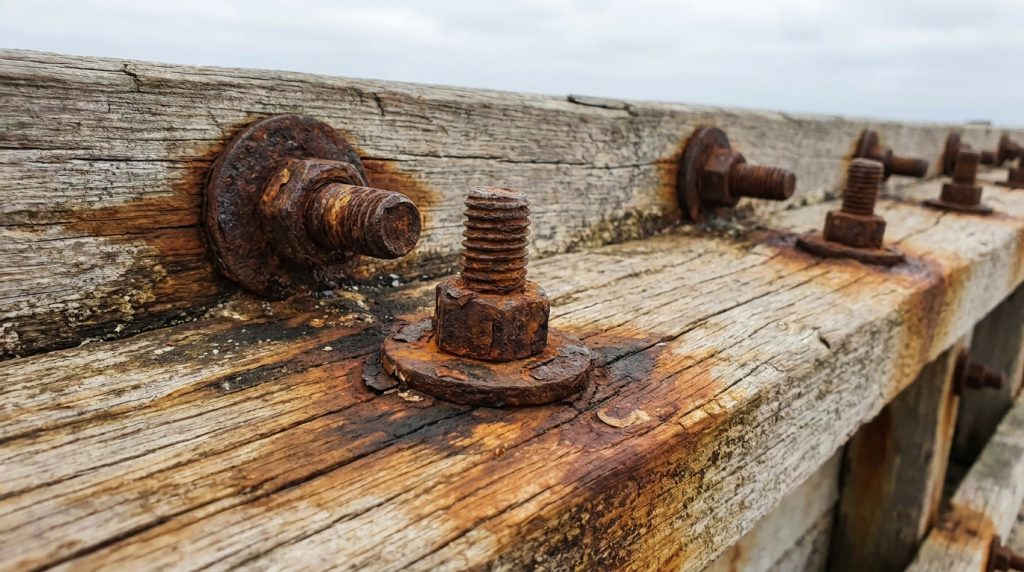
Fastener corrosion is one of the most common—and costly—failure modes in construction, manufacturing, transportation, marine, energy, and facility maintenance environments. A corroded bolt, screw, nut, washer, anchor, rivet, or threaded rod can compromise clamp load, reduce structural integrity, seize during …
Read More

Threadlocker Guide: Types, Strengths & Uses

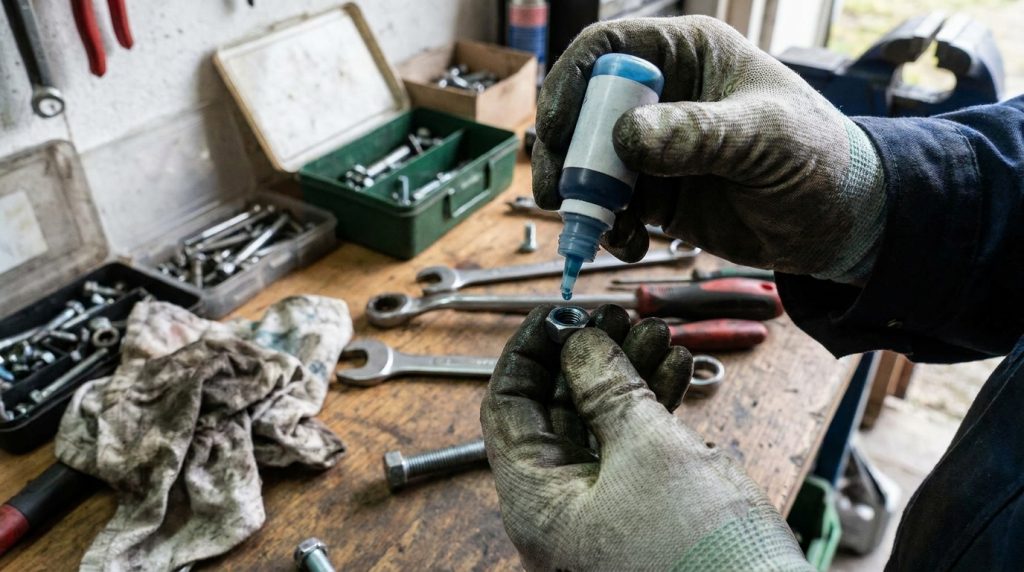
Threaded fasteners are everywhere in construction equipment, HVAC systems, pumps, motors, vehicles, conveyors, agricultural machinery, and manufacturing lines. When bolts, nuts, studs, and screws loosen, the result can be downtime, leaks, misalignment, vibration damage, safety hazards, and expensive rework. That …
Read More

Zinc-Plated Fasteners: Pros, Cons & Applications

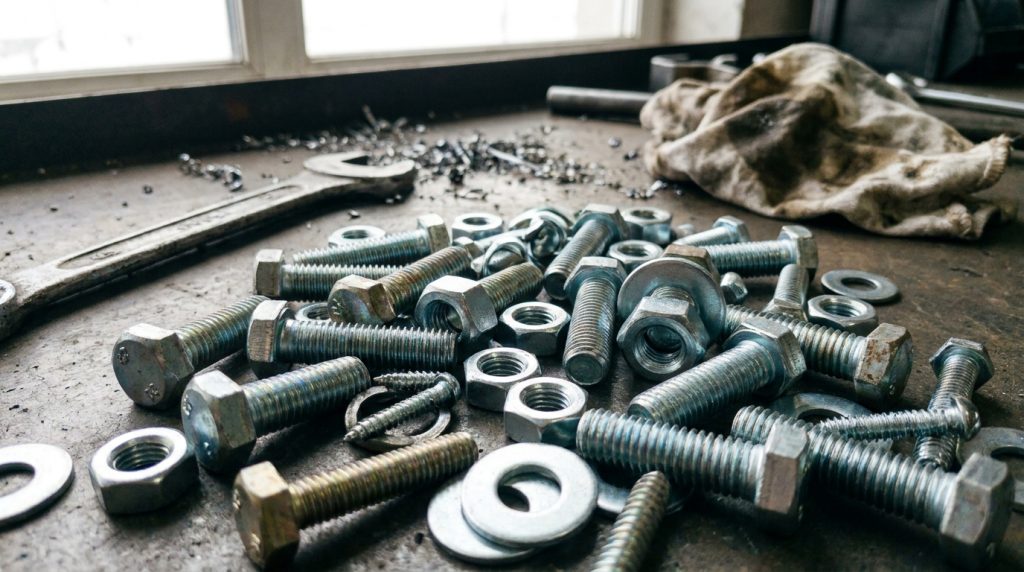
Zinc-plated fasteners are among the most common hardware choices in construction, maintenance, manufacturing, automotive repair, equipment assembly, and general industrial purchasing. They offer a practical balance of corrosion resistance, cost control, availability, and appearance, making them a go-to option for …
Read More

Stainless Steel Fasteners: Benefits and Uses

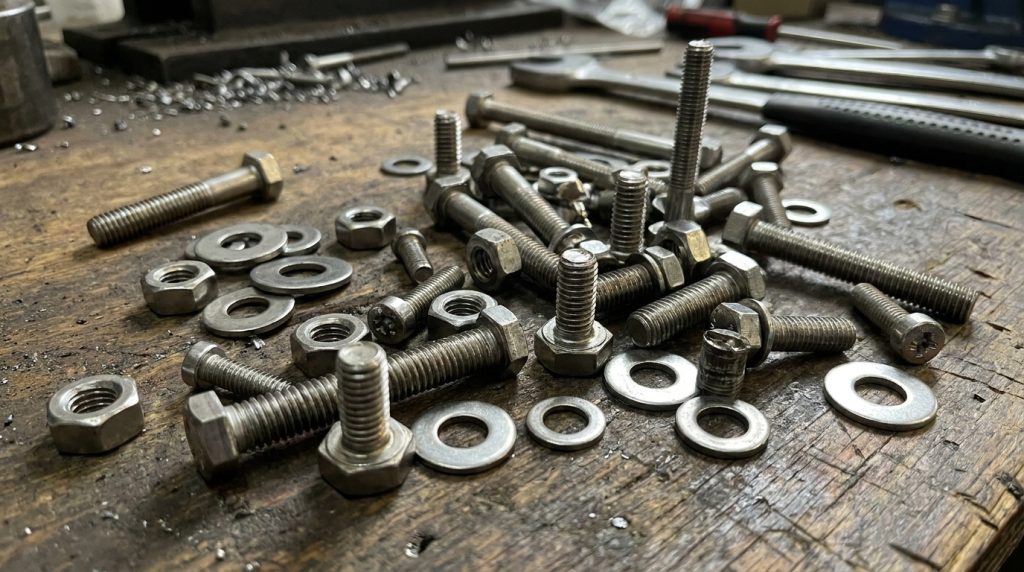
Stainless steel fasteners are essential components in construction, manufacturing, equipment maintenance, marine work, food processing, automotive repair, and countless industrial applications. When bolts, screws, nuts, washers, anchors, rivets, and threaded rods are exposed to moisture, chemicals, temperature changes, or outdoor …
Read More

Industrial Fasteners Guide: Types, Uses & Selection

Industrial fasteners are small components with a big job: they hold machines, structures, assemblies, piping, electrical systems, vehicles, and production equipment together under load, vibration, temperature changes, and harsh environmental conditions. Choosing the wrong bolt, nut, screw, washer, rivet, or …
Read More

Hex Bolts Explained: Types, Grades & Applications

Hex bolts are externally threaded fasteners with a six-sided head designed to be tightened or loosened with a wrench, socket, or impact tool. They are among the most widely used industrial fasteners because they provide strong clamping force, easy installation, …
Read More

Metric vs SAE Fasteners: Which Should You Use?

Fastener selection affects fit, strength, serviceability, inventory costs, and field productivity. For contractors, maintenance teams, manufacturers, mechanics, and industrial buyers, the question “Metric vs SAE fasteners: which should you use?” is not just about thread size—it is about standards, equipment …
Read More

Bolt Identification Guide: Grades, Marks & Sizes

Choosing the wrong bolt can cause equipment downtime, failed inspections, joint loosening, corrosion problems, or serious safety risks. For contractors, maintenance professionals, mechanics, manufacturers, and industrial buyers, bolt identification is more than reading a number on a bolt head. It …
Read More