
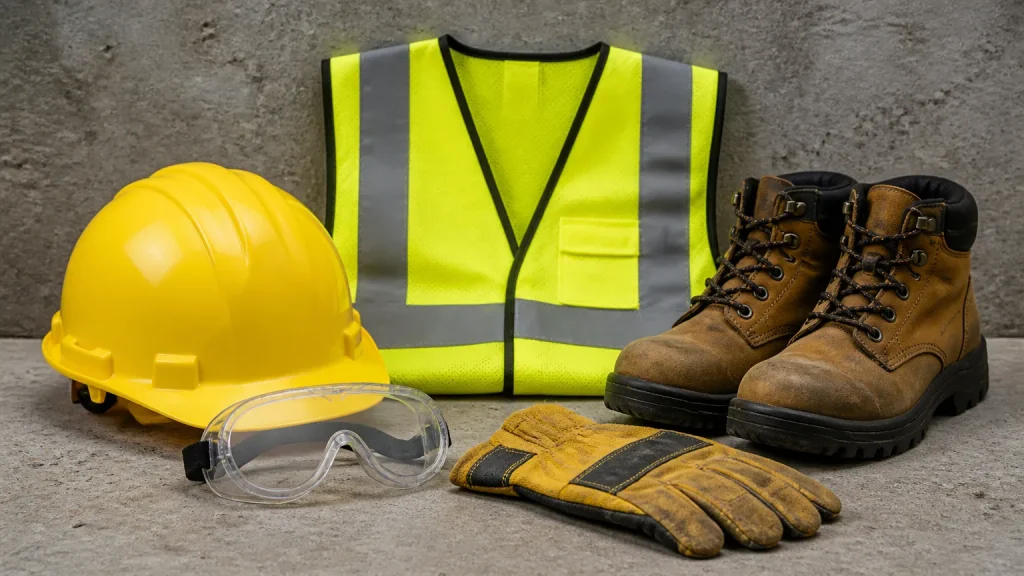
Safety equipment is essential for contractors, serving as the first line of defense against on-site injuries. Whether you’re working on a residential renovation or a commercial build, the risks are ever-present. From falls to equipment malfunctions, the right gear can make all the difference.
In Southern Michigan, contractors face unique challenges. The region’s varied weather conditions can lead to slippery surfaces and reduced visibility. Additionally, working with heavy machinery and hazardous materials increases the likelihood of accidents. Without proper safety equipment, these risks can escalate quickly.
Using appropriate gear not only protects you but also sets a standard for your team. Safety equipment fosters a culture of responsibility, encouraging everyone to prioritize their well-being. When contractors equip themselves properly, they minimize downtime due to injuries and ensure projects stay on schedule.
This article will explore the vital safety equipment every contractor should have. By understanding these essentials, you can enhance your safety practices and protect yourself and your crew on the job site. Let’s dive into the must-haves that will keep you safe and efficient.
1. Personal Protective Equipment (PPE)
Personal protective equipment (PPE) is crucial for every contractor. It safeguards you and your crew from potential hazards on the job site. Essential pieces include helmets, gloves, and eyewear.
Helmets protect against falling objects, especially on construction sites. Choose hard hats that meet safety standards for impact resistance. Gloves are just as vital; they provide grip and protect your hands from cuts and abrasions. Select gloves based on the specific tasks—some are designed for heavy-duty work, while others are better for precision tasks.
Eyewear is another key component. Safety glasses or goggles shield your eyes from debris and harmful substances. Depending on your work type, you may need specialized eyewear that protects against chemical splashes or extreme glare.
Always stay updated on local regulations regarding PPE. Compliance not only ensures safety but also keeps you in line with legal requirements. Equip yourself properly, and you’ll create a safer environment for everyone on site.
2. Respirators and Masks
When working with hazardous materials or in dusty environments, respiratory protection is crucial. Respirators and masks filter out harmful particles, gases, and vapors, preventing serious health issues.
There are several types of respirators. N95 masks are effective for filtering airborne particles, while half-mask respirators can protect against specific chemicals. Full-face respirators offer the highest level of protection, shielding both your lungs and eyes from harmful exposures.
Proper fit is essential. A secure fit ensures that no harmful air leaks around the edges. Always conduct a fit test before use to confirm effectiveness.
Maintenance is equally important. Regularly inspect your respirators for damage and clean them according to manufacturer instructions. Ensure filters are replaced as needed to maintain optimal performance.
By prioritizing respiratory safety equipment, you safeguard your health and enhance your ability to work efficiently on any job site.
3. Fall Protection Gear
Fall protection gear is crucial for any contractor working at heights. It includes systems like guardrails, safety nets, and personal fall arrest systems (PFAS). Each serves a specific purpose and can significantly reduce the risk of fall accidents.
Guardrails are often the first line of defense. They create a physical barrier, preventing workers from accidentally slipping off edges. Ensure they are installed at all open sides of elevated work areas.
Harnesses are another essential tool. A well-fitted harness connects to a lanyard and anchor point, securely holding you if you fall. Look for models that meet OSHA standards for optimal safety.
Consider also using safety nets. They can catch workers who fall, especially in areas where guardrails aren’t feasible. Remember, the implications of fall accidents can be severe, leading to injuries or even fatalities.
Investing in quality fall protection gear not only enhances safety but also boosts morale and productivity on the job site.
4. First Aid Kits
Having a comprehensive first aid kit on hand is crucial at any job site. Accidents can happen, and being prepared can make a significant difference. Your first aid kit should include essential items like adhesive bandages, antiseptic wipes, gauze pads, and adhesive tape. Don’t forget to add scissors, tweezers, and a CPR face shield.
It’s also wise to include pain relievers and any specific medications your crew may need. Regularly check and restock your kit to ensure it remains fully equipped.
Be aware of local regulations regarding first aid preparedness. Many areas require specific supplies or training, depending on the size of your crew and the nature of your work. Meeting these requirements not only keeps you compliant but also enhances overall safety on the job site.
For added safety, consider using products like Plastic Roof Cement: The Unsung Hero of Roof Repair to protect your work area. This attention to detail can prevent accidents before they occur.
5. Fire Extinguishers
Fire safety equipment is crucial for any contractor. A fire can escalate quickly, putting lives and property at risk. Having the right fire extinguisher on hand can make all the difference.
There are several classes of fire extinguishers, each designed for specific types of fires. Class A extinguishers are for ordinary combustibles like wood and paper. Class B is for flammable liquids, while Class C is meant for electrical fires. For contractors, a multi-class extinguisher, like an ABC type, is often the best choice for versatility across job sites.
Regular maintenance checks are essential to ensure your extinguishers are ready for action. Inspect them monthly for visible damage, and have them serviced annually by a professional. This proactive approach keeps your safety equipment reliable and effective.
For more insights on maintaining equipment, check out our article on Motor Testing Basics: Megger, surge test, vibration (explained simply). Prioritize fire safety, and you’ll protect both your crew and your project.
Conclusion: Prioritizing Safety in Contracting
In summary, having the right safety equipment is non-negotiable for any contractor. Regularly assessing your safety gear ensures it remains effective and compliant with local regulations. Remember, investing in quality equipment not only protects your health but also boosts team morale.
A safety-first approach pays off in the long run, reducing incidents and enhancing productivity. For example, utilizing proper insulation can prevent hazards during winter months. When to Replace Instead of Rewind: A Motor Repair Decision Checklist is a great resource for maintaining your tools effectively. Stay committed to safety, and you’ll foster a culture of protection on every job site.