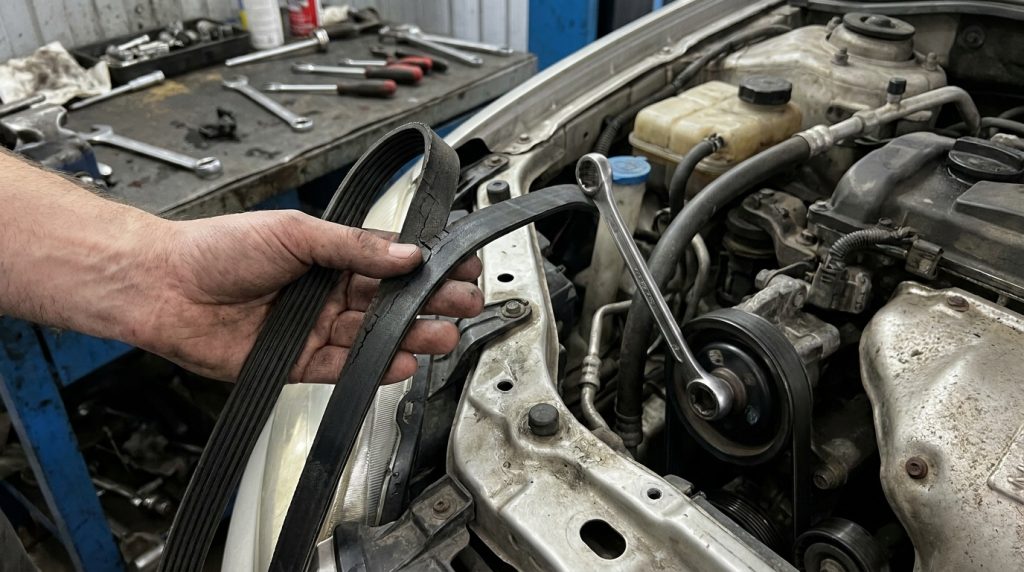
In daily life, many of us depend on our cars to carry us to work, school, family, worship, service, and simple errands. In the spirit of Bhakti Yoga—the path of loving devotion—we can see even ordinary responsibilities as part of our spiritual life. When we care for what has been entrusted to us, we practice seva, a Sanskrit word meaning “service.”
A vehicle belt may seem like a small thing, but it plays an important role. If a belt fails, your car can overheat, lose power steering, stop charging the battery, or even suffer serious engine damage. Learning the signs a belt needs replacement can help you stay safe, avoid expensive repairs, and care for others who ride with you.
Just as the Bhagavad-gita encourages steadiness and awareness in action, car maintenance invites us to be attentive before a small issue becomes a larger burden. With a little knowledge and timely care, we can travel with more peace.
If you’re looking to understand more about the maintenance of industrial equipment, you might find the article on industrial fans particularly insightful. Proper airflow is essential for the longevity of machinery, and ensuring that your fans are functioning optimally can prevent overheating and other issues. For more information, check out this related article on industrial fans.
Understanding the Main Types of Car Belts
Before looking at the warning signs, it helps to understand which belts your vehicle may have. Different belts perform different duties, and the signs of wear may vary depending on the belt’s function.
Serpentine Belt
The serpentine belt is a long, winding belt that usually powers several important components in your car. It may run the alternator, power steering pump, water pump, and air conditioning compressor.
Because it serves so many systems, a failing serpentine belt can create many symptoms at once. If this belt breaks while driving, your battery may stop charging, your engine may overheat, or your steering may become very difficult.
Timing Belt
The timing belt is hidden inside the engine area and has a very serious job. It keeps the engine’s internal parts moving in proper rhythm. Specifically, it helps coordinate the movement of the crankshaft and camshaft so the engine valves open and close at the right time.
A worn timing belt may not show obvious signs before it fails. If it breaks, especially in what is called an interference engine, the result can be major engine damage. This is why following your manufacturer’s timing belt replacement schedule is so important.
V-Belts and Drive Belts
Older vehicles, and some specific engine designs, may use individual V-belts or drive belts. Each belt may power one accessory, such as the alternator or air conditioning system.
These belts can crack, loosen, glaze, or squeal when worn. If one fails, the system it powers may stop working.
Accessory Belts
The term “accessory belt” can refer to belts that power accessories outside the main engine operation. These may include the air conditioning compressor, alternator, or power steering system.
While these belts may not always stop the engine immediately, ignoring a worn accessory belt can still leave you stranded or create unsafe driving conditions.
Visible Signs a Belt Needs Replacement
One of the easiest ways to detect belt problems is by looking at the belt itself. A simple visual inspection can often reveal whether your car belt is worn, damaged, or close to failure.
Of course, always be careful. Never inspect belts while the engine is running. If you are unsure, it is wise to ask a trusted mechanic.
Cracks on the Belt Surface
Cracking is one of the most common signs a belt needs replacement. Over time, heat, friction, and age cause rubber to dry out. Small cracks may appear across the ribs or along the surface.
A few tiny surface marks may not mean immediate failure, but deep cracks or many cracks close together are a warning. A cracked serpentine belt or drive belt should be replaced before it breaks.
In spiritual life, we learn that small signs matter. Just as a restless mind may need gentle attention before it becomes overwhelmed, a cracked belt is asking for care before it causes trouble.
Fraying Along the Edges
If the sides of the belt look shredded, stringy, or uneven, the belt may be fraying. This can happen because the belt is old, misaligned, rubbing against another part, or running on a damaged pulley.
Fraying is serious because it means the belt is losing strength. A frayed belt may snap unexpectedly, especially under pressure or during a long drive.
Missing Ribs or Chunks
Many serpentine belts have ribbed grooves on one side. These ribs help the belt grip the pulleys properly. If pieces of the ribs are missing, or if chunks of rubber have broken away, the belt is no longer performing as it should.
Missing ribs can cause slipping, squealing, poor accessory performance, and sudden failure. A belt with missing rubber should be replaced as soon as possible.
Glazing or Shiny Spots
A healthy belt usually has a consistent rubber appearance. If the belt looks shiny, glossy, or glazed, it may have been slipping over the pulleys. This can happen because the belt is worn, loose, contaminated with fluid, or the tensioner is failing.
Glazing reduces grip. A shiny belt may squeal and may not properly power the alternator, water pump, or other components.
Belt Looks Loose or Misaligned
A belt should sit properly on the pulleys. If it looks loose, wobbly, or out of line, there may be a belt tension problem, pulley issue, or alignment concern.
A belt that does not track correctly can wear out quickly. If you see the belt moving strangely, do not ignore it. This is one of the clearer signs a belt needs replacement or that a related part needs repair.
Please check out our latest article at https://cemindustrialsupply.com/news/ for more information.
Sounds That May Mean Belt Trouble
Your car often speaks through sound. Listening carefully can help you notice early signs of belt wear. Not every noise means disaster, but certain sounds should be checked promptly.
Squealing When You Start the Car
A high-pitched squeal when starting the car is a classic sign of belt trouble. It may mean the belt is slipping because it is worn, loose, wet, or glazed.
Sometimes the squeal happens only for a moment. Even then, it should not be dismissed if it happens often. A belt that slips at startup may eventually slip more frequently and then fail.
Chirping While Driving
A chirping sound is different from a long squeal. It may sound like quick, repeated little squeaks coming from the engine area. Chirping can be caused by belt misalignment, pulley issues, or worn belt ribs.
If the chirping changes with engine speed, the belt or pulley system is likely involved. A mechanic can inspect whether the belt itself needs replacement or whether a pulley is causing the problem.
Grinding or Rattling Near the Belt Area
A belt itself usually does not make a grinding sound, but pulleys, tensioners, and bearings can. If you hear grinding or rattling near the belt area, the belt system may be under stress.
A failing tensioner or pulley can damage a new belt quickly. So if your belt is replaced, the related components should also be checked.
Noise When Turning the Steering Wheel
If your vehicle uses a belt-driven power steering pump, a worn or slipping belt can cause noise when you turn the steering wheel. You may hear whining or squealing, especially during tight turns.
This can become a safety issue. If steering becomes difficult, have the vehicle checked immediately.
When considering the maintenance of machinery, it’s essential to recognize the signs a belt needs replacement to prevent costly downtime. Regular inspections can help identify wear and tear, ensuring that your equipment operates efficiently. For those looking to enhance their operational efficiency, exploring the advantages of modern solutions can be beneficial. You can read more about this in the article on industrial automation, which outlines how automation can streamline processes and reduce the likelihood of equipment failure.
Performance Signs a Belt Needs Replacement
Not all belt problems are visible or noisy. Sometimes the signs appear through the way your car performs. Because belts help power major systems, a failing belt can affect comfort, safety, and engine health.
Battery Warning Light
If the serpentine belt powers your alternator and begins slipping or fails completely, the alternator may not charge the battery correctly. This can trigger the battery warning light on your dashboard.
Many people think the battery light always means the battery is bad. Sometimes it does. But it can also mean the alternator is not charging, and a belt problem may be the cause.
If the battery warning light comes on while driving, it is best to pull over safely and seek help. Your vehicle may not run for long if the charging system is failing.
Engine Overheating
In many vehicles, the serpentine belt drives the water pump. The water pump circulates coolant through the engine. If the belt slips or breaks, the water pump may stop working, and the engine can overheat quickly.
An overheating engine is serious. Continuing to drive can cause major damage, including a blown head gasket or warped engine parts.
If your temperature gauge rises or you see steam, stop safely. Let the engine cool and get professional assistance.
Power Steering Problems
A worn belt can cause the power steering pump to lose proper function. You may notice the steering wheel becomes harder to turn, especially at low speeds or while parking.
If the belt breaks completely, steering may become very heavy. You may still be able to steer, but it will require much more effort. This can be dangerous in traffic or during sudden maneuvers.
Air Conditioning Stops Working
If the belt drives the air conditioning compressor, belt problems may cause weak cooling or no cooling at all. While this may not always be an emergency, it can be uncomfortable and may point to a larger belt issue.
If your air conditioning stops working and you also hear squealing or see belt damage, the belt should be inspected.
Engine Misfires or Rough Running
This sign is especially connected to timing belt problems. If a timing belt is worn, stretched, or slipping, the engine timing can become incorrect. This may cause rough running, misfires, poor acceleration, or stalling.
Timing belt issues should be taken seriously. If the timing belt fails, the engine may stop suddenly, and in some engines the damage can be severe.
Warning Signs of a Bad Timing Belt
The timing belt deserves special attention because it often does not give many warnings before failing. Unlike a serpentine belt, it may be hidden behind covers, making it harder to inspect casually.
Ticking Noise From the Engine
A ticking sound from the engine may sometimes be connected to timing belt wear or timing components. It may also come from low oil or other engine issues.
Because there are many possible causes, a ticking sound should be diagnosed properly. If your vehicle is due for timing belt replacement, do not delay.
Trouble Starting the Car
A failing timing belt can affect engine timing and make the car difficult or impossible to start. If the belt has broken, the engine may crank but not start.
This situation requires immediate professional inspection. Repeated attempts to start the engine may not help and could create more problems.
Oil Leaking Near the Timing Belt Cover
Oil leaks near the timing belt area can damage the belt. Rubber belts do not respond well to oil contamination. Oil can soften the belt, weaken it, and shorten its life.
If you see oil leaking from the front of the engine, it should be repaired. The timing belt may also need replacement if oil has reached it.
Manufacturer’s Mileage Interval Has Passed
One of the most important signs a timing belt needs replacement is not a noise or symptom—it is mileage. Many manufacturers recommend timing belt replacement somewhere around 60,000 to 100,000 miles, though the exact interval depends on the vehicle.
If you do not know when your timing belt was last replaced, check your owner’s manual or service records. Preventive replacement is much less costly than repairing engine damage after a broken belt.
Causes of Premature Belt Wear
Sometimes a belt wears out simply because it is old. But in other cases, another problem causes the belt to fail early. Understanding these causes can help you avoid repeated belt replacement.
Heat and Age
Engine compartments get very hot. Over time, heat dries out rubber and causes cracking. Even if a car is not driven often, belts can age and become brittle.
This is why both mileage and time matter. A belt may need replacement after several years even if the vehicle has low miles.
Fluid Contamination
Oil, coolant, or power steering fluid leaking onto a belt can cause slipping, swelling, softening, or deterioration. If a belt is replaced but the leak is not repaired, the new belt may fail quickly.
A mechanic should check for leaks when replacing a belt.
Bad Belt Tensioner
The belt tensioner keeps the belt tight enough to grip properly. If the tensioner is weak, stuck, or worn out, the belt may slip, squeal, or wear unevenly.
Replacing the belt without checking the tensioner can lead to continued problems.
Damaged Pulleys
Pulleys guide the belt and allow it to move smoothly. A pulley that is rough, misaligned, cracked, or has a bad bearing can damage the belt.
If your belt keeps wearing out quickly, pulleys should be inspected.
Incorrect Installation
A belt that is not installed correctly can slip off, wear unevenly, or fail early. The routing must match the manufacturer’s belt diagram. The correct size belt must also be used.
This is one reason professional installation can be helpful, especially for serpentine belts in tight engine compartments.
When to Replace a Car Belt
Knowing when to replace a belt is a blend of observation, maintenance schedule, and humble common sense. We do not need to wait for failure. Preventive care is often the kinder and wiser path.
Replace It When You See Damage
If you see cracks, fraying, missing ribs, glazing, or uneven wear, replacement is usually the right choice. Belts are not meant to last forever.
A damaged belt may continue working for a short time, but it is not dependable. Replacing it early can prevent stress and protect your vehicle.
Follow the Owner’s Manual
Your owner’s manual gives the recommended belt replacement intervals for your specific vehicle. This is especially important for timing belts.
If you bought a used car and do not know its service history, ask a mechanic to inspect the belts. For timing belts, consider replacement if there is no record and the mileage is within the replacement range.
Replace Related Parts When Needed
Sometimes the belt is only part of the problem. The tensioner, idler pulley, or water pump may also need replacement, depending on the vehicle and the belt involved.
For timing belt service, many mechanics recommend replacing the water pump, tensioner, and pulleys at the same time if they are located in the same area. This may cost more upfront but can save labor costs and prevent future breakdowns.
Do Not Ignore Dashboard Warnings
Battery lights, temperature warnings, or power steering issues may point to belt problems. If a warning light appears, respond quickly and calmly.
In Bhakti practice, we learn attentiveness through smaranam, or remembrance—remembering God, remembering our purpose, and remembering what needs care. A dashboard light is also a kind of reminder. It invites us to pause and respond before harm increases.
What Happens If You Keep Driving With a Bad Belt?
Driving with a worn belt can be risky. The consequences depend on which belt fails and what it powers.
You Could Be Stranded
If the serpentine belt breaks, your alternator may stop charging the battery. Once the battery loses power, the vehicle may shut down.
This can leave you stranded on the side of the road, perhaps at night, in bad weather, or in an unsafe location.
Your Engine Could Overheat
If the belt runs the water pump, a broken belt can cause overheating within minutes. Engine overheating can lead to costly repairs.
Stopping early can make a big difference. If the temperature gauge rises, do not keep driving in the hope that it will improve.
Steering May Become Difficult
Loss of power steering can surprise a driver. If a belt fails while you are turning or parking, the wheel may suddenly feel heavy.
This is especially concerning for new drivers, elderly drivers, or anyone driving in busy areas.
Timing Belt Failure Can Damage the Engine
A broken timing belt can be one of the most expensive belt-related failures. In some engines, valves and pistons can collide when the belt breaks. This may require major engine repair or replacement.
Replacing a timing belt on schedule is an act of prevention and wisdom.
How to Inspect a Belt Safely
Many drivers can do a simple belt inspection at home, but safety comes first. If you are uncomfortable, there is no shame in asking for help.
Turn the Engine Off
Never touch or inspect belts while the engine is running. Moving belts and pulleys can cause serious injury.
Turn off the engine, remove the key, and wait for the engine to cool.
Use a Flashlight
Belts can be hard to see. A flashlight helps you look for cracks, fraying, glazing, and missing ribs.
Look at as much of the belt as possible. Some damage may be hidden on the underside.
Check for Fluid Leaks
Look around the belt area for oil, coolant, or other fluids. If the belt is wet or sticky, there may be a leak that needs repair.
Replacing a contaminated belt without fixing the leak may only provide temporary relief.
Notice the Belt’s Movement
If you are observing from a safe distance while the engine is running, do not touch anything. Watch whether the belt moves smoothly. Wobbling, flapping, or wandering may suggest tension or pulley problems.
Again, if you are unsure, let a professional inspect it.
The Cost of Waiting Versus Replacing Early
A belt replacement is usually far less expensive than the damage caused by a broken belt. While the exact cost depends on the vehicle and belt type, preventive maintenance is often the most affordable option.
Serpentine Belt Replacement Cost
A serpentine belt is often relatively inexpensive compared to other repairs. Labor may vary depending on how accessible the belt is.
If the tensioner or pulleys also need replacement, the cost increases, but it may still be much less than dealing with a roadside breakdown.
Timing Belt Replacement Cost
Timing belt replacement is usually more expensive because it requires more labor. However, the cost is often small compared to repairing engine damage from a broken timing belt.
If your timing belt is due, consider it a necessary investment in your vehicle’s life.
Peace of Mind Has Value
There is also a value beyond money: peace of mind. Knowing your belts are in good condition can make daily driving less stressful.
In Bhakti, we often speak of shraddha, meaning faith or trust. While our deepest trust is in God, practical responsibility supports a peaceful life. We do our part with sincerity, and we move forward with gratitude.
Practical Tips to Extend Belt Life
Although every belt eventually needs replacement, good maintenance can help belts last longer.
Repair Leaks Quickly
Oil and coolant leaks can shorten belt life. If you notice fluid under your car or smell burning oil, have it checked.
A clean belt system usually lasts longer.
Keep Up With Regular Inspections
Ask your mechanic to inspect belts during oil changes or routine service. Regular checks can catch problems early.
You can also visually inspect belts yourself every few months.
Replace Worn Tensioners and Pulleys
A new belt needs a healthy system around it. If pulleys or tensioners are worn, replace them as recommended.
This helps prevent repeated belt noise or premature belt failure.
Use Quality Parts
Choose belts that meet your vehicle’s specifications. Cheap or incorrect belts may not last.
A good-quality belt, properly installed, is a simple way to protect your engine and accessories.
A Gentle Reflection on Maintenance and Service
A car belt is a small part, but its work is hidden and important. In that way, it reminds us of many humble forms of service. Much of life is held together by unseen care: the parent who prepares food, the friend who listens, the mechanic who checks a belt, the devotee who chants quietly in the morning.
Bhakti Yoga teaches that love becomes real through action. Chanting sacred names, offering prayer, serving others, and caring for our responsibilities can all become part of a devotional life when done with sincerity.
The Bhagavad-gita teaches that we can offer our work to the Divine. This does not mean every task feels mystical or grand. Sometimes it means making the appointment, replacing the worn belt, driving safely, and protecting the people around us.
If your car is showing signs a belt needs replacement—squealing, cracking, fraying, overheating, battery warning lights, or steering trouble—please take it seriously. A small step now may prevent a much larger difficulty later.
Everyone Is Welcome to Take One Sincere Step
Whether you are deeply familiar with Bhakti Yoga or simply exploring, you are warmly welcome. The path of devotion is practical and compassionate. It invites us to chant, pray, serve, grow, and bring love into ordinary life.
Today, one sincere step might be checking your vehicle belt, calling a mechanic, chanting a simple prayer before beginning your day, or offering your next action in service to God.
No step is too small when it is taken with sincerity. Everyone is welcome to begin where they are and move gently toward love, wisdom, and God.
[fluentform id=”3″]
FAQs
What are the signs that a belt needs replacement?
Some common signs that a belt needs replacement include squealing or chirping noises, visible cracks or fraying on the belt, and a loose or slipping belt.
How often should belts be replaced?
Belts should typically be replaced every 60,000 to 100,000 miles, but it’s important to refer to the manufacturer’s recommendations for your specific vehicle.
What are the consequences of not replacing a worn belt?
If a worn belt is not replaced, it can lead to engine overheating, loss of power steering, and potential damage to other engine components.
How can I check the condition of my belts?
You can visually inspect the belts for any signs of wear, such as cracks, fraying, or glazing. You can also listen for any unusual noises while the engine is running.
Can I replace a belt myself?
Replacing a belt can be a DIY task for those with mechanical knowledge and the right tools. However, if you’re unsure, it’s best to have a professional mechanic handle the replacement.
