
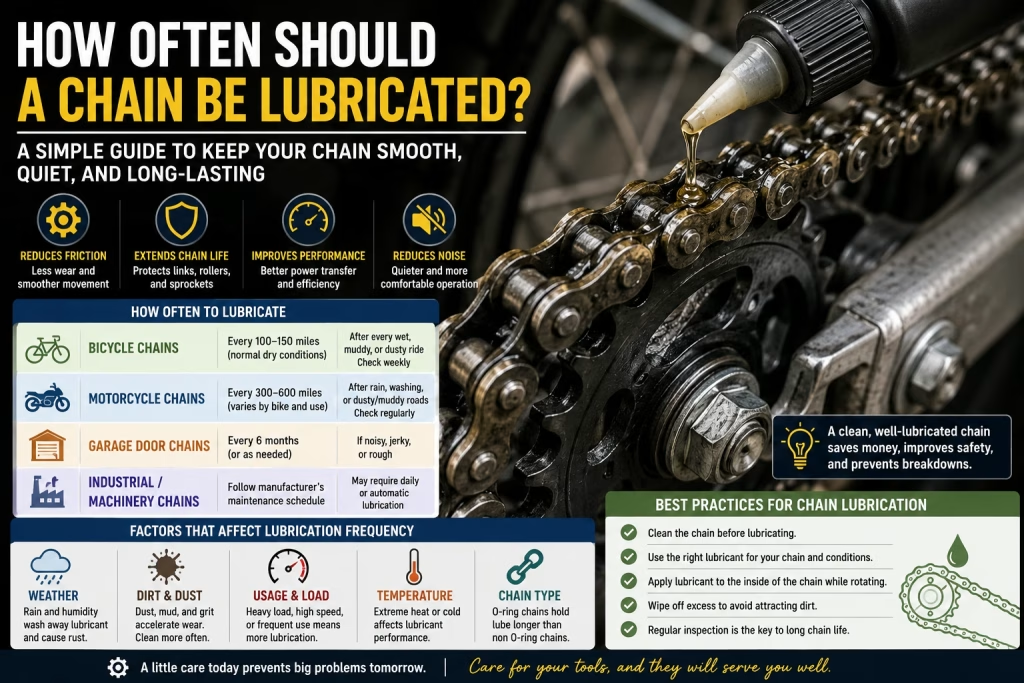
Proper chain lubrication is one of the simplest yet most important maintenance tasks for extending the life of chains, sprockets, bearings, and other drive components. Whether you’re maintaining a bicycle, motorcycle, garage door opener, conveyor system, agricultural equipment, or industrial machinery, regular lubrication reduces friction, minimizes wear, prevents corrosion, and improves overall performance.
This guide explains how often different types of chains should be lubricated, what factors affect lubrication intervals, how to identify signs of inadequate lubrication, and the best practices for long-term chain maintenance.
Why Chain Lubrication Is Important
Chains operate under constant friction as pins, bushings, rollers, and side plates articulate thousands of times during normal operation. Without proper lubrication, metal components wear rapidly, increasing friction, heat, vibration, and the likelihood of premature chain failure.
Benefits of Proper Chain Lubrication
Routine lubrication helps:
- Reduce friction
- Minimize wear
- Extend chain life
- Reduce operating temperatures
- Prevent corrosion
- Improve efficiency
- Reduce noise
- Protect sprockets
- Lower maintenance costs
- Reduce equipment downtime
Proper lubrication also helps maintain smoother power transmission while reducing the stress placed on connected components.
Recommended Chain Lubrication Intervals
There is no single lubrication schedule that works for every application. Chain maintenance depends on operating conditions, environment, chain speed, load, lubricant type, and manufacturer recommendations.
Bicycle Chains
Bicycle chains experience constant movement and exposure to dirt, moisture, and road debris.
Recommended Lubrication
Normal riding:
- Every 100–150 miles
Wet or muddy conditions:
- After each wet or muddy ride
Daily commuters should inspect the chain weekly and lubricate whenever the chain appears dry or noisy.
Motorcycle Chains
Motorcycle drive chains operate under significantly higher loads and speeds.
Recommended Lubrication
Normal riding:
- Every 300–600 miles
Lubricate immediately after:
- Riding in rain
- Washing the motorcycle
- Riding on dusty roads
- Long-distance trips
Always follow the maintenance recommendations provided by the motorcycle manufacturer.
Garage Door Chains
Garage door opener chains generally require much less frequent maintenance.
Recommended Lubrication
- Approximately every six months
- Whenever excessive noise develops
- After cleaning accumulated debris
Use only lubricants recommended by the garage door opener manufacturer.
Industrial Chains
Industrial chain lubrication schedules vary considerably depending on operating conditions.
Industrial Applications May Require
- Daily lubrication
- Weekly lubrication
- Automatic lubrication systems
- Scheduled preventive maintenance
Always follow the equipment manufacturer’s maintenance schedule for industrial power transmission chains.
Factors That Affect Lubrication Frequency
Lubrication intervals are influenced by far more than mileage or operating hours.
Weather Exposure
Rain, snow, humidity, and temperature extremes all affect lubricant performance.
Wet Conditions Can
- Wash away lubricant
- Promote corrosion
- Increase contamination
- Accelerate wear
Equipment exposed to moisture should be inspected more frequently.
Dust and Dirt
Dust acts as an abrasive when mixed with lubricant.
Dusty Environments Require
- More frequent inspections
- More frequent cleaning
- Shorter lubrication intervals
- Proper lubricant selection
Dry lubricants often perform better in dusty environments because they attract less debris than wet lubricants.
Operating Load
Higher loads place additional stress on chain components.
Heavy Loads Include
- Cargo bikes
- Agricultural equipment
- Industrial conveyors
- Forklifts
- Heavy machinery
- Material handling systems
Higher loads generally require more frequent lubrication and inspection.
Frequency of Use
Equipment operated continuously requires more maintenance than equipment used occasionally.
High-Use Equipment Includes
- Daily commuter bicycles
- Commercial motorcycles
- Production machinery
- Manufacturing conveyors
- Packaging equipment
- Distribution systems
Regular inspections are often more valuable than relying solely on fixed lubrication intervals.
Signs Your Chain Needs Lubrication
Chains often provide clear warning signs before lubrication becomes critical. Paying attention to changes in performance, appearance, and sound can help prevent excessive wear, improve efficiency, and avoid costly repairs.
Excessive Chain Noise
A properly lubricated chain should operate relatively quietly. As lubricant wears away, metal-to-metal contact increases, creating noticeable noise.
Common Sounds Include
- Squeaking
- Squealing
- Grinding
- Clicking
- Rattling
- Metallic scraping
Unusual chain noise is often the earliest indication that maintenance is needed.
Dry Appearance
A healthy chain should have a thin protective lubricant film on its internal moving components.
Signs of a Dry Chain
- Bright metal appearance
- Dry rollers
- Lack of lubricant residue
- Rough feel during inspection
If the chain appears completely dry, inspect it and apply fresh lubricant after cleaning.
Rust or Corrosion
Rust indicates moisture has displaced or contaminated the lubricant.
Causes of Rust
- Rain exposure
- High humidity
- Outdoor storage
- Infrequent maintenance
- Improper lubrication
Surface rust should be addressed promptly before it progresses into permanent damage.
Rough Operation
Poor lubrication often increases resistance throughout the drivetrain.
Common Symptoms
- Rough pedaling
- Poor shifting
- Jerky movement
- Increased resistance
- Reduced efficiency
- Binding links
Lubrication may resolve these issues if wear has not already occurred.
Dirt and Contamination
Lubricant naturally attracts dirt over time.
Heavy Contamination May Include
- Sand
- Dust
- Mud
- Metal particles
- Road grime
- Grease buildup
A dirty chain should be cleaned before fresh lubricant is applied. Adding lubricant over accumulated dirt accelerates wear rather than preventing it.
How to Lubricate a Chain Properly
Correct lubrication is just as important as choosing the proper maintenance interval. Applying lubricant incorrectly can attract contaminants, reduce efficiency, and shorten chain life.
Step 1: Clean the Chain
Always remove dirt and old lubricant before applying fresh lubricant.
Cleaning Methods
Depending on the application, use:
- Chain cleaner
- Degreaser
- Soft brush
- Nylon brush
- Chain cleaning tool
- Clean microfiber cloth
Industrial chains may require specialized cleaning procedures recommended by the equipment manufacturer.
Step 2: Allow the Chain to Dry
Lubricant adheres best to clean, dry metal surfaces.
Before Lubricating
- Remove excess solvent.
- Wipe the chain dry.
- Allow moisture to evaporate.
- Inspect for damaged links.
Applying lubricant to a wet chain reduces penetration and overall effectiveness.
Step 3: Apply Lubricant Correctly
The lubricant should penetrate the internal moving parts of the chain.
Apply Lubricant To
- Rollers
- Pins
- Bushings
- Internal chain joints
Avoid simply coating the outside of the chain. The lubrication must reach the internal wear surfaces where movement occurs.
Step 4: Allow Time for Penetration
Many lubricants require several minutes to work into the chain.
Benefits
Allowing penetration helps:
- Improve lubrication
- Reduce fling-off
- Increase protection
- Extend lubricant life
Follow the manufacturer’s instructions regarding cure or drying time.
Step 5: Remove Excess Lubricant
Excess lubricant attracts unnecessary dirt and debris.
Wipe Away
- Heavy oil buildup
- Drips
- Excess surface lubricant
The chain should have lubrication inside the moving joints—not a heavy coating on the outside.
Choosing the Right Chain Lubricant
Different operating environments require different lubricant formulations.
Wet Chain Lubricants
Wet lubricants provide excellent protection in harsh environments.
Best For
- Rain
- Mud
- Snow
- High humidity
- Long-distance riding
- Outdoor equipment
Wet lubricants resist water well but generally attract more dirt than dry lubricants.
Dry Chain Lubricants
Dry lubricants leave a cleaner protective coating.
Best For
- Dry weather
- Dusty roads
- Gravel paths
- Desert environments
- Indoor equipment
Dry lubricants reduce dirt accumulation but require more frequent application.
Wax-Based Lubricants
Wax lubricants provide excellent cleanliness when properly maintained.
Advantages
- Minimal dirt buildup
- Cleaner drivetrain
- Reduced abrasive wear
- Smooth operation
Wax-based products generally require a thoroughly cleaned chain before initial application.
Motorcycle Chain Lubricants
Motorcycle chains require lubricants specifically designed for high-speed operation.
Choose Products Compatible With
- O-ring chains
- X-ring chains
- Z-ring chains
- Sealed chains
Using the correct motorcycle chain lubricant helps protect seals and maximize service life.
Industrial Chain Lubricants
Industrial equipment often requires specialty lubricants.
Industrial Lubricants May Be Designed For
- High temperatures
- Heavy loads
- Food-grade applications
- Corrosive environments
- High-speed conveyors
- Manufacturing equipment
Always follow the lubricant specifications recommended by the equipment manufacturer.
Common Chain Lubrication Mistakes
Even routine maintenance mistakes can significantly reduce chain life.
Lubricating a Dirty Chain
Applying fresh lubricant over accumulated dirt creates an abrasive paste that accelerates wear.
Always clean heavily contaminated chains before lubricating.
Using Too Much Lubricant
More lubricant does not provide better protection.
Excess lubricant:
- Attracts dirt
- Creates messy buildup
- Increases contamination
- Can reach brake surfaces on bicycles and motorcycles
A properly lubricated chain should never be dripping with oil.
Waiting Too Long Between Services
Many operators wait until a chain becomes noisy before lubricating.
Instead, establish a preventive maintenance schedule based on usage and operating conditions.
Using the Wrong Lubricant
Household oils, heavy grease, or inappropriate lubricants often provide poor protection.
Always choose a lubricant formulated for the specific chain application.
Ignoring Chain Wear
Lubrication cannot repair worn or damaged chains.
Inspect regularly for:
- Stretch
- Tight links
- Damaged rollers
- Corrosion
- Excessive wear
- Sprocket wear
Replace worn chains before they damage additional drivetrain components.
Preventive Chain Maintenance Schedule
Developing a consistent maintenance routine is the most effective way to maximize chain life and reduce unexpected failures. Rather than waiting until a chain becomes noisy or begins to wear excessively, inspect it regularly and perform maintenance based on operating conditions and usage.
After Every Ride or Equipment Use
Perform a quick visual inspection before storing or operating equipment again.
Check For
- Dirt buildup
- Dry appearance
- Rust
- Excessive noise
- Loose chain tension
- Damaged links
Frequent inspections allow small issues to be corrected before they become costly repairs.
Weekly Inspection
Equipment that operates daily should receive a more detailed inspection at least once each week.
Inspect
- Chain condition
- Lubrication level
- Alignment
- Sprocket wear
- Chain tension
- Signs of corrosion
Commercial and industrial equipment operating continuously may require inspections even more frequently.
Monthly Maintenance
A monthly preventive maintenance inspection provides an opportunity to thoroughly clean and evaluate the entire chain drive system.
Monthly Tasks
- Clean accumulated dirt and debris.
- Inspect chain elongation.
- Check sprocket wear.
- Verify proper alignment.
- Lubricate as needed.
- Tighten loose hardware.
- Inspect chain guards.
- Document maintenance performed.
Keeping maintenance records helps identify recurring issues and optimize lubrication intervals.
After Rain, Washing, or Moisture Exposure
Water removes lubricant and accelerates corrosion.
After Exposure
- Dry the chain completely.
- Inspect for rust.
- Clean contaminants.
- Apply fresh lubricant.
- Wipe away excess lubricant.
Chains exposed to moisture should never be stored without adequate lubrication.
Seasonal Maintenance
Equipment that sits unused for extended periods should be inspected before returning to service.
Before Seasonal Operation
- Remove old lubricant if contaminated.
- Clean the chain thoroughly.
- Inspect for corrosion.
- Verify chain tension.
- Lubricate moving components.
- Replace damaged chains if necessary.
Proper seasonal maintenance reduces startup problems and extends equipment life.
Chain Inspection Checklist
Routine inspections identify developing wear before it leads to chain failure.
Inspect the Chain
Check for:
- Rust
- Cracked side plates
- Damaged rollers
- Tight links
- Elongation
- Excessive wear
- Corrosion
- Stiff movement
Any damaged components should be replaced rather than repaired.
Inspect the Sprockets
Chain wear often accelerates sprocket wear and vice versa.
Look For
- Hooked teeth
- Broken teeth
- Uneven wear
- Sharp tooth profiles
- Alignment problems
Replacing only the chain while leaving severely worn sprockets may shorten the life of the new chain.
Check Chain Tension
Chains should operate within the manufacturer’s specified tension range.
Improper Tension Can Cause
- Accelerated wear
- Poor power transfer
- Chain jumping
- Bearing damage
- Excessive vibration
- Premature failure
Always adjust chain tension according to the equipment manufacturer’s specifications.
Safety Best Practices
Chain maintenance is generally straightforward, but proper safety procedures help prevent injuries and equipment damage.
Shut Equipment Off
Never lubricate or inspect a moving chain.
Before servicing:
- Turn equipment off.
- Disconnect power.
- Lock out industrial equipment when required.
- Verify all moving parts have stopped.
Industrial facilities should follow established lockout/tagout (LOTO) procedures whenever applicable.
Keep Hands Away From Moving Components
Chains, sprockets, and gears create pinch points capable of causing serious injuries.
Never place fingers near:
- Rotating sprockets
- Conveyor chains
- Drive pulleys
- Gear mechanisms
Use appropriate tools to clean or lubricate chains safely.
Protect Brake Components
When lubricating bicycles or motorcycles, avoid contaminating braking surfaces.
Prevent Lubricant From Contacting
- Brake rotors
- Brake pads
- Rim brakes
- Tires
If contamination occurs, clean the affected components immediately using the appropriate cleaner.
Use Proper Ventilation
Some chain cleaners and lubricants contain solvents that require adequate ventilation.
Always:
- Read product safety instructions.
- Work in well-ventilated areas.
- Wear appropriate personal protective equipment.
- Store chemicals safely after use.
Frequently Asked Questions
How often should a chain be lubricated?
Lubrication frequency depends on the chain type and operating environment. As a general guideline:
- Bicycle chains: Every 100–150 miles under normal conditions
- Motorcycle chains: Every 300–600 miles
- Garage door chains: Approximately every six months
- Industrial chains: According to the manufacturer’s maintenance schedule
Chains exposed to rain, dirt, mud, or heavy use typically require more frequent lubrication.
Can you lubricate a chain too often?
Yes. Applying excessive lubricant without cleaning the chain first can attract dirt and abrasive particles that accelerate wear. A clean chain with a light coating of lubricant performs better than one saturated with excess oil.
Should you clean a chain before lubricating it?
Yes. Dirt, old lubricant, and contaminants should be removed before applying fresh lubricant. Cleaning allows the lubricant to penetrate the rollers, pins, and bushings where it provides the greatest protection.
Is WD-40 a good chain lubricant?
Standard WD-40 is primarily a water-displacing product and is not intended as a long-term lubricant for most bicycle or motorcycle chains. Dedicated chain lubricants provide significantly better wear protection and longer service life. Specialized WD-40 chain lubricant products are available and should not be confused with the original multi-use formula.
When should a chain be replaced?
Replace a chain if it shows signs of:
- Excessive elongation
- Tight or frozen links
- Severe corrosion
- Cracked side plates
- Damaged rollers
- Significant wear
Replacing a worn chain before it damages sprockets and other drivetrain components helps reduce overall maintenance costs.
Final Thoughts
Proper chain lubrication is one of the easiest and most cost-effective ways to improve equipment reliability, reduce wear, and extend the life of chain-driven systems. Whether maintaining a bicycle, motorcycle, garage door, agricultural equipment, conveyor, or industrial machine, establishing a routine inspection and lubrication schedule helps prevent unexpected breakdowns and costly repairs.
The ideal lubrication interval depends on operating conditions, environmental exposure, chain type, and manufacturer recommendations rather than a fixed mileage or calendar schedule. By inspecting chains regularly, using the correct lubricant, cleaning away contaminants before reapplication, and replacing worn components when necessary, you can maximize efficiency while minimizing downtime and maintenance expenses.
If you’re looking for industrial lubricants, chain lubricants, penetrating oils, degreasers, maintenance chemicals, corrosion inhibitors, cleaning supplies, and MRO products, CEM Industrial Supply offers a wide selection of maintenance solutions to help keep chain-driven equipment operating at peak performance. Browse our product catalog and maintenance resources to find the right products for your next preventive maintenance project.