
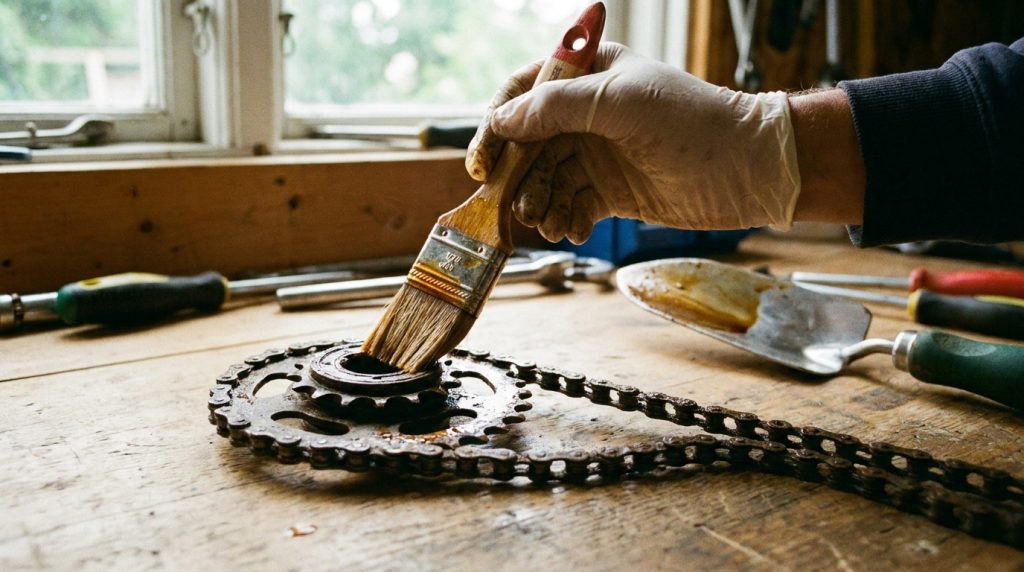
Rust is one of the biggest enemies of hand tools, power tools, woodworking equipment, and metal shop surfaces. Left unchecked, corrosion can shorten tool life, reduce accuracy, damage cutting edges, and lead to costly replacements.
Fortunately, preventing rust doesn’t require expensive equipment or complicated procedures. With proper cleaning, storage, humidity control, and protective coatings, you can keep your shop tools in excellent condition for years.
This guide explains why rust forms, how to prevent it, and the best maintenance practices for protecting your investment.
Why Shop Tools Rust
Rust is the result of oxidation—a chemical reaction that occurs when iron or steel is exposed to oxygen and moisture.
Most shop tools contain carbon steel, cast iron, or other ferrous metals that are susceptible to corrosion.
Several factors accelerate rust formation, including:
- High humidity
- Water exposure
- Condensation
- Sweat and fingerprints
- Dirt and sawdust
- Poor storage conditions
- Temperature fluctuations
Understanding these causes makes rust prevention much easier.
Moisture Is the Primary Cause
Moisture is the single biggest contributor to rust.
Common moisture sources include:
- Rain
- Humid air
- Wet workpieces
- Condensation
- Concrete floors
- Leaking roofs
- Damp basements
- Outdoor storage
Even if tools never come into direct contact with water, high humidity alone can eventually cause corrosion.
Condensation Creates Hidden Moisture
Rapid temperature changes often create condensation on metal surfaces.
For example:
- Cold tools in a warm garage
- Overnight temperature drops
- Seasonal humidity changes
Condensation frequently forms before it becomes visible, making rust appear unexpectedly.
Dirt and Sawdust Trap Moisture
Dust and sawdust don’t simply make a workshop look untidy—they also retain moisture against metal surfaces.
This is especially common in woodworking shops where fine dust settles on:
- Table saws
- Jointers
- Planers
- Drill presses
- Chisels
- Hand planes
- Router tables
Regular cleaning removes moisture-holding debris before corrosion begins.
Create a Daily Rust Prevention Routine
Consistent maintenance is far more effective than occasional deep cleaning.
A simple routine performed after each project can dramatically extend tool life.
Wipe Tools After Every Use
Before putting tools away:
- Remove dirt
- Remove sawdust
- Wipe away fingerprints
- Dry moisture completely
Pay particular attention to:
- Hand tools
- Drill bits
- Sockets
- Wrenches
- Chisels
- Measuring tools
- Cutting blades
This habit takes only a few minutes but greatly reduces corrosion.
Apply a Light Protective Oil
A thin protective film helps prevent moisture from reaching metal surfaces.
Popular options include:
- Light machine oil
- 3-IN-ONE® oil
- Mineral oil
- Camellia oil
- Tool-specific rust inhibitors
Only a light coating is necessary.
Excess oil attracts dirt and dust, which can create additional maintenance problems.
Never Store Dirty Tools
Putting dirty tools back into drawers or cabinets traps contaminants and moisture.
Before storage:
- Remove debris
- Dry completely
- Apply protection if necessary
- Return tools to their designated storage location
Clean tools stay rust-free much longer.
Best Protective Coatings for Shop Tools
Different types of equipment benefit from different protective coatings.
Choosing the proper product depends on the application.
Oil for Hand Tools
Hand tools respond well to occasional light oil applications.
Examples include:
- Screwdrivers
- Wrenches
- Pliers
- Adjustable wrenches
- Hammers
- Metal files
- Snips
Moving joints should receive a small drop of lubricant periodically.
Paste Wax for Cast Iron Surfaces
Cast iron machine tables require different protection than hand tools.
Paste wax is commonly used on:
- Table saw tops
- Band saw tables
- Jointer beds
- Planer beds
- Drill press tables
Benefits include:
- Moisture protection
- Reduced surface rust
- Improved material movement
- Smooth workpiece feeding
For woodworking applications, choose a wax that does not contain silicone, which can interfere with stains and finishes.
Rust Preventative Sprays
Long-term storage often benefits from specialized corrosion inhibitors.
These products are ideal for:
- Seasonal equipment
- Spare blades
- Machine components
- Stored hardware
- Outdoor equipment
Always follow manufacturer application instructions.
Vapor Corrosion Inhibitor (VCI) Products
VCI products protect enclosed storage areas by releasing corrosion-inhibiting compounds.
Common applications include:
- Toolboxes
- Cabinets
- Drawers
- Storage cases
- Shipping containers
VCI paper and VCI bags are especially useful for precision tools and replacement parts.
Control Humidity in Your Workshop
Even the best protective coatings cannot fully compensate for excessive humidity.
Controlling the shop environment is often the most effective rust prevention strategy.
Use a Dehumidifier
A dehumidifier helps maintain lower humidity levels inside enclosed workshops.
Many shop owners aim for relative humidity below 50%.
Benefits include:
- Reduced condensation
- Longer tool life
- Improved comfort
- Less corrosion
- Better storage conditions
Empty the collection tank regularly or install a continuous drain if available.
Add Silica Gel Packs
Silica gel absorbs moisture inside enclosed spaces.
Place packets inside:
- Tool chests
- Cabinets
- Plastic storage boxes
- Instrument cases
- Drawer organizers
Reusable silica gel packs can often be dried and reused multiple times.
Improve Air Circulation
Good airflow reduces moisture buildup.
Improve ventilation by using:
- Ceiling fans
- Exhaust fans
- Open windows when weather permits
- Ventilation systems
Avoid covering damp equipment with plastic, which can trap condensation.
Keep Tools Off Concrete Floors
Concrete naturally releases moisture.
Avoid placing tools directly on concrete.
Instead use:
- Shelving
- Cabinets
- Pegboards
- Rubber mats
- Wood platforms
- Tool chests
Elevating equipment helps reduce moisture exposure.
Proper Tool Storage for Rust Prevention
How you store your tools has a major impact on their lifespan. Even well-maintained tools can develop rust if they’re stored in damp or poorly ventilated areas.
Proper storage protects tools from moisture, dust, accidental damage, and temperature fluctuations.
Store Tools in Dry Cabinets
Enclosed cabinets help shield tools from airborne moisture and contaminants.
Benefits include:
- Reduced dust accumulation
- Protection from humidity
- Better organization
- Improved security
- Less accidental damage
For even greater protection, place silica gel packs or VCI (Vapor Corrosion Inhibitor) products inside cabinets and drawers.
Use Tool Chests and Drawer Organizers
Tool chests keep equipment organized while reducing unnecessary handling.
Consider using:
- Foam drawer liners
- Plastic organizers
- Drawer dividers
- Socket trays
- Wrench racks
Organization helps prevent tools from rubbing together, which can remove protective coatings and expose bare metal.
Hang Frequently Used Tools
Wall storage offers several advantages.
Popular options include:
- Pegboards
- Magnetic tool holders
- French cleat systems
- Wall-mounted racks
- Shadow boards
Keeping tools visible encourages regular inspection and makes it easier to spot rust before it spreads.
Protect Precision Tools
Precision instruments require extra care because even minor corrosion can affect accuracy.
Store items such as:
- Calipers
- Micrometers
- Dial indicators
- Combination squares
- Precision levels
- Measuring gauges
Inside protective cases whenever possible.
Include silica gel packs to minimize moisture buildup.
Store Blades Safely
Cutting tools should be stored separately to protect both the cutting edge and the metal surface.
Examples include:
- Saw blades
- Router bits
- Drill bits
- Chisels
- Plane irons
- Utility blades
Apply a light protective coating before long-term storage.
Remove Rust Before It Spreads
Even with proper maintenance, rust occasionally develops.
The key is addressing corrosion while it remains on the surface.
Remove Light Surface Rust
Minor rust can often be removed using:
- Fine steel wool
- Synthetic abrasive pads
- Rust erasers
- Mineral spirits
- Light oil
Work gently to avoid removing excessive base metal.
Once the rust is removed:
- Wipe the surface clean.
- Dry completely.
- Apply a protective coating.
Restore Cast Iron Machine Tables
Cast iron tops should be cleaned carefully.
Typical restoration steps include:
- Remove loose rust.
- Clean the surface.
- Polish lightly if necessary.
- Remove residue.
- Apply paste wax.
- Buff thoroughly.
Avoid aggressive grinding or sanding that could affect flatness.
Use Commercial Rust Removers
Heavier corrosion may require specialized rust-removal products.
These products are often appropriate for:
- Hand tools
- Machine parts
- Hardware
- Automotive tools
- Outdoor equipment
Always follow the manufacturer’s safety recommendations and wear appropriate personal protective equipment.
Be Careful With Vinegar
White vinegar is sometimes used for rust removal because its mild acidity dissolves oxidation.
However:
- Don’t soak precision tools for extended periods.
- Rinse thoroughly afterward.
- Dry immediately.
- Apply oil as soon as cleaning is complete.
Leaving metal exposed after cleaning can allow flash rust to develop quickly.
Rust Prevention by Tool Type
Different tools require slightly different maintenance practices.
Hand Tools
Hand tools are exposed to sweat, fingerprints, and constant handling.
Maintenance tips:
- Wipe after use.
- Apply light oil occasionally.
- Lubricate moving joints.
- Store in dry drawers.
Woodworking Tools
Woodworking equipment faces unique challenges because sawdust retains moisture.
Protect:
- Table saws
- Jointers
- Planers
- Hand planes
- Chisels
Best practices include:
- Remove sawdust daily.
- Wax cast iron surfaces.
- Keep blades dry.
- Store cutting tools properly.
Power Tools
Power tools include exposed metal surfaces that benefit from regular cleaning.
Maintain:
- Drill presses
- Band saws
- Circular saws
- Bench grinders
- Portable drills
Avoid spraying lubricants directly into motors or electrical components unless specifically recommended by the manufacturer.
Garden Tools
Outdoor equipment is frequently exposed to soil and moisture.
Examples include:
- Shovels
- Hoes
- Axes
- Pruners
- Loppers
- Rakes
After each use:
- Remove dirt.
- Wash if necessary.
- Dry completely.
- Apply a light oil.
- Store indoors.
Common Rust Prevention Mistakes
Avoid these common errors:
- Leaving tools dirty overnight
- Storing damp equipment
- Ignoring humidity
- Using excessive oil
- Allowing rust spots to spread
- Storing tools on concrete floors
- Failing to inspect stored equipment
- Neglecting seasonal maintenance
Correcting these habits significantly reduces corrosion.
Weekly Rust Prevention Checklist
A simple maintenance schedule helps keep rust under control.
Every Week
- Wipe frequently used tools.
- Remove dust from equipment.
- Inspect cast iron surfaces.
- Check humidity levels.
- Empty dehumidifiers.
- Inspect storage drawers.
- Reapply oil where needed.
Every Month
- Wax cast iron machine tables.
- Inspect stored blades.
- Replace or recharge silica gel packs.
- Check for water leaks.
- Inspect workshop ventilation.
- Clean storage cabinets.
Before Long-Term Storage
- Clean tools thoroughly.
- Dry completely.
- Apply protective oil or wax.
- Wrap delicate tools if needed.
- Add moisture absorbers.
- Store tools in a dry location.
Preventive maintenance requires only a small investment of time but can significantly extend tool life.
Frequently Asked Questions
What causes rust on shop tools?
Rust develops when iron or steel reacts with oxygen and moisture. High humidity, condensation, water exposure, fingerprints, and poor storage conditions all contribute to corrosion.
What’s the best way to prevent rust?
The most effective approach combines several practices:
- Keep tools clean.
- Dry them after use.
- Apply a protective coating.
- Control humidity.
- Store tools properly.
Consistency is more important than any single product.
Is WD-40 a good rust preventative?
WD-40 helps displace moisture and offers short-term corrosion protection, but it is generally not intended as a long-term rust preventive. Dedicated rust inhibitors, machine oils, or protective waxes typically provide longer-lasting protection.
Should I oil every tool?
Not necessarily. Hand tools often benefit from a light coating of oil, while cast iron machine surfaces are commonly protected with paste wax. Always follow the manufacturer’s recommendations for specialized tools and equipment.
How often should I inspect my tools?
Frequently used tools should be inspected after each use, while stored equipment should be checked at least monthly for signs of moisture, corrosion, or damaged protective coatings.
Conclusion
Preventing rust on shop tools is one of the simplest ways to protect your investment and improve workshop efficiency. By keeping tools clean, controlling humidity, applying appropriate protective coatings, and storing equipment correctly, you can greatly extend the life of hand tools, power tools, woodworking machinery, and precision instruments.
A consistent maintenance routine not only reduces repair and replacement costs but also ensures your tools remain accurate, safe, and ready whenever you need them. Whether you’re a professional tradesperson, maintenance technician, contractor, or hobbyist, developing good rust prevention habits will keep your workshop operating at its best.
For high-quality lubricants, rust inhibitors, protective coatings, storage solutions, hand tools, power tools, maintenance supplies, and industrial MRO products, CEM Industrial Supply offers dependable solutions to help you protect your equipment and maximize tool performance.