
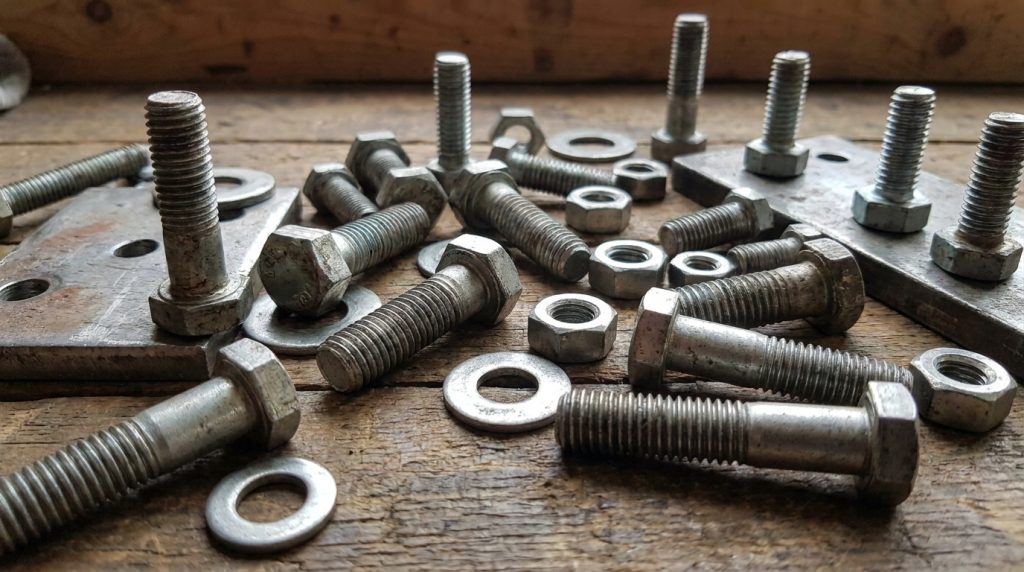
Hex Bolts Explained: Types, Grades & Applications
Hex bolts are externally threaded fasteners with a six-sided head designed to be tightened or loosened with a wrench, socket, or impact tool. They are among the most widely used industrial fasteners because they provide strong clamping force, easy installation, …
Read More
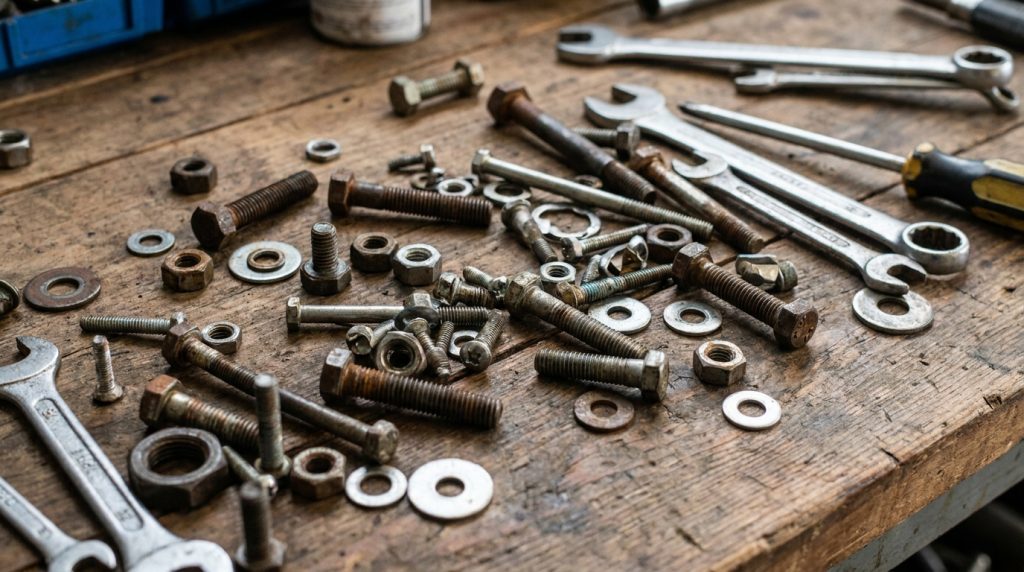
Metric vs SAE Fasteners: Which Should You Use?
Fastener selection affects fit, strength, serviceability, inventory costs, and field productivity. For contractors, maintenance teams, manufacturers, mechanics, and industrial buyers, the question “Metric vs SAE fasteners: which should you use?” is not just about thread size—it is about standards, equipment …
Read More
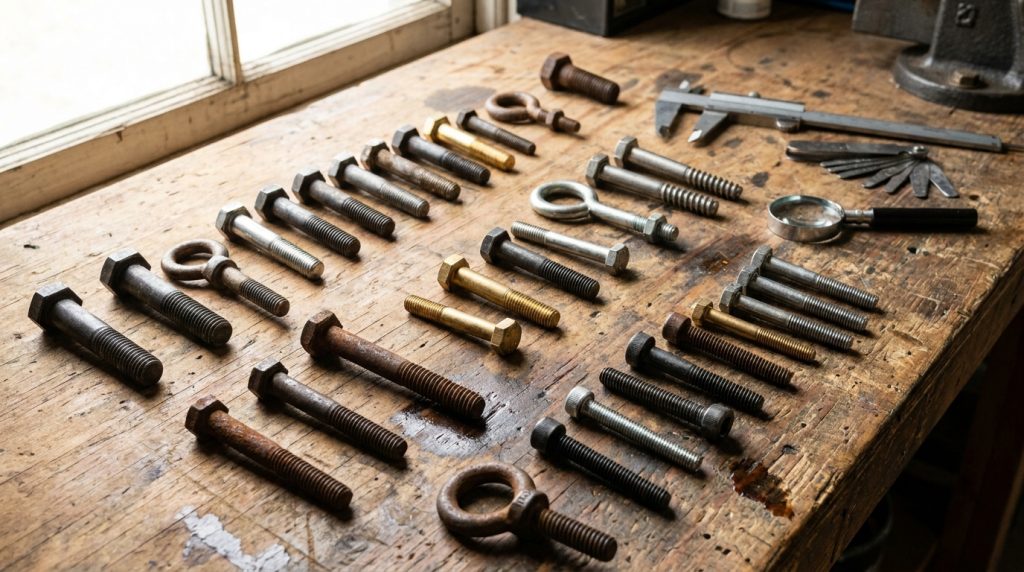
Bolt Identification Guide: Grades, Marks & Sizes
Choosing the wrong bolt can cause equipment downtime, failed inspections, joint loosening, corrosion problems, or serious safety risks. For contractors, maintenance professionals, mechanics, manufacturers, and industrial buyers, bolt identification is more than reading a number on a bolt head. It …
Read More

Nut Types Explained: Choosing the Right Fastener
Choosing the right nut is a small decision that can prevent big failures. Whether you are assembling structural steel, repairing heavy equipment, maintaining production machinery, building electrical supports, or specifying fasteners for manufactured products, the nut you select affects clamp …
Read More
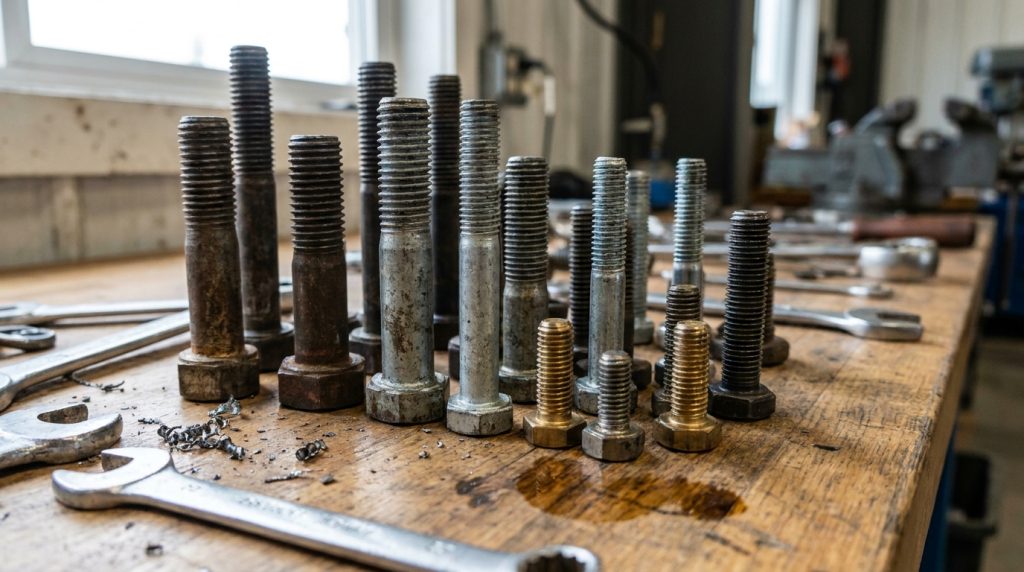
Grade 5 vs Grade 8 Bolts: What’s the Difference?
Choosing between Grade 5 and Grade 8 bolts is not just a matter of “stronger is better.” For contractors, mechanics, maintenance teams, manufacturers, and industrial buyers, the right fastener affects joint reliability, safety, service life, maintenance cost, and equipment uptime. …
Read More
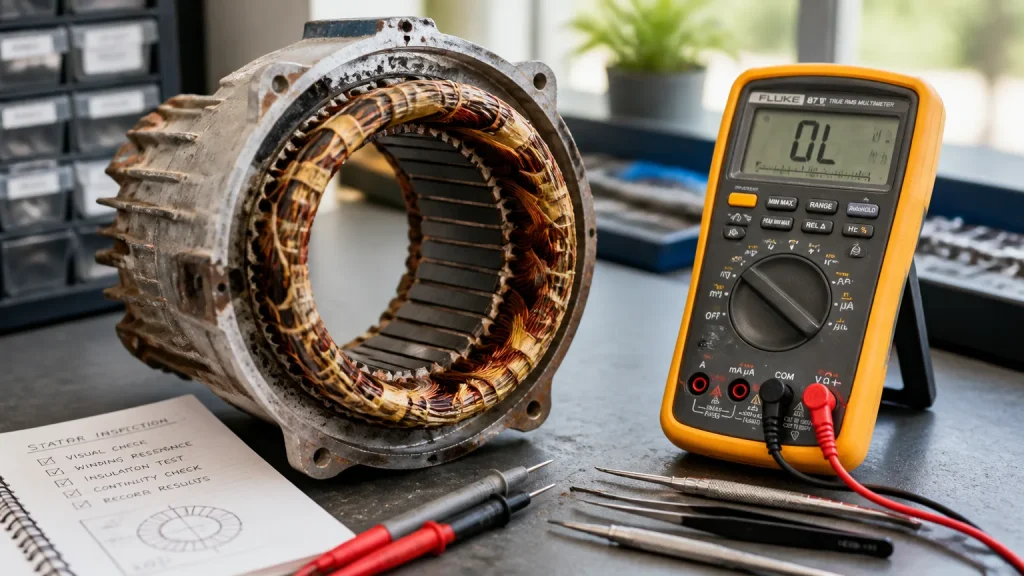
Essential Guide to Stator Inspection for Enhanced Longevity
Stator inspections are crucial for ensuring the longevity of your motors. Regular, thorough checks can catch issues before they escalate, preventing costly r...
Read More