
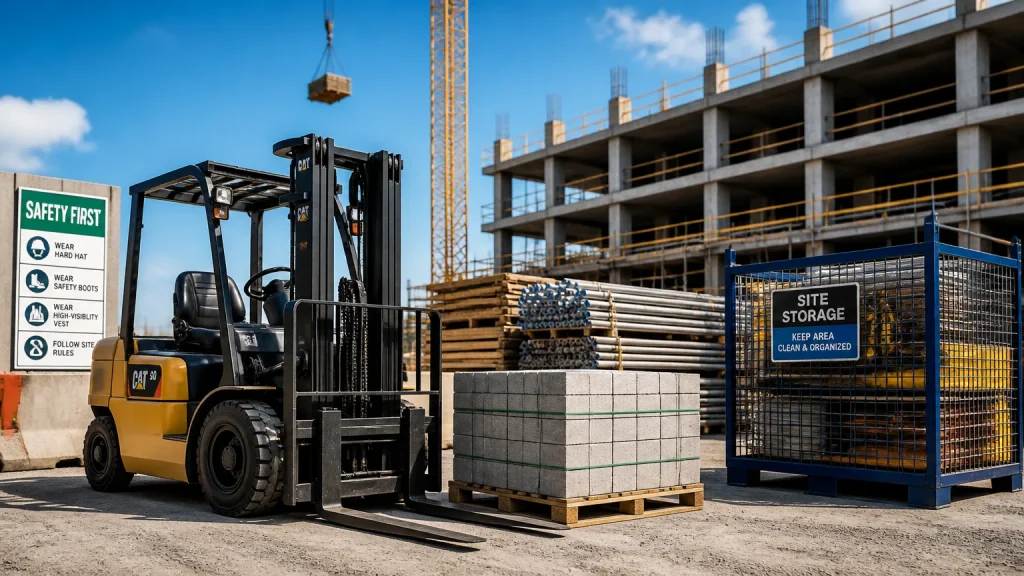
Material handling is a crucial aspect of any project, significantly influencing efficiency and timelines. For contractors and DIY enthusiasts, mastering material handling techniques can streamline operations and enhance productivity. In southern Michigan, where the construction landscape is competitive, understanding how to manage materials effectively can set you apart.
Efficient material handling minimizes delays and reduces waste. Common challenges, such as improper storage or inadequate tools, can slow down progress. However, with the right materials and techniques, these obstacles become manageable. Whether you’re lifting heavy equipment or organizing supplies, knowing how to handle materials can transform your workflow.
In this guide, we’ll explore practical strategies to optimize your material handling processes. You’ll learn how to select the right tools, like Contractor Grade Levels, Squares, and Lines, to ensure precision and efficiency. By implementing these tips, you’ll not only speed up your projects but also improve overall quality. Let’s delve into the world of material handling and unlock the potential for your next job.
1. Choosing the Right Equipment
Selecting the right equipment is crucial for effective material handling. Start with forklifts, ideal for lifting heavy loads over long distances. They come in various sizes, so consider your project’s scale. For smaller tasks, pallet jacks are a practical choice. They’re easy to maneuver and perfect for moving pallets in tight spaces.
Conveyors can streamline your workflow, especially in warehouses. They reduce manual lifting, saving time and energy. When choosing equipment, assess the type of materials you’ll be handling. Are they bulky or delicate? This will dictate your choice.
Safety features are non-negotiable. Look for equipment with built-in safety mechanisms to protect your team. Additionally, consider ease of use. Complex machinery can slow down productivity. Opt for user-friendly tools that your team can operate confidently.
2. Layout Optimization
Optimizing your layout is crucial for enhancing material flow and minimizing handling time on job sites. A well-organized space can significantly boost productivity and safety. Start by clearly defining work zones for different activities, such as staging, assembly, and storage.
Use techniques like color coding or labeling to identify tools and materials quickly. For instance, in warehouses, placing frequently used items closer to the work area reduces unnecessary trips. In construction, a linear layout often proves effective, allowing materials to flow smoothly from delivery to usage.
Consider the “U-shaped” layout, commonly used in manufacturing. This design facilitates movement and keeps everything within arm’s reach, minimizing downtime. By strategically arranging your workspace, you create an environment where your team can work efficiently and safely. Prioritize layout optimization, and watch your project timelines shrink.
3. Inventory Management Techniques
Effective inventory management is key to streamlined material handling. Implement strategies like Just-In-Time (JIT) and Lean Inventory to minimize waste and reduce costs. JIT focuses on receiving materials only as needed, which cuts down on storage expenses and lowers excess inventory risks.
Lean Inventory, on the other hand, emphasizes efficiency by reducing unnecessary stock levels. By keeping only what you need, you can free up space and resources for other crucial tasks.
Incorporating technology into your inventory management can significantly enhance tracking and reporting. Use software solutions that provide real-time inventory data. This helps you make informed decisions and react swiftly to project demands.
With these inventory techniques, you’ll not only boost efficiency but also improve your bottom line. Take control of your material handling processes and watch your productivity soar.
4. Training and Safety Protocols
Effective material handling starts with comprehensive training for your team. Equip your employees with the skills needed to operate machinery safely. This includes understanding the equipment, learning proper lifting techniques, and recognizing potential hazards. Invest in training programs that focus on hands-on practice and real-world scenarios.
Establishing clear safety protocols is essential. Create guidelines that outline procedures for equipment use, emergency response, and reporting incidents. Regular safety drills can reinforce these protocols and keep safety top of mind.
Encourage continuous education on evolving safety standards and technologies. Stay updated on industry best practices and ensure your team is aware of them. For example, knowing when to replace or repair equipment can prevent accidents and downtime. Familiarize your staff with the signs it’s time for industrial motor repair to maintain operational safety.
By prioritizing training and safety, you not only protect your workers but also enhance efficiency in your projects.
5. Maintenance Best Practices
Maintaining your material handling equipment is crucial for longevity and efficiency. Start with routine checks: inspect tools weekly for signs of wear. Create a maintenance schedule that includes lubricating moving parts and tightening bolts.
Identify worn or damaged equipment early to avoid unexpected failures. Look for frayed cables, rust, or unusual noises during operation. Addressing these issues promptly saves time and reduces costs.
Investing in quality tools pays off in the long run. High-quality equipment often requires less maintenance and performs better. For example, when considering repairs, refer to our guide on Motor Repair: When to Rewind, Repair, or Replace.
By following these best practices, you ensure your material handling processes run smoothly, enhancing overall project efficiency.
Conclusion: The Future of Material Handling
Efficient material handling is crucial for project success. It streamlines workflows, reduces costs, and boosts overall productivity. By adopting the strategies outlined in this guide, you can enhance your operations significantly. Implementing effective inventory techniques and optimizing your workspace layout are just the beginning.
As we look to the future, emerging trends in material handling will play an important role. Automation and smart technology are becoming essential. For instance, automated inventory systems can provide real-time data, helping you make quicker decisions. Staying ahead of these trends will keep you competitive in the ever-evolving market.
Don’t forget the importance of reliable power sources for your tools and equipment. Consider using Energizer Industrial Batteries: Bulk AA & 9V Power You Can Count On to ensure your operations run smoothly without interruptions.
Incorporate these insights into your projects. Start today, and watch your efficiency soar. Your success in material handling will translate into better project outcomes and satisfied clients.