
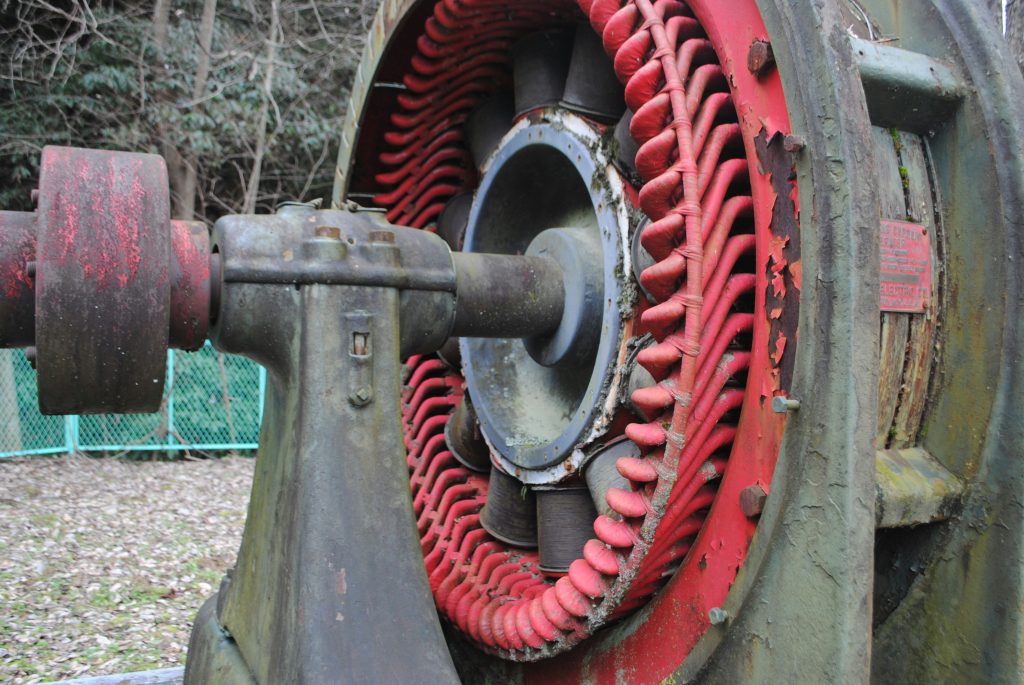
So, you’ve got electric motors powering your equipment. Great! They’re workhorses. But like any hard-working machine, they need a bit of TLC to keep them running smoothly and prevent costly breakdowns. The big question is, what’s actually essential? Forget the fluff; let’s get down to the practical, no-nonsense tips that’ll make a real difference.
Ultimately, essential electric motor maintenance boils down to a few key areas: keeping them clean, ensuring they’re properly lubricated, checking for physical issues, monitoring their performance, and addressing problems before they become disasters. It’s not rocket science, but it does require a bit of attention.
The Power of a Clean Motor: More Than Just Aesthetics
You might think cleaning is just about making things look nice, but for electric motors, it’s a crucial functional step. Dust, dirt, and grime aren’t just unsightly; they can actively work against your motor.
Battling Buildup: Why Dirt is the Enemy
- Heat Trapping: Electric motors generate heat as they operate. This heat needs to dissipate efficiently. A thick layer of dust on the motor’s housing, especially around cooling fins or fans, acts like a blanket, trapping heat. This overheating can lead to insulation breakdown, premature bearing failure, and even winding damage. It’s like trying to run a marathon in a wool sweater on a hot day – not a recipe for success.
- Abrasion and Wear: Small particles of dust and grit can act like sandpaper, especially in rotating parts like bearings and fan blades. Over time, this abrasive action can wear down critical components, leading to increased friction, noise, and eventual failure. Think about what happens to machinery in a dusty workshop compared to a clean environment.
- Electrical Conductivity: While many contaminants are non-conductive, some, like moisture mixed with dirt, can become conductive. This can create unintended electrical paths, leading to short circuits, corrosion, and damage to the motor’s electrical components. It’s a risk you don’t want to take.
Cleaning Techniques: Getting it Right
- Regular Visual Inspections: Before you even grab a cleaning tool, give your motor a good once-over. Look for obvious signs of dust accumulation, oil leaks (which can attract more dirt), or any other debris lodged in the motor. This simple step can highlight areas that need more attention.
- Compressed Air: Your First Line of Defense: For general dust removal, a blast of clean, dry compressed air is often your best friend. Aim it to blow the dust away from the motor, not deeper into it. Be mindful of static electricity; some recommend grounding yourself or the equipment, especially if working with sensitive electronics. If you don’t have compressed air, a soft brush can also be effective for lighter dust.
- Vacuuming for Finer Particles: For more stubborn dust or in environments where blowing dust might be an issue, a HEPA-filtered vacuum cleaner can be very effective. Use attachments to get into nooks and crannies.
- Wiping Down Surfaces: For grime that’s stuck on, a clean rag dampened with a mild, non-corrosive cleaner (check your motor’s manual for recommendations, but a general-purpose degreaser or even isopropyl alcohol can work for some applications) is appropriate. Crucially, ensure the motor is de-energized and completely dry before attempting any electrical component cleaning. Never spray cleaning fluids directly into the motor housing.
- Fan and Fin Care: Pay special attention to the cooling fins and fan. These are vital for heat dissipation. Ensure they are completely free of any obstruction. Sometimes, a more focused cleaning tool might be needed, like a stiff brush or even a putty knife for hardened deposits, but be gentle to avoid damaging the fins.
For those interested in enhancing their understanding of electric motor maintenance, a related article that provides valuable insights is available at this link: Mastering Warehouse Management: Essential Guide for Contractors and Manufacturers. This article not only covers essential practices for maintaining electric motors but also delves into broader warehouse management strategies that can improve operational efficiency and equipment longevity.
Lubrication: The Lifeblood of Your Motor’s Bearings
Bearings are the unsung heroes of electric motors, allowing those shafts to spin with minimal friction. Without proper lubrication, they’re toast. And replacing bearings isn’t always a quick or cheap job.
Understanding Bearing Types and Needs
- Ball Bearings vs. Roller Bearings: Most general-purpose electric motors use ball bearings, which are good for moderate loads and high speeds. Roller bearings are typically used for heavier loads. The type of bearing will influence the lubricant type and change interval.
- Sealed vs. Open Bearings: Many modern motors come with sealed-for-life bearings. These are packed with lubricant at the factory and are designed to operate without additional greasing for their expected lifespan. Tampering with these sealed bearings is generally not recommended and will likely void any warranty. If a sealed bearing fails, it’s usually a sign that the entire bearing needs replacement.
- Greaseable Bearings: Some larger or industrial motors will have grease fittings (zerks) that allow for periodic relubrication. This is where you have direct control over their longevity.
The How-To of Greasing: Less is Often More
- Choosing the Right Grease: This is critical. Not all greases are created equal. You need a grease that’s rated for the motor’s operating temperature, speed, and load. Using the wrong grease can actually cause more harm than good, leading to overheating or poor lubrication. Always consult your motor’s manual or the bearing manufacturer’s recommendations. Common choices include lithium-based greases, synthetic greases, or those with specific additives for high temperatures or extreme pressure.
- Cleanliness is Paramount: Before you even think about applying grease, ensure the area around the grease fitting is spotlessly clean. Dirt contaminating the grease is a direct route to bearing damage. Wipe down the zerk fitting thoroughly with a clean rag.
- The Right Amount: This is where people often go wrong. Over-greasing is a common and detrimental mistake. Too much grease can cause the bearings to run hotter because the excess grease has to be churned and displaced, generating friction. For most general-purpose motors with a single grease fitting, a few pumps of a standard grease gun is usually sufficient. A general rule of thumb for many common sizes is about 1-2 grams of grease per bearing, so a few small grinds of a typical lever-action grease gun. If you’re unsure, err on the side of too little rather than too much, especially the first few times.
- “Purging” Old Grease: Some maintenance philosophies advocate for purging old grease out of the bearing as you add new grease. This is achieved by continuing to pump grease until you see the old grease being expelled from the bearing seals. However, on many smaller motors, this can be difficult to achieve without overfilling. For motors with multiple bearings or where purging is not clearly defined in the manual, focus on applying the correct amount of fresh grease to maintain adequate lubrication.
- Regularity: Establish a greasing schedule based on the motor’s operating environment, load, and duty cycle. Consult your motor’s manual for recommended intervals. If the motor operates in a very dusty or hot environment, you might need to grease more frequently than in a clean, cool setting.
The Eyes and Ears of Maintenance: Inspections and Monitoring
Don’t wait for the motor to sputter and die. Proactive inspection and monitoring can catch problems in their infancy.
Listening to Your Motor: The Sound of Trouble
- Unusual Noises: A healthy motor typically runs with a consistent, low hum. Any new sounds like grinding, whining, knocking, or excessive rattling are red flags.
- Grinding/Screeching: Often indicates bearing wear or damage.
- Whining: Can sometimes point to electrical issues or improper alignment.
- Knocking: Might suggest loose components or severe imbalance.
- Rattling: Could be a loose fan cover, mounting bolts, or internal components.
- When to Investigate: If you hear a new sound, try to pinpoint its origin. Listen closely with a stethoscope or a long screwdriver placed carefully against the motor housing (keeping it away from rotating parts!). If the sound is consistent and concerning, it warrants a closer look.
Feeling the Heat: Temperature Monitoring
- Tactile Check: A motor housing should be warm to the touch, but not excessively hot. If you find a motor that’s too hot to comfortably hold, it’s a serious problem.
- Infrared Thermometers: For a more precise and safe measurement without direct contact, an infrared thermometer is an invaluable tool. You can periodically scan the motor housing, especially around bearings and electrical connections, to detect abnormal hot spots.
- Spotting Hot Spots: A significant temperature difference between different parts of the motor, or a consistent rise in temperature over time, can indicate issues like overloaded windings, bearing friction, or poor ventilation.
- Establishing Baselines: Get into the habit of checking motor temperatures when they are running normally. This gives you a baseline to compare against. If a previously cool motor suddenly starts running significantly hotter, you know something has changed.
Visual Clues: What to Look For Beyond Dirt
- Vibration: Excessive vibration can lead to component fatigue and premature failure. While some vibration is normal, a noticeable increase or change in its nature (e.g., becoming more erratic) suggests a problem.
- Causes of Vibration: Imbalance in rotating parts (fan, rotor), misalignment between the motor and the driven equipment, worn bearings, or loose mounting bolts.
- Corrosion: Look for signs of rust or corrosion on the motor housing, shaft, or electrical connections. This can be caused by moisture and can lead to electrical issues and mechanical weakness.
- Damaged Enclosures: Check for any dents, cracks, or damage to the motor enclosure, particularly the fan cover. Damaged enclosures can compromise protection against dust, moisture, and physical impact, and can also hinder cooling.
Electrical Connections: The Unseen Vulnerabilities
The electrical side of motor maintenance is often overlooked, but it’s where many sudden failures originate.
Tightening Up: The Importance of Secure Connections
- Loose Connections Overheat: Just like a faulty electrical plug in your home, loose connections on an electric motor generate resistance, which leads to heat. This heat can melt insulation, damage terminals, and eventually cause a catastrophic failure.
- Frequency of Checks: Depending on the environment and applications, electrical connections should be inspected and tightened periodically. In highly vibrating environments, this might be more frequent.
- Safety First: Always de-energize the motor and lock out/tag out procedures before touching any electrical connections. Ensure you have the proper tools and knowledge to work with electrical components. If you’re not comfortable, leave it to a qualified electrician.
Wires and Insulation: Looking for Wear and Tear
- Fraying or Damaged Wires: Inspect power cables and internal motor wiring for any signs of fraying, cuts, nicks, or abrasion. These can expose conductors, leading to short circuits or electrical shocks.
- Insulation Breakdown: Over time, insulation can become brittle and crack, especially from exposure to heat or chemicals. Look for darkened or discolored insulation, which can indicate overheating.
- Proper Support: Ensure wires are properly supported and not subject to excessive flexing or rubbing. Use cable ties or conduit where appropriate to keep them organized and protected.
Proper maintenance of electric motors is crucial for ensuring their longevity and efficiency. One important aspect of this maintenance is understanding the testing methods that can help identify potential issues before they become serious problems. For a deeper insight into these testing techniques, you can refer to a related article that discusses motor testing basics, including Megger tests and vibration analysis. This resource provides valuable information that can enhance your knowledge of electric motor upkeep. You can read more about it in this article on motor testing basics.
Addressing Issues Promptly: The “Fix It Now” Mentality
This is perhaps the most critical aspect of essential maintenance. Don’t let small problems fester.
The Cost of Delay: Why Waiting is Expensive
- Cascading Failures: A minor issue, like a noisy bearing, can escalate quickly. If left unaddressed, the bearing can seize, damaging the shaft and potentially the windings. This transforms a relatively simple bearing replacement into a much more complex and expensive motor repair or even replacement.
- Downtime Costs: A motor failure means the equipment it powers stops working. The cost of lost production, missed deadlines, and emergency repair services can far outweigh the cost of proactive maintenance.
- Safety Risks: As mentioned, unresolved issues can create safety hazards, such as overheating leading to fire risks or exposed electrical components causing shocks.
Developing a Preventive Maintenance Schedule
- Tailored to Your Equipment: There’s no one-size-fits-all schedule. Your maintenance intervals should be based on:
- Manufacturer Recommendations: Always start with the motor’s user manual.
- Operating Environment: Harsh conditions (dusty, humid, hot, corrosive) necessitate more frequent checks.
- Duty Cycle: Motors that run continuously or under heavy load will require more attention than those that operate intermittently.
- Criticality of the Motor: If a motor failure will shut down your entire operation, you’ll want to be extra diligent with its maintenance.
- Record Keeping: Keep a log of maintenance activities, inspections, and any findings. This helps you track trends, identify recurring issues, and refine your schedule. It also provides valuable information if you need to troubleshoot a problem later.
- Training Your Team: Ensure the individuals responsible for motor maintenance are properly trained on the specific equipment and the maintenance procedures. Knowledge is power when it comes to preventing problems.
By focusing on these practical steps—keeping things clean, ensuring proper lubrication, staying vigilant with inspections, securing electrical connections, and acting swiftly when issues arise—you’ll go a long way in keeping your electric motors running reliably for years to come. It’s about working smarter, not just harder, when it comes to your essential equipment.
FAQs
What is electric motor maintenance?
Electric motor maintenance refers to the regular upkeep and servicing of electric motors to ensure they continue to operate efficiently and safely. This can include tasks such as cleaning, lubrication, inspection, and repair.
Why is electric motor maintenance important?
Regular maintenance of electric motors is important to prevent breakdowns, extend the lifespan of the motor, and ensure it operates at peak efficiency. Proper maintenance can also help to identify and address potential issues before they become major problems.
What are some common maintenance tasks for electric motors?
Common maintenance tasks for electric motors include cleaning the motor and its components, checking and replacing lubricants, inspecting for wear and damage, testing electrical connections, and calibrating the motor as needed.
How often should electric motors be maintained?
The frequency of maintenance for electric motors can vary depending on factors such as the type of motor, its usage, and the operating environment. However, as a general guideline, electric motors should be inspected and serviced at least annually, with more frequent maintenance for motors in harsh or high-demand applications.
What are the benefits of regular electric motor maintenance?
Regular maintenance of electric motors can result in benefits such as improved energy efficiency, reduced downtime due to breakdowns, extended motor lifespan, and improved safety for both the motor and its operators. Additionally, proper maintenance can help to identify and address potential issues before they become major problems.