
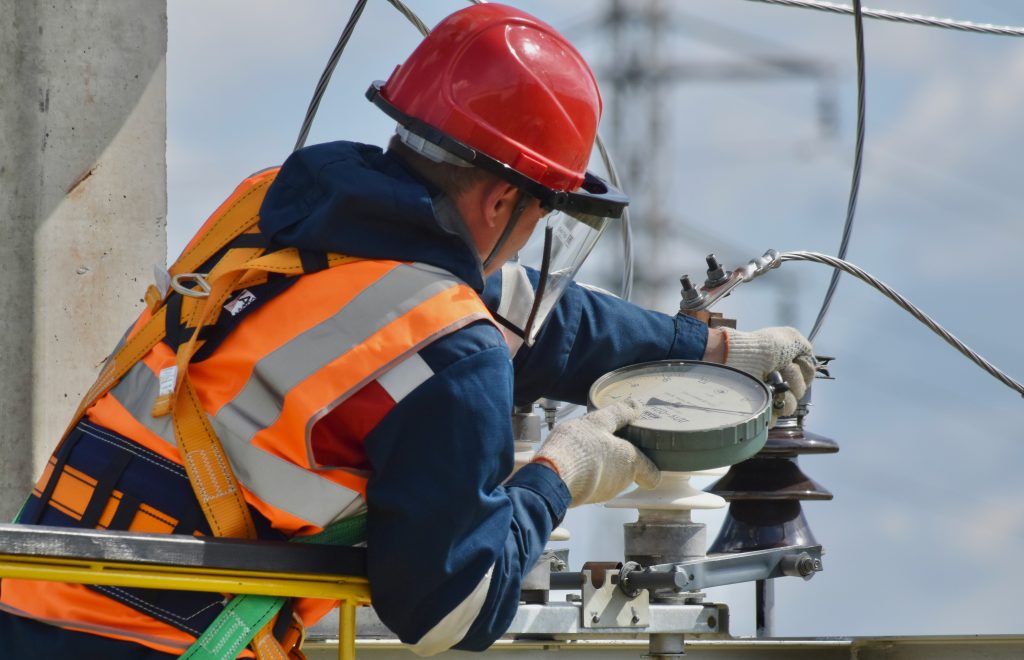
When it comes to keeping your electric motors running smoothly and efficiently, the stator is a big deal. Simply put, regular inspection of your stator is crucial for maintaining its efficiency. Overlooking this step can lead to a host of problems, from increased energy consumption to complete motor failure. Think of it like a routine check-up for your car; you want to catch small issues before they become expensive breakdowns.
You might be wondering why we’re focusing so much on the stator. Well, it’s essentially the heart of your electric motor. It’s the stationary part that contains the windings, and its job is to create a rotating magnetic field. This field then interacts with the rotor, causing the motor to turn.
Energy Consumption Impacts Everything
An inefficient stator means your motor is using more electricity than it needs to, just to do its job. This translates directly to higher utility bills. In industrial settings, where you might have dozens or hundreds of motors running, those inefficiencies add up fast, eating into your bottom line. Beyond the cost, excessive energy consumption has environmental implications; it adds to your carbon footprint.
Longevity and Reliability of Your Equipment
When a stator isn’t working at its best, it puts extra strain on other motor components. This can lead to premature wear and tear, shortening the overall lifespan of your motor. Nobody wants unexpected downtime or the expense of replacing equipment sooner than anticipated. Reliable equipment is productive equipment, and a healthy stator is a cornerstone of that reliability.
For those interested in the intricacies of stator inspection, a related article can provide valuable insights into the best practices and techniques used in the industry. You can explore more about this topic in detail by visiting this link: Industrial Equipment and Supplies. This resource offers a comprehensive overview of various industrial equipment, including essential tools for effective stator inspection.
Common Stator Problems You’ll Encounter
Knowing what to look for is half the battle. Stators are robust, but they’re not indestructible. There are several common issues that can creep up and start chipping away at their efficiency.
Insulation Breakdown: The Silent Killer
The insulation around the stator windings is absolutely critical. It prevents the electrical current from taking shortcuts and causing short circuits. Over time, due to heat, vibration, or even just old age, this insulation can degrade.
Causes of Insulation Degradation
- Thermal Stress: High operating temperatures are a major culprit. Every 10°C increase in operating temperature can halve the life of the insulation.
- Vibration: Constant shaking and rattling can cause the insulation to rub and fray.
- Contamination: Dirt, oil, moisture, and chemicals can all attack and weaken insulation material.
- Electrical Stress: Voltage spikes or overloads can put immense stress on the insulation, leading to premature failure.
How it Affects Efficiency
When insulation breaks down, you start getting leakage currents or even phase-to-phase shorts. This means electricity isn’t flowing where it’s supposed to, and a significant portion of the energy is being wasted as heat or simply not contributing to the magnetic field. It’s like having a leaky garden hose – a lot of water goes to waste before it ever reaches your plants.
Winding Damage: Physical Manifestations
Beyond insulation, the actual copper windings themselves can suffer damage. This can be more visually obvious than insulation degradation, but it’s equally problematic.
Physical Chafing and Abrasion
Constant movement or vibration can cause the windings to rub against the stator core or other parts of the motor. This can wear away the insulation and even the copper itself.
Overheating and Discoloration
If a stator runs too hot for too long, the insulation can turn brittle, crack, and even char. The copper windings themselves might show signs of discoloration (darkening or turning black), indicating severe overheating. This is a clear red flag.
Shorted Turns
A shorted turn occurs when the insulation between two adjacent turns of a coil breaks down, allowing current to bypass part of the winding. This reduces the number of active turns, creating an imbalance in the magnetic field and leading to increased current in the remaining turns, which in turn generates more heat.
Core Lamination Issues: The Foundation Problem
The stator core is made up of thin, insulated steel laminations pressed together. This construction is designed to minimize eddy current losses, which are unwanted currents that generate heat.
Common Causes of Damage
- Mechanical Stress: Impact, mishandling, or even severe vibration can damage the core laminations, causing them to delaminate or short circuit.
- Overheating: Prolonged excessive heat can break down the inter-laminar insulation, allowing eddy currents to flow more freely.
Impact on Efficiency
When laminations short circuit, eddy currents increase dramatically. This generates a lot of unnecessary heat within the stator core, wasting energy and contributing to overall motor overheating. It’s like trying to run an engine with a leaky radiator – a lot of valuable energy is just turning into heat.
The Inspection Process: What to Look For and How
A thorough stator inspection doesn’t have to be complicated, but it does require attention to detail. It’s about combining visual checks with some basic testing.
Visual Inspection: Your First Line of Defense
Before you even think about complex tests, a good visual once-over can tell you a lot. This should be done routinely, often as part of a larger motor maintenance schedule.
Signs of Overheating
- Discoloration: Look for any darkening or charring of the windings or insulation. Even a slight browning can indicate past thermal stress.
- Brittleness/Cracking: Insulation that’s no longer pliable but instead flakes or cracks easily is a strong indicator of heat damage.
- Melted Varnish: If the insulating varnish appears melted or gummy, it’s a sure sign of excessive temperatures.
Evidence of Contamination
- Dirt and Dust Buildup: While motors accumulate dust, excessive buildup, especially within the winding grooves, can impede cooling and even trap moisture.
- Oil and Grease: Oil or grease can degrade insulation over time. Look for any oily residue on or around the windings.
- Moisture: Water ingress is a major enemy of stator insulation. Look for rust, corrosion, or water marks.
Physical Damage
- Chafed or Frayed Windings: Look for any areas where the winding insulation appears worn down or frayed, especially where wires might rub against the core or other components.
- Loose Connections: While primarily for the terminal block, sometimes winding extensions can become loose, leading to arcing and localized heating.
- Evidence of Vibration: Look for wear patterns or polish marks where components might have been rubbing against each other due to excessive vibration.
Electrical Testing: Digging Deeper
Visuals give you clues, but electrical tests confirm your suspicions and can uncover problems not visible to the naked eye. These tests often require specialized equipment.
Insulation Resistance (Megger Test)
This is a fundamental test that measures the integrity of the insulation between the windings and ground, and sometimes between phases. A low insulation resistance reading indicates insulation breakdown.
- How it Works: A DC voltage (e.g., 500V, 1000V) is applied across the insulation, and the resulting current is measured to calculate resistance.
- What it Tells You: It identifies insulation degradation, moisture ingress, and contamination. It’s a go/no-go test for safety and basic insulation health.
Winding Resistance Test
This measures the resistance of each stator winding. All three phases in a three-phase motor should have very similar resistance values.
- How it Works: A low-voltage, high-current source is used to measure the resistance of each phase.
- What it Tells You: Significant differences between phases can indicate poor connections, partial shorts, or damage to the winding conductor itself. This is critical for balance.
Surge Test
This is a more advanced test that applies a high-voltage pulse to detect insulation weaknesses between turns within a single coil. It can identify early signs of turn-to-turn shorts before they become catastrophic.
- How it Works: Compares the voltage waveform response of one phase to another when a high-voltage surge is applied.
- What it Tells You: It’s excellent for detecting turn-to-turn insulation faults, which are often not found by megger or winding resistance tests alone.
Partial Discharge (PD) Testing
For high-voltage motors (typically 3.3kV and above), partial discharge testing is a non-destructive method for detecting localized breakdowns in the insulation system. These tiny electrical discharges indicate insulation defects that haven’t yet led to full breakdown.
- How it Works: Detects small electrical discharges that occur in voids or imperfections within the insulation under electrical stress.
- What it Tells You: Provides early warning of insulation degradation, allowing for proactive maintenance before catastrophic failure.
Planning Your Inspection Schedule
Regularity is key to effective maintenance. An inspection that happens only after a problem surfaces isn’t really “preventive.”
Routine Checks During Operation
- Temperature Monitoring: Regularly check motor surface temperatures, either by hand or with an infrared thermometer. Unusually hot spots can indicate problems.
- Vibration Analysis: If your facility uses vibration monitoring, ensure it’s set up to detect anomalies that could point to stator issues.
- Current Monitoring: Keep an eye on the motor’s operating current. Sudden increases without a corresponding load change can signal stator problems.
Scheduled Downtime Inspections
- Annual Visual Inspection: At least once a year, when equipment can be safely de-energized, perform a thorough visual check of the stator.
- Periodic Electrical Testing: Insulation resistance tests should be done annually or every few years, depending on the motor’s criticality and operating environment. More advanced tests like surge testing might be done less frequently (e.g., every 3-5 years) or when specific issues are suspected.
Post-Repair or Overhaul Inspection
Any time a motor has been serviced or repaired, especially if the stator was exposed, it’s a good practice to perform a full inspection and testing regimen before putting it back into service. This ensures the repair was successful and didn’t introduce new issues.
Stator inspection is a crucial process in maintaining the efficiency and longevity of electric motors. For those interested in understanding the factors that influence the costs associated with motor maintenance, a related article provides valuable insights into the various elements that drive pricing. You can explore this further in the article about motor rewind costs, which discusses how different aspects of motor service can impact overall expenses. For more information, visit motor rewind costs.
The Payoff: Benefits of a Proactive Approach
Investing time and effort into stator inspection isn’t just about avoiding problems; it brings tangible benefits to your operations.
Reduced Downtime and Production Losses
This is perhaps the most immediate and impactful benefit. By catching stator issues early, you can schedule maintenance when it’s convenient, rather than suffering an unexpected breakdown that halts production. Unplanned downtime costs money, creates scheduling headaches, and can impact customer commitments.
Lower Maintenance and Repair Costs
Preventive maintenance is almost always cheaper than reactive repairs. A small insulation fix is far less expensive than a complete stator rewind or motor replacement. Early detection often means smaller, less complex repairs.
Extended Motor Lifespan
By addressing issues like overheating or contamination promptly, you protect the stator and, by extension, the entire motor from accelerated wear and degradation. This means your motors last longer, delaying the need for costly replacements.
Improved Energy Efficiency
An efficient stator means an efficient motor. By ensuring your stator is in top condition, you minimize electrical losses and ensure your motors are converting electricity into mechanical work as effectively as possible. This directly impacts your energy bills and contributes to a more sustainable operation.
In summary, neglecting your stator is a costly mistake. Regular, systematic inspections – combining visual checks with appropriate electrical testing – are a practical and highly effective way to keep your electric motors running efficiently, reliably, and for a long time. It’s an investment that reliably pays for itself, often many times over.
FAQs
What is stator inspection?
Stator inspection is the process of examining the stator, which is a stationary part of an electric motor or generator, to ensure it is in good working condition.
Why is stator inspection important?
Stator inspection is important to identify any potential issues or damage that could affect the performance and efficiency of the electric motor or generator.
What are the common methods used for stator inspection?
Common methods for stator inspection include visual inspection, electrical testing, vibration analysis, and thermal imaging.
When should stator inspection be performed?
Stator inspection should be performed regularly as part of a preventive maintenance program, and also whenever there are signs of abnormal operation or performance issues.
What are the potential consequences of neglecting stator inspection?
Neglecting stator inspection can lead to increased risk of equipment failure, decreased efficiency, and higher maintenance costs.