
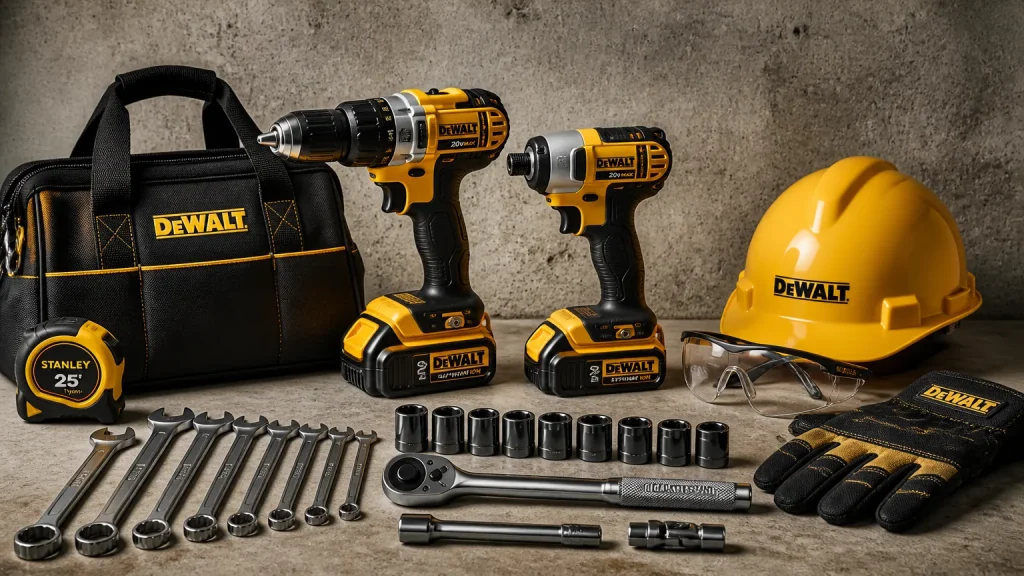
Industrial equipment and supplies help contractors complete projects safely, efficiently, and on schedule.
Need help finding the right products for your application? Call (517) 278-2611 to speak with our team today.
Request a Quote for Industrial Equipment and Supplies
Finding the right industrial equipment and supplies doesn’t have to be complicated. Whether you need replacement parts, contractor tools, material handling equipment, or industrial components, our team can help identify the best solution for your application.
We work with contractors, maintenance teams, manufacturers, and industrial facilities throughout Southern Michigan and beyond. Tell us about your project, and we’ll provide recommendations, pricing, and availability.
Complete the form below or call (517) 278-2611 to get started.
For workplace safety guidance and equipment best practices, visit the Occupational Safety and Health Administration (OSHA).
1. Essential Tools: Pliers and Their Varieties
Pliers are indispensable for any contractor. They come in various types, each designed for specific tasks. Having the right pliers can significantly enhance efficiency and precision on the job site.
Start with slip-joint pliers. These versatile tools adjust to multiple sizes, making them ideal for gripping nuts and bolts. Needle-nose pliers are perfect for reaching tight spaces, allowing for detailed work in cramped areas. For cutting tasks, lineman’s pliers provide the strength needed to handle thicker wires and materials.
Investing in professional-grade options ensures durability and performance. High-quality pliers can withstand heavy use, minimizing the need for frequent replacements. For a deeper dive into the different types and uses of pliers, check out our guide on Pliers: Types, Uses, and the Best Options for Every Job.
Incorporating these essential tools into your toolkit will empower you to tackle a variety of tasks with confidence.
2. The Role of Air Compressors in Modern Contracting
Air compressors are vital tools in the contracting world. They power a variety of equipment, making tasks quicker and easier. Common applications include operating nail guns, spray guns, and impact wrenches. These tools enhance efficiency, allowing contractors to complete jobs faster and with better precision.
Choosing the right air compressor is crucial. Consider factors like tank size, pressure output, and portability. A compressor with a larger tank can handle more demanding tasks, while a compact model may be ideal for smaller projects.
Understanding the specific needs of your job will guide your choice. For more insights on selecting the perfect compressor, check out our guide, Powering Productivity: Your Guide to Air Compressors. With the right equipment, you can boost productivity and tackle any project with confidence.
3. Managing Indoor Climate with Industrial Fans
Proper ventilation is crucial in any workspace. It enhances air quality and boosts work efficiency. Industrial fans are essential tools for maintaining a comfortable indoor climate in warehouses and job sites. They help circulate air, reduce humidity, and keep temperatures in check.
There are various types of industrial fans to consider. High-velocity fans are great for large spaces, while exhaust fans effectively remove stale air and contaminants. Wall-mounted fans save floor space and are ideal for tight areas. Each type serves a specific purpose and can be selected based on your workspace needs.
Regular maintenance is key to keeping fans running smoothly. Dust and debris can accumulate, reducing efficiency. Clean the blades and check for any obstructions monthly. Additionally, ensure that all electrical components are in good condition to avoid unexpected downtime.
By investing in the right industrial fans and maintaining them properly, you can create a safer, more productive work environment.
4. Choosing the Right Cutting Tools for Precision
Selecting the right cutting tools is crucial for achieving precision in your projects. Understanding the differences between cutting wheels and cutoff wheels can significantly impact your work quality. Cutting wheels are typically used for slicing through materials, while cutoff wheels are designed for making precise cuts in metal and other hard materials.
One common mistake contractors make is opting for cheaper tools. While they might save you money upfront, low-quality cutting tools can lead to frequent replacements and poor performance. This can ultimately cost more in the long run. For more insights, check out our article on Why Cheap Grinding Discs Cost More in the Long Run.
Investing in high-quality cutting tools not only ensures longevity but also enhances safety on the job. Proper tools lead to cleaner cuts and reduce the risk of accidents. Always choose the right tool for your specific task to maintain precision and efficiency in your work.
5. Efficient Use of Measuring Tools: The Tape Measure
Choosing the right tape measure is vital for accuracy on the job. Key specifications like blade width and standout distance directly impact usability. A wider blade offers better visibility, while a longer standout allows you to measure without assistance.
For contractors frequently working alone, a tape measure with a standout of at least 10 feet is ideal. This feature helps you take measurements without needing someone to hold the end. Additionally, consider tape measures that feature markings for both inches and metric measurements for versatility on different projects.
Understanding accuracy classes can also enhance your precision. For a deeper dive into these specifications, check out our guide on Tape Measures: Standout, Blade Width, and Accuracy Classes Explained.
Invest in a quality tape measure that meets your specific needs. It’s an essential part of your industrial equipment and supplies toolkit.
Wrapping Up: The Right Equipment for Success
Choosing the right industrial equipment and supplies is crucial for contractors. Proper selection boosts efficiency and enhances the quality of your work. Take a proactive approach—invest time in understanding your needs and matching them with the right tools.
Quality equipment may have a higher upfront cost, but it pays off in the long run. Durable tools reduce the frequency of replacements and maintenance costs. This investment leads to smoother projects and satisfied clients.
In the end, the right tools empower you to take on any challenge confidently. Make informed choices today for a more productive tomorrow.
Frequently Asked Questions About Industrial Equipment and Supplies
What are industrial equipment and supplies?
Industrial equipment and supplies include the tools, machinery, safety products, and maintenance items used in construction, manufacturing, warehousing, agriculture, and industrial facilities. Common examples include hand tools, air compressors, industrial fans, measuring devices, cutting tools, bearings, motors, and power transmission components.
How do I choose the right industrial equipment and supplies for my project?
The best industrial equipment and supplies depend on your application, operating environment, workload, and performance requirements. Factors such as durability, safety, efficiency, and compatibility should all be considered before making a purchase. Our team can help you identify the best solution for your specific needs.
Why is investing in quality industrial equipment and supplies important?
High-quality industrial equipment and supplies typically last longer, perform more reliably, and reduce downtime. While premium products may have a higher upfront cost, they often lower long-term maintenance expenses and replacement costs.
Can industrial equipment and supplies improve workplace safety?
Yes. Properly selected industrial equipment and supplies help reduce workplace hazards, improve operational efficiency, and support safer working conditions. Using the correct tools and equipment for each application can help prevent accidents and equipment failures.
Do you help businesses source hard-to-find industrial equipment and supplies?
Yes. We regularly assist contractors, maintenance departments, manufacturers, and industrial facilities in locating hard-to-find industrial equipment and supplies. If you’re having trouble finding a specific product or replacement component, contact our team for assistance.
How can I get a quote for industrial equipment and supplies?
You can request a quote by completing the contact form on this page or calling (517) 278-2611. Our team will review your requirements and provide recommendations, pricing, and availability for the industrial equipment and supplies you need.