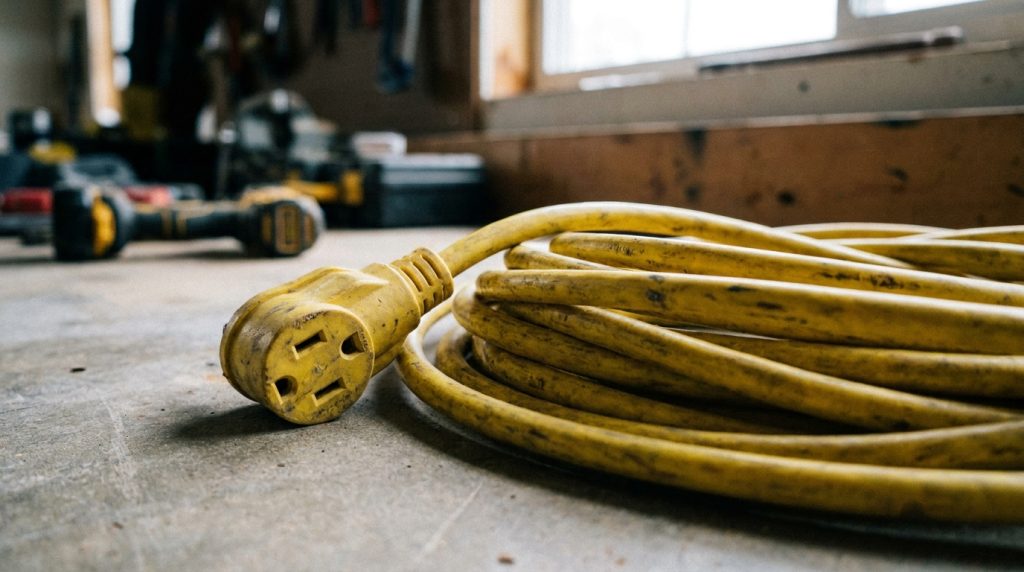
When the power goes out, a generator can feel like a blessing. It may keep the refrigerator running, charge phones, power medical equipment, or bring light into a dark home. In those moments, a simple extension cord can become an important tool of care.
In Bhakti Yoga, we learn that practical life and spiritual life are not separate. The word bhakti means loving devotion—offering our thoughts, words, actions, and responsibilities to God with a sincere heart. Even something as ordinary as choosing the right generator extension cord can become an act of service when we do it thoughtfully, safely, and for the wellbeing of our family, neighbors, and community.
The Bhagavad-gītā teaches that we can spiritualize our daily work by offering it with devotion. Krishna says, “Whatever you do, whatever you offer or give away, do that as an offering to Me” (Bhagavad-gītā 9.27). In a practical sense, this means we can approach even emergency preparation with humility, responsibility, and love.
This generator extension cord guide will help you understand what type of cord you need, how to choose the correct size, how to avoid common dangers, and how to use your generator in a way that protects life.
If you’re looking to enhance your understanding of electrical tools and accessories, you might find the article on heat guns particularly useful. Heat guns are versatile tools that can be used for various applications, from stripping paint to thawing frozen pipes. To learn more about their features and uses, check out this informative guide on heat guns at CEM Industrial Supply.
Why the Right Generator Extension Cord Matters
A generator produces electricity, but electricity must travel safely from the generator to the devices you want to power. The extension cord is the pathway. If that pathway is too small, too long, damaged, or not designed for outdoor use, it can overheat, melt, spark, or create a fire hazard.
Choosing the right generator extension cord is not just about convenience. It is about safety.
A Generator Cord Carries Heavy Electrical Load
Many household extension cords are made for light use, such as lamps, phone chargers, or small appliances. A generator extension cord often carries much more power. It may need to support refrigerators, heaters, sump pumps, freezers, tools, or multiple devices at once.
This is why generator cords are usually thicker, heavier, and rated for outdoor use.
A Poor Cord Can Damage Appliances
If a cord is too thin or too long, it may cause voltage drop. Voltage drop means your appliance does not receive enough power. This can make motors run hotter, reduce efficiency, and potentially damage sensitive equipment.
Refrigerators, freezers, pumps, and power tools can be especially affected.
Safety Is an Act of Care
In Bhakti, service is called seva. Seva means loving service offered to God and others. Preparing safely for a storm, outage, or emergency can be seva when our intention is to protect life and reduce suffering.
Using the right generator extension cord is one simple way to serve those around us.
Understanding Generator Extension Cord Basics
Before buying or using a cord, it helps to understand a few common terms. You do not need to be an electrician to learn the basics, but you should always follow your generator manual and consult a qualified electrician for complex setups.
Gauge: The Thickness of the Wire
Extension cords are often labeled by “gauge,” such as 10-gauge, 12-gauge, or 14-gauge. Gauge refers to the thickness of the wire inside the cord.
A smaller gauge number means a thicker wire.
For example:
- 10-gauge wire is thicker than 12-gauge wire.
- 12-gauge wire is thicker than 14-gauge wire.
- Thicker wire can usually carry more electrical current safely.
For generators, a 10-gauge or 12-gauge extension cord is commonly recommended, depending on the load and cord length. A 14-gauge cord may be acceptable only for lighter loads and shorter distances, but it is often not enough for heavier generator use.
Amps: How Much Current the Cord Can Carry
Amps, or amperes, measure electrical current. Every extension cord has an amperage rating. This tells you how much current the cord can safely handle.
Common ratings may include:
- 15 amps
- 20 amps
- 30 amps
- 50 amps
If your generator outlet provides 30 amps, you need a generator cord rated for 30 amps. Do not connect a high-amperage generator outlet to a low-rated cord.
Watts: The Power Your Appliances Need
Watts measure electrical power. To choose the right generator extension cord, you need to know how many watts your appliances use.
The basic formula is:
Watts = Volts × Amps
In many homes, standard outlets are 120 volts. So a 15-amp tool or appliance may use up to about 1,800 watts.
A generator may advertise running watts and starting watts:
- Running watts are the steady watts needed to keep something operating.
- Starting watts are the extra surge needed to start motors, such as refrigerators or pumps.
Always plan for starting watts, especially with motor-driven appliances.
Length: Longer Cords Can Lose Power
The longer the extension cord, the more resistance the electricity faces. This can cause voltage drop. A long, thin cord is especially problematic.
As a general rule:
- Use the shortest cord that safely reaches.
- Choose a thicker gauge for longer distances.
- Avoid connecting multiple extension cords together.
If you must run power farther from the generator, consider a heavier gauge cord.
Please check out our latest article at https://cemindustrialsupply.com/news/ for more information.
How to Choose the Best Generator Extension Cord
The best generator extension cord is the one that safely matches your generator, your appliances, your distance, and your environment.
Choose an Outdoor-Rated Cord
Generators should be used outdoors because they produce carbon monoxide, a deadly gas that cannot be seen or smelled. Since generators must stay outside, your extension cord must be outdoor-rated.
Look for labels such as:
- Outdoor use
- Weather-resistant
- SJTW, SJEOW, or similar jacket ratings
- Water-resistant insulation
- Heavy-duty construction
An indoor cord should never be used as your main generator extension cord outdoors, especially in wet conditions.
Match the Cord to the Generator Outlet
Generators may have different outlet types, including:
- Standard 120V household-style outlets
- 120V/240V twist-lock outlets
- 30-amp outlets
- 50-amp outlets
A standard extension cord may work for smaller loads from a 120V outlet, but larger setups often require a specific generator power cord with a twist-lock plug.
Twist-lock plugs are designed to stay securely connected, which is helpful outdoors or during emergency use.
Check the Cord’s Amp Rating
Your cord’s amp rating should be equal to or higher than the expected load. If your appliance load requires 20 amps, do not use a 15-amp cord.
If your generator has a 30-amp outlet, use a 30-amp generator cord designed for that purpose. For large portable generators connected through a transfer switch or inlet box, a 30-amp or 50-amp generator cord may be required.
Consider a 10-Gauge Extension Cord for Heavy Loads
A 10-gauge generator extension cord is a common choice for heavier loads and longer runs. It is thicker, more durable, and better able to handle higher power demands.
A 12-gauge cord may be suitable for medium loads, especially at shorter distances.
For light use, such as a few small electronics, a 14-gauge cord may work, but it is usually not ideal for refrigerators, pumps, or multiple appliances.
Avoid Cheap or Damaged Cords
A low-quality cord may save money at first but can create real danger later. Look for trusted brands, proper safety certifications, and strong insulation.
Never use a cord if it has:
- Cracks
- Exposed wire
- Burn marks
- Loose plugs
- Melted areas
- Frayed insulation
Electricity deserves respect. Humility means recognizing that some forces are powerful and must be handled carefully.
If you’re looking to enhance your understanding of electrical accessories, you might find the Generator Extension Cord Guide particularly useful. This guide not only covers the essentials of choosing the right extension cord for your generator but also complements the insights shared in another informative article about improving project efficiency. You can read more about this topic in the article on mastering material handling, which offers valuable tips to streamline your workflow and boost productivity.
Common Generator Extension Cord Sizes and Uses
Every situation is different, but these general guidelines can help you begin. Always verify with your generator manual, appliance ratings, and local electrical codes.
14-Gauge Extension Cord
A 14-gauge cord is usually for light-duty use. It may support small devices at short distances, such as:
- Phone chargers
- Lamps
- Small fans
- Wi-Fi routers
- Low-wattage electronics
It is not usually recommended for high-demand generator loads. If you are powering essential appliances, it is often better to move up to 12-gauge or 10-gauge.
12-Gauge Extension Cord
A 12-gauge generator extension cord is a strong choice for many household needs. It may support:
- Refrigerators
- Freezers
- Small sump pumps
- Power tools
- Several smaller devices
For many homeowners, a 12-gauge outdoor extension cord is a practical minimum for generator use, especially for 15-amp or 20-amp circuits.
10-Gauge Extension Cord
A 10-gauge generator cord is heavy-duty and well-suited for higher loads or longer distances. It may be used for:
- Larger appliances
- Multiple devices
- More demanding tools
- Longer cord runs
- Generator transfer switch connections, when properly rated
A 10-gauge cord is heavier and less flexible, but its strength can be valuable during power outages.
30-Amp Generator Cord
A 30-amp generator cord is often used with portable generators that connect to a power inlet box or transfer switch. It commonly has a twist-lock plug and is built to carry more current than standard household cords.
This type of cord may be needed if you want to power selected circuits in your home through a properly installed transfer switch.
50-Amp Generator Cord
A 50-amp generator cord is used for larger generators and higher power loads. It is heavy, expensive, and designed for serious power transfer.
If you are considering a 50-amp setup, it is wise to speak with a licensed electrician. Larger generator systems must be installed correctly to protect your home, utility workers, and your family.
When selecting the right generator extension cord, it’s essential to consider various factors to ensure safety and efficiency. For those looking to enhance their home projects, understanding how to choose the best general contractors can also be beneficial. You can find valuable insights in this article about finding reliable professionals in your area, which can complement your generator needs. For more information, check out this helpful guide on choosing top general contractors.
Important Generator Extension Cord Safety Tips
Safety is the heart of this guide. A generator is helpful, but if used improperly, it can be dangerous. Let us walk with awareness, not fear—with care, not carelessness.
Never Run a Generator Indoors
This is one of the most important safety rules.
Never run a generator:
- Inside your home
- In a garage
- In a basement
- On a porch
- Near open windows or doors
- In an attached shed
Generators produce carbon monoxide. Carbon monoxide poisoning can happen quickly and silently.
Place the generator outdoors, far away from windows, doors, vents, and living spaces. Follow the manufacturer’s recommended distance. Many safety organizations recommend at least 20 feet away from the home, with exhaust pointed away.
Keep Cords Away From Water
Water and electricity are a dangerous combination. Since generators are used outdoors, moisture is a common concern.
To reduce risk:
- Use outdoor-rated cords only.
- Keep connections off the ground when possible.
- Use weather-resistant cord covers.
- Do not let plugs sit in puddles.
- Avoid operating in heavy rain unless your generator has proper shelter designed for ventilation and safety.
Never enclose a generator in a way that traps exhaust.
Do Not Overload the Cord
Every cord has a limit. Overloading causes heat, and heat can lead to fire.
Before plugging in appliances, add up their wattage. Include starting watts for motors. Make sure the cord, generator, and outlet can handle the load.
If a cord becomes hot to the touch, unplug it and reduce the load. A slightly warm cord under load may happen, but hot, soft, or burning-smelling cords are a warning sign.
Do Not Daisy-Chain Extension Cords
Daisy-chaining means plugging one extension cord into another. This increases resistance and can create overheating, voltage drop, and weak connections.
It is safer to use one properly sized cord of the correct length.
If you need multiple outlets, use a generator-rated power distribution cord or heavy-duty splitter designed for the load.
Use GFCI Protection When Needed
GFCI stands for Ground Fault Circuit Interrupter. A GFCI helps protect against electric shock, especially in damp or outdoor conditions.
Some generators have GFCI-protected outlets. Some extension cord devices also include GFCI protection.
If your generator trips the GFCI repeatedly, do not ignore it. Find the cause. There may be moisture, a damaged cord, or a faulty appliance.
Never Backfeed Your Home
Backfeeding means plugging a generator into a wall outlet to power your home’s wiring. This is extremely dangerous and often illegal.
Backfeeding can send electricity into utility lines and endanger line workers. It can also damage your generator, appliances, and home wiring.
If you want to power home circuits, use a properly installed transfer switch or interlock kit according to local code. This work should be done by a qualified electrician.
Using a Generator Cord With a Transfer Switch
For many households, the safest and most convenient setup is a generator connected to a transfer switch or inlet box. This allows selected circuits in the home to receive generator power without dangerous backfeeding.
What Is a Transfer Switch?
A transfer switch is a device that safely switches your home’s selected circuits from utility power to generator power. It prevents generator power from flowing back into utility lines.
There are manual and automatic transfer switches. Portable generators usually use manual transfer switches.
What Is a Power Inlet Box?
A power inlet box is an outdoor connection point mounted on your home. Instead of running multiple extension cords through windows or doors, you connect your generator cord to the inlet box.
The inlet box connects to the transfer switch or interlock system inside the home.
Why Professional Installation Matters
Transfer switches and inlet boxes involve home electrical wiring. This is not a place for guesswork.
A licensed electrician can help ensure:
- Correct wire size
- Proper grounding
- Code compliance
- Safe connection to the electrical panel
- Correct generator cord type
- Protection for utility workers
This is a beautiful example of humility in action: knowing when to learn, and knowing when to ask for help.
How to Calculate What Size Generator Extension Cord You Need
Let us make the process simple. You do not need to become an electrical expert, but you do need to pay attention.
Step 1: List What You Want to Power
Write down every appliance or device you plan to use during an outage.
For example:
- Refrigerator
- Freezer
- Sump pump
- Furnace blower
- Phone chargers
- Lights
- Wi-Fi router
- Medical device
- Microwave
Try to separate “essential” from “comfortable.” In emergencies, simple living can be wise.
Step 2: Find the Wattage
Look at the label on each appliance. It may show watts, volts, or amps.
If it shows amps, use:
Watts = Volts × Amps
For a 120V appliance drawing 10 amps:
120 × 10 = 1,200 watts
Remember that motor-driven appliances may need extra starting watts.
Step 3: Add the Total Load
Add the running watts of everything you plan to use at the same time. Then account for the largest starting surge.
Your generator must handle this total, and your cord must be rated for the current passing through it.
Step 4: Choose the Cord Gauge and Amp Rating
Once you know the load and distance, choose the correct cord.
General guidance:
- Light loads, short distance: 14-gauge may be enough
- Medium loads: 12-gauge is often better
- Heavy loads or longer distance: 10-gauge is often recommended
- 30-amp outlet: use a 30-amp generator cord
- 50-amp outlet: use a 50-amp generator cord
When uncertain, choose a heavier-duty cord and ask a professional.
Step 5: Keep the Cord Length Reasonable
Use the shortest practical cord. Common generator cord lengths include:
- 10 feet
- 25 feet
- 50 feet
- 100 feet
A 100-foot cord may be convenient, but it can increase voltage drop. If you need 100 feet, choose a thicker gauge and confirm it is rated for your load.
Best Practices for Powering Appliances With Generator Extension Cords
Once you have the right cord, how you use it matters too.
Start the Generator Before Plugging In Heavy Loads
Start your generator first and let it run for a few minutes. Then plug in appliances one at a time. This helps avoid sudden overload.
Start with essential appliances, such as a refrigerator, freezer, or medical device.
Use Appliances in Rotation
You may not need to run everything all at once. For example:
- Run the refrigerator for a period, then unplug it.
- Power the freezer next.
- Charge phones and batteries when larger loads are off.
- Use lights sparingly.
This approach reduces strain on the generator and cords.
In spiritual life, simplicity can be a teacher. In a power outage, we may remember how much we truly need—and how much we can live without.
Protect Sensitive Electronics
Some generators produce cleaner power than others. Sensitive electronics, such as laptops, routers, medical devices, or TVs, may need surge protection or an inverter generator with stable output.
A heavy-duty extension cord does not automatically protect electronics from poor power quality. Check your generator type and device requirements.
Keep Connections Visible and Accessible
Do not bury cords under rugs, furniture, snow, leaves, or debris. Hidden cords can overheat or become damaged.
Keep cord paths clear to prevent tripping. If cords cross walkways, use proper cord covers.
Inspect Everything Before Each Use
Before every outage or generator session, inspect:
- The generator cord
- Plugs and receptacles
- Generator outlets
- Appliances
- Fuel level
- Oil level
- Carbon monoxide detectors
Preparation brings peace.
Generator Extension Cord Mistakes to Avoid
Many problems come from simple mistakes. Let us name them clearly so we can avoid them.
Using an Indoor Cord Outdoors
Indoor cords are not designed for outdoor moisture, temperature changes, or rough use. Use only outdoor-rated cords with a proper amperage rating.
Using a Cord That Is Too Thin
A thin cord may overheat under generator load. This is especially risky with appliances like refrigerators, heaters, or pumps.
Ignoring Cord Temperature
If a cord feels hot, smells like burning plastic, or becomes soft, stop using it immediately. Unplug appliances and investigate the problem.
Running Cords Through Windows or Doors Carelessly
A window or door can pinch and damage a cord. Damaged insulation can expose wires and create shock or fire hazards.
If you must pass a cord through an opening, protect it from sharp edges and pressure. A transfer switch and inlet box are safer long-term solutions.
Forgetting Carbon Monoxide Detectors
Every home using a generator should have working carbon monoxide detectors. Place them according to manufacturer instructions and test them regularly.
This one step can save lives.
Caring for Your Generator Extension Cord
A good generator extension cord can last many years if cared for properly.
Store It Dry and Clean
After use, wipe the cord clean and let it dry before storage. Store it indoors in a dry place away from direct sunlight, oil, chemicals, and rodents.
Coil It Properly
Do not tightly kink or knot the cord. Coil it gently to protect the internal wires.
A damaged internal wire may not be visible from the outside, but it can still create danger.
Label Your Cords
Consider labeling cords by rating and purpose:
- “Generator 30A”
- “10-gauge outdoor”
- “Refrigerator only”
- “Medical device backup”
In an emergency, clear labels help everyone act calmly.
Replace When Needed
Do not try to “make do” with a damaged generator cord. If the plug is loose, the insulation is cracked, or the cord shows heat damage, replace it.
Sometimes wisdom means letting go.
A Bhakti Reflection on Preparedness and Service
A generator extension cord guide may seem far from meditation, chanting, or scripture. But Bhakti Yoga invites us to see all of life as connected to God.
The Sanskrit word yoga means connection. Bhakti Yoga means reconnecting with the Divine through love. This love is practiced through chanting sacred names, prayer, service, study, and living with compassion.
When we prepare safely for an outage, we are not only protecting machines. We are caring for people. We are helping elders stay warm, children feel secure, food remain preserved, and neighbors receive support.
Chanting in Difficult Times
In Bhakti traditions, chanting God’s names is a simple and powerful practice. A common mantra is the mahā-mantra:
Hare Krishna, Hare Krishna, Krishna Krishna, Hare Hare
Hare Rama, Hare Rama, Rama Rama, Hare Hare
The word mantra means a sacred sound that helps free and focus the mind. “Hare” calls upon divine energy, “Krishna” means the all-attractive Lord, and “Rama” means the source of joy.
During a storm or blackout, chanting can bring steadiness. It does not replace practical safety steps, but it helps the heart remain peaceful while we act responsibly.
Prayer Before Action
Before starting the generator, checking cords, or helping family members, we can pause for a short prayer:
“Dear Lord, please guide me to act with care. May this power be used in service, safety, and love. Please protect all beings.”
Such a prayer softens the heart and sharpens awareness.
Service to Neighbors
If it is safe and practical, consider how your generator setup might help others. Perhaps you can charge a neighbor’s phone, preserve medicine, or share warm tea.
Bhakti is not only personal devotion. It is devotion expressed through kindness.
Quick Generator Extension Cord Checklist
Before using your generator, review this simple checklist.
Cord Safety Checklist
- Use an outdoor-rated generator extension cord.
- Match the cord amp rating to your generator outlet and load.
- Choose the correct gauge for the wattage and distance.
- Inspect for damage before use.
- Keep connections dry and off wet ground.
- Avoid daisy-chaining cords.
- Do not overload the cord.
- Stop using any cord that becomes hot or smells burnt.
Generator Safety Checklist
- Run the generator outdoors only.
- Keep it far from windows, doors, and vents.
- Point exhaust away from the home.
- Use carbon monoxide detectors.
- Let the generator cool before refueling.
- Store fuel safely.
- Never backfeed your home.
- Use a transfer switch for home circuits.
Spiritual Preparedness Checklist
- Pause and breathe before acting.
- Offer a simple prayer.
- Chant or remember God’s names.
- Serve family and neighbors with patience.
- Practice gratitude for whatever support is available.
Final Thoughts on Choosing a Generator Extension Cord
A generator extension cord may look simple, but it carries serious responsibility. The right cord can help keep your home safer, your appliances protected, and your loved ones more comfortable during an outage.
Choose a cord that is outdoor-rated, heavy-duty, properly sized, and matched to your generator and appliances. Avoid shortcuts. Never backfeed your home. Keep the generator outside. Ask a qualified electrician when you are unsure.
In Bhakti Yoga, we learn to bring love into every part of life. Whether we are chanting, cooking, working, parenting, serving, or preparing for emergencies, each action can become sacred when offered with sincerity.
Wherever you come from, whatever your background, and however familiar or unfamiliar you may be with spiritual practice, you are welcome here. Take one sincere step toward God today—through a prayer, a chant, an act of service, or a careful choice that protects others. Love begins with one humble step.
[fluentform id=”3″]
FAQs
What is a generator extension cord?
A generator extension cord is a heavy-duty electrical cord designed to connect a generator to a power inlet box or transfer switch. It allows you to safely and efficiently power your home or appliances during a power outage.
What are the key factors to consider when choosing a generator extension cord?
When choosing a generator extension cord, it’s important to consider the cord length, wire gauge, and plug and outlet types. The length should be sufficient to reach from the generator to the intended power source, the wire gauge should be appropriate for the generator’s wattage, and the plug and outlet types should match those of the generator and the power source.
What are the different types of generator extension cords available?
There are several types of generator extension cords available, including 30-amp and 50-amp cords, as well as different lengths and configurations. Some cords are designed for specific generator models, while others are more versatile and can be used with a variety of generators.
How do I safely use a generator extension cord?
To safely use a generator extension cord, it’s important to follow the manufacturer’s guidelines for the specific cord you are using. This may include ensuring the cord is rated for the generator’s wattage, avoiding overloading the cord, and keeping the cord away from water and other hazards.
Where can I purchase a generator extension cord?
Generator extension cords can be purchased at hardware stores, home improvement stores, and online retailers. It’s important to ensure that you are purchasing a high-quality, heavy-duty cord that is suitable for your specific generator and power needs.
