
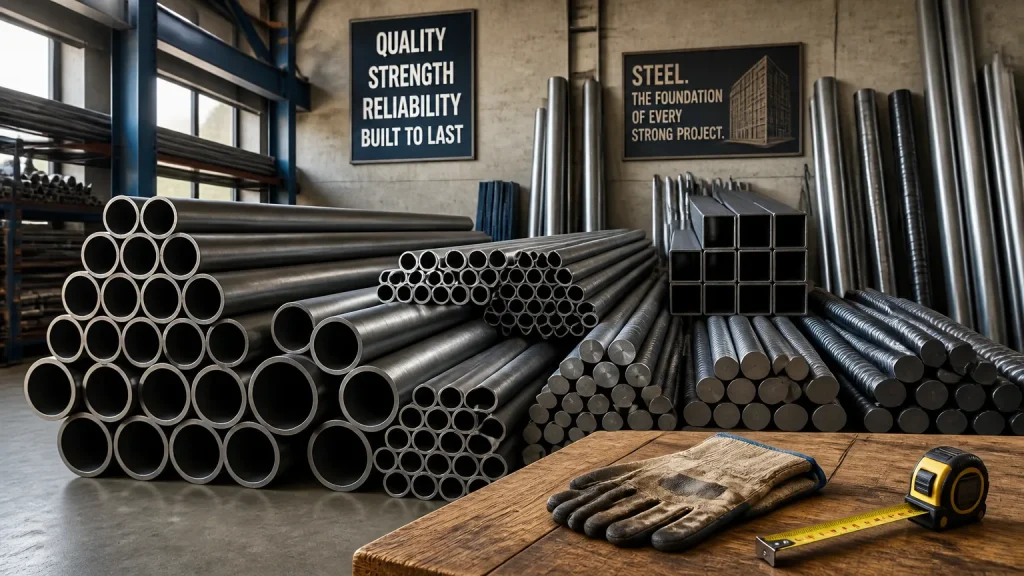
Steel and pipe supply plays a crucial role in the construction and manufacturing industries, especially in Southern Michigan. This region relies heavily on these materials for various projects, from infrastructure development to manufacturing components. Contractors and DIY enthusiasts alike depend on quality steel and pipe to ensure their projects are durable and reliable.
The steel and pipe supply industry provides essential materials that form the backbone of many structures. Whether it’s for residential buildings, commercial spaces, or industrial facilities, the demand for these supplies is constant and growing. Southern Michigan’s active construction sector fuels this need, making it vital for suppliers to meet the market’s requirements effectively.
In this article, we’ll explore the nuances of the steel and pipe supply landscape in Southern Michigan. We’ll discuss the types of materials available, their applications, and how they impact local projects. Understanding this supply chain equips contractors and DIYers with the knowledge to make informed decisions, ensuring their projects are successful from start to finish.
Key Suppliers of Steel and Pipe in Southern Michigan
Southern Michigan boasts several key suppliers of steel and pipe that cater to diverse project needs. Each supplier offers unique advantages that can enhance your purchasing experience.
One standout is Michigan Steel, located in Detroit. Known for their extensive inventory, they provide everything from structural steel to specialized piping. Their commitment to customer service ensures that contractors receive expert advice tailored to their specific projects.
Another notable supplier is Southern Michigan Pipe & Steel, based in Kalamazoo. They focus on quality and affordability, offering both new and surplus materials. Their competitive pricing model makes them a go-to for budget-conscious DIYers and contractors alike.
Benton Harbor Steel is another key player in the region. They excel in custom fabrication services, allowing clients to get precisely what they need for unique applications. This flexibility sets them apart, making them a valuable resource for specialized projects.
Grand Rapids Pipe & Steel rounds out the list with their robust online ordering system. This convenience allows contractors to quickly source materials without needing to visit multiple locations. Their user-friendly platform saves time, making it easier to stay on schedule.
In addition to product offerings, many suppliers provide added services like delivery and cutting. This makes them more than just a source for materials; they become partners in your project’s success. By understanding these local options, you can make informed choices that align with your project goals.
Types of Steel and Pipe Materials Available
When it comes to steel and pipe supply, understanding the different materials can significantly impact your project’s success. Each type of steel and pipe has unique properties that make it suitable for specific applications.
Carbon Steel is one of the most commonly used materials in construction. It’s known for its strength and durability, making it ideal for structural applications. Whether you’re building frameworks or supports, carbon steel provides excellent load-bearing capabilities. It’s also cost-effective, which makes it a go-to choice for many contractors.
Stainless Steel, on the other hand, offers corrosion resistance, making it perfect for projects exposed to moisture or chemicals. This material is often used in plumbing, food processing, and marine applications. While it may come at a higher cost, its longevity and low maintenance requirements can save money in the long run.
Galvanized Steel is another popular option, especially for outdoor structures. Coated with zinc to prevent rusting, it’s ideal for fencing, roofing, and scaffolding. The added protection allows it to withstand harsh weather conditions, making it a reliable choice for exterior projects.
For pipe materials, options like PVC and CPVC are widely used in plumbing. These plastic pipes are lightweight, easy to install, and resistant to corrosion. They work well in residential projects, offering a cost-effective solution for water supply and drainage.
Black Steel Pipes are commonly used for gas lines and fire sprinkler systems. Their strength and ability to handle high pressure make them suitable for industrial applications. Understanding the right type of pipe for your needs can enhance safety and efficiency in your project.
By selecting the appropriate steel and pipe materials, you ensure your projects are built to last. Knowing the properties of each type helps you make informed choices that align with your specific requirements.
Best Practices for Selecting Steel and Pipe Materials
When selecting steel and pipe materials, several key factors come into play. First, consider the strength of the material. Different applications require varying levels of strength. For instance, structural projects may need high-tensile steel, while plumbing applications might only require standard-grade pipe. Understanding these requirements ensures your project is not only safe but also effective.
Corrosion resistance is another critical criterion. Depending on the environment, some metals may corrode more quickly than others. For outdoor projects or those exposed to moisture, stainless steel or galvanized pipe can provide longer-lasting performance. Always assess the specific conditions your materials will face to select the most suitable option.
Application requirements also dictate your material choice. For example, if you’re working with high-pressure systems, you’ll need pipes that can withstand significant stress. In this case, opting for seamless pipes could mitigate risks associated with weld failures. Always match the material to the intended use to avoid costly mistakes.
Sourcing materials is equally important. Partnering with reputable suppliers ensures that you receive quality products that meet industry standards. Look for suppliers who can provide certifications and compliance documents. This adds an extra layer of assurance that the materials are fit for your project.
Lastly, consider the logistics of procurement. A reliable supplier can offer services like cutting and delivery, which saves time and reduces waste. Ensuring that your supplier understands your project’s needs is vital for a smooth process. By following these best practices, you can confidently select the right steel and pipe materials for your projects, setting the stage for success.
Challenges Faced in the Steel and Pipe Supply Chain
Contractors and manufacturers often encounter significant hurdles when sourcing steel and pipe products. One of the primary challenges is supply chain disruptions. Events like natural disasters, geopolitical tensions, and pandemics can halt production and delay shipments. These interruptions can create bottlenecks that affect project timelines and budgets.
Pricing fluctuations also pose a serious issue. The cost of raw materials can vary dramatically due to market demand and global economic factors. For example, a sudden increase in demand can drive prices up, leaving contractors scrambling to adjust their budgets. This unpredictability makes it challenging to plan projects effectively.
Availability is another critical concern. Specific types of steel and pipe may be in high demand, leading to shortages. When popular sizes and grades are hard to find, it can slow down projects and lead to costly delays. Contractors must often pivot to alternatives, which may not meet their initial specifications.
Local suppliers are adapting to these challenges by enhancing their inventory management systems. Many are investing in technology to forecast demand more accurately and maintain better stock levels. This proactive approach helps minimize shortages and ensures that essential materials are available when needed.
Additionally, some suppliers are forming partnerships with manufacturers to secure more stable pricing and reliable access to materials. By working closely with local mills and distributors, they can offer better service and help mitigate the impact of market fluctuations.
Understanding these challenges can empower contractors and DIYers to make more informed decisions when sourcing steel and pipe products. By choosing suppliers that demonstrate adaptability and resilience, you can ensure a smoother project experience.
The Future of Steel and Pipe Supply in Southern Michigan
As we look to the future, the steel and pipe supply landscape in Southern Michigan remains vital to the region’s economy. Reliable supply chains are essential for supporting local projects and industries. The growing demand for innovative construction and infrastructure development underscores the need for consistent material availability.
To meet these demands, suppliers must adopt proactive approaches. Embracing technology and improving logistics can enhance efficiency and reduce lead times. Additionally, fostering strong relationships with local contractors ensures that suppliers understand project needs and can deliver accordingly.
Sustainability is also becoming a key focus. As environmental concerns grow, sourcing materials responsibly will become increasingly important. Suppliers who prioritize eco-friendly practices will not only stand out but will also contribute positively to the community.
In conclusion, staying informed about the evolving steel and pipe supply landscape will empower both contractors and DIYers. By choosing reliable suppliers and advocating for sustainable practices, you can help secure a robust future for your projects. This proactive stance will ensure that your materials are available when you need them, paving the way for successful outcomes.