
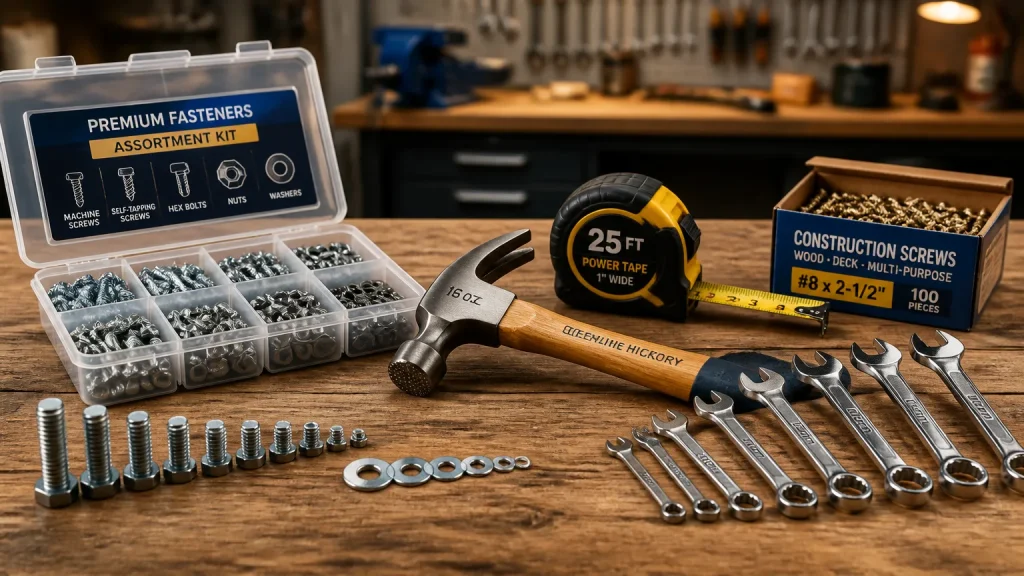
Contractors in southern Michigan face unique challenges that demand the right manufacturing supplies. From harsh weather conditions to tight deadlines, having the right tools and materials is essential for success. Proper supplies not only enhance efficiency but also contribute to safety and quality on the job site.
When contractors are equipped with the right manufacturing supplies, they can tackle projects more effectively. For example, quality fasteners and durable tools can reduce downtime and minimize errors. This leads to smoother workflows and better outcomes.
Understanding which supplies are essential is critical. It ensures that every task is completed safely and to the highest standard. Investing in the right materials means fewer accidents and improved productivity, ultimately benefiting both contractors and their clients.
Navigating the wide array of available supplies can be overwhelming. However, focusing on the essentials can streamline your approach. This article will explore key manufacturing supplies that every contractor should know about, setting you up for success on your next project.
1. Industrial Sockets: The Foundation of Every Job Site
Industrial sockets are essential to any job site. They provide the power needed for a range of tools, from drills to saws. Without reliable sockets, productivity can plummet. Quality industrial sockets ensure that your equipment operates smoothly, allowing you to focus on the task at hand.
These sockets are built to withstand heavy usage. Made with high-strength materials, they resist wear and tear even under tough conditions. This durability is key for contractors who rely on their tools day in and day out. When you choose robust industrial sockets, you’re investing in efficiency and performance.
Consider how many tasks depend on a dependable power source. Whether you’re working on a construction site or tackling a DIY project, the right socket can make all the difference. It’s not just about powering your tools; it’s about ensuring they work efficiently. For more information on how to choose the best options, check out our guide on Industrial Sockets: The Foundation of Every Job Site.
2. Nail Guns: Choosing the Right Tool for the Job
Nail guns are a game changer for contractors. They save time and effort, allowing for quick, precise fastening. Understanding the different types of nail guns is essential for selecting the right tool for your project.
There are three main types: brad nailers, finish nailers, and framing nailers. Brad nailers are ideal for lightweight tasks like attaching trim or moldings. Finish nailers handle heavier tasks, perfect for cabinetry and furniture assembly. Framing nailers are designed for structural work, such as framing walls and roofs.
Selecting the right compressor is also crucial. A compressor that matches your nail gun’s requirements ensures optimal performance. Make sure your compressor can handle the nail gun’s air pressure needs for consistent firing.
Finally, always ensure you use the correct fasteners. Each type of nail gun requires specific fasteners for safe operation. For more in-depth guidance, check out our article on Nail Guns: Brad vs Finish vs Framing + Compressor Requirements. Choosing the right tools and supplies will enhance your work efficiency and results.
3. Threadlockers: Securing Your Work
Threadlockers are vital for maintaining the integrity of connections on the job site. These adhesives prevent fasteners from loosening due to vibrations and stress. Choosing the right type is crucial for ensuring your work stands the test of time.
There are three main types of threadlockers: low strength, medium strength, and high strength. Low-strength threadlockers are ideal for small screws and can be removed easily. Medium strength is versatile, suitable for most applications, while high-strength threadlockers are designed for heavy-duty use, where a permanent bond is necessary.
Using the correct threadlocker can prevent costly failures. For example, in automotive assembly, a high-strength threadlocker secures critical components like wheel bearings. In construction, medium-strength options can secure bolts in structural steel applications, ensuring stability and safety.
In situations where equipment experiences vibration—such as in machinery or power tools—threadlockers are essential. They provide peace of mind, allowing you to focus on the task at hand. Investing in the right threadlocker can save you time and money, reinforcing the quality of your work.
4. Angle Grinders: Versatile Cutting Tools
Angle grinders are indispensable tools for contractors. They excel in cutting, grinding, and polishing a variety of materials, including metal, tile, and concrete. Whether you’re preparing a surface or cutting through rebar, angle grinders deliver speed and precision.
Selecting the correct wheel is crucial. Different materials require specific wheels to achieve optimal results. For instance, a diamond blade is ideal for cutting tile, while a metal grinding wheel works best on steel. Understanding these differences can enhance your project quality significantly.
Safety is paramount when operating angle grinders. Always wear appropriate protective gear, including goggles and gloves. Ensure your work area is clear of hazards to prevent accidents. Regularly check your tools for wear and tear to maintain performance and safety.
For more detailed guidance on choosing the right angle grinder for your needs, refer to our article on Angle Grinders: How to Choose the Right Size, Power, and Wheel. This resource will help you make informed decisions for your projects.
5. Electric Motors: The Heart of Many Operations
Electric motors are critical components on job sites. They power a variety of equipment, including drills, saws, and compressors. Without them, productivity can grind to a halt.
Regular maintenance of electric motors is essential. A well-maintained motor runs efficiently, saving energy and reducing costs. Prompt repairs are equally important. Delaying fixes can lead to more severe issues, risking equipment failure. This not only disrupts your workflow but can also extend project timelines.
Consider the impact of a malfunctioning motor. If a saw fails mid-project, it can slow down your team’s progress. Each minute lost translates to increased labor costs and potential client dissatisfaction.
To prevent these disruptions, proactive maintenance is key. Schedule regular checks and keep an eye out for unusual sounds or vibrations. For expert assistance, consider reaching out for Electric Motor Repair — Coldwater, MI. Keeping your electric motors in top shape ensures that your operations run smoothly and efficiently.
Conclusion: Equip Yourself for Success
In conclusion, having the right manufacturing supplies is crucial for any contractor aiming for success. The right tools not only enhance safety but also improve efficiency on the job site. Whether it’s fasteners, threadlockers, or angle grinders, each supply plays a vital role in your overall performance.
Regularly assess your inventory to ensure you’re equipped for every project. Stay proactive about replacing worn tools and stocking essential supplies. By being prepared, you’ll not only meet but exceed client expectations. Equip yourself wisely, and watch your projects thrive. Your success starts with the right supplies.