
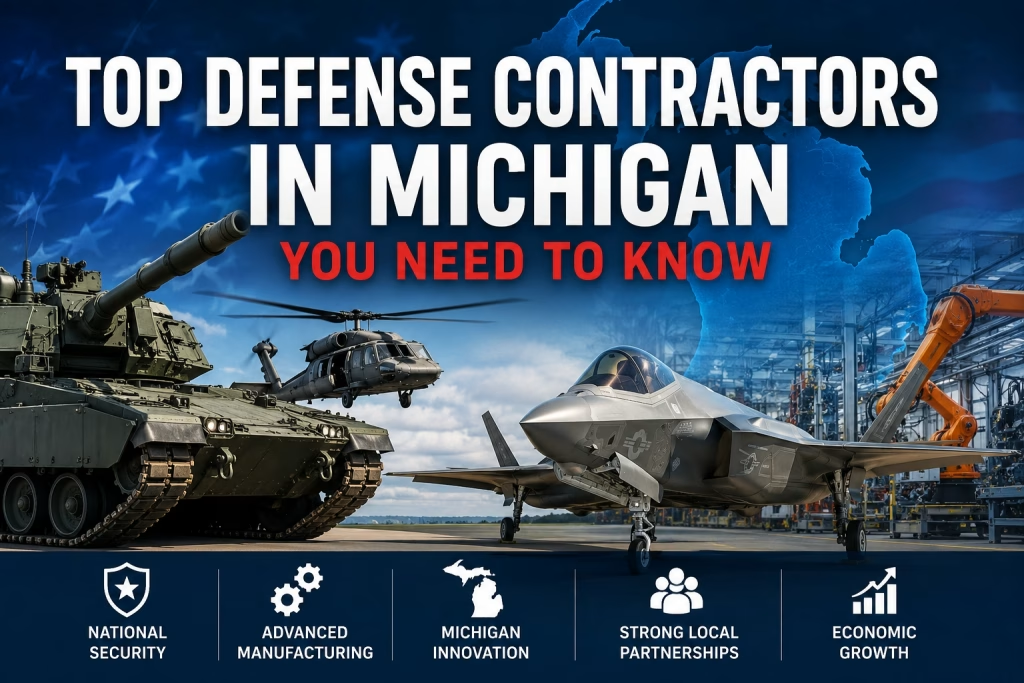
Michigan has long been recognized as one of America’s manufacturing powerhouses, and that expertise extends directly into the defense industry. Home to world-class engineering talent, advanced manufacturing facilities, automotive innovation, and a highly skilled workforce, Michigan plays a vital role in supplying the U.S. Department of Defense with everything from armored combat vehicles and aerospace systems to cybersecurity solutions and advanced electronics.
Whether you’re a manufacturer, machine shop, fabricator, industrial supplier, engineering firm, or skilled trades contractor, understanding Michigan’s defense ecosystem can open doors to new partnerships, subcontracting opportunities, and long-term business growth.
This guide highlights some of the largest defense contractors operating in Michigan, the work they perform, and how local businesses can position themselves to support this growing industry.
Why Michigan Is a Defense Manufacturing Leader
Michigan offers several competitive advantages for defense contractors:
- Highly skilled manufacturing workforce
- Strong automotive engineering expertise
- Advanced robotics and automation
- Aerospace research capabilities
- Extensive supplier network
- Excellent transportation infrastructure
- Access to military testing facilities
- World-class universities and research institutions
Many technologies originally developed for the automotive industry now support military vehicles, autonomous systems, advanced materials, and next-generation manufacturing.
Michigan’s Defense Industry by the Numbers
Michigan is home to:
- Hundreds of defense-related manufacturers
- Thousands of small and medium-sized suppliers
- Major Army ground vehicle development programs
- Advanced aerospace engineering firms
- Electronics manufacturers
- Precision machining companies
- Metal fabricators
- Software and cybersecurity firms
Together, these companies support tens of thousands of jobs across the state.
1. General Dynamics Land Systems (Sterling Heights)
General Dynamics Land Systems (GDLS) is one of Michigan’s most recognizable defense contractors and a global leader in armored combat vehicle design and manufacturing.
Major programs include:
- M1 Abrams Main Battle Tank
- Stryker Combat Vehicle
- Mobile Protected Firepower platforms
- Advanced combat vehicle technologies
The company employs engineers, software developers, manufacturing specialists, welders, machinists, logistics professionals, and supply chain experts.
Because GDLS works with hundreds of suppliers, opportunities often exist for companies providing:
- Precision machining
- Bearings
- Gearboxes
- Hydraulic systems
- Industrial automation
- Fasteners
- Electrical components
- Fabricated metal products
- Industrial maintenance services
2. BAE Systems
BAE Systems maintains significant operations supporting U.S. defense programs through advanced electronics, combat systems, and vehicle technologies.
Areas of expertise include:
- Electronic warfare
- Communications systems
- Vehicle modernization
- Fire control systems
- Power management
- Mission-critical electronics
The company frequently partners with regional manufacturers and specialized suppliers capable of meeting strict military quality standards.
3. RTX (Formerly Raytheon Technologies)
RTX develops advanced aerospace and defense technologies used throughout the U.S. military.
Key focus areas include:
- Missile defense
- Radar systems
- Precision guidance
- Sensors
- Aerospace components
- Avionics
- Cybersecurity
- Communications technology
Michigan suppliers support RTX through advanced manufacturing, electronics, machining, coatings, and industrial services.
4. Lockheed Martin
Lockheed Martin remains one of the world’s largest defense contractors and maintains partnerships throughout Michigan’s manufacturing sector.
The company supports programs involving:
- Aerospace systems
- Advanced manufacturing
- Artificial intelligence
- Autonomous systems
- Space technologies
- Military aircraft
- Missile systems
- Digital engineering
Lockheed Martin also collaborates extensively with Michigan universities to develop future engineering talent and manufacturing technologies.
5. Northrop Grumman
Northrop Grumman specializes in highly advanced defense technologies including:
- Cybersecurity
- Autonomous systems
- Defense electronics
- Aerospace systems
- Missile defense
- Software development
- Artificial intelligence
The company works with numerous suppliers specializing in precision manufacturing, electronic assemblies, software development, and industrial automation.
Additional Defense Companies with Michigan Operations
Michigan is also home to numerous additional defense manufacturers and suppliers, including companies involved in:
- Military vehicle components
- Aerospace machining
- Composite materials
- Defense electronics
- Industrial automation
- Robotics
- Additive manufacturing
- Cybersecurity
- Metal fabrication
- Electrical systems
Many smaller suppliers never appear in national rankings but play critical roles in supporting major defense programs.
Opportunities for Michigan Manufacturers
Defense contractors rely heavily on qualified suppliers.
Products commonly sourced include:
- Bearings
- Industrial gearboxes
- Electric motors
- Power transmission components
- Hydraulic cylinders
- Pneumatic components
- Precision-machined parts
- Welded assemblies
- Fasteners
- Conveyor systems
- Industrial controls
- Electrical enclosures
- Automation equipment
Industrial distributors and manufacturers that meet quality standards can become valuable members of the defense supply chain.
How Small Businesses Can Enter the Defense Market
Many companies assume defense contracts are reserved for large corporations, but much of the work is performed by subcontractors.
Common entry points include:
- Precision machining
- CNC manufacturing
- Welding and fabrication
- Industrial maintenance
- Electronics assembly
- Engineering services
- Software development
- Industrial coatings
- Logistics
- Tooling
Registering with the System for Award Management (SAM.gov) and participating in supplier outreach events can help businesses become visible to prime contractors.
Quality Standards Matter
Defense manufacturing requires exceptional quality control.
Many contractors require suppliers to comply with standards such as:
- ISO 9001
- AS9100
- ITAR compliance
- CMMC cybersecurity requirements
- Lean manufacturing
- Six Sigma practices
Investing in quality systems can significantly improve opportunities within the defense industry.
Industries That Support Defense Contractors
Defense manufacturers rely on companies across numerous industries, including:
- Metal fabrication
- Industrial supply
- Machine shops
- Automation
- Controls engineering
- Industrial electrical contractors
- Hydraulic repair
- Gearbox repair
- Bearing distributors
- Material handling
- Packaging
- Industrial coatings
- Testing laboratories
- Calibration services
Nearly every manufacturing specialty has opportunities within the defense supply chain.
Workforce Development
Michigan’s defense industry benefits from partnerships with:
- Community colleges
- Trade schools
- Apprenticeship programs
- Engineering schools
- Workforce development organizations
These programs help prepare skilled workers in:
- CNC machining
- Welding
- Robotics
- Automation
- Mechatronics
- Industrial maintenance
- Electrical systems
- Mechanical engineering
As defense manufacturing grows, demand for skilled trades continues to increase.
Why Michigan Continues to Attract Defense Investment
Several factors make Michigan an attractive location for defense manufacturing:
- Automotive manufacturing expertise
- Advanced robotics adoption
- Strong engineering talent
- Established supplier network
- Research universities
- Transportation infrastructure
- Experienced workforce
- Innovation in mobility technologies
Many future military vehicle programs are expected to leverage technologies already being developed within Michigan’s automotive sector.
Related Articles
Explore more manufacturing and industrial resources from CEM Industrial Supply:
- Top Industrial Equipment Essentials Every Contractor Needs
- Build Heavy-Duty Shop Shelves
- Build a Rolling Tool Cart
- How to Replace Trailer Lights
- How to Install Concrete Anchors
Frequently Asked Questions
Which defense contractor is headquartered in Michigan?
General Dynamics Land Systems, headquartered in Sterling Heights, is one of Michigan’s largest and most influential defense contractors.
What industries support Michigan’s defense contractors?
Common supporting industries include precision machining, welding, fabrication, automation, industrial supply, electronics manufacturing, software development, logistics, and engineering services.
Can small businesses work with defense contractors?
Yes. Many prime defense contractors rely on thousands of subcontractors and suppliers for manufacturing, engineering, maintenance, and specialized services.
What certifications help companies enter the defense industry?
Common certifications include ISO 9001, AS9100 for aerospace manufacturers, ITAR compliance, and CMMC cybersecurity requirements, depending on the type of work being performed.
Why is Michigan important to the U.S. defense industry?
Michigan combines decades of manufacturing expertise, advanced engineering, automotive innovation, robotics, and a highly skilled workforce, making it one of the nation’s leading centers for defense manufacturing and military vehicle development.
Building the Future of Defense Manufacturing
Michigan’s defense industry continues to evolve as new technologies reshape military vehicles, aerospace systems, cybersecurity, autonomous platforms, and advanced manufacturing. For manufacturers, suppliers, and contractors, this growth presents significant opportunities to expand into one of the nation’s most technologically advanced industries.
Whether you’re supplying precision components, industrial equipment, automation systems, bearings, gearboxes, electrical products, or maintenance services, building relationships with Michigan’s defense contractors can create long-term business opportunities while supporting the manufacturing strength that has defined the state for generations.