
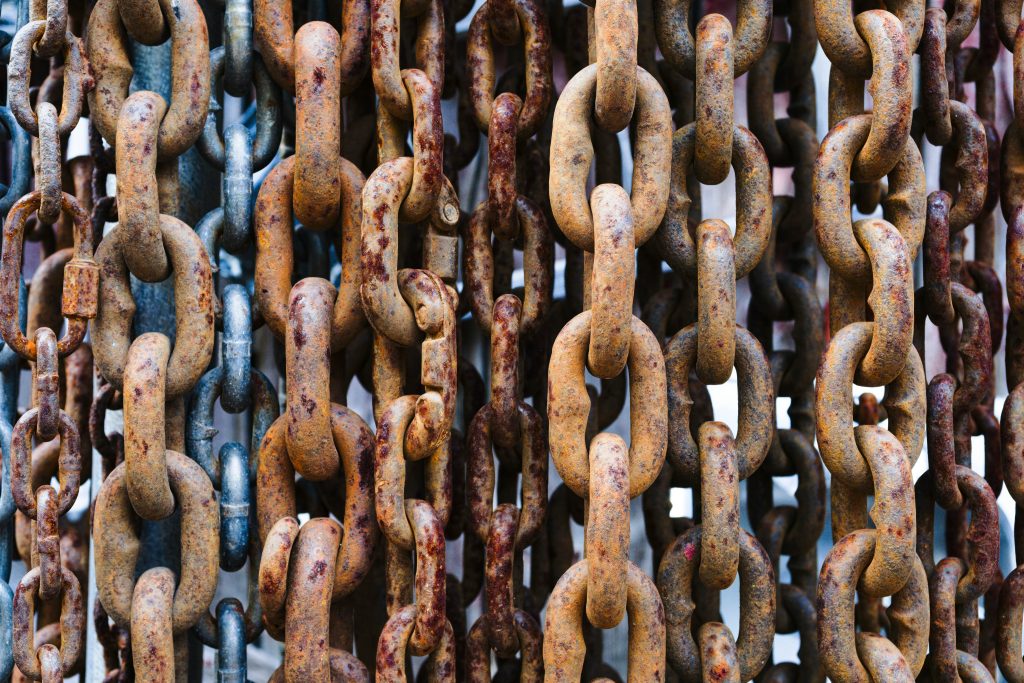
Industrial chains are pretty much the backbone of modern manufacturing. They’re the interconnected steps, from raw materials to the finished product, that make our complex world go round. Think of it like this: without a well-oiled chain, you don’t just get a slow-down, you get a breakdown. They ensure materials flow smoothly, processes are efficient, and quality is maintained. In essence, they’re how we get everything from your smartphone to your car, manufactured consistently and at scale.
When we talk about “industrial chains,” we’re not just talking about the metal links you might find on a factory floor, though those can be part of it! We’re referring to the entire sequence of operations that transform raw resources into a finished, usable item. It’s a systemic view, encompassing everything from initial design and sourcing to production, assembly, distribution, and even after-sales service.
From Raw Material to Retail Shelf
Imagine building a car. It starts with mining iron ore for steel, extracting rubber for tires, and cultivating cotton for upholstery. These raw materials then go through various processing factories. Steel is forged and shaped, rubber is vulcanized, and cotton is spun into fabric. Each of these steps is a link in the chain.
The Interconnected Web
These links aren’t isolated; they’re deeply interconnected. A delay in the steel mill impacts the car assembly plant, which then affects dealership deliveries. This intricate network of suppliers, manufacturers, distributors, and customers is what truly defines an industrial chain. It’s a complex, dynamic ecosystem, and understanding its various components is crucial.
In the ever-evolving landscape of industrial supply chains, understanding the latest trends and innovations is crucial for businesses looking to enhance efficiency and reduce costs. A related article that delves into these aspects can be found at CEM Industrial Supply News, where insights on supply chain management, emerging technologies, and best practices are regularly updated to help industry professionals stay informed and competitive.
Why Do These Chains Matter So Much?
Beyond the simple explanation of “how things get made,” industrial chains hold a much deeper significance in modern manufacturing. They’re a critical factor in a company’s ability to compete, innovate, and adapt.
Driving Efficiency and Cost Reduction
At its core, a well-managed industrial chain is about doing more with less. Streamlined processes, efficient material flow, and optimized logistics all contribute to significant cost savings. This is often achieved through lean manufacturing principles, just-in-time (JIT) delivery, and strategic partnerships.
Lean Operations
Lean manufacturing focuses on eliminating waste in all its forms: overproduction, waiting times, unnecessary transport, over-processing, excess inventory, unnecessary motion, and defects. By scrutinizing each link in the chain, manufacturers can identify and remove activities that don’t add value, leading to smoother, faster, and cheaper production.
Just-In-Time (JIT) Delivery
JIT is a prime example of chain optimization. Instead of storing vast quantities of components, parts arrive at the factory precisely when they’re needed for assembly. This drastically reduces inventory holding costs, minimizes waste from obsolete parts, and frees up valuable factory space. It requires incredibly tight coordination and reliable suppliers, highlighting the interconnectedness of the chain.
Ensuring Quality and Consistency
A robust industrial chain includes rigorous quality control at every stage. From inspecting raw materials to testing finished products, each step contributes to the overall quality and consistency of the output. This is vital for brand reputation and customer satisfaction.
Standardized Processes
Within an industrial chain, standardization is key. Having consistent methods for production, assembly, and testing across different facilities or suppliers helps ensure that the final product meets specified quality benchmarks, regardless of where or when it was produced.
Traceability and Accountability
Modern industrial chains often incorporate systems for traceability. This means being able to track a product’s journey from its very origin – knowing where raw materials came from, which machines processed them, and who performed quality checks. This is invaluable for identifying the source of defects, managing recalls, and ensuring ethical sourcing practices.
Fostering Innovation and Adaptability
A truly effective industrial chain isn’t static. It’s designed to be flexible, allowing companies to quickly adapt to market changes, incorporate new technologies, and introduce innovative products. This adaptability is a huge competitive advantage in today’s fast-paced world.
Responding to Market Demands
If consumer preferences shift rapidly, a company with an agile industrial chain can quickly retool its production lines, source new materials, or adjust its product mix to meet these evolving demands. This contrasts sharply with rigid systems that are slow to change.
Integrating New Technologies
The ability to integrate new manufacturing technologies (like automation, AI, or advanced robotics) into the existing chain without massive disruption is crucial. A well-structured chain is modular enough to allow for such upgrades, improving efficiency and expanding capabilities over time.
Types of Industrial Chains and Their Characteristics

Not all industrial chains are built the same. Their structure and characteristics often depend on the industry, product complexity, and geographic scope. Understanding these variations helps in appreciating the nuanced challenges and opportunities each presents.
Horizontal Integration
This occurs when a company acquires or merges with other companies that perform similar functions at the same stage of the industrial chain. Think of it as consolidating power within one layer.
Expanding Market Share
A good example would be an automobile manufacturer acquiring a rival car company. This typically expands market share, reduces competition, and allows for economies of scale in areas like R&D and marketing.
Consolidating Expertise
It also allows for the consolidation of technological expertise and manufacturing capabilities, potentially leading to the development of more robust product lines or more efficient production methods across the board.
Vertical Integration
This involves a company owning or controlling different stages of its industrial chain, either upstream (towards raw materials) or downstream (towards the customer).
Backward Integration
When a car manufacturer buys a steel mill or a rubber plantation, that’s backward integration. The goal is to gain more control over the supply of critical raw materials, reduce reliance on external suppliers, and potentially lower costs. It can also provide a stable supply during times of market volatility.
Forward Integration
If that same car company then acquires a network of dealerships or even a car rental service, that’s forward integration. This allows them to have more direct control over the sales and distribution of their products, enhancing customer experience and capturing a larger share of the value chain.
Global vs. Local Chains
The geographic scope of an industrial chain significantly impacts its complexity, risks, and opportunities.
Global Chains: Advantages
Global chains leverage lower labor costs, access to specialized resources, and diverse markets. This allows for products to be manufactured more affordably and sold worldwide. They often involve complex logistics, cross-border regulations, and managing multiple international suppliers.
Global Chains: Disadvantages
These chains are often more susceptible to geopolitical risks, natural disasters in distant regions, currency fluctuations, and longer lead times. The COVID-19 pandemic vividly demonstrated the fragilities of highly globalized manufacturing chains.
Local Chains: Advantages
Local chains typically offer shorter lead times, reduced transportation costs, and greater resilience to global disruptions. They can foster closer relationships with suppliers and customers, making communication and problem-solving more straightforward. They also often resonate with consumers interested in supporting local economies.
Local Chains: Disadvantages
Local chains might face higher production costs due to higher labor wages or less access to specialized materials available globally. The market size can also be more limited, potentially hindering scalability.
Challenges in Managing Industrial Chains

Despite their undeniable importance, industrial chains are far from simple to manage. They come with a complex set of challenges that require constant vigilance and strategic planning.
Supply Chain Disruptions
This is probably one of the most talked-about challenges recently. Any event that interrupts the flow of materials, information, or finances within the chain can have massive ripple effects.
Natural Disasters
Earthquakes, floods, and pandemics can shut down factories, block transportation routes, and halt production in affected areas, impacting the entire global chain.
Geopolitical Instability
Trade wars, political unrest, and conflicts can lead to tariffs, sanctions, or even complete embargos, making it difficult or impossible to source materials or sell products in certain regions.
Economic Volatility
Sudden shifts in demand, inflation, or recessions can stress industrial chains, leading to oversupply or shortages, and financial instability for various participants.
Complexity and Data Management
Modern industrial chains involve countless suppliers, components, and processes. Managing the sheer volume of data generated, from inventory levels and order statuses to quality control reports and logistics information, is a monumental task.
Vendor Management
Keeping track of diverse suppliers, ensuring they meet quality standards, negotiating contracts, and managing relationships across different cultures and time zones adds several layers of complexity.
Data Silos
Often, different parts of the chain use disparate systems that don’t communicate effectively. This creates “data silos,” making it difficult to get a holistic, real-time view of the entire chain, hindering effective decision-making.
Sustainability and Ethical Sourcing
There’s growing pressure from consumers, regulators, and investors for companies to ensure their industrial chains are environmentally responsible and ethically sourced.
Environmental Impact
This includes reducing carbon emissions from manufacturing and transport, minimizing waste generation, conserving resources, and ensuring compliance with environmental regulations throughout the chain. Identifying and monitoring ecological footprints across multiple suppliers can be arduous.
Labor Practices
Ensuring fair wages, safe working conditions, and the absence of forced labor or child labor across all suppliers, especially in developing countries, is a significant ethical challenge that requires transparency and robust auditing mechanisms.
In the ever-evolving landscape of manufacturing, understanding the intricacies of industrial chains is crucial for optimizing production processes. A related article that delves deeper into the various types of industrial chains and their applications can be found here. This resource provides valuable insights into how these components can enhance efficiency and reliability in various industrial settings, making it a must-read for professionals in the field.
The Future of Industrial Chains
| Industrial Chains | Metrics |
|---|---|
| Production | 10,000 units |
| Supply Chain Length | 5 suppliers |
| Cost of Goods Sold | 500,000 |
| Inventory Turnover | 6 times per year |
The landscape of industrial manufacturing is always evolving, and so too are the strategies for managing these vital chains. Emerging technologies and changing global dynamics are continually reshaping their design and operation.
Digital Transformation
Embracing digital technologies is no longer optional; it’s a necessity for competitive industrial chains.
Industry 4.0 and Smart Factories
This involves the integration of technologies like the Internet of Things (IoT), artificial intelligence (AI), machine learning (ML), and big data analytics into manufacturing processes. Smart factories can monitor production in real-time, predict maintenance needs, optimize resource usage, and even self-correct minor issues, making the chain far more efficient and resilient.
Blockchain Technology
Blockchain offers a secure and transparent way to track products and payments across the entire chain. This can significantly improve traceability, reduce fraud, and build trust among different partners, especially for ethical sourcing and complex international transactions.
Resilience and Localisation
The recent global disruptions have highlighted the vulnerability of overly optimized, globalized chains. There’s a growing trend towards building more resilient and, where appropriate, more localized chains.
Multi-Sourcing and Diversification
Companies are moving away from single-source suppliers, especially for critical components. By having multiple suppliers in different geographic regions, they can mitigate risks associated with disruptions in any one area.
Regionalization and Nearshoring
Instead of chasing the absolute lowest cost globally, some companies are opting to bring parts of their production closer to their main markets (nearshoring) or developing more robust regional chains. This reduces transportation costs and lead times while enhancing responsiveness to regional demand shifts.
Circular Economy Principles
Moving beyond a linear “take-make-dispose” model, industrial chains are increasingly incorporating circular economy principles.
Product Lifetime Extension
Emphasis is placed on designing products for durability, repairability, and upgradability, extending their useful lives and reducing the need for constant new production.
Recycling and Remanufacturing
Industrial chains are being re-engineered to facilitate the collection, recycling, and remanufacturing of products and components at the end of their first life. This reduces waste, conserves resources, and creates new value streams within the chain.
By effectively navigating these challenges and leveraging new opportunities, industrial chains will continue to be the essential mechanism that powers modern manufacturing, delivering the goods and services that shape our everyday lives.