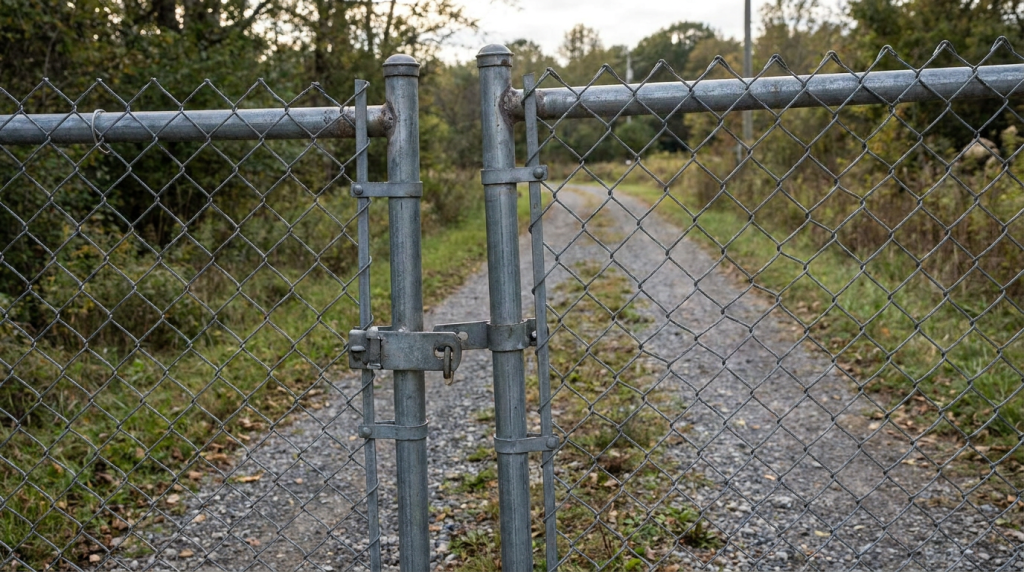
Whether you are a homeowner, renter, community volunteer, property manager, or simply someone trying to keep a yard safe and welcoming, repairing a chain link fence gate can be a practical and meaningful task. A gate is more than metal and hardware. It is a point of welcome, protection, and daily movement. It opens and closes many times, often quietly serving the needs of a family, a garden, a pet, a school, a temple, a business, or a neighborhood.
At The Bhakti House, we like to remember that spiritual life is not separate from daily life. Bhakti Yoga, the path of loving devotion to God, teaches us to bring sincerity, patience, and care into ordinary activities. “Bhakti” means devotion or loving service. “Yoga” means connection. So Bhakti Yoga means reconnecting with God through love—through chanting, prayer, service, gratitude, and remembering the Divine in all we do.
Even a simple task like chain link fence gate repair can become an offering when done with a humble heart. We may tighten a hinge, straighten a gate post, replace a latch, or repair torn chain link mesh. At the same time, we can practice steadiness, kindness, and attention. The Bhagavad-gita teaches that work done with devotion can become sacred when offered to God with love. This does not mean the repair becomes complicated. It means our heart becomes softer and more present.
In this guide, we will walk through common chain link gate problems, simple tools, step-by-step repair methods, safety tips, and maintenance practices. You do not need to be an expert. With a little patience and the right guidance, many chain link fence gate issues can be repaired in a practical, affordable way.
If you’re looking to enhance your knowledge about maintenance and repairs, you might find the article on gearbox lead times particularly insightful. Understanding the factors that can slow down a build can help you plan your repairs more effectively, whether it’s for a chain link fence gate or other projects. For more information, check out the article here: gearbox lead times.
Understanding Common Chain Link Fence Gate Problems
Chain link fence gates are strong, flexible, and widely used. They are often found around backyards, gardens, driveways, parks, schools, dog runs, and commercial properties. Still, because gates move more than the rest of the fence, they can wear down over time.
The first step in chain link fence gate repair is simply observing. In Bhakti practice, we learn to observe the mind with honesty and compassion. In the same way, look at the gate without frustration. What is actually happening? Is the gate sagging? Is the latch not catching? Is the frame bent? Is the gate dragging on the ground? Is the chain link fabric loose or torn?
Sagging Chain Link Gates
A sagging chain link gate is one of the most common problems. You may notice the latch side of the gate dipping down, scraping the ground, or failing to meet the latch post correctly. This can happen because the hinges are loose, the gate frame has shifted, the post has moved, or the gate is too heavy for its current support.
Sometimes a gate begins to sag slowly over many seasons. Rain, soil movement, frequent use, children swinging on the gate, or heavy wind can all contribute. If the gate is only slightly sagging, hinge adjustment may solve the problem. If the post is leaning, you may need to reset or reinforce it.
Misaligned Latches
A chain link fence gate latch should close smoothly and securely. If the latch no longer lines up, the gate may not stay closed. This can be inconvenient and unsafe, especially if the fence is meant to protect pets or children.
Misalignment may come from a sagging gate, a leaning latch post, loose hardware, or a bent latch. Before replacing the latch, check whether the gate itself is level. Sometimes the latch is not the real problem; it is only showing the symptom of a deeper alignment issue.
Loose or Damaged Hinges
Gate hinges carry a lot of weight. Over time, nuts and bolts can loosen. Hinges may rust, bend, or shift. If your chain link gate feels wobbly or drops when opened, inspect the hinge pins and hinge straps.
A simple tightening with a wrench may bring the gate back into alignment. But if the hinge is cracked, badly rusted, or bent out of shape, replacement is usually the best choice.
Bent Gate Frames
Chain link gate frames are usually made from metal tubing. They can bend if hit by a mower, vehicle, falling branch, or heavy object. A bent frame may prevent the gate from closing properly, even if the hinges and latch are in good condition.
Small bends can sometimes be corrected with careful pressure, but severely bent frames may need replacement. When deciding whether to repair or replace, consider safety, appearance, and long-term durability.
Torn or Loose Chain Link Mesh
The chain link mesh, also called fence fabric, can become loose, stretched, or torn. Pets may push against it. Weather may weaken old ties. Accidents may cut or deform the wire. Loose mesh can look messy and create gaps.
Repairing chain link fabric often involves replacing wire ties, tightening the mesh, or patching a damaged section with new chain link material.
Tools and Materials for Chain Link Fence Gate Repair
Before you begin, gather the right tools and materials. Preparing well saves time and helps the repair go smoothly. In spiritual life, preparation also matters. We set aside time for chanting, prayer, or study because the heart responds to gentle structure. In the same way, a repair project becomes easier when we begin with what is needed.
Basic Tools You May Need
For many chain link fence gate repairs, you may need:
- Adjustable wrench or socket wrench
- Pliers
- Fence pliers, if available
- Level
- Tape measure
- Screwdriver
- Hammer or rubber mallet
- Work gloves
- Safety glasses
- Metal file
- Shovel, if working on posts
- Post hole digger, for resetting posts
- Come-along or tension tool, for larger fabric repairs
You may not need all of these tools for every repair. For example, a simple latch adjustment might only require a wrench and level. A full post reset may require digging tools, gravel, and concrete.
Common Replacement Parts
Useful chain link gate repair parts include:
- Gate hinges
- Gate latch
- Nuts, bolts, and washers
- Tension bands
- Brace bands
- Wire ties
- Chain link fabric patch
- Gate frame corner fittings
- Gate wheels, for larger or heavy gates
- New gate post or latch post
- Concrete mix, if resetting a post
When buying replacement parts, measure your existing gate tubing and posts. Chain link fence parts come in different sizes. A hinge for a residential gate may not fit a larger commercial gate.
Safety First
Please take your time and protect your body. Metal edges can be sharp. Old chain link wire can scratch the skin. Rusted parts may break unexpectedly. Wear gloves and safety glasses. If the gate is large or heavy, ask another person to help you. Lifting or holding a gate alone can cause injury.
A humble principle in Bhakti Yoga is accepting help. We do not have to do everything alone. Community, or “sanga,” means spiritual association—supportive company on the path. In practical life, too, it is wise to welcome help when needed.
Please check out our latest article at https://cemindustrialsupply.com/news/ for more information.
How to Fix a Sagging Chain Link Fence Gate
A sagging chain link fence gate can often be repaired without replacing the whole gate. Begin by identifying the cause. Is the gate frame sagging? Are the hinges loose? Is the hinge post leaning? Is the latch post out of alignment?
Step 1: Inspect the Gate and Posts
Stand back and look at the gate. Use a level on the hinge post and latch post. If the posts are straight, the problem is likely in the hinges or gate frame. If one post is leaning, the post may need reinforcement or resetting.
Check whether the gate is square. Measure diagonally from the top hinge-side corner to the bottom latch-side corner, then measure the opposite diagonal. If the measurements are very different, the gate frame may be out of square.
Step 2: Tighten the Hinges
Use a wrench to tighten the hinge bolts. Many sagging gates simply need hardware adjustment. If the gate has slipped downward on the hinge post, loosen the hinge clamps slightly, lift the gate into position, and tighten them again.
It helps to place a block of wood under the gate to hold it at the right height while you adjust. A second person can also lift and steady the gate.
Step 3: Adjust the Hinge Pins
Many chain link gate hinges have pins that can be turned inward or outward to adjust the gate’s position. By changing the hinge pin depth, you can move the gate closer to or farther from the post. This helps align the latch side.
The gate should swing freely and close without forcing. Leave a small gap between the gate and latch post so the latch can work properly.
Step 4: Add a Gate Wheel if Needed
For heavy or wide chain link gates, especially driveway gates, a gate wheel can help support the latch side. This reduces stress on the hinges and post. Gate wheels are especially useful when the gate is used often or when the ground is level enough for smooth rolling.
A gate wheel is not always a complete solution if the post is unstable, but it can be a helpful support.
Step 5: Reset a Leaning Gate Post
If the hinge post is leaning, tightening the hinges will not solve the problem for long. You may need to reset the post. This involves digging around the post, straightening it, and securing it with new concrete.
Remove soil around the base. Use a level to position the post vertically. Add gravel for drainage if appropriate, then pour concrete around the post. Brace the post until the concrete cures. Follow the concrete manufacturer’s instructions for curing time.
This part requires patience. In the Bhagavad-gita, Lord Krishna encourages steady practice. Spiritual growth happens step by step, and good repair work is also step by step. If the post needs time to set, let it set. Rushing can cause the same problem to return.
If you’re looking to enhance the functionality of your outdoor spaces, you might find it helpful to explore options for improving your fence systems. A related article discusses the importance of precision motion solutions in various applications, including how they can be applied to repair chain link fence gates effectively. By understanding the mechanics behind these systems, you can ensure that your gates operate smoothly and securely. For more insights, check out this informative piece on precision motion solutions.
How to Repair or Replace a Chain Link Gate Latch
A gate latch is small, but it plays an important role. A secure latch keeps the gate closed and brings peace of mind. If you have children, pets, or valuable equipment inside the fence, a working latch is essential.
Identify the Latch Type
Common chain link gate latches include:
- Fork latches
- Butterfly latches
- Drop rod latches for double gates
- Lockable gate latches
- Gravity latches
Before replacing the latch, identify what type you have. If it has worked well in the past, replacing it with the same style may be easiest. If it never worked well, consider upgrading to a better latch.
Realign the Existing Latch
If the latch is in good condition but not catching, try realignment. Loosen the latch hardware and shift it slightly up, down, inward, or outward. Make small adjustments, then test the gate.
Also check whether the gate is level. If the gate is sagging, adjust the hinges before adjusting the latch. Otherwise, the latch may fall out of alignment again.
Replace a Damaged Latch
If the latch is bent, rusted, cracked, or unreliable, replace it. Remove the old latch with a wrench or screwdriver. Clean the post area if there is rust or debris. Install the new latch according to the manufacturer’s instructions.
Make sure the latch closes easily. A latch that requires slamming will put stress on the gate and posts. The best repair is one that works smoothly, without force.
Add Security if Needed
If security is important, choose a lockable latch or add a padlock-compatible latch. For pool fences, rental properties, schools, or commercial areas, check local safety codes. Some gates may require self-closing hinges or child-resistant latches.
Security can be understood not only as keeping things out, but also as protecting what is entrusted to us. In Bhakti, service means caring for others responsibly. A safe gate is a form of care.
If you’re looking to enhance your skills in maintaining outdoor structures, you might find it helpful to explore a related article on electric motor rewinding services. This resource can provide valuable insights into the mechanics that can be applied to various repair tasks, including those for chain link fence gates. Understanding the principles of motor function can aid in troubleshooting and improving the efficiency of gate mechanisms. For more information, check out this article.
Repairing Chain Link Fabric on a Gate
The chain link fabric on a gate can loosen, tear, or separate from the frame. This can create gaps and reduce the gate’s usefulness. Fortunately, many fabric repairs are simple.
Reattach Loose Mesh With Wire Ties
If the chain link fabric has pulled away from the gate frame, check the wire ties. Wire ties secure the mesh to the frame. Over time, they can rust, break, or loosen.
Remove broken ties with pliers. Pull the fabric back into position. Attach new wire ties around the frame and mesh. Twist them securely, then bend sharp ends inward to prevent scratches.
Place ties evenly along the gate frame. This helps distribute tension and keeps the mesh neat.
Patch a Small Hole
For a small hole in chain link mesh, you may be able to patch it with a piece of matching chain link fabric. Cut a patch slightly larger than the damaged area. Weave it into the existing mesh if possible, or attach it with fence ties.
Be careful with cut wire ends. Use pliers to bend them safely. A clean patch can extend the life of the gate without replacing the entire fabric.
Replace a Larger Section of Mesh
If the mesh is badly damaged, stretched, or rusted, replacement may be better. Remove the wire ties around the gate frame. Take off the damaged mesh. Cut a new piece of chain link fabric to fit the gate frame.
Attach the new mesh securely using wire ties. Keep the fabric pulled evenly so it does not sag. On some gates, tension bars or tension bands may be used to hold the fabric tight.
Prevent Pet Damage
Dogs sometimes push, chew, or dig near chain link gates. If your pet is causing gate damage, consider adding a bottom tension wire, a gate panel reinforcement, or a barrier along the base. Also make sure the pet has enough exercise, attention, and safe space.
In Bhakti teachings, compassion extends to animals. Caring for pets includes keeping them safe and reducing situations where they may injure themselves or escape.
Fixing Bent Frames, Damaged Posts, and Rust
Some chain link fence gate repairs require a little more effort. Bent frames, rusted hardware, and damaged posts can affect the whole gate system.
Straightening a Bent Gate Frame
If the frame is only slightly bent, you may be able to straighten it. Remove the gate from the hinges if needed. Lay it on a flat surface. Apply slow, careful pressure in the opposite direction of the bend. A rubber mallet can help with minor adjustments.
Do not over-force the metal. If the tubing is kinked, cracked, or weakened, it may not be safe to rely on. In that case, replacing the gate frame may be wiser.
Replacing a Gate Frame
Sometimes replacement is more practical than repair. If the frame is badly bent, rusted through, or no longer square, a new gate may save time and give better long-term results.
Measure the opening carefully before buying a replacement gate. Measure the width between posts and the height of the existing gate. Remember to leave space for hinges and latch hardware.
Repairing Rusted Areas
Rust is common on older chain link gates, especially in wet climates. Light surface rust can be cleaned with a wire brush or sandpaper. After cleaning, apply a rust-inhibiting primer and outdoor metal paint.
If rust has eaten through the metal, replacement may be necessary. A gate is only as strong as its weakened parts.
Replacing a Damaged Post
A damaged gate post can cause ongoing problems. If the post is cracked, bent, severely rusted, or loose in the ground, replacement may be needed.
To replace a post, remove the gate and attached hardware. Dig out the old post and concrete footing. Set the new post at the correct depth and height. Use a level and concrete to secure it. Allow proper curing time before rehanging the gate.
This is one of the more labor-intensive chain link fence gate repair tasks, but it can restore strength and function for many years.
Preventive Maintenance for Chain Link Fence Gates
Repair is helpful, but prevention is even better. A little regular maintenance can keep your chain link fence gate working smoothly and reduce costly repairs.
Check Hardware Twice a Year
At least twice a year, inspect hinges, latches, nuts, bolts, and wire ties. Tighten loose parts before they become bigger problems. Spring and fall are good times for this.
If your gate gets heavy use, inspect it more often. Commercial gates, school gates, dog kennel gates, and driveway gates may need monthly checks.
Keep the Gate Area Clear
Remove rocks, roots, dirt buildup, and debris from the gate swing path. If the gate drags across the ground, it stresses the hinges and frame. Keeping the area clear helps the gate open and close naturally.
If soil has built up under the gate, shovel it away. If the ground has shifted, you may need to adjust the gate height.
Lubricate Moving Parts
Apply outdoor lubricant to hinges and latch mechanisms. This reduces friction, prevents squeaking, and helps protect against rust. Avoid over-lubricating, as excess oil can attract dirt.
A smoothly moving gate is easier on the whole fence system.
Protect Against Rust
If your gate is galvanized, it already has some rust protection. Still, scratches and worn areas can rust over time. Touch up exposed metal with rust-resistant paint.
In coastal or rainy regions, rust prevention is especially important. Salt air and moisture can speed up corrosion.
Teach Gentle Use
Many gates are damaged by rough handling. Encourage children not to swing on the gate. Avoid slamming it. If a gate is hard to close, repair the issue instead of forcing it.
Gentle use is a simple but powerful form of maintenance. In Bhakti Yoga, gentleness is also a spiritual quality. The more we practice care in small things, the more our hearts become trained in kindness.
When to DIY and When to Call a Professional
Many chain link fence gate repairs are suitable for do-it-yourself work. Tightening hinges, replacing a latch, adding wire ties, or patching small mesh damage can usually be done with basic tools.
But some situations may call for professional help.
Good DIY Repairs
You may feel comfortable handling:
- Loose hinges
- Minor latch adjustment
- Broken wire ties
- Small mesh patches
- Light rust removal
- Basic gate wheel installation
- Simple hardware replacement
If you can safely lift the gate, understand the hardware, and have the right tools, these repairs are often manageable.
Repairs That May Need a Professional
Consider calling a fence repair professional for:
- Large driveway gates
- Heavy commercial gates
- Severely leaning posts
- Major concrete work
- Automatic gate systems
- Extensive rust or structural damage
- Gates required to meet safety codes
- Pool fence gate repairs
Professional help can save time and prevent injury. It may also be required if the gate is part of a regulated safety barrier.
Balancing Cost and Long-Term Value
A simple repair might cost very little if you only need bolts or wire ties. Replacing a latch or hinge set is still usually affordable. But if posts, frames, or large sections of fabric need replacement, costs can rise.
When deciding whether to repair or replace, consider:
- Age of the gate
- Safety needs
- Frequency of use
- Rust level
- Post stability
- Cost of parts and labor
- Appearance and property value
Sometimes repairing is the best stewardship. Sometimes replacing is more responsible. Pray for clarity if you like. Ask for advice. Move forward with a peaceful mind.
A Devotional Reflection: The Gate as a Spiritual Reminder
A chain link fence gate opens and closes. It protects, but it also allows passage. In this way, a gate can remind us of the heart.
Bhakti Yoga teaches that the heart can open through sincere practice. We may feel rusty from life’s difficulties. We may feel misaligned, like a latch that no longer catches. We may feel bent by pressure or worn down by time. But with patience, grace, and loving attention, repair is possible.
Chanting as a Way to Realign the Heart
One of the central practices of Bhakti Yoga is chanting sacred names of God. A mantra is a sacred sound or prayer that helps focus the heart. The Hare Krishna maha-mantra is especially cherished in many Bhakti traditions:
Hare Krishna, Hare Krishna, Krishna Krishna, Hare Hare
Hare Rama, Hare Rama, Rama Rama, Hare Hare
“Hare” calls upon the divine energy of the Lord. “Krishna” means the all-attractive Lord. “Rama” means the source of joy. Chanting does not require a special background. It can be done softly, humbly, and sincerely.
Just as a gate hinge may need lubrication to move freely, the heart may need the gentle sound of prayer to soften and open.
Service as Practical Love
Bhakti is not only meditation or singing. It is also service. Service may look like cooking a meal, helping a neighbor, cleaning a sacred space, caring for children, planting flowers, or repairing a fence gate so others are safe.
The Bhagavad-gita explains that offering our work to God can purify the heart. This does not mean we become proud or overly religious about ordinary tasks. Rather, we quietly think, “May this be useful. May this be pleasing to God. May this serve others.”
If you are repairing a chain link fence gate for your family, your pet, your community, or your workplace, you can do it in that spirit.
Growth Happens One Adjustment at a Time
A gate rarely becomes misaligned all at once. Usually, small shifts happen over time. The same can be true in our inner life. We may drift into worry, anger, distraction, or discouragement gradually.
And repair also happens gradually. One sincere prayer. One kind word. One verse heard with attention. One round of chanting. One act of forgiveness. One moment of gratitude.
The Srimad Bhagavatam, a beloved Bhakti scripture, often points us toward hearing and chanting about God as a way to cleanse the heart. The practical meaning is simple: what we regularly hear and remember shapes who we become. If we hear wisdom, chant holy names, and keep good company, our inner life becomes stronger.
Step-by-Step Quick Guide to Chain Link Fence Gate Repair
If you want a simple summary, here is a practical repair checklist.
Step 1: Observe the Problem
Open and close the gate slowly. Notice where it sticks, sags, drags, or fails to latch. Check the gate frame, hinges, latch, posts, and mesh.
Step 2: Check the Posts
Use a level to see if the hinge post and latch post are straight. If a post is leaning or loose, repair the post before focusing on the latch.
Step 3: Tighten Hardware
Tighten all hinge bolts, latch bolts, brace bands, and tension bands. Replace missing or rusted hardware.
Step 4: Adjust Hinges
Lift the gate into the correct position. Adjust hinge straps or hinge pins until the gate swings freely and meets the latch properly.
Step 5: Repair the Latch
Realign or replace the latch. Make sure it closes securely without slamming.
Step 6: Fix the Mesh
Replace broken wire ties. Patch small holes. Replace badly damaged chain link fabric if necessary.
Step 7: Test the Gate
Open and close the gate several times. Check that it does not drag, bind, or pop open. Make small adjustments as needed.
Step 8: Maintain Regularly
Inspect the gate every few months. Lubricate hinges, remove debris, and touch up rust before it spreads.
Common Questions About Chain Link Fence Gate Repair
Why won’t my chain link gate close?
The most common reasons are a sagging gate, misaligned latch, loose hinges, or leaning post. Start by checking whether the gate is level. Then inspect the latch and hinges.
Can I repair a chain link gate without replacing it?
Yes, many chain link gates can be repaired. Simple fixes include tightening hinges, replacing a latch, adding wire ties, patching mesh, or adjusting hinge pins. If the frame or post is severely damaged, replacement may be better.
How do I stop my chain link gate from dragging?
Check the hinges first. Tighten or adjust them to raise the latch side. If the gate is heavy, consider adding a gate wheel. If the hinge post is leaning, it may need to be reset.
How long does a chain link fence gate last?
With good maintenance, a chain link fence gate can last many years. Galvanized metal resists rust, but hinges, latches, and ties may need replacement over time. Weather, soil conditions, and usage affect lifespan.
Is it better to repair or replace a rusty chain link gate?
If the rust is only on the surface, clean and repaint it. If the metal is weak, cracked, or rusted through, replacement is safer. A gate must be strong enough to function reliably.
Bringing Care, Safety, and Devotion Together
Repairing a chain link fence gate is a practical task, but it can also be an opportunity to practice patience, service, and gratitude. When we repair something useful, we participate in care. We protect a space. We make life a little easier for others. We restore order where there was difficulty.
Bhakti Yoga invites us to bring love into action. Chanting helps us remember God. Prayer helps us ask for guidance. Service helps us express love. Scripture gives us wisdom. Community reminds us that we are not alone.
You do not have to be from any particular background to begin. You may be deeply spiritual, newly curious, unsure, or simply open-hearted. All are welcome. Just as a gate can be repaired one hinge, one latch, and one careful adjustment at a time, the heart can open one sincere step at a time.
May your home, garden, property, or community space be safe and peaceful. May your work be blessed. And may every practical act of care become a small offering of love.
Everyone is welcome to take one sincere step toward God today—through a prayer, a chant, a kind act, or a humble moment of gratitude.
[fluentform id=”3″]
FAQs
What are the common issues with chain link fence gates?
Chain link fence gates can experience issues such as sagging, rusting, damaged hinges, and misaligned latches. These issues can affect the functionality and security of the gate.
How can I repair a sagging chain link fence gate?
To repair a sagging chain link fence gate, you can adjust the tension of the gate by tightening the tension bars or adding a diagonal brace to provide additional support. Additionally, replacing worn-out hinges and latches can also help to alleviate sagging.
What are the steps to repair rust on a chain link fence gate?
To repair rust on a chain link fence gate, start by removing the rust using a wire brush or sandpaper. Then, apply a rust-inhibiting primer and finish with a rust-resistant paint to protect the gate from further corrosion.
How do I fix a misaligned latch on a chain link fence gate?
To fix a misaligned latch on a chain link fence gate, you can adjust the position of the latch by loosening the screws and repositioning it to align with the strike plate. Additionally, replacing worn-out or damaged latches can also solve the issue.
What tools are needed to repair a chain link fence gate?
Common tools needed to repair a chain link fence gate include a screwdriver, pliers, wire cutters, adjustable wrench, wire brush, sandpaper, rust-inhibiting primer, and rust-resistant paint. Depending on the specific issue, additional tools such as tension bars, diagonal braces, and replacement hinges or latches may also be required.
