
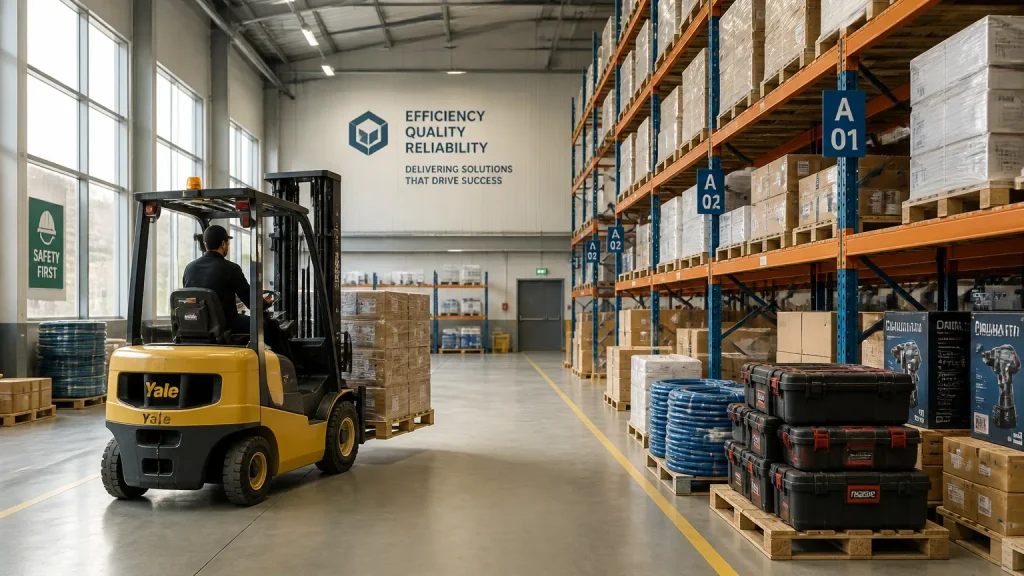
Efficient logistics services are the backbone of a successful supply chain. Whether you’re managing a manufacturing facility, construction project, warehouse, or industrial operation, moving materials quickly and accurately is essential for maintaining productivity and controlling costs.
Modern logistics extends far beyond simply transporting products from one location to another. It includes inventory management, warehousing, order fulfillment, freight coordination, route optimization, and real-time shipment tracking. Together, these services help businesses improve operational efficiency while reducing unnecessary expenses.
Organizations that invest in reliable logistics partners often experience faster deliveries, better inventory control, fewer disruptions, and higher customer satisfaction.
1. Increased Efficiency and Faster Deliveries
One of the greatest advantages of professional logistics services is improved operational efficiency.
Efficient logistics providers help eliminate bottlenecks by coordinating transportation, warehousing, and scheduling to keep materials moving through the supply chain.
Benefits include:
- Faster order fulfillment
- Reduced downtime
- Shorter lead times
- Improved job scheduling
- Better coordination between suppliers and customers
When materials arrive on schedule, projects stay on track and production interruptions are minimized.
Reliable deliveries also improve customer confidence and strengthen long-term business relationships.
2. Lower Operating Costs
Effective logistics management helps businesses reduce costs throughout the supply chain.
Common cost-saving strategies include:
- Optimized transportation routes
- Consolidated shipments
- Reduced fuel consumption
- Lower storage costs
- Fewer expedited shipments
- Reduced product damage
- Improved warehouse efficiency
Rather than focusing solely on shipping costs, businesses should evaluate the total cost of ownership.
A dependable logistics provider helps minimize hidden expenses such as:
- Inventory carrying costs
- Product returns
- Emergency freight
- Material shortages
- Production delays
Over time, these savings can significantly improve profitability.
3. Better Inventory Management
Inventory control is one of the most important aspects of supply chain performance.
Professional logistics services help businesses maintain the right inventory levels by improving visibility and reducing uncertainty.
Benefits include:
- Reduced stock shortages
- Less excess inventory
- Better forecasting
- Improved warehouse organization
- Faster inventory turnover
Many logistics providers offer real-time inventory tracking, allowing managers to monitor inventory levels and shipments from a centralized system.
Improved visibility helps businesses respond quickly to changing customer demand while reducing unnecessary inventory costs.
4. Improved Supply Chain Visibility
Modern logistics solutions provide valuable insight into every stage of the supply chain.
Real-time tracking allows businesses to monitor:
- Shipment locations
- Delivery status
- Inventory movement
- Warehouse activity
- Carrier performance
- Estimated arrival times
Greater visibility helps identify potential problems before they affect operations.
Instead of reacting to delays after they occur, companies can proactively adjust production schedules or communicate updated delivery information to customers.
5. Risk Reduction and Greater Flexibility
Supply chain disruptions can occur unexpectedly due to:
- Severe weather
- Transportation delays
- Labor shortages
- Supplier issues
- Equipment failures
- Material shortages
Strong logistics planning helps reduce these risks through contingency planning and diversified transportation options.
Experienced logistics providers often maintain relationships with multiple carriers and distribution centers, allowing shipments to be rerouted when necessary.
This flexibility helps minimize downtime and keeps operations moving even during unexpected disruptions.
6. Scalable Logistics Solutions
As businesses grow, logistics requirements become more complex.
Professional logistics services provide scalable solutions that can adapt to changing business needs.
Examples include:
- Seasonal inventory increases
- New product launches
- Multiple warehouse locations
- Geographic expansion
- Increased shipping volume
Scalable logistics systems allow companies to grow without having to build an entirely new distribution network.
7. Improved Customer Satisfaction
Customers expect accurate, on-time deliveries.
Reliable logistics helps businesses consistently meet those expectations through:
- Faster shipping
- Accurate order fulfillment
- Reduced shipping errors
- Better communication
- Real-time tracking
Satisfied customers are more likely to become repeat buyers and recommend your business to others.
In competitive industries, dependable logistics can become a significant competitive advantage.
8. Support for Sustainable Operations
Many organizations are working to reduce their environmental impact.
Modern logistics providers support sustainability by:
- Optimizing delivery routes
- Reducing fuel consumption
- Consolidating shipments
- Using fuel-efficient vehicles
- Minimizing packaging waste
These improvements reduce operating costs while supporting corporate sustainability goals.
Many customers also prefer working with companies that demonstrate environmentally responsible business practices.
Choosing the Right Logistics Partner
Not every logistics provider offers the same level of service.
When evaluating potential partners, consider factors such as:
- Industry experience
- Geographic coverage
- Technology capabilities
- Warehouse capacity
- On-time delivery performance
- Customer service
- Inventory management tools
- Transportation network
- Scalability
- Safety record
A logistics partner should function as an extension of your business, helping improve efficiency while supporting long-term growth.
Frequently Asked Questions
What are logistics services?
Logistics services include transportation, warehousing, inventory management, order fulfillment, freight coordination, distribution, and supply chain planning that help move products efficiently from suppliers to customers.
How do logistics services reduce costs?
They reduce costs by optimizing transportation routes, improving inventory management, minimizing storage expenses, reducing product damage, and increasing overall operational efficiency.
Why is inventory management important?
Proper inventory management helps businesses avoid stock shortages, reduce excess inventory, improve cash flow, and maintain efficient operations.
How do logistics providers improve supply chain visibility?
Many providers offer real-time shipment tracking, inventory monitoring, warehouse management systems, and reporting tools that allow businesses to monitor their supply chain more effectively.
Can logistics services help small businesses?
Yes. Small businesses often benefit from outsourcing logistics because it reduces overhead costs, improves delivery performance, and provides access to professional supply chain expertise without investing in large internal logistics operations.
Conclusion
Effective logistics services are essential for maintaining an efficient, resilient, and cost-effective supply chain. From inventory management and transportation to warehousing and order fulfillment, the right logistics strategy helps businesses improve productivity, reduce operating costs, minimize disruptions, and deliver a better customer experience.
Whether you’re managing a manufacturing facility, warehouse, construction project, or industrial operation, investing in dependable logistics solutions positions your business for long-term success.
For industrial supplies, MRO products, maintenance equipment, safety gear, fasteners, power tools, and material handling solutions that help keep your operations running efficiently, CEM Industrial Supply provides the products professionals depend on every day.