
Understanding the Gears of Industry
Industrial gearboxes are the unsung heroes of countless manufacturing processes. They take the raw power from a motor and transform it into the precise speed and torque needed to drive everything from conveyor belts and mixers to heavy machinery on a factory floor. Think of them as the transmission in your car, but built for much tougher jobs and operating non-stop. When these crucial components aren’t working right, everything grinds to a halt. This can lead to costly downtime, production delays, and even damage to other connected equipment. That’s why understanding common gearbox problems and knowing how to address them is so important for any industrial operation.
These mechanical marvels, while robust, aren’t immune to issues. Wear and tear are inevitable with constant use. Over time, seals can degrade, lubricants can lose their effectiveness, and internal components can start to show signs of stress. Sometimes, external factors like extreme temperatures, contamination, or even improper installation can contribute to problems. Being able to spot the early warning signs and understand the root cause of these issues allows for timely intervention, often preventing minor problems from escalating into major breakdowns. This proactive approach saves money, reduces stress, and keeps your operations running smoothly.
This article will dive into some of the most frequent challenges faced by industrial gearboxes. We’ll break down what these problems look like, why they happen, and, most importantly, what can be done to fix them. Whether you’re a plant manager, maintenance technician, or someone involved in the operational side of industry, this information should give you a clearer picture of how to keep your gearboxes in top shape. We’ll cover everything from noisy operations and overheating to leaks and internal damage, offering practical insights into troubleshooting and repair.
For those interested in understanding more about the maintenance and repair of industrial gearboxes, a related article that provides valuable insights is available at this link: What’s in Our Rental Lineup. This article discusses various equipment options available for rental, which can be crucial for businesses looking to minimize downtime during gearbox repairs. By exploring rental solutions, companies can effectively manage their operations while addressing common gearbox issues and implementing the necessary repairs.
The Whispers and Roars: Diagnosing Unusual Noises
One of the first indicators that something might be amiss with an industrial gearbox is a change in its sound. Gearboxes are designed to operate with a certain level of background hum or whirring. When new sounds emerge, or existing ones become louder or change in pitch, it’s a clear signal to pay attention. These auditory clues are often the earliest warning signs of developing problems, allowing for investigation before significant damage occurs. Ignoring these sounds can lead to more extensive and expensive repairs down the line.
Grinding and Scraping: Signs of Tooth Damage
A persistent grinding or scraping noise coming from a gearbox often points to issues with the gear teeth themselves. This could mean that teeth are chipped, worn down, or even broken. When gear teeth don’t mesh smoothly, they can create friction and noise as they try to engage. This can be caused by a lack of lubrication, contamination in the gearbox, or excessive shock loads that the gears are not designed to handle. In some cases, misalignment of shafts can also lead to improper meshing and the resulting noise.
The solution here typically involves a thorough inspection of the gear teeth. If the damage is minor, it might be possible to smooth out minor imperfections or replace individual gears. However, if the wear or damage is extensive, a complete gear set replacement might be necessary. It’s also crucial to identify the root cause of the tooth damage. Was it insufficient lubrication? Contamination? Or perhaps the gearbox is operating outside its designed parameters? Addressing the underlying issue is key to preventing future occurrences.
Whining and High-Pitched Sounds: Bearing or Seal Concerns
A high-pitched whining or squealing sound can often be attributed to problems with the bearings or seals within the gearbox. Bearings are essential for smooth rotation, and when they start to fail, they can produce distinct noises. This failure can be due to insufficient lubrication, contamination that causes abrasive wear, or simply the end of their operational lifespan. Seals, on the other hand, are designed to keep lubricants in and contaminants out. If a seal is leaking or damaged, it can lead to reduced lubrication of bearings and other internal components, consequently causing them to whine.
Troubleshooting these sounds involves carefully examining the bearings. This usually means removing the gearbox to gain access. If bearing failure is confirmed, replacement is the standard course of action. It’s also vital to check the lubrication system to ensure it’s delivering the correct amount of clean oil to the bearings. Similarly, any worn or damaged seals need to be replaced immediately to prevent further lubricant loss and contaminant ingress. Often, the replacement of bearings and seals goes hand-in-hand, as a failed seal can often lead to bearing wear.
The Heat is On: Addressing Overheating Issues
An industrial gearbox operating at excessively high temperatures is a serious concern. Lubricants break down at elevated temperatures, losing their ability to protect components. High heat can also cause seals to fail, leading to leaks, and can even warp or damage internal parts like gears and bearings. Understanding the causes of overheating is crucial for preventing catastrophic failures and ensuring the longevity of the gearbox.
Lubricant Breakdown: The Invisible Culprit
The primary function of gearbox oil is to reduce friction and dissipate heat. If the oil is old, contaminated, or of the wrong type, it won’t be able to perform these duties effectively. Over time, lubricants can degrade due to oxidation, thermal stress, and the absorption of moisture or particles. This breakdown means the oil’s viscosity changes, and its ability to provide a protective film between moving parts diminishes. As a result, friction increases, generating more heat, creating a vicious cycle.
The solution is to ensure the correct lubricant is used and that it’s changed at the recommended intervals. Regular oil analysis can help identify the condition of the lubricant and detect signs of degradation or contamination before it becomes a critical issue. Using a lubricant with the appropriate viscosity for the operating temperature and load is also essential. Switching to a synthetic lubricant might also offer better thermal stability and a longer service life in demanding applications.
Inadequate Cooling or Ventilation: The External Factor
Sometimes, the heat problem isn’t entirely within the gearbox itself but stems from external factors related to its operating environment. If the gearbox is housed in a confined space with poor airflow, it can struggle to dissipate the heat it generates. Similarly, if cooling systems, such as oil coolers or fan attachments, are clogged, damaged, or not functioning properly, the gearbox will retain heat. This is particularly relevant in high ambient temperature environments or in applications where the gearbox is working under heavy load for extended periods.
Addressing this requires an assessment of the gearbox’s surroundings and any attached cooling mechanisms. Ensuring adequate ventilation around the gearbox is fundamental. This might involve clearing obstructions, improving airflow, or even installing additional ventilation fans. If the gearbox has an oil cooler, it needs to be regularly inspected for blockages in the fins or internal passages. If the cooler is damaged or ineffective, it should be repaired or replaced. For very high-duty cycles, an upgrade to a more robust cooling system might be necessary.
The Leaky Situation: Identifying and Fixing Oil Leaks
Oil leaks are more than just a messy nuisance; they represent a critical failure in the gearbox’s containment system. A loss of lubricant means reduced lubrication for vital internal components, leading to increased wear, heat, and potential seizure. Leaks can also be a sign that seals are degrading or that there are cracks or damage to the gearbox housing. Promptly addressing leaks is paramount to maintaining the gearbox’s integrity and performance.
Worn Seals and Gaskets: The Usual Suspects
The most common reason for oil leaks is the degradation of seals and gaskets. These components are made of rubber or other flexible materials that can harden, crack, or lose their elasticity over time due to heat, chemical exposure, or simple aging. When seals fail, they can no longer create an effective barrier to prevent oil from escaping or contaminants from entering. Gaskets, which seal mating surfaces of the gearbox housing, can also become compressed or damaged, leading to leaks.
Repairing leaks caused by worn seals and gaskets involves identifying the specific seal or gasket that is failing and replacing it. This usually requires disassembling parts of the gearbox to gain access. It’s important to use high-quality replacement seals and gaskets that are compatible with the specific lubricant and operating conditions. Cleaning the sealing surfaces thoroughly before installing new seals and gaskets is also critical for ensuring a proper seal.
Housing Damage and Joint Sealing Issues: Deeper Problems
While worn seals are frequent culprits, leaks can also stem from more serious issues like cracks in the gearbox housing or problems with how different sections of the housing are joined. Vibrations, impacts, or manufacturing defects can cause hairline cracks to develop in the metal casing. If the housing is assembled from multiple parts, the seal between these parts, often created by a sealant or gasket, can fail.
If a leak is suspected to be from housing damage, a thorough visual inspection for any signs of cracks or deformation is necessary. Small cracks might sometimes be repaired through welding or epoxy application, depending on the material and severity. However, significant damage to the housing may necessitate the replacement of the entire component. When dealing with bolted or assembled housing sections, checking the integrity of the fasteners and the condition of the sealant or gasket between the sections is crucial. Sometimes, re-torquing bolts to the correct specifications can resolve minor leaks in these areas.
When addressing the challenges of industrial gearbox repair, it’s essential to understand the underlying build process of these critical components. A related article that delves into this topic is available at gearbox build process, which outlines the intricacies involved in manufacturing gearboxes. By familiarizing yourself with these details, you can better identify common problems and implement effective solutions during repair.
Internal Turmoil: Signs of Gear and Bearing Wear
When leaks and noises are addressed, or even if they haven’t been apparent, internal wear within a gearbox can still occur. This type of damage often manifests as a gradual decline in performance, reduced efficiency, or unexpected failures. Because it’s not always immediately obvious, regular internal inspections or oil analysis can be vital for early detection.
Gear Surface Damage: Beyond Simple Wear
Gear teeth can suffer various forms of surface damage beyond basic wear. Pitting, where small pits form on the surface, can be caused by fatigue or the presence of hard contaminants in the lubricant. Scoring, which appears as parallel scratches, often indicates a breakdown in lubrication. Spalling is a more severe form of pitting where larger flakes of metal are removed from the surface. These types of damage compromise the smooth meshing of teeth, leading to increased noise, vibration, and eventual failure.
The solution for gear surface damage depends on its severity. Minor pitting or scoring might be addressed by thorough cleaning, flushing, and replacing the lubricant. However, significant pitting, spalling, or scoring usually requires the replacement of the damaged gears or the entire gear set. It’s also essential to investigate the root cause, whether it’s a lubrication issue, contamination, or excessive loading, to prevent recurrence.
Bearing Failure Modes: A Spectrum of Problems
Bearings within a gearbox are subject to a variety of failure modes. Fatigue is a common cause, where repeated stress leads to the formation of cracks and spalling on the bearing raceways. Contamination can cause abrasive wear, etching, or even corrosion, significantly shortening the bearing’s lifespan. Overheating, as mentioned earlier, can lead to lubricant breakdown and accelerate wear. Misalignment or improper installation can also put uneven stress on bearings, leading to premature failure.
Repairing bearing issues typically involves replacing the damaged bearings. However, it’s critical to identify why the bearings failed in the first place. If the failure was due to lubrication issues, ensuring proper lubrication is key. If contamination was the cause, implementing better filtration and sealing practices is necessary. If misalignment is suspected, shaft alignment needs to be corrected. Simply replacing the bearings without addressing the underlying cause will only lead to repeat failures.
The Path to Renewal: Repair and Maintenance Strategies
Keeping industrial gearboxes running smoothly isn’t just about reacting to problems; it’s about implementing a robust strategy for maintenance and repair. A proactive approach minimizes downtime, extends equipment life, and ultimately saves money. This involves a combination of preventative measures, timely interventions, and expert repair services.
Preventative Maintenance: The First Line of Defense
Preventative maintenance is all about keeping things running well before they break. This includes regular visual inspections for leaks, unusual noises, and vibrations. Scheduled lubrication checks and oil analysis are also crucial. Oil analysis can detect early signs of wear metals, water contamination, or lubricant degradation, providing valuable insights into the gearbox’s internal condition without requiring a full teardown. Following manufacturer-recommended lubrication schedules and using the correct type and grade of lubricant is fundamental.
Regularly checking and cleaning breather caps to prevent moisture and contaminant ingress, and inspecting cooling systems for any blockages or damage are also vital components of preventative maintenance. Establishing a routine for these tasks ensures that potential problems are identified and addressed in their early stages, preventing them from escalating into major issues.
Expert Repair and Overhaul: When Prevention Isn’t Enough
Sometimes, despite the best preventative measures, gearboxes will require repair or overhaul. This is where engaging with qualified repair specialists becomes essential. They possess the expertise, specialized tools, and diagnostic equipment to accurately assess the extent of damage, recommend the most cost-effective solutions, and perform high-quality repairs.
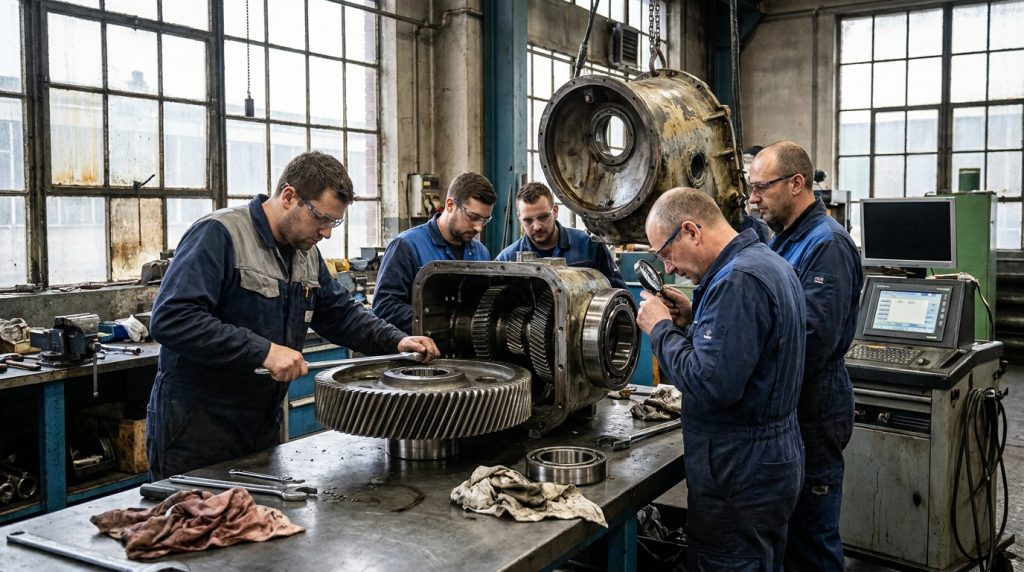
A thorough gearbox overhaul typically involves complete disassembly, cleaning of all components, inspection for wear or damage, replacement of worn parts (bearings, seals, gaskets, gears if necessary), reassembly, and rigorous testing to ensure it performs to original specifications. Choosing a reputable repair shop that uses genuine or high-quality aftermarket parts and provides a warranty on their work is crucial for ensuring the longevity and reliability of the repaired gearbox. They can also often identify underlying design or operational issues that may have contributed to the failure, offering recommendations for future improvements.