
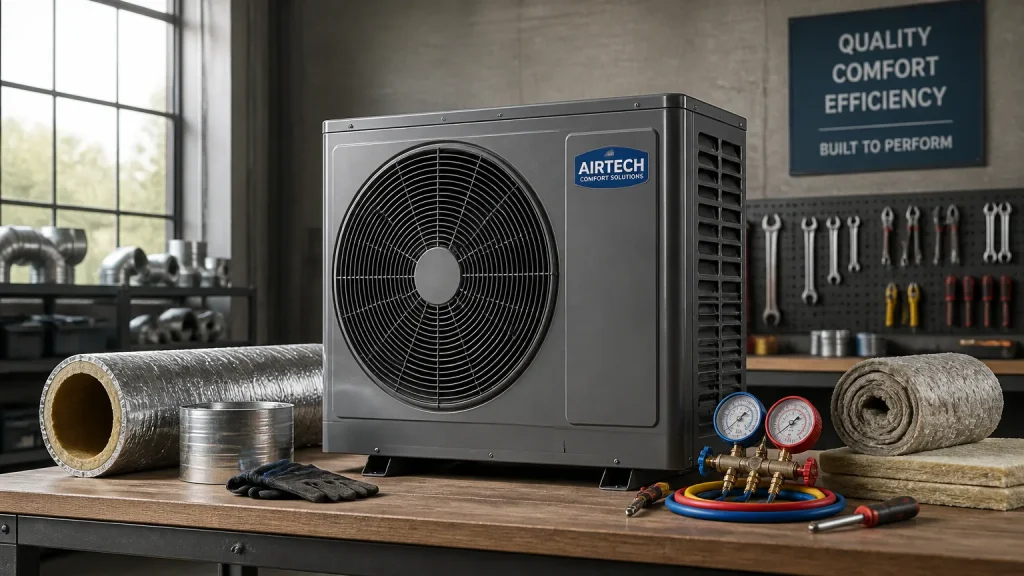
Choosing the right HVAC systems for your business is crucial for creating a comfortable work environment. In southern Michigan, where winters are frigid and summers can be sweltering, your HVAC choice directly impacts employee productivity and comfort. A reliable system not only regulates temperature but also enhances air quality, making it essential for any commercial space.
Climate challenges in this region require careful consideration. With significant temperature swings, businesses need HVAC systems that can efficiently handle both heating and cooling demands. Energy efficiency is another key factor. An efficient system can reduce utility costs and improve your bottom line.
Additionally, selecting the right HVAC system is an investment in your business’s future. Regular maintenance, including Power Tool Maintenance Tips to Extend the Life of Your Equipment, can prolong the life of your system, ensuring it runs effectively for years to come.
As you navigate your options, understanding these factors will guide you in making an informed decision that keeps your business comfortable year-round. Let’s explore what you need to know before making your choice.
1. Assess Your Business’s Heating and Cooling Needs
To choose the right HVAC systems, start by evaluating your business’s specific heating and cooling requirements. Begin with the size of your building. Larger spaces require more powerful systems, while smaller areas may need less.
Location also plays a crucial role. Businesses in colder climates will have different needs compared to those in warmer regions. Consider seasonal temperature variations when making your assessment.
Next, focus on insulation and air leakage. Proper insulation helps maintain desired temperatures, reducing the workload on your HVAC system. Check for drafts and seal any leaks to enhance efficiency. A well-insulated building can lead to significant energy savings.
Finally, analyze your usage patterns. If your business operates during peak hours, your HVAC needs may differ from those with varying schedules. Understanding these factors will help you select an HVAC system that meets your specific demands effectively.
2. Consider Energy Efficiency Ratings
Energy efficiency ratings are crucial when selecting HVAC systems for your business. The Seasonal Energy Efficiency Ratio (SEER) and Annual Fuel Utilization Efficiency (AFUE) ratings indicate how effectively a system uses energy. Higher ratings mean better efficiency, which can lead to significant savings on your utility bills over time.
For example, a unit with a SEER rating of 16 can save you up to 50% on cooling costs compared to an older model with a SEER of 10. This is not just a one-time benefit; these savings accumulate year after year.
Look for ENERGY STAR certified models. They meet strict efficiency guidelines set by the U.S. Environmental Protection Agency. Choosing these reliable systems ensures you’re investing in quality while reducing your business’s carbon footprint. Prioritizing energy efficiency will pay off in the long run, both financially and environmentally.
3. Choose Between Central and Ductless Systems
When selecting HVAC systems, consider whether a central or ductless system suits your business needs. Central systems are effective for larger spaces, providing uniform heating and cooling. However, installation can be costly, requiring ductwork that may not be practical in some buildings.
Ductless systems, on the other hand, are versatile and efficient. They work well in smaller spaces or areas where ductwork isn’t feasible. Each unit operates independently, allowing for customized comfort in different zones. This flexibility can lead to energy savings and lower utility bills.
Cost is a key factor. Ductless systems typically have a higher upfront cost but can save you money over time through lower energy consumption. Installation is often quicker and less invasive, making it a practical choice for renovations or additions.
Evaluate your space and heating/cooling needs to determine which system aligns best with your business operations.
4. Evaluate Installation and Maintenance Options
Choosing qualified professionals for installing your HVAC systems is crucial. Proper installation directly impacts system performance. A well-installed system runs efficiently, reducing energy costs and enhancing comfort.
Routine maintenance is equally important for longevity. Regular check-ups help identify potential issues before they escalate. By maintaining your HVAC system, you can extend its life and maintain optimal performance.
Consider creating a maintenance schedule with your installer. This proactive approach minimizes downtime and ensures your system operates at peak efficiency.
Don’t overlook the value of investing in quality service. Proper care can save you money in the long run. For more insights, check out our article on Power Tool Maintenance Tips to Extend the Life of Your Equipment. Prioritizing your HVAC system’s installation and maintenance sets your business up for success.
5. Budget for Your HVAC System
When budgeting for your HVAC system, consider the total cost of ownership. This includes not just the initial purchase price, but also ongoing energy costs. Energy-efficient HVAC systems may have a higher upfront cost but can lead to substantial savings over time.
For example, a system with a higher SEER rating may save you hundreds on energy bills each year. Weigh these initial costs against potential long-term savings to find the best fit for your business.
Additionally, explore financing options. Many manufacturers and local utilities offer incentives or payment plans that can ease the burden of upfront investments. These options can make it easier to invest in a more efficient system, ultimately benefiting your bottom line.
By carefully evaluating both immediate expenses and future savings, you can make a well-informed decision that supports your business’s financial health.
Final Thoughts on Choosing the Right HVAC System
Choosing the right HVAC system is crucial for your business’s comfort and efficiency. Always match your system to your specific needs. Assess your space, usage patterns, and the type of work you do. This tailored approach ensures optimal performance and satisfaction.
Remember to continually evaluate your system’s energy efficiency. Regular checks can lead to significant cost savings over time. Investing in the right HVAC system not only enhances comfort but also supports your bottom line.
For deeper insights into maintaining your equipment, consider exploring Understanding the Different HVAC Technologies. Making informed choices today sets you up for success tomorrow.