
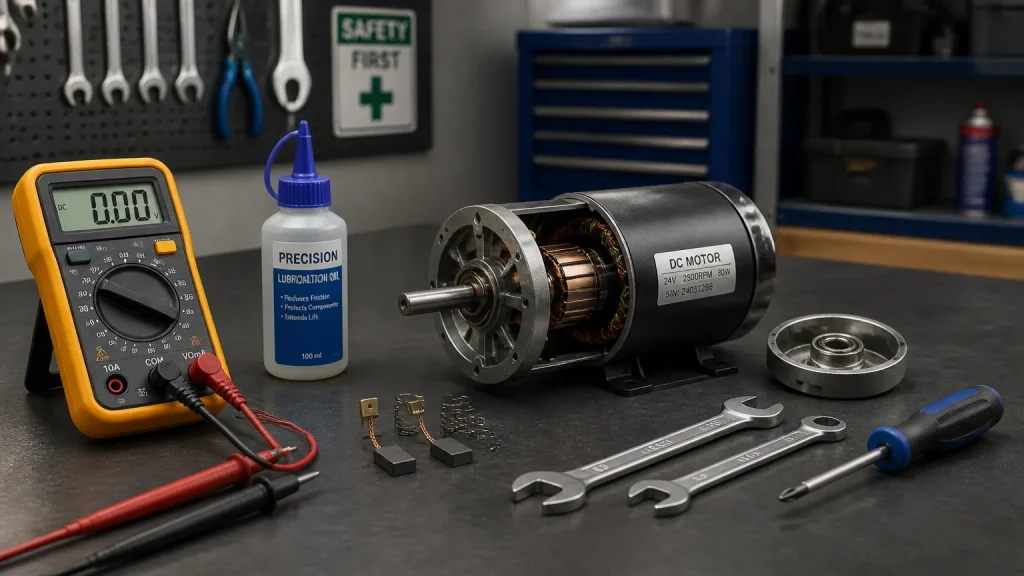
DC motor maintenance is crucial for ensuring the longevity and efficiency of these widely used machines. For contractors and manufacturers in Southern Michigan, a well-maintained DC motor translates directly to improved performance and reduced downtime. The local climate can present unique challenges, making tailored maintenance practices even more important.
Understanding how factors like humidity and temperature fluctuations affect motor performance can help you develop effective care routines. Regular inspections and proper lubrication are just a couple of ways to mitigate wear and tear. By prioritizing maintenance, you can avoid costly repairs and maximize productivity on the job.
This guide will cover essential maintenance practices, offering practical tips to help you keep your DC motors running smoothly. With the right approach, maintaining these vital components becomes a straightforward task, ensuring your operations remain efficient and reliable.
Regular Inspection: The First Line of Defense
Routine inspections are crucial for effective DC motor maintenance. They help catch issues early, preventing costly repairs down the line. Start by conducting visual checks. Look for signs of wear and tear, such as frayed wires or cracked housings. These are indicators that maintenance is needed.
During operation, pay attention to unusual sounds. A grinding or whining noise could suggest misalignment or insufficient lubrication. Addressing these sounds promptly can save you time and money.
Also, check for overheating. A motor that runs hot may indicate electrical issues or excessive friction. Regularly cleaning dust and debris from the motor can help maintain optimal performance.
Don’t forget to inspect connections and terminals. Loose or corroded connections can lead to power loss and reduced efficiency. Tightening and cleaning these parts should be part of your routine.
By staying proactive with inspections, you ensure your DC motors run smoothly and efficiently. This not only prolongs their lifespan but also enhances your overall productivity.
Proper Lubrication Techniques to Ensure Smooth Operation
Lubrication is crucial for maintaining DC motors. Proper lubrication reduces friction, which helps prevent wear and tear on moving parts. Using the right type of lubricant is essential to avoid damaging your motor. Always refer to the manufacturer’s recommendations for the best product to use.
Knowing when to lubricate is equally important. A good rule of thumb is to check the motor every few months, especially if it operates under heavy loads. If you notice any unusual sounds or increased heat, it’s time to inspect and lubricate.
When applying lubricant, focus on key areas like bearings and shafts. Use a precision applicator to ensure even distribution. Avoid over-lubricating, as it can attract dirt and debris, leading to more problems.
For best results, use a high-quality, non-corrosive lubricant. This will ensure smooth operation and extend the life of your DC motor. By incorporating these lubrication techniques into your DC motor maintenance routine, you can keep your motors running efficiently and reliably.
Electro-Mechanical Cleaning: Keeping Components Dust-Free
Dust and debris can significantly impact the performance of your DC motors. They can lead to overheating, which may damage sensitive components. Regular cleaning is essential to maintain optimal functionality and avoid costly repairs.
Start by disconnecting the motor from its power source. Use a soft brush or compressed air to remove loose dust from the exterior and vents. Be careful around sensitive parts; abrasive materials can cause damage.
For deeper cleaning, consider using a lint-free cloth lightly dampened with an appropriate cleaner. Choose products specifically designed for electro-mechanical components. Avoid harsh chemicals that could harm the motor.
Also, inspect the motor’s internal components. Build-up in these areas can hinder operation. If you notice persistent issues, it might be time to explore whether your motor needs rewinding. For guidance, check out our article on How to Know When Your Motor Needs Rewinding.
By incorporating these cleaning practices into your DC motor maintenance routine, you ensure longevity and efficient performance.
Recognizing Signs of Wear: Bearings vs. Windings
Identifying the source of a DC motor issue is crucial for effective maintenance. Mechanical failures typically stem from the bearings, while electrical issues are often related to the windings. Understanding these differences can guide your repair decisions.
Listen for unusual noises. Grinding or squeaking sounds often indicate worn bearings. These may require lubrication or replacement. If the motor runs hot or shows inconsistent performance, the windings might be the issue. Look for signs of discoloration or burning, which signal electrical failure.
Timely intervention is key. Addressing bearing issues early can prevent cascading failures that lead to costly repairs. If you notice vibrations or increased operational noise, inspect the bearings first. Conversely, if performance dips suddenly, it may point to winding problems.
Regular inspections are your best defense. A thorough check can help you catch these signs early, saving you money in the long run. Stay ahead of potential problems, and your DC motor maintenance will keep your operations running smoothly.
Final Thoughts on Maintaining Your DC Motors
In summary, effective DC motor maintenance is crucial for longevity and efficiency. Regular inspections, cleaning, and lubrication are key techniques that ensure your motors perform optimally. By staying proactive, you can catch potential issues early, preventing costly downtime.
Educating yourself on the latest best practices in motor care will further enhance your maintenance efforts. This knowledge empowers you to make informed decisions about your equipment. For example, knowing when to replace a motor instead of rewinding can save time and resources. For more insights on this topic, check out our guide on When to Replace Instead of Rewind: A Motor Repair Decision Checklist.
By committing to ongoing care, you can keep your DC motors running smoothly and efficiently, ultimately boosting your productivity on the job. Stay diligent, and your motors will reward you with reliable performance.