
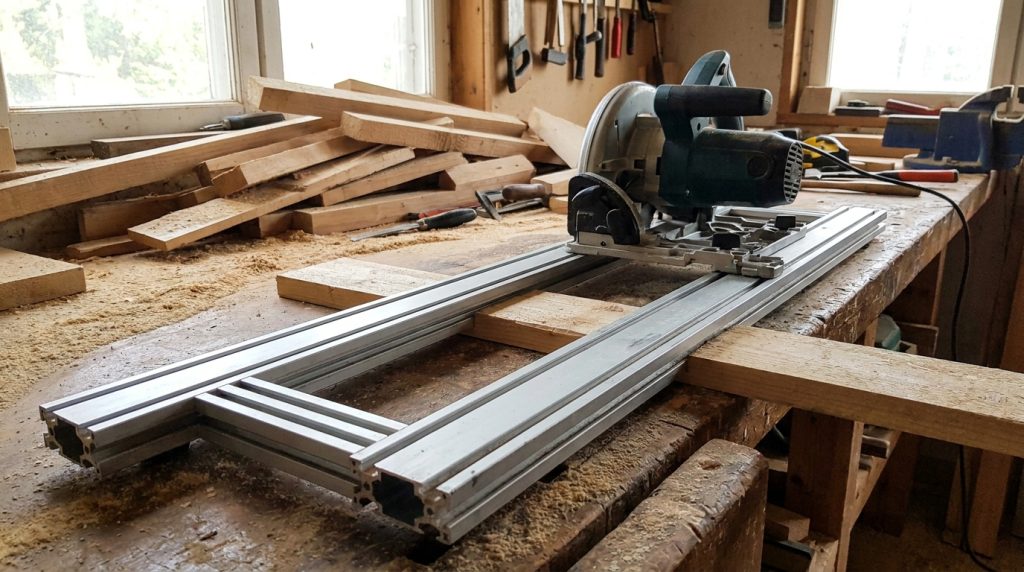
A circular saw is a powerful tool, and the blade is the heart of its cutting ability. Whether you are building a shelf, trimming plywood, framing a wall, or serving your family and community through practical work, the right circular saw blade can make the job safer, cleaner, and more peaceful.
This circular saw blade guide is written for beginners, DIY homeowners, woodworkers, and anyone who wants to understand the basics without feeling overwhelmed. You do not need to be an expert. You only need a willingness to learn, move carefully, and respect the tool in your hands.
In Bhakti Yoga, the path of loving devotion, we learn that even ordinary work can become sacred when offered with sincerity. The Bhagavad Gita teaches, “Whatever you do… do it as an offering to Me” (Bhagavad Gita 9.27). This does not mean every task must look religious from the outside. It means we can bring prayer, patience, humility, and care into what we do.
Even choosing a saw blade can become part of a thoughtful life—one where we seek to act with attention, safety, and service.
For those looking to enhance their woodworking skills, understanding the importance of a high-quality circular saw blade is essential. A related article that delves into the significance of investing in the right power tool accessories is available at Power Tool Accessories That Matter and the Ones That Just Waste Money. This piece provides valuable insights into which accessories can truly improve your projects and which ones may not be worth the expense.
What Is a Circular Saw Blade?
A circular saw blade is a round cutting disc with sharp teeth around its edge. It spins at high speed to cut through materials like wood, plywood, metal, plastic, laminate, or masonry, depending on the blade type.
Not every blade is made for every task. Using the wrong blade can cause rough cuts, burned edges, splintering, blade damage, or even dangerous kickback. Using the right blade helps your saw work smoothly and helps protect you and your project.
The Blade and the Saw Must Match
Before buying a blade, check your circular saw’s manual or the label on the saw. You need to know:
- Blade diameter
- Arbor size
- Maximum RPM rating
- Saw type
- Material you plan to cut
The blade diameter is the full size of the blade, often 7-1/4 inches for standard handheld circular saws. The arbor is the center hole that fits onto the saw’s shaft. If the arbor size is wrong, the blade will not fit properly.
The blade’s maximum RPM rating should be equal to or higher than your saw’s RPM. This is very important for safety.
A Simple Example
If your saw takes a 7-1/4-inch blade with a 5/8-inch arbor, you should choose a blade with those same measurements. If you are cutting framing lumber, a general-purpose or framing blade may work well. If you are cutting fine plywood, you may need a higher-tooth-count finish blade.
Small choices like these make a big difference.
Main Types of Circular Saw Blades
There are many circular saw blades, but most fall into a few main categories. Each type is designed for a certain purpose.
Rip-Cut Blades
A rip-cut blade is designed to cut along the grain of wood. These blades usually have fewer teeth and larger spaces, called gullets, between the teeth. They remove material quickly and are useful when speed matters more than a perfectly smooth edge.
Rip blades are common in rough carpentry and framing work. They are strong, fast, and practical.
Crosscut Blades
A crosscut blade is made to cut across the grain of wood. These blades usually have more teeth than rip blades, creating a cleaner cut with less tearing.
If you are cutting boards to length or working on visible pieces, a crosscut blade can help you achieve a smoother result.
Combination Blades
A combination blade is designed to handle both ripping and crosscutting reasonably well. It may not be perfect for every specialized task, but it is very useful for general DIY work.
For many homeowners, a good combination circular saw blade is a wise first choice. It can cut dimensional lumber, plywood, and other common wood materials with acceptable results.
Finish Blades
Finish blades have a higher tooth count and are made for clean, smooth cuts. They are useful for trim, plywood, paneling, and other projects where appearance matters.
If you are building furniture, shelving, or anything visible in the home, a finish blade can reduce splintering and give your work a more polished look.
Specialty Blades
Specialty blades are made for specific materials or cutting needs. These may include:
- Metal-cutting blades
- Masonry blades
- Laminate blades
- Fiber cement blades
- Plastic-cutting blades
- Diamond blades for tile, stone, or concrete
Always choose a blade that is clearly rated for the material you are cutting. A wood blade should not be used on metal or masonry.
Please check out our latest article at https://cemindustrialsupply.com/news/ for more information.
Choosing a Circular Saw Blade by Material
One of the most important parts of any circular saw blade guide is matching the blade to the material. This keeps the cut cleaner and helps prevent unsafe conditions.
Cutting Softwood and Framing Lumber
For softwoods like pine, fir, and spruce, a framing blade or general-purpose blade is usually suitable. These blades commonly have 18 to 24 teeth on a 7-1/4-inch blade.
They cut quickly and are excellent for construction work, such as building walls, decks, or outdoor structures. The cut may not be furniture-smooth, but it is efficient.
Cutting Hardwood
Hardwood requires more care. Oak, maple, walnut, and similar woods are denser than softwood. A blade with more teeth can help produce a cleaner cut and reduce tear-out.
For hardwood, consider a 40-tooth or higher blade, depending on the finish you need. Move slowly and let the blade do the work. Forcing the saw can lead to burning or rough edges.
Cutting Plywood
Plywood can splinter easily, especially on the top surface. For cleaner plywood cuts, use a fine-tooth blade, often 40 to 60 teeth for a standard circular saw.
You can also place painter’s tape along the cut line to reduce splintering. Cutting with the good face down is often helpful with a handheld circular saw, because the blade teeth usually enter from below and exit from above.
Cutting MDF and Particle Board
MDF and particle board are dense manufactured materials. They can dull blades faster than natural wood. A carbide-tipped blade with a higher tooth count is usually best.
Wear proper dust protection when cutting MDF. The dust can be fine and irritating. A dust mask or respirator, good ventilation, and eye protection are very important.
Cutting Metal
To cut metal, use a blade specifically designed for metal. Do not use a regular wood-cutting blade. Metal-cutting blades are made differently and are rated for the heat and friction involved.
Also check whether the blade is designed for ferrous metals, like steel, or non-ferrous metals, like aluminum and copper. These are not always the same.
Cutting Masonry, Tile, or Concrete
For masonry, stone, tile, or concrete, a diamond blade is commonly used. These blades grind rather than cut like wood blades. Some are made for dry cutting, while others require water cooling.
Always follow the blade instructions. Masonry cutting creates dust that can be harmful, especially silica dust. Use proper protection and follow local safety guidelines.
If you’re looking to enhance your woodworking projects, understanding the importance of a circular saw blade guide can be crucial. A well-designed guide not only improves accuracy but also ensures safety during cutting. For more insights on optimizing your cutting tools, you might find this related article on saw blade maintenance particularly helpful. It covers essential tips that can prolong the life of your blades and improve performance, making your woodworking experience even more enjoyable.
Understanding Tooth Count, Tooth Shape, and Kerf
A circular saw blade may look simple, but small design details affect how it cuts. Tooth count, tooth shape, and kerf all matter.
Tooth Count
Tooth count refers to the number of teeth around the blade. In general:
- Fewer teeth cut faster but rougher
- More teeth cut slower but smoother
For a 7-1/4-inch circular saw blade:
- 18–24 teeth: fast rough cuts, framing
- 40 teeth: general-purpose cleaner cuts
- 60 teeth or more: fine finish cuts, plywood, trim
The right tooth count depends on whether speed or smoothness is more important.
Tooth Shape
Different tooth shapes are designed for different materials and finishes.
An Alternate Top Bevel tooth, often called ATB, has teeth that alternate angles. This helps slice wood fibers cleanly and is common for crosscutting and plywood.
A Flat Top Grind tooth, or FTG, has flat teeth and is often used for ripping along the grain.
A Triple Chip Grind tooth, or TCG, is strong and often used for harder materials like laminate, plastic, or non-ferrous metal.
You do not need to memorize every technical term at first. Simply read the blade packaging carefully. It usually tells you the best use.
Kerf Width
Kerf is the width of the cut made by the blade. A thin-kerf blade removes less material, which can make cutting easier for smaller saws or battery-powered circular saws.
A full-kerf blade may be stronger and more stable, but it requires more power. Many DIY users prefer thin-kerf blades because they cut efficiently and reduce waste.
In spiritual life, there is a simple lesson here: small differences matter. Just as the right kerf can make work smoother, a small daily practice—one prayer, one kind word, one moment of remembrance—can gently shape the heart.
If you’re looking to enhance your woodworking skills, understanding the importance of a quality circular saw blade guide can significantly improve your precision and efficiency. For those interested in exploring more about tools that can elevate your projects, you might find this insightful article on reliable rental equipment particularly helpful. It offers a comprehensive overview of various tools and equipment that can complement your circular saw, ensuring you achieve the best results in your woodworking endeavors.
Circular Saw Blade Sizes and Compatibility
Circular saw blades come in different sizes. The correct size depends on your saw.
Common Blade Sizes
Common circular saw blade sizes include:
- 4-1/2 inches
- 5-3/8 inches
- 6-1/2 inches
- 7-1/4 inches
- 8-1/4 inches
- 10 inches
- 12 inches
The 7-1/4-inch blade is one of the most common sizes for handheld circular saws. Cordless saws often use 6-1/2-inch or 7-1/4-inch blades, depending on the model.
Arbor Size
The arbor hole must match your saw. Many 7-1/4-inch blades have a 5/8-inch arbor, but you should always check.
Some blades include reducer rings or knock-out arbor options, but use them only as instructed by the manufacturer. A blade that does not sit securely can be very dangerous.
RPM Rating
Every blade has a maximum RPM rating. Your saw should not spin faster than the blade is rated to handle. If the blade is not rated for your saw’s speed, do not use it.
This is one of those quiet safety details that can be easily overlooked. But careful attention protects the body, and the body is a gift. In Bhakti Yoga, we see the body as an instrument for seva, which means loving service. We care for it so we can serve well.
How to Choose the Best Circular Saw Blade for Your Project
Choosing the best circular saw blade does not have to be complicated. Begin with the project in front of you.
Ask What You Are Cutting
The first question is simple: What material am I cutting?
Wood, plywood, metal, plastic, tile, and concrete may each require different blades. If you are unsure, choose a blade clearly labeled for that material.
Ask What Quality of Cut You Need
Next ask: Does the cut need to be rough or clean?
For hidden framing work, a fast framing blade is usually fine. For visible shelves, trim, cabinets, or furniture pieces, choose a finish blade with more teeth.
Ask What Saw You Are Using
Your saw’s size and power matter. A smaller cordless saw may perform better with a thin-kerf blade. A larger corded saw can usually handle heavier blades.
A Simple Beginner Setup
If you are new to circular saws, you may want to keep three blades:
- A 24-tooth framing blade for rough construction cuts
- A 40-tooth general-purpose blade for everyday projects
- A 60-tooth finish blade for plywood and cleaner cuts
This simple set can handle many home projects.
Circular Saw Blade Safety
Safety is not separate from skill. It is part of skill. A wise worker respects the tool, the material, and the moment.
Wear Proper Protection
Before cutting, use:
- Safety glasses
- Hearing protection
- Dust mask or respirator when needed
- Work gloves when handling blades
- Proper footwear
Avoid loose clothing, jewelry, or anything that could catch.
Inspect the Blade
Before installing or using a blade, check for:
- Missing teeth
- Cracks
- Warping
- Heavy rust
- Resin buildup
- Dull edges
Do not use a damaged blade. A blade spinning at high speed must be in good condition.
Install the Blade Correctly
Unplug the saw or remove the battery before changing the blade. Make sure the teeth face the correct direction. Most saws have an arrow showing blade rotation.
Tighten the arbor nut securely, but do not over-tighten. Follow your saw’s manual.
Support the Material
Always support the workpiece properly. If the material pinches the blade, it can cause kickback. Kickback happens when the saw suddenly jumps backward or upward, and it can be very dangerous.
Let the offcut fall away freely when possible. Avoid cutting between two supports in a way that traps the blade.
Use a Steady Mind
Rushing increases risk. If you feel distracted, angry, tired, or anxious, pause.
In Bhakti practice, mantra meditation helps steady the mind. A mantra is a sacred sound or prayer repeated for spiritual focus. Many people chant the Hare Krishna maha-mantra, a prayer asking to be engaged in loving service to God:
Hare Krishna, Hare Krishna, Krishna Krishna, Hare Hare
Hare Rama, Hare Rama, Rama Rama, Hare Hare
Even one quiet prayer before beginning work can help us remember patience and humility.
How to Get Cleaner Cuts with a Circular Saw Blade
A good blade is important, but technique also matters.
Mark the Cut Clearly
Use a sharp pencil, straightedge, or chalk line. A clear cut line helps prevent wandering.
For long straight cuts, use a guide rail, clamped straight board, or circular saw track. This is especially helpful for plywood.
Use the Right Blade Depth
Set the blade depth so the teeth extend only slightly below the material, often about 1/4 inch. Too much blade exposure can increase risk and make the cut rougher.
Cut at a Steady Pace
Do not force the saw. If the saw slows down, the blade may be dull, the material may be binding, or you may be pushing too hard.
Let the blade cut. Your role is to guide it.
This is also a gentle spiritual lesson. In Bhakti Yoga, bhakti means loving devotion. Growth is not forced. We practice sincerely, and grace works in its own time.
Reduce Splintering
To reduce splintering:
- Use a fine-tooth blade
- Place painter’s tape along the cut line
- Cut with the finished face down
- Support the sheet fully
- Use a straight guide
- Score the cut line first if needed
Clean cuts come from preparation, patience, and the right blade.
Maintaining and Storing Circular Saw Blades
A blade that is cared for will cut better and last longer.
Clean Resin and Pitch
Wood resin can build up on the blade teeth. This makes the blade cut poorly and may cause burning.
Use a blade cleaner or a safe household cleaning solution recommended for tools. Remove the blade from the saw first. Use a soft brush, not anything that will damage the carbide tips.
Sharpen or Replace Dull Blades
A dull blade is not just inconvenient; it can be unsafe. Signs of a dull blade include:
- Burning wood
- More sawdust than usual
- Slow cutting
- Rough edges
- Increased vibration
- Needing to push harder
Some carbide-tipped blades can be professionally sharpened. Cheaper blades may be better replaced.
Store Blades Safely
Store blades where the teeth will not strike other tools. You can use blade cases, wall hooks, cardboard sleeves, or a simple wooden blade rack.
Avoid moisture to prevent rust. Keep blades away from children.
Care is a form of gratitude. When we care for our tools, we honor the work they help us do.
Troubleshooting Common Circular Saw Blade Problems
Even with the right blade, problems can happen. Here are common issues and simple causes.
Burn Marks on Wood
Burn marks may come from:
- A dull blade
- Cutting too slowly
- Resin buildup
- Wrong blade type
- Misaligned saw
- Forcing the blade through hardwood
Try cleaning the blade, switching to a sharper blade, or adjusting your cutting speed.
Rough or Splintered Cuts
Splintering may happen because:
- Tooth count is too low
- Blade is dull
- Material is unsupported
- Wrong side is facing up
- You are cutting too fast
Use a fine-tooth blade and support the material well.
Saw Binding or Kickback
Binding may happen when the workpiece closes around the blade. Make sure the material is supported so the cut opens rather than pinches.
Do not twist the saw during the cut. Keep both hands steady and stay aligned.
Excessive Vibration
Vibration can come from:
- Warped blade
- Loose arbor nut
- Dirty blade
- Damaged teeth
- Incorrect blade size
- Saw bearing problems
Stop immediately and inspect the saw and blade. Do not continue cutting if something feels wrong.
Practical Circular Saw Blade Buying Tips
When buying a circular saw blade, a little knowledge saves money and frustration.
Read the Packaging
Most blade packages clearly say what the blade is designed for. Look for words like:
- Framing
- Fine finish
- Plywood
- Laminate
- Metal
- Masonry
- Fiber cement
- General purpose
Also check blade diameter, arbor size, tooth count, and RPM rating.
Choose Carbide-Tipped Blades for Wood
Carbide-tipped circular saw blades usually last longer than plain steel blades. They stay sharp through more cuts and are widely available.
For most woodworking and DIY projects, carbide-tipped blades are a good choice.
Do Not Buy Only by Price
A very cheap blade may work for rough cuts, but it may dull quickly or produce poor results. A high-quality blade often saves time and gives cleaner cuts.
That said, you do not always need the most expensive blade. Choose the blade that fits the task.
Keep One Blade for Rough Work
If you sometimes cut dirty lumber, old boards, or wood that may contain nails, keep a separate rough-work blade. Do not use your best finish blade for harsh materials.
This protects your finer blades for projects where clean results matter.
Circular Saw Blade Guide for Common Projects
Here are simple blade suggestions for everyday tasks.
Building a Deck or Framing Wall
Use a 24-tooth framing blade. It cuts fast and handles construction lumber well.
Cutting Plywood Sheets
Use a 40-tooth to 60-tooth blade. For very clean cuts, use a fine-finish plywood blade and a straight guide.
Making Shelves
Use a fine-tooth blade, especially if the shelves will be visible. Sand the edges afterward for a smooth finish.
Cutting Trim or Molding
Use a high-tooth-count finish blade. Go slowly and support the material well.
Cutting Aluminum
Use a non-ferrous metal blade rated for aluminum. Clamp the material securely and wear eye protection.
Cutting Concrete Pavers
Use a diamond masonry blade rated for your saw and application. Control dust carefully and follow safety guidance.
Work, Service, and a Devotional Heart
A circular saw blade guide may seem far from spiritual life, but Bhakti Yoga teaches us that devotion can enter every part of life.
Bhakti means loving devotion to God. Yoga means connection. So Bhakti Yoga is the path of reconnecting with God through love. This love is practiced through chanting, prayer, hearing sacred wisdom, serving others, remembering God, and offering our daily actions with sincerity.
Seva: Work as Loving Service
Seva means service. It is not only temple service or formal religious service. Cooking for family, repairing a neighbor’s fence, building something useful, cleaning a workspace, or teaching someone safely can also become seva when done with a generous heart.
The Bhagavad Gita explains that work can bind us when done only for selfish gain, but work offered in a spirit of sacrifice and service can purify the heart (Bhagavad Gita 3.9). In practical terms, this means we can ask:
“How can this work serve?”
“How can I do this with honesty?”
“How can I protect others and myself?”
“How can I remember God in this moment?”
Sadhana: A Simple Daily Practice
Sadhana means spiritual practice. It can be simple. Before beginning a project, you might pause for a short prayer:
“Dear Lord, please help me work carefully. May this task be useful. May my hands be steady, my mind be peaceful, and my heart be humble.”
You might chant a mantra softly before starting. You might dedicate the finished work to the wellbeing of others.
Such small practices bring warmth into ordinary life.
Humility in Learning
Every craft teaches humility. A beginner makes mistakes. Even an expert keeps learning. A blade may wander. A cut may splinter. A measurement may be off.
In spiritual life too, we grow step by step. We do not need to pretend. We simply return to sincerity.
Final Thoughts on Choosing the Right Circular Saw Blade
The best circular saw blade is the one that fits your saw, matches your material, and supports the quality of cut you need. For rough framing, use a fast, lower-tooth-count blade. For plywood and finish work, choose a higher-tooth-count blade. For metal, masonry, laminate, or specialty materials, use a blade specifically designed for that purpose.
Always check blade size, arbor size, tooth count, kerf, RPM rating, and material compatibility. Work slowly, support your material, wear protective gear, and never use a damaged blade.
With care, your circular saw can become more than a tool for cutting. It can become part of a life of service, attention, and gratitude. Whether you are a professional builder, a weekend DIYer, a student, a parent, a seeker, or simply someone trying to learn, you are welcome here.
May your work be safe. May your hands be guided by wisdom. May your heart stay soft and sincere. And wherever you are on your path, everyone is welcome to take one sincere step toward God—through a prayer, a chant, an act of service, or a moment of loving remembrance.
[fluentform id=”3″]
FAQs
What is a circular saw blade guide?
A circular saw blade guide is a tool or accessory that helps to ensure accurate and straight cuts when using a circular saw. It provides support and guidance for the saw blade, allowing for precise and controlled cutting.
How does a circular saw blade guide work?
A circular saw blade guide typically attaches to the base of the circular saw and features a guide rail or fence that the saw blade follows. This helps to keep the saw blade aligned and prevents it from wandering off course, resulting in straight and accurate cuts.
What are the benefits of using a circular saw blade guide?
Using a circular saw blade guide can help improve the accuracy and precision of cuts made with a circular saw. It can also enhance safety by reducing the risk of kickback and ensuring that the saw blade remains on the intended cutting path.
Are there different types of circular saw blade guides available?
Yes, there are various types of circular saw blade guides available, including adjustable guides, track guides, and rip fence guides. Each type is designed to accommodate different cutting needs and preferences.
How do I choose the right circular saw blade guide for my needs?
When choosing a circular saw blade guide, consider factors such as the type of cuts you will be making, the size of your circular saw, and any specific features or adjustments you may require. It’s also important to ensure that the guide is compatible with your specific saw model.