
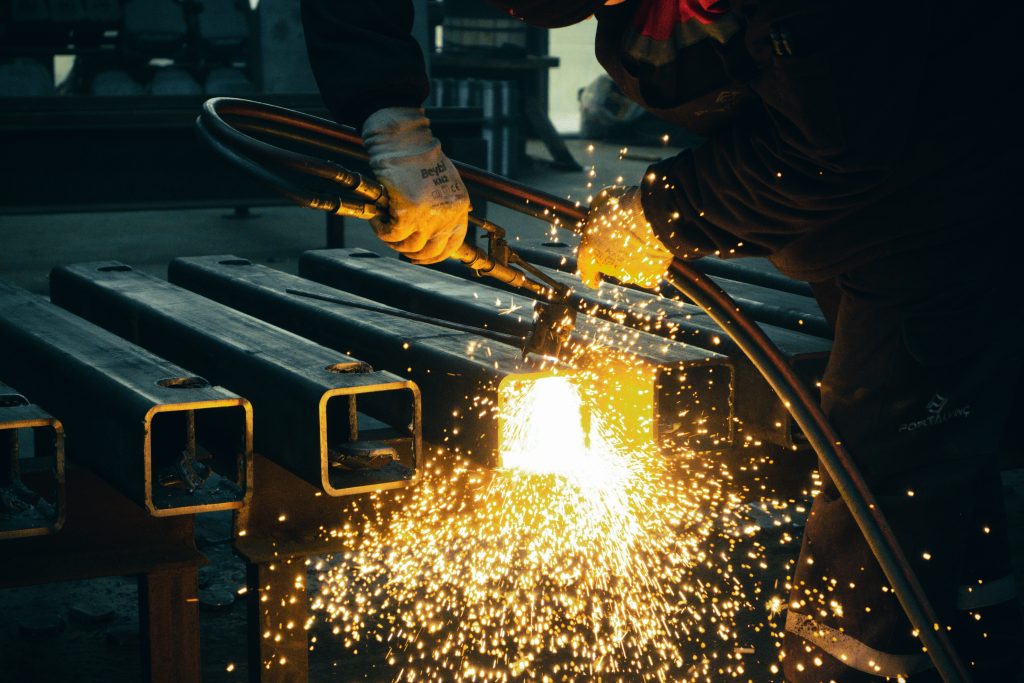
So, you’re looking to boost efficiency in your industrial operations? Good call. The right tools and supplies aren’t just a convenience; they’re the bedrock of a productive, safe, and cost-effective workplace. It boils down to having exactly what you need, when and where you need it, and making sure it’s up to the task.
Why Tools and Supplies Matter (Beyond the Obvious)
Think of it this way: every minute spent searching for a specific wrench, replacing a worn-out component mid-production, or struggling with an inadequate piece of equipment chips away at your bottom line. It’s not just about speed; it’s about accuracy, worker safety, reducing waste, and ultimately, delivering quality products or services consistently. This guide will walk you through some key areas where smart choices in tools and supplies can make a world of difference.
When we talk about essential tools, we’re not just referring to the obvious wrenches and screwdrivers, though those are certainly crucial. We’re talking about the workhorses that streamline everyday tasks and ensure a smooth flow of operations.
Hand Tools: The Everyday Heroes
Every industrial setting, regardless of its specialty, relies heavily on a solid collection of hand tools. These are the instruments that empower your workforce to perform precise tasks, repairs, and maintenance with control and dexterity.
Precision Measuring Tools
Accuracy is non-negotiable in industrial work. From ensuring components fit correctly to calibrating machinery, precise measurements prevent rework and material waste.
- Calipers (Digital and Vernier): Essential for measuring internal and external dimensions, depths, and steps with high accuracy. Digital versions offer quick, easy-to-read measurements, while Vernier calipers are robust and don’t rely on batteries.
- Micrometers (Outside, Inside, Depth): For even finer measurements than calipers, crucial in machining, manufacturing, and quality control where tolerances are tight.
- Rulers and Tape Measures (Steel): Standard steel rulers and self-locking tape measures are fundamental for layout, general measurement, and quick checks. Look for durable, clearly marked options.
- Angle Finders and Protractors: For verifying and setting angles in fabrication, assembly, or installation tasks. Digital versions offer increased speed and readability.
- Feeler Gauges: A set of blades of specific thicknesses used to measure small gaps, such as valve clearances or bearing gaps.
Fastening and Cutting Tools
The ability to securely fasten and precisely cut materials is central to almost all industrial processes.
- Wrenches (Combination, Adjustable, Socket Sets): A comprehensive set of combination wrenches (open-end and box-end), adjustable wrenches for versatility, and a quality socket set with ratchets are indispensable. Metric and SAE options are often necessary.
- Screwdrivers (Standard, Phillips, Torx, Hex): A wide array of sizes and head types is critical for assembly, disassembly, and maintenance. Magnetic tips can be a huge time-saver.
- Pliers (Combination, Needle Nose, Vice Grips, Wire Cutters): Various types for gripping, bending, cutting, and holding. Vice grips are particularly useful for gripping parts firmly during welding or assembly.
- Hacksaws and Utility Knives: For cutting various materials, from metal stock to packaging. Durable blades are key for efficiency and safety.
- Bolt Cutters: For cutting through heavy-duty chains, padlocks, or bolts when necessary.
Striking and Pry Tools
Sometimes, a little force is needed, whether it’s for persuasion or disassembly.
- Hammers (Ball-Peen, Claw, Sledge): Different types serve different purposes: ball-peen for metalwork, claw for woodworking or demolition, and sledges for heavy-duty striking.
- Pry Bars and Crowbars: Essential for moving heavy objects, opening crates, or disassembling structures.
Power Tools: Amplifying Human Effort
Power tools dramatically increase efficiency by automating repetitive tasks, handling tougher materials, and applying more force than manual tools ever could.
Drilling and Fastening
- Cordless Drills/Drivers (High Torque): These are perhaps the most versatile power tools. High-torque models are essential for driving large fasteners and drilling through tough materials quickly. Look for good battery life and quick charging.
- Impact Drivers/Wrenches: Crucial for quickly loosening and tightening stubborn bolts and nuts. Impact drivers are for smaller fasteners, while impact wrenches handle larger, heavier-duty applications.
- Drill Presses: For precise, repeatable drilling in a stationary setup, especially when working with metal or requiring perfectly perpendicular holes.
Cutting and Grinding
- Angle Grinders: Invaluable for cutting metal, grinding welds, rust removal, and material shaping. Various disc types (cutting, grinding, flap) make them versatile.
- Circular Saws: For efficient, straight cuts in wood, plastics, and even metal with the right blade.
- Reciprocating Saws (Sawzalls): Excellent for demolition, cutting through various materials rapidly, and getting into tight spaces.
- Band Saws (Portable and Stationary): For intricate cuts in wood, plastic, or metal, offering precision and the ability to cut curves.
Specialty Power Tools
- Heat Guns: For shrinking tubing, paint stripping, or heating materials.
- Routers: Essential in woodworking for shaping edges, making dadoes, or creating decorative profiles.
- Sanders (Orbital, Belt, Detail): For surface finishing, smoothing, and material removal.
- Welding Equipment (MIG, TIG, Stick): Depending on your specific needs, welding machines are foundational for fabrication and repair involving metal.
For those interested in exploring a comprehensive range of industrial tools and supplies, you may find valuable insights in this related article on the importance of quality equipment in enhancing productivity and safety in the workplace. To read more, visit this link.
Industrial-Grade Consumables: Keeping the Wheels Turning
Consumables are the lifeblood of ongoing operations. Running out of a critical consumable can grind production to a halt faster than almost anything else. Strategic stocking and quality selection here are paramount.
Abrasives and Cleaning
Maintaining clean, well-prepared surfaces and sharp edges is fundamental for precision and safety.
Abrasive Media
- Grinding Wheels and Discs: For angle grinders, bench grinders, and other tools, used for material removal, sharpening, and surface preparation. Different grits and materials are available for various applications (metal, stone, etc.).
- Sanding Belts and Sheets: For belt sanders and hand sanding, essential for surface finishing, deburring, and material shaping in woodworking, metalworking, and composite industries.
- Wire Brushes (Wheel, Cup, Hand): For aggressive cleaning, rust removal, and surface preparation on metal.
- Blast Media (Sand, Glass Bead, Walnut Shell): Used in sandblasting equipment for surface cleaning, preparation, and finishing, each media type offering different abrasive qualities.
Cleaning Agents and Supplies
- Industrial Degreasers: Critical for cleaning machinery, parts, and floors to remove oils, grease, and grime, preventing slips and improving equipment lifespan.
- Strong Solvents: For specialized cleaning where degreasers aren’t enough, e.g., removal of stubborn residues, adhesives, or certain paints.
- Absorbent Pads and Spill Kits: Essential for immediate cleanup of spills (oil, chemicals, water) to prevent accidents and maintain a safe workspace.
- Heavy-Duty Rags and Wipes: Durable cloths for wiping down surfaces, tools, and machinery regularly.
- Industrial Vacuums and Floor Scrubbers: For large-scale cleaning of floors and collection of dust and debris, contributing to air quality and safety.
Fasteners, Adhesives, and Lubricants
These components are the silent workhorses, holding things together, sealing connections, and ensuring smooth mechanical operation.
Fastening Hardware
- Bolts, Nuts, Washers (Metric and Imperial, Various Grades): A diverse inventory is crucial. Consider material (steel, stainless steel), thread type, and grade based on load and environmental conditions.
- Screws (Machine, Self-Tapping, Wood, Sheet Metal): Bulk supplies of common types and sizes are essential for assembly and repair.
- Rivets and Rivet Guns: For creating permanent joints, particularly useful when welding is not feasible or desired.
- Anchors and Fasteners for Concrete/Masonry: For securely mounting equipment, shelving, or structural components to walls and floors.
Adhesives and Sealants
- Industrial-Strength Glues (Epoxies, Super Glues): For quick repairs, bonding dissimilar materials, or providing extremely strong joints.
- Threadlockers: Essential for preventing bolts and nuts from loosening due to vibration in machinery.
- Sealants (Silicone, Polyurethane): For creating watertight or airtight seals, crucial in many manufacturing and assembly processes.
- Gaskets and Gasket Material: For creating seals between mating surfaces in engines, pumps, and other mechanical assemblies.
Lubricants and Greases
- Machine Oils (Hydraulic, Compressor, Engine): Specific types tailored to the machinery’s requirements are vital for reducing friction, heat, and wear.
- Greases (High-Temperature, EP – Extreme Pressure): For lubricating bearings, gears, and other moving parts that require sustained lubrication.
- Penetrating Oils: For loosening rusted or seized bolts and components.
- Anti-Seize Compounds: Applied to threads of bolts and nuts to prevent galling and seizing, especially in high-temperature or corrosive environments.
Safety Equipment: Non-Negotiable Protection

Safety isn’t an afterthought; it’s integrated into every efficient industrial operation. Proper PPE and safety equipment protect your most valuable asset: your workforce.
Personal Protective Equipment (PPE)
Equipping every worker with the right PPE for their specific tasks is not just a regulatory requirement; it’s a moral and practical imperative.
Head and Face Protection
- Hard Hats (ANSI Rated): Essential in areas with potential for falling objects or head impacts.
- Safety Glasses and Goggles (ANSI Z87.1 Rated): Crucial for protecting eyes from flying debris, chemicals, and splashes. Goggles provide more comprehensive protection.
- Face Shields: For tasks involving grinding, welding, or handling chemicals where full-face protection is necessary.
- Welding Helmets (Auto-Darkening): Essential for welders, offering critical eye and face protection from intense light and sparks.
Hand and Foot Protection
- Work Gloves (Cut-Resistant, Chemical-Resistant, Heat-Resistant): A variety of gloves are needed depending on the hazards: cut-resistant for handling sharp materials, chemical-resistant for liquids, heat-resistant for high-temperature work.
- Steel-Toe Boots (Electrical Hazard Rated if Applicable): Protect feet from falling objects, compression, and punctures. EH-rated boots offer additional protection against electrical hazards.
Respiratory and Hearing Protection
- Respirators (N95, Half-Mask, Full-Face): Necessary in environments with airborne particles, fumes, or gases. Selection depends on the specific contaminant and its concentration. Proper fit testing is vital.
- Ear Plugs and Earmuffs (NRR Rated): Essential in noisy environments to prevent hearing damage. Earmuffs provide higher attenuation and are easier to put on and take off for intermittent noise exposure.
Body Protection
- High-Visibility Clothing: Required for workers in areas with moving vehicles or machinery to ensure they are easily seen.
- Flame-Resistant Clothing (FRC): For environments with arc flash hazards, welding, or potential for flash fires.
- Aprons and Sleeves (Leather, Chemical-Resistant): For additional protection during specific tasks like welding or chemical handling.
Facility Safety Supplies
Beyond individual protection, the general safety of the workplace environment relies on specific equipment and supplies.
Emergency Preparedness
- First Aid Kits (Well-Stocked and Accessible): Regularly inspected and replenished kits are fundamental for dealing with minor injuries quickly.
- Eye Wash Stations and Safety Showers: Crucial for immediate decontamination in case of chemical splashes to the eyes or body.
- Fire Extinguishers (Appropriate Classes for Facility Hazards): Clearly marked, accessible, and regularly inspected, with staff trained in their use.
- Emergency Lighting: Ensures visibility during power outages or other emergencies.
Hazard Communication and Control
- Safety Signage (Danger, Warning, Caution, Exit): Clear, prominent signs for identifying hazards, directing traffic, and indicating emergency exits.
- Lockout/Tagout Devices (Hasps, Padlocks, Tags): Essential for controlling hazardous energy during maintenance and repair to prevent accidental startup.
- Barricades, Cones, and Safety Tapes: For marking off hazardous areas or directing pedestrian/vehicle traffic.
- Spill Containment Berms and Trays: To prevent hazardous material spills from spreading, especially around machinery or storage areas.
- SDS (Safety Data Sheet) Binders: Readily available information on all chemicals used on-site, crucial for safe handling and emergency response.
Material Handling and Storage Solutions: Streamlining Workflow

Efficient movement and organized storage of materials are often overlooked but contribute immensely to productivity, safety, and inventory management.
Lifting and Moving Equipment
Reducing manual handling and enabling quick, safe movement of goods is a major efficiency booster.
Manual Lifting and Transport
- Pallet Jacks (Manual and Electric): Essential for moving palletized goods quickly and efficiently around a warehouse or production floor. Electric models reduce operator fatigue.
- Hand Trucks (Two-Wheel and Platform Carts): For moving smaller, non-palletized items, essential for daily logistics.
- Dollies (Flat and Furniture): Versatile for moving heavy or awkward objects short distances.
- Gantry Cranes (Portable): For lifting heavy items within a specific work cell or bay without the need for a permanent overhead crane.
- Hoists (Chain, Lever): Manual hoists are invaluable for precise lifting and positioning of heavy components during assembly or maintenance.
Powered Lifting and Transport
- Forklifts (Electric, Propane, Diesel): The backbone of most larger industrial operations for moving, lifting, and stacking heavy loads. Proper training and certification are crucial.
- Scissor Lifts and Boom Lifts: For safely working at heights for maintenance, installation, or inspection tasks.
Storage and Organization Systems
A place for everything, and everything in its place. This isn’t just a saying; it’s a productivity maxim in an industrial setting.
Shelving and Racking
- Industrial Shelving (Heavy Duty): For storing parts, tools, and finished goods. Adjustable options provide flexibility.
- Pallet Racking Systems: For organized, high-density storage of palletized inventory. Various configurations (selective, drive-in, push-back) optimize space.
- Cantilever Racking: Specifically designed for storing long, bulky items like pipes, lumber, or sheet metal.
Bins, Cabinets, and Tool Storage
- Storage Bins (Stackable, Wall-Mounted): For organizing small parts, fasteners, and components, making them easy to locate and access.
- Tool Cabinets and Chests (Rolling, Stationary): Secure and organized storage for hand tools and power tools, protecting them from damage and theft.
- Parts Organizers and Drawer Units: Small, multi-compartment organizers for very small components, crucial for electronics or precision assembly.
- Workbench Stations: Sturdy work surfaces often integrated with storage, lighting, and power outlets to create efficient individual workstations.
In the realm of industrial tools and supplies, understanding the essential items that every contractor needs can significantly impact their success. For a comprehensive overview of the top manufacturing supplies that are crucial for contractors, you can explore this insightful article. It highlights various tools and materials that enhance productivity and efficiency on the job site. To learn more about these indispensable supplies, visit this article for detailed information.
Specialized Equipment and Inspection Tools: Quality and Precision
“`html
| Product | Category | Price | Stock |
|---|---|---|---|
| Drill | Power Tools | 89.99 | 25 |
| Screwdriver Set | Hand Tools | 19.99 | 50 |
| Safety Gloves | Safety Equipment | 12.99 | 100 |
“`
Depending on your industry, certain specialized tools and inspection equipment aren’t just useful; they’re absolutely essential for quality, compliance, and problem-solving.
Diagnostic and Inspection Tools
Preventative maintenance and quality control rely heavily on the ability to ‘see’ what’s going on inside machinery or verify product specifications.
Non-Destructive Testing (NDT)
- Infrared Thermometers/Thermal Cameras: For quickly assessing temperatures of machinery, electrical panels, or processes to identify overheating components or energy loss, crucial for preventative maintenance.
- Vibration Analyzers: Used to detect imbalances, misalignments, or bearing faults in rotating machinery before they lead to catastrophic failure.
- Ultrasonic Thickness Gauges: For measuring the thickness of materials (e.g., pipes, tanks) from one side, often used for corrosion monitoring.
- Borescopes/Inspection Cameras: Flexible cameras used to visually inspect internal components of machinery, pipes, or cavities that are otherwise inaccessible.
Electrical and Electronic Testing
- Multimeters (Digital): Essential for measuring voltage, current, and resistance in electrical circuits, a fundamental tool for electricians and technicians.
- Clamp Meters: For measuring current without breaking the circuit, incredibly useful for troubleshooting live systems.
- Insulation Testers (Megohmmeters): For checking the integrity of electrical insulation in motors, cables, and other equipment.
- Circuit Breaker Finders: For quickly identifying which circuit breaker controls a specific outlet or fixture.
Precision Measurement & Calibration
- Height Gauges: For precise vertical measurements in a machine shop or quality control lab.
- Surface Roughness Testers: To quantify the texture of a surface, crucial in industries where surface finish affects performance or aesthetics.
- Pressure Gauges and Calibrators: For monitoring and ensuring the accuracy of pressure systems in hydraulics, pneumatics, or process control.
- Torque Wrenches (Digital and Mechanical): Essential for applying specific torque settings to fasteners, preventing over-tightening or under-tightening which can lead to failure.
Industry-Specific Tools and Fabrication
While general tools are universal, many industries have their unique set of specialized demands.
Metalworking and Fabrication
- Press Brakes: For bending sheet metal with high precision and repeatability.
- Shears (Sheet Metal): Manual or powered machines for cutting straight lines in sheet metal.
- Milling Machines: For precision machining of metal parts, capable of complex shapes and high tolerances.
- Lathes: For rotating a workpiece against a cutting tool to create cylindrical shapes, essential for custom parts and repairs.
- Plasma Cutters and Laser Cutters: For precise and fast cutting of various metals, offering significant efficiency gains over traditional methods.
Plumbing and Pipefitting
- Pipe Threaders (Manual and Electric): For creating threads on pipes to allow for secure connections.
- Pipe Benders: For shaping pipes without kinking, crucial for custom installations.
- Drain Cleaning Machines (Augers, Hydro-Jetters): For clearing blockages in industrial plumbing systems.
Woodworking
- Table Saws and Miter Saws: For precise and repeatable cuts in wood for construction, crating, or custom components.
- Planers and Jointers: For preparing rough lumber by making surfaces flat and edges square.
Digital Integration and Software: The Modern Edge
In today’s industrial landscape, physical tools are increasingly complemented, and sometimes even driven, by digital tools and software solutions. These aren’t just about ‘nice to haves’; they’re about transforming operational intelligence and efficiency.
Inventory Management Systems (IMS)
Knowing what you have, where it is, and when you need more is fundamental to preventing costly downtime and overstocking.
Barcoding and RFID
- Barcode Scanners and Printers: For efficient, accurate tracking of tools, parts, and consumables. Barcoding dramatically reduces manual data entry errors and speeds up inventory checks.
- RFID Tags and Readers: Offer even faster, non-line-of-sight tracking for higher-value assets or larger inventories.
ERP and CMMS Integration
- Enterprise Resource Planning (ERP) Modules: Software that integrates inventory management with purchasing, production, and accounting, providing a holistic view of resources.
- Computerized Maintenance Management Systems (CMMS): Track tool usage, maintenance schedules for equipment, and spare parts inventory, ensuring tools are available and in working order.
CAD/CAM Software
For design, planning, and manufacturing, these software suites are indispensable for precision and speed.
Design and Simulation
- Computer-Aided Design (CAD) Software: Used for creating 2D and 3D designs of parts, assemblies, and entire facilities. Essential for planning and customization.
- Simulation Software: Allows for testing designs virtually before production, identifying potential issues and optimizing performance without physical prototypes.
Manufacturing and Automation
- Computer-Aided Manufacturing (CAM) Software: Translates CAD designs into machine-readable code for CNC machines, robots, and 3D printers, automating production processes.
- Process Control Systems (SCADA, DCS): Software suites that monitor and control industrial processes, optimizing efficiency, safety, and product quality.
Data Analytics and Predictive Maintenance
Moving beyond reactive problem-solving, digital tools allow for foresight and proactive intervention.
Condition Monitoring
- Sensor Integration: Smart sensors on machinery collect real-time data (temperature, vibration, pressure, current) that feeds into analytical software.
- Data Visualization Dashboards: Present complex data in an understandable format, allowing quick identification of trends or anomalies.
Predictive Algorithms
- Machine Learning Models: Analyze historical and real-time data to predict potential equipment failures, allowing for scheduled maintenance before breakdowns occur.
- Optimized Maintenance Schedules: Use data insights to shift from time-based maintenance to condition-based maintenance, reducing unnecessary downtime and maximizing asset lifespan.
The bottom line here is that the right tools and supplies, physical and digital, aren’t just expenses; they are strategic investments. They enhance efficiency, bolster safety, cut down on waste, and ultimately, fortify your operation for the long haul. Regularly assessing your needs and investing wisely in these areas will always pay dividends.