
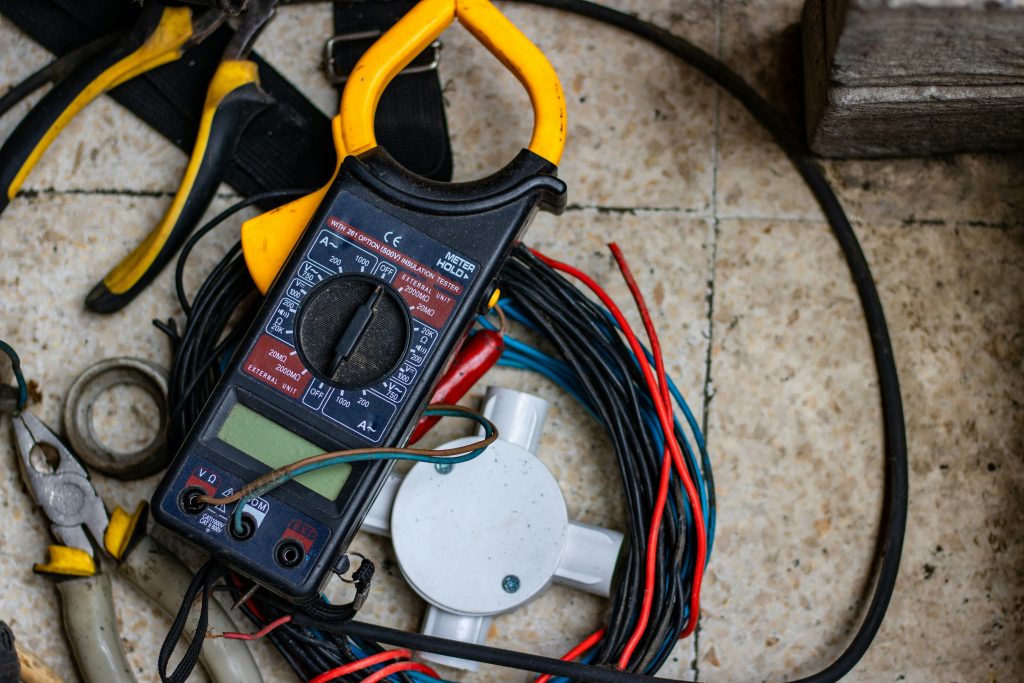
Alright, let’s talk about something incredibly important but often overlooked: insulation testing. If you’re wondering why this matters to you, whether you’re a homeowner, a business owner, or managing a large facility, the short answer is safety and reliability. Ensuring your electrical insulation is up to par isn’t just about avoiding a minor inconvenience; it’s about preventing serious hazards like electrical fires, severe shocks, and costly system failures. Think of it as a regular health check-up for your electrical infrastructure – it helps catch problems before they become critical.
Why Insulation Matters: Beyond the Basics
We all know insulation keeps us warm in winter and cool in summer, right? But electrical insulation is a whole different ballgame. It’s the silent protector, keeping electricity flowing where it’s supposed to and preventing it from going where it absolutely shouldn’t. Without proper insulation, electricity can jump from one conductor to another, or even worse, to a grounded surface, creating a path for disaster.
What is Electrical Insulation?
Simply put, electrical insulation is any material that resists the flow of electricity. Think plastic coatings on wires, the ceramic insulators on power lines, or the various dielectric materials inside transformers and motors. Its job is to confine electrical current to its intended path, preventing short circuits, arcing, and accidental contact with live conductors.
The Role of Insulation in Preventing Hazards
Good insulation is your first line of defense against a host of electrical problems. It prevents electrical shocks by keeping live conductors isolated from human contact. It stops short circuits, which can cause significant damage to equipment and lead to fires. And it maintains the efficiency of your electrical system by minimizing energy loss due to leakage currents. Without it, you’re looking at increased risks of injury, property damage, and operational downtime.
Insulation testing is a crucial aspect of ensuring electrical safety and efficiency in various applications. For those interested in related topics, you might find the article on the differences between Phillips and JIS screwdrivers insightful, as it highlights the importance of using the right tools for electrical work, which can impact insulation integrity. You can read more about it here: Differences Between Phillips and JIS Screwdrivers.
The Gradual Degradation of Insulation
Insulation isn’t a “set it and forget it” component. Over time, it degrades. This isn’t usually a sudden catastrophic failure but a slow, continuous process, like rust forming on metal. Many factors contribute to this degradation, and understanding them is key to effective preventative maintenance.
Factors Contributing to Insulation Deterioration
Think about the environment your electrical systems operate in. Heat, cold, moisture, chemicals, mechanical stress – all of these take a toll.
- Thermal Stress: High temperatures are a major enemy of most insulating materials. Prolonged exposure to heat, or even repeated thermal cycling (heating and cooling), can cause insulation to become brittle, crack, and lose its dielectric strength. This is why motors running hot are a big red flag.
- Mechanical Stress: Vibrations, bending, twisting, and even just the physical aging of materials can lead to cracks, abrasions, and loss of integrity in insulation. Think about wires being pulled or bent repeatedly, or the constant hum of a transformer.
- Chemical Contamination: Exposure to oils, solvents, cleaning agents, and even atmospheric pollutants can chemically react with insulation, breaking down its structure and reducing its effectiveness. This is particularly relevant in industrial settings.
- Moisture Ingress: Water is a highly conductive material. When moisture permeates insulation, it drastically reduces its resistance, creating paths for leakage currents and dramatically increasing the risk of short circuits and breakdowns. Condensation is a common culprit.
- Electrical Stress: Over-voltage conditions, lightning strikes, power surges, and even continuous operation at high voltages can gradually erode the dielectric strength of insulation, leading to tiny, almost imperceptible punctures that eventually grow into full-blown failures.
- Age and Time: Like everything else, insulation just gets old. The materials themselves break down on a molecular level over decades, losing their flexibility and insulating properties even under ideal conditions.
What is Insulation Testing and How Does it Work?
So, how do we find these hidden issues before they become major problems? Through insulation testing. It’s not about visually inspecting the insulation (though that’s also important); it’s about measuring its electrical resistance.
The Basic Principle of Insulation Resistance Testing (Megger Testing)
The most common form of insulation testing is insulation resistance (IR) testing, often called “Megger testing” after a well-known brand of testing equipment. The basic idea is simple: you apply a DC voltage across the insulation and measure the current that flows through it. According to Ohm’s Law (V=IR), if you know the voltage and the current, you can calculate the resistance (R=V/I).
A very high resistance means the insulation is doing its job well – very little current is leaking through. A low resistance indicates that current is finding an easier path, meaning the insulation is compromised. The specific voltage applied depends on the equipment being tested, ranging from a few hundred volts for low-voltage systems to several thousand volts for high-voltage industrial equipment.
Other Insulation Testing Methods
While IR testing is foundational, it’s not the only game in town. More advanced methods provide deeper insights into the condition of insulation.
- Polarization Index (PI) Test: This test involves taking two insulation resistance readings at different time intervals (e.g., one minute and ten minutes) and calculating their ratio. A good PI value indicates that the insulation is dry and clean. A low PI suggests moisture or contaminants, even if the absolute IR value is still acceptable. It helps differentiate between surface leakage and actual volume insulation degradation.
- Dielectric Absorption Ratio (DAR) Test: Similar to the PI test, the DAR calculates the ratio of insulation resistance at 30 seconds to the reading at 60 seconds. It’s quicker than the PI test and provides an indication of insulation quality, particularly regarding moisture content.
- Step Voltage Test: Instead of applying a single voltage, this test gradually increases the applied DC voltage in steps, taking resistance readings at each step. If the resistance drops significantly at higher voltages, it suggests insulation weaknesses or voids that might not be apparent at lower test voltages.
- Ramp Test: Similar to the step voltage test, but the voltage is increased continuously until a breakdown occurs or a specified current limit is reached. This method can give an indication of the insulation’s ultimate breakdown voltage.
- Partial Discharge (PD) Testing: This is a more advanced non-destructive test that detects small electrical discharges that occur within the insulation before a complete breakdown. PD is a precursor to insulation failure and detecting it early allows for targeted maintenance. It’s often used on high-voltage equipment like transformers and switchgear.
The Critical Importance of Regular Testing
This isn’t a “one and done” kind of deal. Just like changing the oil in your car, regular insulation testing is crucial for continuous safety and operational efficiency.
Preventing Catastrophic Failures and Accidents
The most compelling reason for insulation testing is accident prevention. A sudden insulation failure can lead to:
- Electrical Fires: Short circuits due to faulty insulation are a leading cause of electrical fires, causing significant property damage and risking lives.
- Electrocution and Injury: Exposed live conductors or energized systems are a severe shock hazard. Insulation failure can turn an otherwise safe environment into a death trap.
- Equipment Damage: A short circuit or arc fault can severely damage expensive electrical equipment, leading to costly repairs or complete replacements.
Ensuring Operational Reliability and Longevity
Beyond preventing disasters, insulation testing also contributes to a smoother, more reliable operation.
- Minimizing Downtime: By identifying insulation deterioration early, you can schedule proactive maintenance or replacements, avoiding unexpected equipment failures that bring operations to a halt. Unplanned downtime is always more expensive than planned maintenance.
- Extending Equipment Lifespan: Good insulation health means your equipment isn’t constantly under electrical stress, which ultimately prolongs its operational life. It’s like routine medical checks for your machines.
- Optimizing Energy Efficiency: Damaged insulation can lead to “leakage currents,” where electricity escapes its intended path. While these leaks might not cause immediate failure, they represent wasted energy, increasing your utility bills over time. Testing helps identify and mitigate these inefficiencies.
Meeting Compliance and Warranty Requirements
Many industries, particularly those dealing with high voltage or critical infrastructure, have strict regulations and standards for electrical safety.
- Regulatory Compliance: Regular insulation testing helps facilities meet safety standards established by organizations like OSHA, NFPA, and local electrical codes. Failure to comply can result in hefty fines, legal liabilities, and even forced shutdowns.
- Insurance Requirements: Many insurance providers require documented proof of regular electrical maintenance, including insulation testing, as a condition of coverage. It demonstrates due diligence in managing risks.
- Warranty Protection: For newly installed equipment, adhering to manufacturer-recommended testing schedules can be crucial for maintaining warranty validity. Skipping tests might void your warranty, leaving you responsible for repair costs.
Insulation testing is a crucial aspect of ensuring the safety and efficiency of electrical systems, and it often involves the use of specialized tools. For those looking to enhance their insulation testing capabilities, exploring the various heat guns available can be beneficial. These tools not only assist in the application of heat for shrinking and shaping materials but also play a role in preparing surfaces for effective insulation. To learn more about the different types of heat guns and their applications, you can check out this informative article on heat guns.
Best Practices for Effective Insulation Testing
Just having the right tools isn’t enough; you need a smart approach to testing.
Developing a Testing Schedule
A structured approach is vital. Don’t wait for a problem to arise.
- Risk-Based Approach: Prioritize testing frequency based on the criticality of the equipment, its age, its operating environment, and historical failure rates. High-voltage equipment, critical production lines, and equipment operating in harsh conditions will need more frequent checks.
- Manufacturer Recommendations: Always consult the equipment manufacturer’s guidelines for recommended testing intervals. They know their products best.
- Industry Standards: Refer to relevant industry standards (e.g., IEEE, NETA) for guidance on testing frequencies and procedures for various types of electrical apparatus.
- Establish Baselines: For new equipment, perform initial tests to establish baseline readings. These future tests can then be compared against these baselines to identify trends in degradation over time.
Interpreting Test Results
Numbers on a screen are meaningless without proper interpretation.
- Trending Over Time: Don’t just look at a single reading. The most valuable insight comes from comparing current results to previous ones. A gradual decrease in insulation resistance, even if still within “acceptable” limits, indicates an ongoing degradation process.
- Comparison to Industry Standards: Consult established charts and tables (e.g., IEEE 43 for rotating machinery) that provide minimum acceptable insulation resistance values based on equipment type, voltage rating, and temperature.
- Temperature Correction: Insulation resistance varies significantly with temperature. Hotter insulation generally has lower resistance. Most megohmmeters have temperature correction functions or charts to normalize readings to a standard temperature (e.g., 20°C or 40°C) for accurate comparison.
- Understanding “Good,” “Marginal,” and “Bad” Values: Learn to differentiate between insulation that is in good condition, showing signs of wear (marginal), or indicating impending failure (bad). This often involves a combination of absolute values, PI/DAR ratios, and trending.
Safety Precautions
Insulation testing involves working with electricity, often at high voltages. Safety is paramount.
- Lockout/Tagout (LOTO): Always de-energize and apply proper lockout/tagout procedures before beginning any insulation test. Verify zero energy.
- Personal Protective Equipment (PPE): Wear appropriate PPE, including arc flash-rated clothing, safety glasses, insulated gloves, and voltage-rated footwear, as necessary.
- Proper Grounding: Ensure the circuit or equipment under test is properly grounded after testing to discharge any stored capacitive energy. The megohmmeter itself will often have a discharge function.
- Competent Personnel: Only qualified and trained personnel should perform insulation testing. They must understand the equipment, the testing procedures, and the associated hazards.
- Environmental Considerations: Be aware of environmental factors like humidity, which can affect test results and even safety. Avoid testing in excessively wet or humid conditions if not specifically designed for such environments.
Taking Action: Moving from Testing to Maintenance
Testing is only half the battle. Once you have the data, you need to act on it.
Proactive Maintenance and Repairs
Identifying issues early empowers you to schedule repairs before they lead to big problems.
- Targeted Repairs: Insulation testing results can pinpoint specific areas of weakness, allowing for targeted repairs or replacements of faulty components rather than wholesale system overhauls. This saves time and money.
- Re-insulation or Replacement: Depending on the severity of the degradation, options might range from cleaning and drying compromised insulation to re-insulating specific windings or replacing entire components or cables.
- Addressing Root Causes: If consistent issues are found, investigate the underlying cause. Is it excessive vibration? Poor ventilation leading to overheating? Chemical exposure? Addressing the root cause prevents recurrence.
Documenting and Reporting
Good records are invaluable for future reference and decision-making.
- Detailed Records: Keep meticulous records of all insulation tests, including equipment identification, dates, test voltages, environmental conditions, raw readings, calculated values (PI, DAR), and the names of the technicians performing the tests.
- Analysis and Recommendations: For each test, include an analysis of the results, identifying trends, and providing clear recommendations for action (e.g., “no action required,” “monitor closely,” “schedule repair,” “immediate replacement”).
- Reporting to Stakeholders: Share these reports with relevant stakeholders – maintenance managers, safety officers, and even regulatory bodies where required. This ensures everyone is aware of the electrical health of the facility and allows for informed decisions based on data.
In sum, insulation testing isn’t just another item on a maintenance checklist. It’s a fundamental pillar of electrical safety and operational integrity. By consistently monitoring the health of your electrical insulation, you’re not just preventing breakdowns; you’re safeguarding lives, protecting valuable assets, and ensuring the uninterrupted flow of power that modern life depends on. It’s an investment that pays for itself many times over.
FAQs
What is insulation testing?
Insulation testing is a process used to determine the integrity and effectiveness of insulation materials in electrical systems. It involves measuring the resistance of the insulation to ensure it is capable of withstanding the voltage levels present in the system.
Why is insulation testing important?
Insulation testing is important because it helps to identify any potential faults or weaknesses in the insulation of electrical systems. This can prevent electrical failures, equipment damage, and even electrical hazards such as shocks and fires.
How is insulation testing performed?
Insulation testing is typically performed using a specialized instrument called a megohmmeter or insulation resistance tester. This instrument applies a high voltage to the insulation and measures the resulting current flow, which is used to calculate the insulation resistance.
When should insulation testing be conducted?
Insulation testing should be conducted regularly as part of a routine maintenance program for electrical systems. It should also be performed whenever new equipment is installed, after any major repairs or modifications, and whenever there is reason to suspect a potential insulation problem.
What are the standards for insulation testing?
Insulation testing is governed by various industry standards and regulations, including those set forth by organizations such as the International Electrotechnical Commission (IEC) and the National Electrical Manufacturers Association (NEMA). These standards provide guidelines for testing procedures, acceptable insulation resistance values, and safety considerations.