
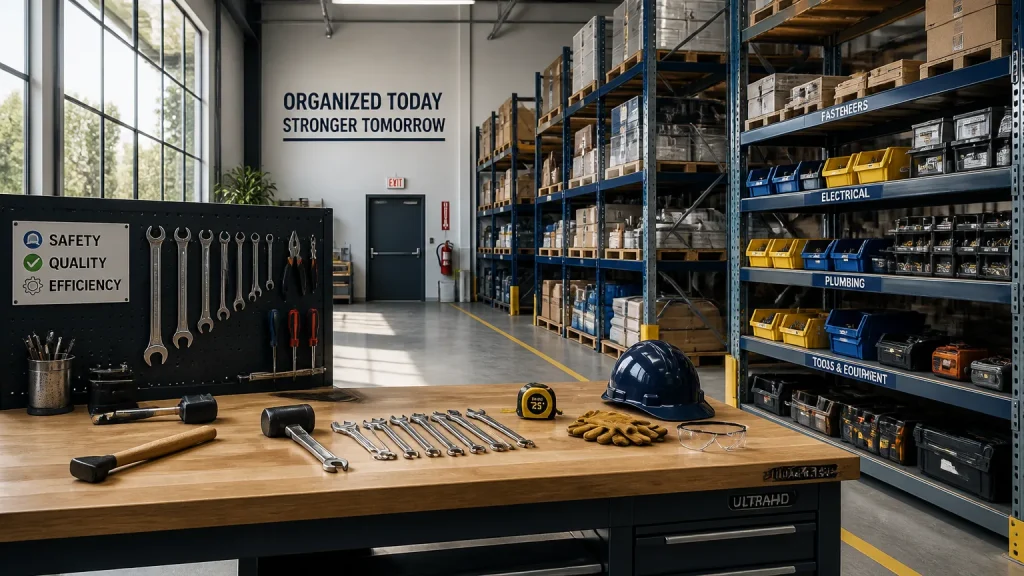
Warehouse management is a critical component for contractors and manufacturers, especially in southern Michigan. It involves overseeing the movement and storage of materials, ensuring that every item is in its rightful place. With increasing operational challenges, effective warehouse management becomes essential for maintaining efficiency and minimizing costs.
Contractors and manufacturers often face issues like inventory mismanagement and delayed shipments. These problems can lead to wasted resources and lost opportunities. By implementing streamlined processes, businesses can boost productivity and enhance customer satisfaction.
In this guide, we’ll explore practical strategies to optimize your warehouse operations. From inventory control to layout design, each topic will be tailored to meet the unique needs of our audience. Our goal is to equip you with actionable insights that can transform your warehouse into a well-oiled machine. As you navigate the complexities of warehouse management, remember that every improvement can lead to significant savings and better service delivery.
1. Streamlining Inventory Management
Efficient inventory management is crucial for contractors and manufacturers. It minimizes waste and ensures timely access to essential materials. Implementing techniques like just-in-time inventory can significantly reduce costs. This approach allows you to purchase materials only as needed, lowering storage expenses and minimizing excess stock.
Utilizing inventory management software is another key strategy. Real-time tracking helps you monitor stock levels accurately, so you always know what you have on hand. This visibility can prevent costly shortages and improve order fulfillment.
Regular audits are essential to maintain accuracy in your inventory. These checks help identify discrepancies and ensure your records reflect actual stock levels. Consistent audits can also highlight items that are overstocked or nearing expiration.
For more insights on optimizing your workspace, check out our article on Tool Storage: Packout-Style Systems vs Job Boxes (What Lasts).
2. Optimizing Space Utilization
Maximizing warehouse space is crucial for efficient operations. Start by leveraging vertical space with shelving and racking systems. Tall shelves can significantly increase storage capacity without expanding your footprint. Choose adjustable racking to accommodate varying inventory sizes.
Next, implement flexible layouts. These can adapt to changing inventory needs and help streamline workflow. Consider using modular shelving that can be easily reconfigured as your stock changes. This adaptability keeps your warehouse organized and accessible.
Automation also plays a key role in space-efficient inventory handling. Automated storage and retrieval systems can optimize every square foot of your warehouse. They reduce the need for wide aisles, allowing for more storage while maintaining easy access to products.
These strategies not only enhance storage efficiency but also improve overall productivity in your warehouse management.
3. Enhancing Labor Management
Effective labor management is crucial for boosting productivity and employee morale in warehouse operations. Start by leveraging workforce management software. It simplifies scheduling shifts and tracking productivity, ensuring every worker is utilized efficiently.
Training is another key element. Providing regular training enhances workers’ skills and improves their efficiency. Well-trained employees perform better, which directly impacts your warehouse management.
Creating a positive working environment is essential for retention. Recognize achievements and foster teamwork. This approach not only builds morale but also encourages loyalty, reducing turnover rates.
Consider integrating tools that improve operational efficiency. For instance, understanding different battery platforms, such as in our article on Battery Platforms: M12 vs M18 vs FlexVolt + How to Choose, can help you equip your team effectively.
Prioritize labor management to transform your warehouse into a high-performing hub.
4. Leveraging Technology for Efficiency
Technology plays a crucial role in enhancing warehouse management. Implementing a Warehouse Management System (WMS) streamlines processes like inventory tracking and order fulfillment. With a WMS, you can automate routine tasks, reducing errors and saving time.
Automated material handling equipment, such as conveyors and robotic pickers, boosts efficiency. These tools minimize manual labor and speed up operations. Imagine a warehouse where goods move seamlessly from storage to shipment, all thanks to automation.
Data analytics is another game changer. By analyzing inventory trends and logistics performance, you can make informed decisions. This insight helps you optimize stock levels and improve delivery times. For example, identifying peak times for orders allows for better staffing and resource allocation.
Embracing technology not only enhances productivity but also transforms your warehouse into a competitive asset.
5. Developing Safety Protocols
Safety protocols are essential in warehouse management. They significantly reduce accidents and ensure compliance with regulations. Start by training employees on safety procedures and emergency responses. Regular training keeps everyone informed and prepared.
Conduct routine inspections of equipment and facilities to identify potential hazards. This proactive approach helps prevent accidents before they occur. Make it a habit to check for dust, moisture, and rodent issues, which can lead to equipment failures. For more insights, refer to our article on Farm Duty Motors: Dust, Moisture, Rodents — How to Prevent Failures.
Fostering a culture of safety is crucial. Encourage open communication about safety concerns. When employees feel accountable, they are more likely to prioritize safety. This collective awareness can lead to a safer, more efficient workplace.
Final Thoughts on Warehouse Management Success
Effective warehouse management is a game changer for contractors and manufacturers. By implementing the strategies discussed, you can enhance efficiency, reduce costs, and improve service delivery.
Take a moment to evaluate your current practices. Identify areas for improvement and put these insights into action. Small changes can lead to significant gains.
Remember, a well-managed warehouse contributes to your overall business performance. Investing time and resources into these strategies will pay off in productivity and customer satisfaction. Start today, and watch your warehouse transform into a powerful asset.