
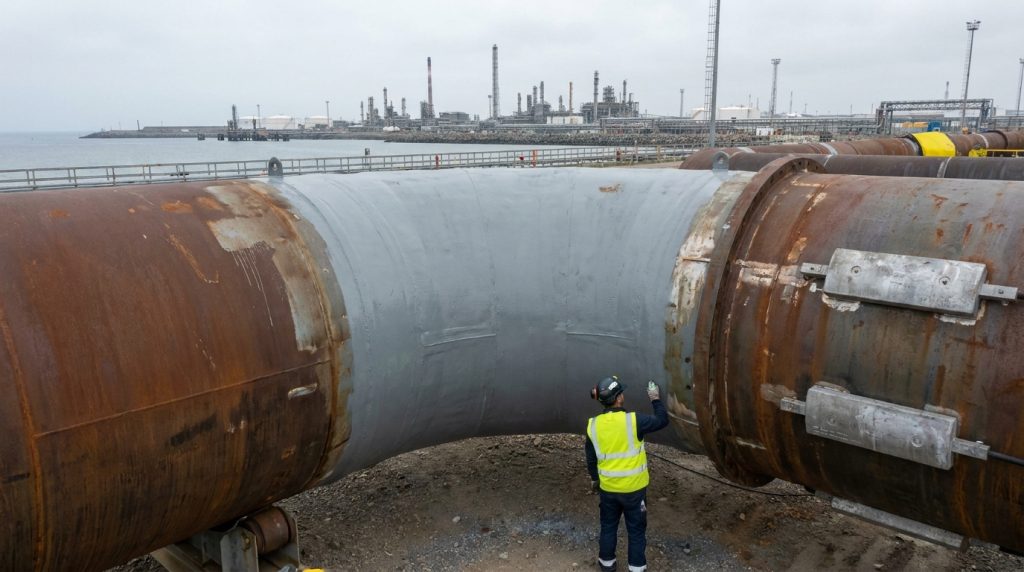
Corrosion is one of the most expensive “silent failures” in any shop. It starts as a small patch of rust on a vise, a little oxidation on tooling, or moisture inside an air line—and it can grow into seized fasteners, ruined bearings, inaccurate measurements, unsafe stairs, contaminated parts, and unplanned downtime.
In Coldwater, Branch County, and across Southern Michigan, corrosion control deserves extra attention because shops deal with freeze-thaw cycles, road salt, lake-effect moisture, humid summers, and seasonal temperature swings. Whether you operate a fabrication shop, maintenance department, machine shop, farm repair facility, fleet garage, or manufacturing plant, the goal is the same: keep metal clean, dry, protected, and inspected.
CEM Industrial Supply works with local maintenance teams and industrial buyers who need practical solutions—not theory. The good news is that corrosion prevention does not require a complete facility redesign. It requires the right habits, the right storage methods, the right protective products, and a consistent maintenance routine.
Corrosion is the deterioration of metal caused by chemical or electrochemical reactions with the environment. In simple terms, metal reacts with oxygen, moisture, salts, acids, or other contaminants and begins to break down.
For most shops, the biggest corrosion driver is moisture. But moisture alone is rarely the only problem. Corrosion accelerates when water combines with:
- Road salt and deicing chemicals
- Cutting fluids and coolants
- Welding fumes and grinding dust
- Acidic or alkaline cleaners
- Poor ventilation
- Condensation from temperature swings
- Dissimilar metals in contact
- Poor storage practices
- Damaged coatings or worn paint
Common Types of Corrosion You’ll See in the Shop
Different corrosion types require different prevention methods. Here are the most common issues maintenance teams encounter.
| Corrosion Type | What It Looks Like | Common Shop Causes | Prevention Method |
|||||
| Uniform rust | General reddish-brown surface rust | Humidity, poor storage, uncoated steel | Clean, dry, coat, inspect |
| Pitting corrosion | Small holes or craters | Salt, chemicals, trapped moisture | Protective coatings, better drainage |
| Galvanic corrosion | One metal corrodes faster near another | Dissimilar metals touching | Use barriers, compatible fasteners |
| Crevice corrosion | Rust in gaps, seams, under washers | Trapped water or debris | Seal joints, clean regularly |
| Flash rust | Rust appears quickly after cleaning | Bare steel exposed to air/moisture | Apply rust inhibitor immediately |
| Corrosion under insulation | Hidden rust beneath wraps or covers | Moisture trapped under materials | Inspect, use proper insulation barriers |
Why Southern Michigan Shops Are at Higher Risk
Coldwater and Branch County shops face a mix of environmental conditions that can make corrosion worse:
- Winter road salt tracked in by vehicles, forklifts, boots, and equipment
- Spring thaw moisture from melting snow and wet concrete floors
- Humid summers that promote condensation on cool metal surfaces
- Temperature swings between heated shop air and cold tools or raw material
- Agricultural and fleet environments where fertilizers, fuels, oils, and washdown water are common
If your shop doors open frequently during winter or you store steel, fasteners, tools, or equipment near overhead doors, corrosion prevention should be part of your daily maintenance plan.
To effectively prevent corrosion in your shop, it’s essential to not only maintain your tools but also understand the different types of wrenches you might be using. For instance, the article on choosing between combination, ratcheting, and flare nut wrenches can provide valuable insights into selecting the right tools that can withstand harsh conditions and reduce the risk of rust. You can read more about this topic in the article here: Wrenches: Combination vs. Ratcheting vs. Flare Nut – Which One Should You Use?.
Build a Corrosion Prevention Plan That Works
The best corrosion prevention programs are simple, repeatable, and assigned to specific people. A good plan includes inspection, cleaning, protection, storage, and documentation.
Start With a Shop Walkthrough
Before buying coatings or rust removers, walk through your shop and identify where corrosion begins.
Look closely at:
- Toolboxes and tool drawers
- Machine tables and exposed ways
- Raw steel racks
- Welding tables and fixtures
- Fastener bins and hardware storage
- Air compressors and air lines
- Floor drains and wet areas
- Battery charging stations
- Outdoor storage areas
- Loading docks and overhead doors
- Vehicle wash bays
- Maintenance carts
- Shelving near exterior walls
Take photos and note repeat problem areas. If rust always appears near a door, drain, or wash station, the root cause may be moisture migration—not the metal itself.
Rank Corrosion Risk by Priority
Not all rust has the same impact. A rusty scrap rack may be low priority. Corrosion on rigging hardware, hoists, compressed air components, electrical enclosures, or machine surfaces is much more serious.
Use a simple ranking system:
| Priority | Area or Item | Risk Level | Action |
|||||
| High | Safety-critical equipment, lifting hardware, electrical cabinets | Injury, failure, downtime | Inspect immediately and protect |
| Medium | Tools, fixtures, raw material, fasteners | Cost, quality issues | Clean and coat on schedule |
| Low | Noncritical racks, old carts, exterior surfaces | Cosmetic or minor | Monitor and maintain |
Assign Responsibility
Corrosion prevention fails when everyone assumes someone else is handling it. Assign responsibilities clearly:
- Operators wipe down machine surfaces at shift end
- Maintenance checks air dryers and drains weekly
- Purchasing stocks corrosion inhibitors and absorbents
- Supervisors inspect storage areas monthly
- Tool crib manager monitors tooling and fastener condition
- Safety lead checks stairs, platforms, and walkways
CEM Industrial Supply can support these routines with maintenance, repair, and operations products such as lubricants, rust preventives, abrasives, cleaners, hand tools, PPE, storage solutions, and industrial supplies commonly used in Michigan shops.
Control Moisture Before It Causes Rust
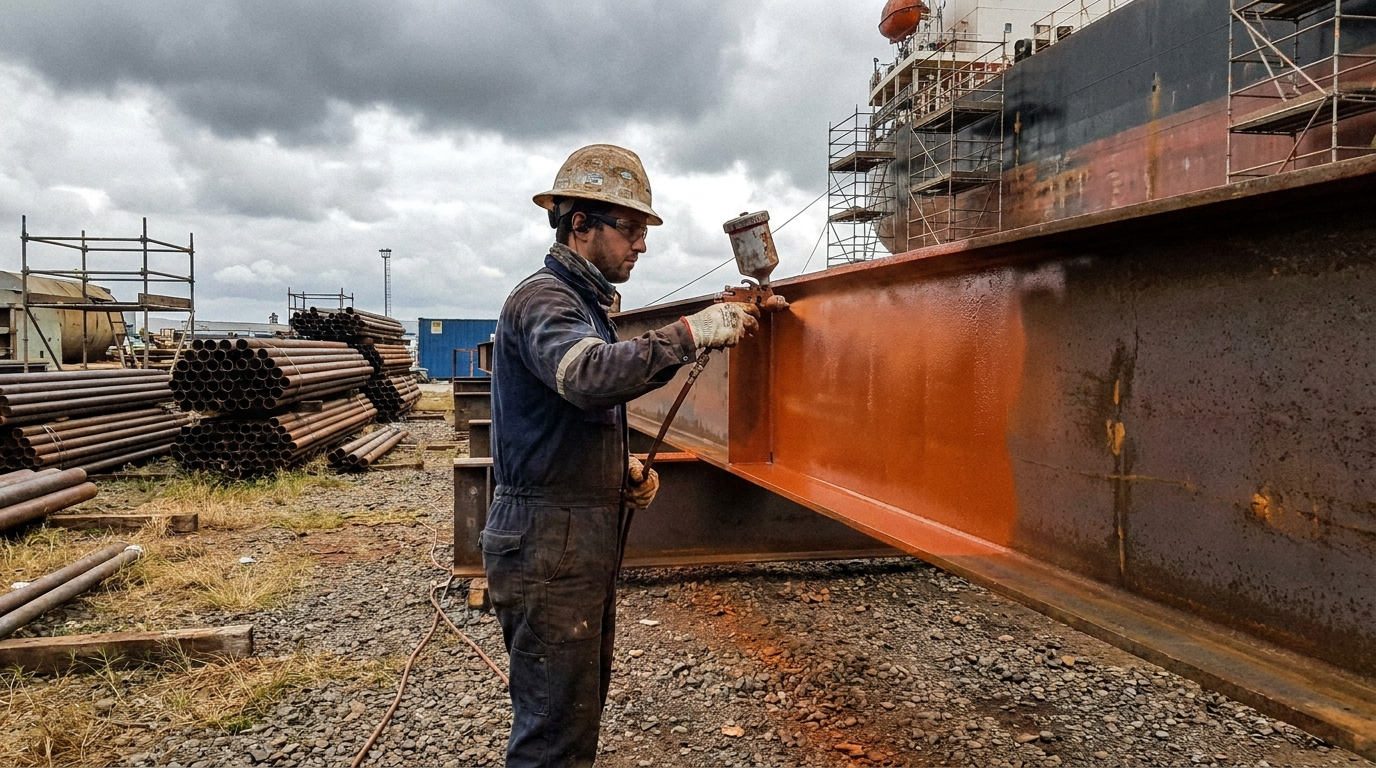
Moisture control is the foundation of corrosion prevention. If your shop is humid, wet, or full of condensation, even the best coating will struggle.
Improve Ventilation and Air Movement
Stagnant air allows moisture to settle on tools, equipment, and metal stock. Good airflow helps surfaces dry faster and reduces condensation.
Practical steps include:
- Use fans to move air around storage areas
- Keep vents and louvers clear
- Avoid blocking airflow with pallets or racks
- Vent washdown areas separately when possible
- Use exhaust fans near steam, cleaning, or process moisture
- Keep interior doors open when safe to improve circulation
For closed cabinets or tool storage, consider moisture-control products such as desiccant packs, vapor corrosion inhibitor packaging, or sealed containers.
Manage Condensation
Condensation forms when warm, humid air contacts a cold surface. This is common in Southern Michigan during seasonal transitions.
You may notice condensation on:
- Steel plate and tubing stored near exterior walls
- Machine surfaces in unheated areas
- Tooling brought in from cold trucks
- Air lines and compressor tanks
- Metal roofs, doors, and wall panels
- Outdoor equipment moved into heated bays
To reduce condensation:
- Let cold materials acclimate before unwrapping
- Avoid storing precision tools near exterior walls
- Use insulated storage where practical
- Maintain steady shop temperature when possible
- Keep sensitive tooling in closed cabinets
- Use rust-preventive coatings before seasonal humidity changes
Keep Floors and Drainage Under Control
Wet floors contribute to corrosion by raising humidity and splashing contaminants onto equipment.
Focus on:
- Repairing low spots where water pools
- Cleaning floor drains regularly
- Using floor squeegees and absorbents
- Controlling snow and slush at entrances
- Separating washdown areas from storage areas
- Using mats or containment near wet work zones
In winter, road salt tracked into a Coldwater shop can travel surprisingly far on forklift tires and boots. Establish a winter floor-cleaning routine before salt residue builds up.
Maintain Compressed Air Systems
Compressed air systems are a hidden corrosion source. Moisture in air lines can damage pneumatic tools, valves, cylinders, and product surfaces.
Best practices include:
- Drain compressor tanks daily or install automatic drains
- Check air dryers and filters regularly
- Replace clogged or saturated filter elements
- Use drip legs in piping systems
- Install point-of-use filters where needed
- Lubricate pneumatic tools according to manufacturer guidance
Moisture-laden air can also contaminate paint, coatings, powder, and finished parts. If your shop uses air tools, spray equipment, or CNC machines, dry air is a corrosion-control priority.
Please visit our latest post at https://cemindustrialsupply.com/news/ for more information.
Clean Metal the Right Way
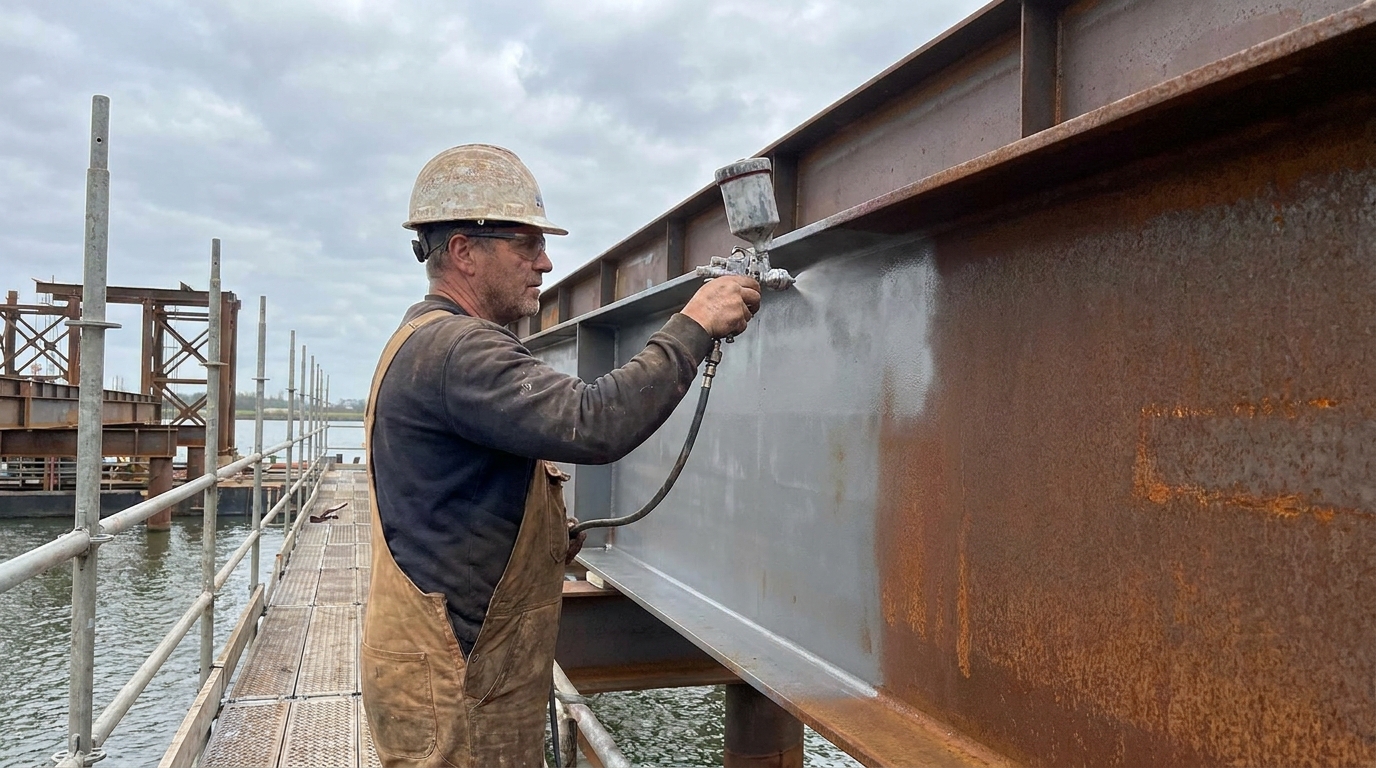
Corrosion prevention starts with clean surfaces. Dirt, oils, weld spatter, metal dust, coolant residue, and fingerprints can all trap moisture or interfere with coatings.
Remove Contaminants Before Coating
A rust preventive or paint will only perform as well as the surface beneath it. Before applying a coating, remove:
- Grease and oil
- Loose rust
- Mill scale when required
- Salt residue
- Dirt and dust
- Old flaking paint
- Cutting fluid residue
- Weld discoloration if necessary
Use appropriate cleaners and degreasers for the job. CEM Industrial Supply can support maintenance teams with industrial cleaners, solvents, wipes, brushes, scrapers, and PPE needed for safe surface preparation.
Choose the Right Abrasive
Abrasives are essential for removing rust, scale, paint, and oxidation. The right abrasive depends on the surface, finish requirement, and corrosion level.
| Job | Recommended Abrasive Type | Notes |
||||
| Light surface rust | Non-woven pads, wire brushes | Good for tools and light cleanup |
| Heavy rust | Grinding wheels, flap discs, wire wheels | Use proper guards and PPE |
| Paint removal | Sanding discs, surface conditioning discs | Avoid gouging base metal |
| Weld cleanup | Flap discs, grinding wheels | Match grit to finish requirement |
| Precision surfaces | Fine stones, rust erasers, approved cleaners | Avoid aggressive grinding |
Avoid over-grinding machine tables, precision measuring tools, or machined surfaces. For high-value equipment, use manufacturer-approved cleaning methods.
Don’t Forget Salt Removal
Salt is highly corrosive and can remain on surfaces after water evaporates. In winter, salt residue is common on:
- Vehicle lifts
- Fleet equipment
- Forklifts
- Entryway tools and carts
- Dock plates
- Floor-level shelving
- Snow removal equipment
- Steel stored near doors
Use appropriate cleaning products to remove salt contamination before applying oil, wax, paint, or rust preventative. Coating over salt can trap the contaminant underneath and accelerate corrosion.
To effectively prevent corrosion in your shop, it’s essential to understand the tools and materials you use. A related article that can provide valuable insights is available here, where you can explore how to choose the right tools for your needs. By selecting high-quality equipment and maintaining it properly, you can significantly reduce the risk of corrosion and extend the lifespan of your tools and workspace.
Use Protective Coatings, Lubricants, and Rust Inhibitors
Once metal is clean and dry, protect it. The right product depends on whether the item is in use, stored temporarily, stored long-term, exposed outdoors, or subject to heat, friction, chemicals, or handling.
Short-Term Rust Preventives
Short-term rust preventives are ideal for tools, fixtures, spare parts, machined components, and raw material stored indoors.
Common options include:
- Light oil films
- Water-displacing sprays
- Corrosion inhibitor sprays
- Protective wax films
- Vapor corrosion inhibitor bags or papers
These are useful for items that need to be handled or returned to service quickly.
Long-Term Storage Protection
For seasonal equipment, spare shafts, replacement parts, dies, molds, bearings, and rarely used tools, choose longer-lasting protection.
Long-term options include:
- Heavy-duty rust preventive coatings
- Grease-based protection
- Wax-based coatings
- Sealed bags with desiccant
- VCI packaging
- Covered indoor storage
- Labeled storage containers
Before long-term storage, record the date the item was protected and schedule an inspection. A simple tag can prevent costly surprises later.
Paint and Industrial Coatings
Paint is one of the most effective corrosion barriers when the surface is properly prepared. Industrial coatings are especially important for:
- Railings
- Stairs
- Platforms
- Structural supports
- Outdoor racks
- Equipment frames
- Tanks and carts
- Safety barriers
For best results:
- Remove loose rust and failing paint.
- Clean and degrease the surface.
- Use primer suited to the metal and environment.
- Apply the recommended number of coats.
- Allow proper cure time.
- Inspect for chips and scratches regularly.
Paint failure often begins at edges, welds, bolt holes, and damaged areas. Touch up small chips before corrosion spreads.
Lubricants as Corrosion Protection
Lubricants do more than reduce friction. Many also help protect metal surfaces from oxidation.
Use lubricants for:
- Hinges
- Chains
- Bearings
- Slides
- Threaded rods
- Cables
- Gears
- Pneumatic tools
- Locks and latches
CEM Industrial Supply customers often pair lubricants with related MRO supplies such as grease guns, oilers, spray applicators, absorbents, wipes, gloves, and safety glasses.
Always match the lubricant to the application. Food-grade, high-temperature, water-resistant, anti-seize, penetrating oil, and general-purpose lubricants are not interchangeable.
Anti-Seize for Fasteners
Fastener corrosion leads to broken bolts, seized nuts, stripped threads, and longer repair time. Anti-seize compounds help prevent galling and corrosion on threaded connections.
Use anti-seize on:
- Exhaust and high-heat fasteners
- Outdoor equipment bolts
- Stainless steel threaded connections
- Dissimilar metal assemblies
- Maintenance access panels
- Pump and motor mounting bolts
- Agricultural and fleet equipment
Do not overapply. Follow torque adjustment guidelines because lubricated threads can change clamping force.
To effectively prevent corrosion in your shop, it’s essential to understand the broader context of industrial supply chain management. A related article discusses how innovative supply chain solutions can enhance manufacturing processes and ensure the longevity of equipment. For more insights, you can read about these advancements in the article on revolutionizing manufacturing. By integrating these strategies, you can create a more resilient environment that minimizes the risk of corrosion.
Store Tools, Fasteners, and Materials to Prevent Corrosion
Storage is one of the easiest corrosion problems to fix. Many shops lose money because good tools, hardware, and raw materials are stored in poor conditions.
Tool Storage Best Practices
Tools should be kept clean, dry, organized, and protected from shop contaminants.
Recommended practices:
- Wipe tools before returning them to drawers
- Use drawer liners to reduce moisture contact
- Keep toolboxes closed when not in use
- Add desiccant packs to drawers
- Store precision tools separately
- Avoid placing tools on wet benches or floors
- Apply light rust preventive to rarely used tools
- Inspect tool carts that travel into wet areas
Precision measuring tools such as micrometers, calipers, squares, and gauges need special care. Keep them in cases, avoid fingerprints on polished surfaces, and maintain a light protective film when appropriate.
Fastener and Hardware Storage
Fasteners are especially vulnerable because they have threads, corners, and small surfaces where moisture can collect. Rusty fasteners create assembly problems and can compromise quality.
Protect fasteners by:
- Keeping bins covered
- Storing hardware away from doors and wash areas
- Using sealed containers for specialty fasteners
- Rotating stock first-in, first-out
- Labeling stainless, zinc-plated, and plain steel fasteners clearly
- Avoiding mixed-metal storage when corrosion risk is high
- Inspecting low-use bins regularly
CEM Industrial Supply supports shops with fasteners, anchors, hardware, storage bins, labels, and maintenance supplies that help keep inventory organized and usable.
Raw Material Storage
Steel plate, tubing, bar stock, and sheet metal should not sit directly on the floor, especially in humid or salt-prone areas.
Improve storage by:
- Elevating material on racks
- Keeping material away from exterior doors
- Using spacers for airflow
- Covering outdoor material while allowing ventilation
- Avoiding plastic wrap that traps condensation
- Marking older stock for first use
- Cleaning and coating material intended for long storage
If your Branch County operation stores material outside, use a routine inspection schedule. Outdoor steel can corrode quickly after snow, rain, or salt exposure.
Keep Chemicals Away From Metal Storage
Certain chemicals accelerate corrosion through fumes or spills. Avoid storing metal tools, fasteners, or raw material near:
- Acids
- Strong alkaline cleaners
- Fertilizers
- Bleach
- Battery charging stations
- Chlorinated products
- Salt bags
- Open chemical containers
Chemical storage should be labeled, ventilated, and separated from corrosion-sensitive inventory.
Prevent Corrosion on Machines and Equipment
Machinery is where corrosion becomes downtime. Even minor rust on ways, chucks, tooling, electrical enclosures, or pneumatic components can affect accuracy and reliability.
Machine Tables, Ways, and Chucks
Machine surfaces should be cleaned and protected daily.
Recommended routine:
- Remove chips and coolant residue
- Wipe down exposed metal surfaces
- Apply approved way oil or rust preventive
- Keep covers closed when not in use
- Avoid leaving wet rags on machines
- Clean T-slots and hidden chip traps
- Inspect after weekends or shutdowns
Coolant concentration matters. Weak or contaminated coolant can promote corrosion. Test and maintain coolant according to the manufacturer’s recommendations.
Welding and Fabrication Areas
Welding and grinding generate dust, slag, spatter, and heat-affected zones that can contribute to corrosion. Fabrication shops should focus on cleanup and coating.
Best practices:
- Remove weld spatter before coating
- Clean grinding dust from nearby tools and machines
- Protect bare welds quickly
- Use weld-through primers only where appropriate
- Keep clamps, squares, and fixtures clean
- Store welding wire properly to prevent moisture pickup
- Use anti-spatter products where suitable
Grinding dust is a common hidden cause of surface rust. Fine metal particles can settle on painted equipment or stainless surfaces and create rust staining.
Fleet, Farm, and Mobile Equipment
In Southern Michigan, fleet and agricultural equipment face salt, mud, fertilizer, fuel, hydraulic oil, and outdoor exposure.
Key prevention steps:
- Wash road salt from undercarriages and frames
- Dry equipment before indoor storage when practical
- Grease fittings on schedule
- Use corrosion protection on battery terminals
- Inspect hydraulic lines and fittings
- Touch up chipped paint
- Use anti-seize on service fasteners
- Store seasonal attachments under cover
Coldwater-area shops maintaining plow trucks, trailers, loaders, tractors, and service vehicles should treat corrosion prevention as part of regular fleet maintenance—not an afterthought.
Electrical Enclosures and Panels
Corrosion in electrical systems is a safety and reliability concern. Moisture and oxidation can lead to poor connections, overheating, and equipment failure.
Inspect for:
- Rust on enclosure doors
- Damaged gaskets
- Condensation inside panels
- Corroded terminals
- Missing plugs or knockouts
- Water entry from conduit
- Chemical exposure nearby
Only qualified personnel should open or service electrical equipment. Use proper lockout/tagout procedures and follow applicable electrical safety requirements.
Use the Right Materials and Hardware
Sometimes corrosion prevention starts with choosing better materials.
Plain Steel vs. Galvanized vs. Stainless
The right metal depends on the environment, load, cost, and service requirements.
| Material | Corrosion Resistance | Best Use | Watchouts |
|||||
| Plain carbon steel | Low unless coated | Indoor structures, fabrication | Needs paint, oil, or coating |
| Zinc-plated steel | Moderate | Indoor hardware, light-duty exposure | Plating can wear or chip |
| Hot-dip galvanized steel | Good | Outdoor brackets, frames, supports | Not ideal for every chemical environment |
| Stainless steel | High | Wet areas, food, washdown, chemical exposure | Can still corrode in chloride environments |
| Aluminum | Moderate to high | Lightweight structures, guards | Galvanic corrosion with steel |
| Brass/bronze | Good in many environments | Bushings, fittings, marine-style applications | Compatibility matters |
Avoid Galvanic Corrosion
Galvanic corrosion occurs when dissimilar metals contact each other in the presence of an electrolyte such as water or salt. One metal sacrifices itself and corrodes faster.
To reduce galvanic corrosion:
- Use compatible metals when possible
- Add nonconductive washers or barriers
- Keep joints dry
- Apply sealants or coatings
- Avoid mixing stainless and plain steel in wet areas without planning
- Use proper fastener materials for the base metal
Choose Coated or Stainless Fasteners When Needed
For outdoor, wet, or chemical environments, plain steel fasteners are often a false economy. The small upfront savings can lead to seized hardware and difficult repairs.
Consider upgraded fasteners for:
- Outdoor equipment
- Washdown areas
- Trailer repairs
- HVAC supports
- Material handling equipment
- Dock equipment
- Safety railings
- Pumps and piping
CEM Industrial Supply can help local buyers source the right fasteners, anchors, washers, nuts, bolts, and related hardware for industrial maintenance and fabrication work.
Maintenance and Safety Tips for Corrosion Control
Corrosion prevention should improve safety, not create new hazards. Cleaning chemicals, coatings, lubricants, abrasives, and rust removers must be used properly.
PPE for Rust Removal and Coating Work
Depending on the task, PPE may include:
- Safety glasses or goggles
- Face shield
- Cut-resistant gloves
- Chemical-resistant gloves
- Hearing protection
- Respiratory protection
- Protective clothing
- Welding PPE
- Slip-resistant footwear
When using abrasives, always inspect wheels and discs before use, confirm correct RPM ratings, and use machine guards. When using chemicals, read the Safety Data Sheet and follow ventilation requirements.
CEM Industrial Supply carries PPE and safety supplies that support common corrosion-control tasks, including eye protection, gloves, respirators, hearing protection, first aid, spill control, and workplace safety products.
Safe Chemical Handling
Rust removers, solvents, degreasers, acids, and coatings can present fire, inhalation, skin, and environmental hazards.
Follow these practices:
- Store chemicals in labeled containers
- Keep lids closed when not in use
- Never mix chemicals unless directed by the manufacturer
- Use proper ventilation
- Keep flammables away from ignition sources
- Dispose of rags and waste properly
- Use secondary containment where required
- Train employees on SDS access and spill response
Lockout/Tagout Before Maintenance
If corrosion removal involves machines, conveyors, pumps, compressors, or powered equipment, use lockout/tagout procedures. Do not rely on a switch being “off.”
Before starting:
- Shut down equipment
- Isolate energy sources
- Lock and tag controls
- Release stored energy
- Verify zero energy state
- Complete the work
- Remove tools and guards
- Return equipment to service safely
Don’t Ignore Structural Corrosion
Rust on a handrail, stair tread, mezzanine support, rack upright, ladder, or platform is not just cosmetic. Corrosion can reduce strength and create serious safety hazards.
Inspect structural components for:
- Flaking rust
- Deep pitting
- Cracks near welds
- Loose anchors
- Rust bleeding from joints
- Bent or weakened sections
- Corroded grating or stair treads
When in doubt, have a qualified professional evaluate the structure.
Corrosion Prevention Checklist for Your Shop
Use this checklist as a monthly shop maintenance guide.
Daily Checklist
- Wipe down machine tables and exposed metal surfaces
- Put tools away clean and dry
- Remove standing water from floors
- Close toolboxes and storage cabinets
- Drain moisture from air lines if required
- Clean salt or snow tracked in during winter
- Cover sensitive materials near doors
Weekly Checklist
- Inspect compressor drains, filters, and dryers
- Check fastener bins for moisture or rust
- Clean welding and grinding dust from work areas
- Inspect lubricated chains, slides, and hinges
- Check outdoor equipment for chipped paint
- Replace saturated desiccant packs
- Review wet areas and floor drainage
Monthly Checklist
- Inspect raw material racks
- Check safety railings, stairs, ladders, and platforms
- Inspect electrical enclosures for moisture signs
- Review chemical storage areas
- Touch up damaged coatings
- Check seldom-used tools and spare parts
- Inspect outdoor storage covers and ventilation
- Restock rust inhibitors, lubricants, abrasives, cleaners, PPE, and absorbents
Seasonal Checklist for Coldwater and Southern Michigan Shops
Before winter:
- Stock floor absorbents and cleaning supplies
- Prepare a salt-removal routine
- Protect outdoor equipment and raw material
- Coat snow removal tools and attachments
- Inspect door seals and drainage
Before spring:
- Wash salt residue from vehicles and equipment
- Inspect racks and floors after thaw
- Check for condensation issues
- Recoat exposed metal as needed
Before summer:
- Monitor humidity in tool storage areas
- Check ventilation and fans
- Protect precision tools from condensation
- Inspect coolant systems
Before fall:
- Service equipment before winter storage
- Apply rust preventives to seasonal tools
- Inspect outdoor coatings
- Clean gutters, drains, and entry areas
Buying Guide: Products That Help Prevent Corrosion
A strong corrosion control program requires a practical mix of supplies. Here is a buying guide for maintenance managers, purchasing teams, and shop owners.
Surface Preparation Supplies
Look for:
- Wire brushes
- Scrapers
- Sanding discs
- Flap discs
- Grinding wheels
- Surface conditioning pads
- Degreasers
- Industrial wipes
- Solvent-safe containers
These products help remove rust, oil, paint, scale, and debris before protection is applied.
Rust Preventives and Lubricants
Useful products include:
- Penetrating oils
- Water-displacing sprays
- Corrosion inhibitor sprays
- Anti-seize compounds
- Greases
- Chain lubricants
- Way oils
- Protective coatings
- VCI packaging
Choose based on service life, environment, temperature, exposure, and whether the part will be handled frequently.
Storage and Organization Supplies
Good storage reduces corrosion and improves productivity.
Consider:
- Covered bins
- Drawer liners
- Shelving
- Parts organizers
- Labels
- Toolboxes
- Cabinets
- Desiccant packs
- Sealed containers
- Material racks
Safety and Cleanup Supplies
Corrosion prevention often involves chemical and mechanical hazards.
Stock:
- Gloves
- Eye protection
- Face shields
- Respirators
- Hearing protection
- Absorbent pads
- Spill kits
- First aid supplies
- Lockout/tagout products
- Safety signs
When to Ask for Help
If you are not sure which product fits your environment, ask before buying. CEM Industrial Supply serves Coldwater, Branch County, and Southern Michigan with industrial supply support for shops that need dependable products and practical guidance.
The right recommendation depends on:
- Indoor vs. outdoor exposure
- Salt or chemical contact
- Temperature range
- Surface condition
- Required dry time
- Food-grade or specialty requirements
- Compatibility with paint, rubber, plastics, or seals
- Safety and ventilation limits
Cost of Ignoring Corrosion
Corrosion prevention is usually far cheaper than corrosion repair. The visible rust is only part of the cost.
Hidden costs include:
- Broken bolts during repairs
- Damaged precision tools
- Scrap parts due to contamination
- Premature bearing and chain failure
- Electrical troubleshooting
- Safety hazards
- Longer maintenance labor
- Downtime waiting on replacement parts
- Poor appearance during customer visits
- Failed inspections or quality audits
A $20 can of rust preventive, a clean storage bin, or a 10-minute wipe-down routine can protect thousands of dollars in tools and equipment.
FAQs About Preventing Corrosion in Your Shop
What is the best way to prevent rust in an industrial shop?
The best approach is to control moisture, keep metal clean, apply the right protective coating or lubricant, and inspect regularly. Focus first on high-risk areas such as machine surfaces, fasteners, air systems, raw material storage, and equipment near doors or wash areas.
How often should I apply rust preventive to tools?
Frequently used tools may only need regular cleaning and light protection. Tools stored for weeks or months should be wiped down and coated before storage. In humid Southern Michigan shops, inspect rarely used tools at least monthly or seasonally.
Why do my tools rust inside a closed toolbox?
Toolboxes can trap moisture, especially if tools are put away wet or cold. Add desiccant packs, use drawer liners, wipe tools before storage, and keep the box away from exterior walls or damp floors.
Does WD-style spray stop rust permanently?
Water-displacing sprays are useful for short-term protection and moisture removal, but they may not provide long-term corrosion resistance in harsh environments. For long-term storage or outdoor exposure, use a dedicated rust preventive, grease, wax coating, paint system, or VCI packaging.
How do I prevent rust on raw steel stock?
Store raw steel off the floor, away from doors and wet areas, with airflow between pieces. Use first-in, first-out rotation and apply protective oil or coating when material will be stored for extended periods.
Is stainless steel completely rustproof?
No. Stainless steel is corrosion-resistant, not corrosion-proof. Chlorides, road salt, harsh cleaners, contamination from carbon steel grinding dust, and poor drainage can still cause staining or corrosion.
What causes flash rust after cleaning metal?
Flash rust occurs when bare steel is exposed to oxygen and moisture immediately after cleaning. It often happens after washing, blasting, or aggressive degreasing. Dry the surface quickly and apply primer or rust preventive as soon as possible.
How can I prevent corrosion on fasteners?
Use the correct fastener material or coating, store hardware in dry covered bins, apply anti-seize where appropriate, and avoid mixing dissimilar metals in wet environments. For outdoor and washdown applications, consider galvanized, coated, or stainless fasteners.
What shop supplies should I keep on hand for corrosion control?
A practical corrosion-control inventory includes degreasers, industrial wipes, abrasives, wire brushes, rust preventives, lubricants, anti-seize, desiccants, storage bins, absorbents, gloves, eye protection, and spill control supplies.
Where can local shops in Coldwater and Branch County get corrosion prevention supplies?
CEM Industrial Supply supports industrial, maintenance, fabrication, fleet, and repair shops in Coldwater, Branch County, and Southern Michigan with MRO products, abrasives, lubricants, fasteners, PPE, cleaning supplies, storage solutions, and practical product guidance for corrosion prevention.
FAQs
What is corrosion?
Corrosion is the process of deterioration of a material, usually a metal, due to chemical reactions with its environment. This can lead to rust, tarnish, or other forms of degradation.
What are the common causes of corrosion in a shop?
Common causes of corrosion in a shop include exposure to moisture, chemicals, and salt, as well as inadequate protection or maintenance of metal surfaces.
How can corrosion be prevented in a shop?
Corrosion can be prevented in a shop by using protective coatings, such as paint or specialized corrosion-resistant coatings, and by implementing proper maintenance and cleaning procedures for metal surfaces.
What are some common anti-corrosion methods for metal tools and equipment?
Common anti-corrosion methods for metal tools and equipment include applying rust inhibitors, using protective coatings, such as oil or wax, and storing items in dry, well-ventilated areas.
Why is it important to prevent corrosion in a shop?
Preventing corrosion in a shop is important because it can extend the lifespan of tools and equipment, reduce maintenance costs, and ensure the safety and reliability of metal components.