
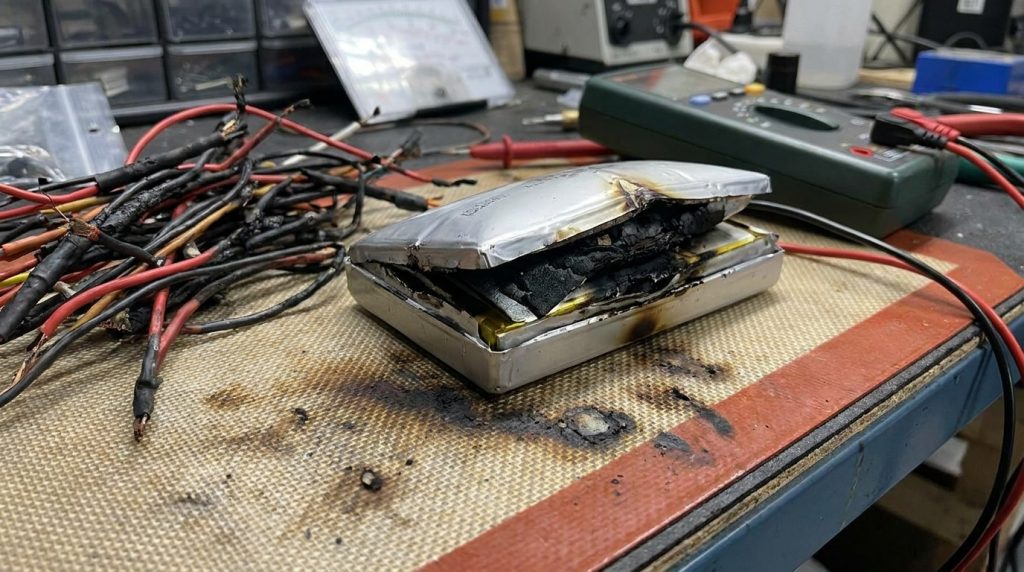
Battery failure is one of those problems that rarely happens at a convenient time. In a warehouse, fabrication shop, service fleet, farm operation, municipal facility, or contractor yard, a weak or failed battery can stop production, delay shipments, strand equipment, and create unnecessary safety risks.
For industrial teams in Coldwater, Branch County, and Southern Michigan, batteries are exposed to real-world conditions: freezing winters, humid summers, vibration, long storage periods, heavy electrical loads, and demanding daily use. Whether you operate forklifts, floor scrubbers, scissor lifts, generators, trailers, service trucks, pumps, power tools, or backup power systems, the best way to prevent battery failure is through proper selection, charging, inspection, storage, and maintenance.
At CEM Industrial Supply, we work with maintenance teams, contractors, plant managers, mechanics, and purchasing departments that need dependable industrial supplies—not downtime. Battery performance is not just about the battery itself. It is affected by chargers, cables, terminals, PPE, test equipment, storage practices, and the environment around the equipment.
This guide explains how to prevent battery failure in industrial and commercial applications using practical steps your team can apply immediately.
To ensure the longevity and reliability of your equipment, it is crucial to prevent battery failure through proper maintenance and care. For more insights on safety practices that can enhance the performance of your tools, you may find the article on abrasive wheel safety particularly informative. It discusses essential safety measures that align with OSHA regulations, which can indirectly contribute to better equipment management. You can read the article here: Abrasive Wheel Safety: What OSHA Actually Cares About and What Most Shops Get Wrong.
Common Causes of Battery Failure
Battery failure is often blamed on “a bad battery,” but most premature failures are caused by operating conditions or maintenance issues. Understanding the root cause helps you reduce repeat problems and extend battery life.
Poor Charging Practices
Incorrect charging is one of the leading reasons batteries fail early. This includes:
- Undercharging batteries repeatedly
- Overcharging batteries for long periods
- Using the wrong charger type
- Charging in extreme temperatures
- Interrupting charge cycles too often
- Allowing batteries to sit discharged
For lead-acid batteries, chronic undercharging causes sulfation, which reduces capacity and makes the battery harder to recharge. For lithium-ion batteries, incorrect charging can trigger protection circuits, reduce runtime, or shorten service life.
Corrosion and Poor Connections
Battery terminals, clamps, and cables must transfer current efficiently. Corrosion creates resistance, which causes:
- Slow starts
- Heat buildup
- Low voltage at the equipment
- Intermittent electrical faults
- Reduced charging efficiency
- Premature starter or motor wear
In industrial environments with moisture, dust, road salt, fertilizer, chemicals, or cleaning agents, corrosion can develop quickly if terminals are not protected.
Vibration and Physical Damage
Forklifts, skid steers, trailers, mowers, compressors, pumps, and service trucks all create vibration. Vibration can damage internal battery plates, loosen terminals, crack cases, and cause intermittent power loss.
Common vibration-related issues include:
- Loose hold-down brackets
- Battery shifting in the tray
- Cracked cases
- Broken internal connections
- Cable fatigue near terminals
Proper mounting hardware and regular inspections are essential to prevent battery failure in mobile equipment.
Extreme Temperatures
Southern Michigan weather can be hard on batteries. Cold temperatures reduce available cranking power, while heat accelerates chemical breakdown inside the battery.
Temperature-related battery problems include:
- Hard starting in winter
- Reduced runtime in cold warehouses
- Faster water loss in flooded lead-acid batteries
- Shorter overall battery life in hot environments
- Increased charging stress
A battery that seems fine in September may fail during the first cold snap in Coldwater or Branch County. That is why fall battery inspection is so important for fleets and outdoor equipment.
Parasitic Loads and Electrical Draw
Many modern machines and vehicles draw a small amount of power even when turned off. Telematics, safety lights, controllers, radios, sensors, alarms, and onboard computers can drain batteries during storage.
Parasitic drain is common in:
- Utility vehicles
- Service trucks
- Emergency equipment
- Generators
- Trailers with lighting systems
- Lifts and aerial equipment
- Seasonal machinery
If equipment sits for weeks without a maintainer, the battery may drop below a healthy voltage level.
Choosing the Right Battery for the Job
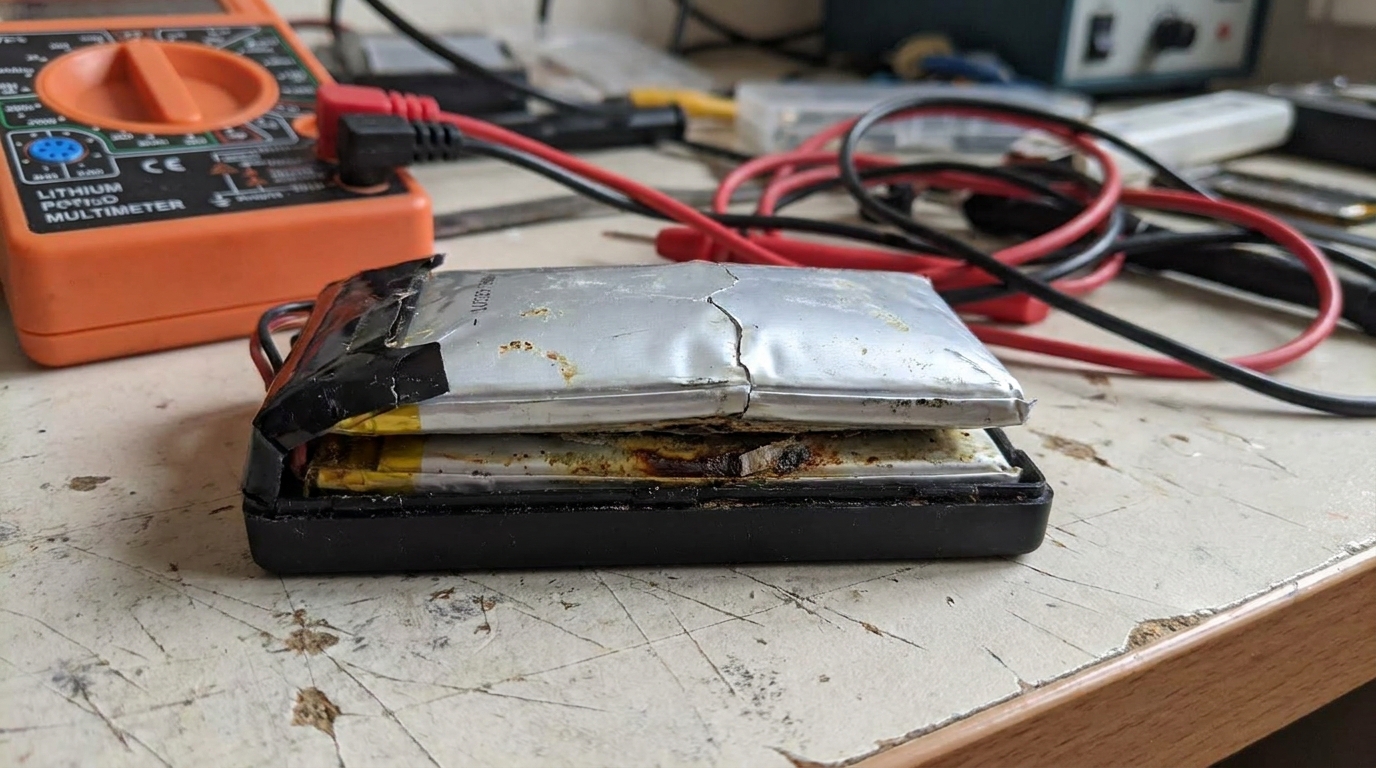
One of the best ways to prevent battery failure is to select the correct battery for the application from the start. A battery that is undersized, poorly matched, or not designed for the duty cycle will fail sooner, even with good maintenance.
Battery Types Used in Industrial Applications
Different equipment requires different battery chemistry and construction. Here is a practical comparison.
| Battery Type | Best For | Strengths | Watchouts |
|||||
| Flooded Lead-Acid | Forklifts, vehicles, older equipment, backup systems | Cost-effective, widely available, serviceable | Requires watering, ventilation, corrosion control |
| AGM | Service vehicles, lifts, standby systems, harsh environments | Sealed, vibration-resistant, low maintenance | Requires compatible charger, higher initial cost |
| Gel | Deep-cycle applications, sensitive environments | Good deep-cycle performance, sealed | Sensitive to overcharging, slower charge acceptance |
| Lithium-Ion | Modern equipment, tools, high-cycle applications | Lightweight, fast charging, long cycle life | Requires correct charger and battery management system |
| Deep-Cycle | Floor scrubbers, lifts, solar, marine-style applications | Designed for repeated discharge | Not ideal for engine starting unless rated for it |
| Starting Battery | Trucks, generators, engines | High cranking amps | Not designed for deep discharge |
Match Battery Capacity to the Load
Battery capacity should match the equipment’s electrical demand and expected runtime. Choosing a battery with too little capacity leads to deeper discharge cycles, shorter life, and frequent charging.
When selecting a battery, consider:
- Voltage requirements
- Amp-hour rating
- Cold cranking amps, if used for starting
- Reserve capacity
- Cycle life
- Physical size and terminal location
- Vibration resistance
- Charging system compatibility
- Indoor or outdoor use
- Maintenance requirements
Industrial Battery Buying Guide
Before buying replacement batteries, ask these questions:
- What equipment is the battery powering?
- Is the battery used for starting, deep cycling, or both?
- How many hours per day is the equipment used?
- Is the battery exposed to vibration, moisture, heat, or freezing temperatures?
- What charger is currently being used?
- Does the equipment sit unused for long periods?
- Are operators trained on proper charging?
- Is maintenance staff checking electrolyte levels, terminals, and cables?
- Is there a need for sealed or maintenance-free batteries?
- Are safety accessories and PPE available for battery handling?
CEM Industrial Supply can help industrial buyers think through related needs such as battery chargers, electrical supplies, hand tools, testing equipment, PPE, absorbents, cleaning supplies, and storage products that support safe battery maintenance.
Please visit our latest post at https://cemindustrialsupply.com/news/ for more information.
Charging Best Practices to Prevent Battery Failure
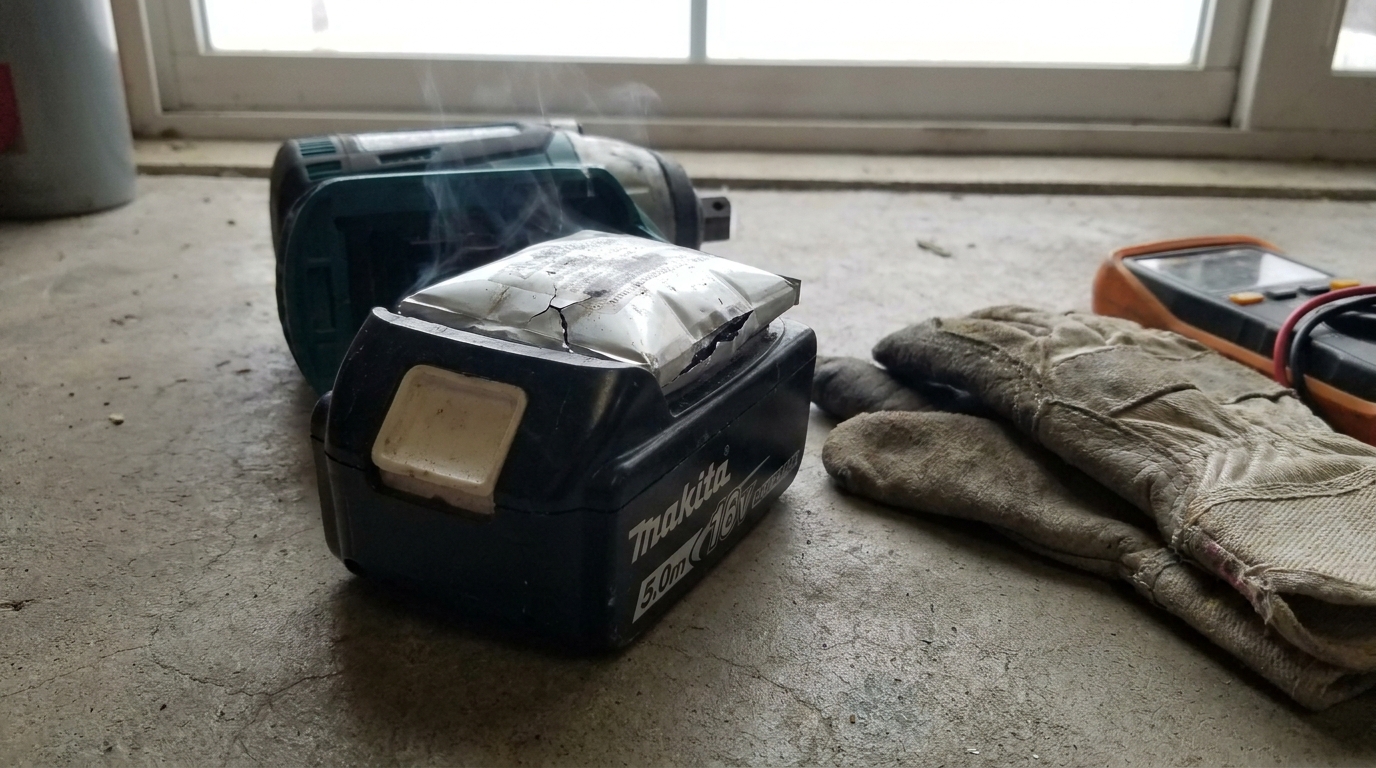
Charging is where many battery problems begin. A battery may be high quality, but if it is charged incorrectly, its life will be shortened.
Use the Correct Charger
Always match the charger to the battery chemistry, voltage, and capacity. Using the wrong charger can cause undercharging, overcharging, overheating, or permanent damage.
For example:
- AGM batteries require chargers with AGM-compatible settings.
- Lithium-ion batteries require approved lithium chargers.
- Flooded lead-acid batteries may require controlled charging and equalization.
- Deep-cycle batteries need chargers designed for deep-cycle recovery.
A charger that “fits the plug” is not always the right charger.
Avoid Deep Discharge
Deep discharge is one of the fastest ways to shorten battery life. Many lead-acid batteries suffer permanent capacity loss when repeatedly discharged too far.
General guidelines:
- Recharge lead-acid batteries before they fall below 50% state of charge when possible.
- Do not leave a discharged battery sitting overnight or over the weekend.
- Recharge batteries after use, especially before storage.
- Follow manufacturer recommendations for lithium-ion discharge limits.
For forklifts, floor scrubbers, and lifts, operators should be trained not to “run it until it dies.” That habit creates expensive battery problems.
Let Batteries Complete the Charge Cycle
Opportunity charging can be useful in some applications, but frequent short charging can reduce performance if the battery type is not designed for it.
Best practices include:
- Allow full charge cycles when recommended.
- Avoid repeatedly unplugging chargers early.
- Keep charging records for high-use equipment.
- Confirm chargers shut off automatically when complete.
- Do not charge damaged or leaking batteries.
Charge in a Safe, Ventilated Area
Flooded lead-acid batteries can release hydrogen gas during charging. Charging areas should be clean, ventilated, and free from ignition sources.
A proper charging area should include:
- Adequate ventilation
- No smoking or open flames
- Eye protection and gloves
- Spill response supplies
- Clearly marked charging stations
- Properly rated electrical outlets
- Fire extinguisher access
- Battery handling equipment, if needed
For industrial facilities in Southern Michigan, winter charging areas should also protect batteries from extreme cold where practical.
To ensure the longevity and reliability of your equipment, it is essential to take proactive measures to prevent battery failure. A related article that provides valuable insights on this topic can be found here, where you can explore various strategies and tips to maintain optimal battery performance. By implementing these practices, you can significantly reduce the risk of unexpected downtime and enhance the overall efficiency of your operations.
Inspection and Maintenance Checklist
Routine inspection is the most cost-effective way to prevent battery failure. Many issues can be caught early before they become downtime.
Weekly Battery Inspection Checklist
Use this checklist for forklifts, lifts, trucks, generators, floor machines, and other battery-powered equipment:
- Check battery case for cracks, swelling, or leaks.
- Inspect terminals for corrosion.
- Confirm cables are tight and undamaged.
- Look for frayed insulation or exposed wire.
- Verify hold-down brackets are secure.
- Check electrolyte levels in flooded batteries.
- Confirm charger cables and plugs are in good condition.
- Look for signs of overheating or melted connectors.
- Test voltage if performance seems weak.
- Clean dirt, moisture, or residue from the battery top.
Monthly Preventive Maintenance Checklist
For higher-use industrial equipment, perform a deeper monthly inspection:
- Load test starting batteries.
- Record voltage readings.
- Inspect charging output.
- Clean and protect terminals.
- Check battery tray condition.
- Inspect cable routing for rubbing or pinch points.
- Verify charger settings.
- Review operator charging habits.
- Inspect PPE and spill kits near charging areas.
- Replace damaged clamps, cables, or connectors.
Cleaning Battery Terminals Safely
Corrosion should be removed carefully. Always follow company safety policies and battery manufacturer instructions.
Basic steps:
- Turn equipment off.
- Wear proper PPE, including safety glasses and chemical-resistant gloves.
- Disconnect the negative cable first, then the positive.
- Use a battery terminal brush or approved cleaning tool.
- Neutralize corrosion when appropriate for the battery type.
- Clean and dry the terminal area.
- Reconnect the positive cable first, then the negative.
- Apply terminal protection if recommended.
- Confirm the connection is tight but not over-tightened.
CEM Industrial Supply can support these tasks with PPE, hand tools, brushes, cleaning supplies, electrical products, shop towels, and maintenance essentials commonly used in industrial battery service.
Storage Practices That Extend Battery Life
Many battery failures happen while equipment is sitting, not while it is working. Seasonal storage is especially important in Branch County, where equipment may sit through winter or between busy production cycles.
Store Batteries Fully Charged
A discharged battery can freeze more easily than a charged battery. Freezing can crack the battery case and cause permanent damage.
Before storing equipment:
- Fully charge the battery.
- Clean terminals and case.
- Disconnect the battery if parasitic draw is likely.
- Use a compatible battery maintainer.
- Store in a cool, dry location.
- Keep batteries off wet floors when possible.
- Check voltage periodically.
Use Battery Maintainers for Idle Equipment
Battery maintainers, also called trickle chargers or smart maintainers, help keep batteries at a healthy state of charge during storage. They are useful for:
- Backup generators
- Seasonal equipment
- Emergency vehicles
- Trailers
- Utility carts
- Mowers and landscape equipment
- Farm and construction machinery
- Spare batteries
Use only maintainers designed for the battery type and voltage.
Avoid Temperature Extremes
If possible, store batteries in a controlled environment. Cold slows chemical activity and reduces output, while heat accelerates aging.
Storage tips for Southern Michigan winters:
- Charge batteries before the first hard freeze.
- Remove batteries from equipment stored outdoors when practical.
- Keep spare batteries in a dry, protected area.
- Inspect stored batteries monthly.
- Never attempt to charge a frozen battery.
Battery Testing and Troubleshooting
Testing allows you to identify weak batteries before they fail during production or on a jobsite. A simple voltage reading is useful, but it does not tell the whole story.
Basic Battery Voltage Guide
The following values are general references for 12-volt lead-acid batteries at rest. Always confirm manufacturer specifications.
| State of Charge | Approximate Voltage |
|||
| 100% | 12.6–12.8V |
| 75% | 12.4V |
| 50% | 12.2V |
| 25% | 12.0V |
| Discharged | 11.8V or lower |
A battery may show acceptable voltage at rest but still fail under load. That is why load testing is important for starting batteries and mission-critical equipment.
Signs a Battery Is Near Failure
Watch for these warning signs:
- Slow engine cranking
- Shorter equipment runtime
- Battery will not hold charge
- Charger shows fault codes
- Swollen or distorted case
- Rotten egg odor
- Excessive corrosion
- Dimming lights
- Intermittent power loss
- Frequent jump-starting
- Hot battery or cables
- Low electrolyte levels
- Repeated blown fuses or electrical issues
If operators report any of these symptoms, inspect the battery system immediately.
Battery or Charging System Problem?
Not every “battery issue” is caused by the battery. The charging system, cables, connectors, alternator, charger, controller, or electrical load may be the real problem.
| Symptom | Possible Battery Issue | Possible System Issue |
||||
| Battery keeps going dead | Weak cell, sulfation, old battery | Parasitic draw, bad alternator, faulty charger |
| Slow cranking | Low charge, poor capacity | Corroded cables, starter issue, ground problem |
| Charger fault | Battery internal failure | Incorrect charger, damaged connector |
| Short runtime | Reduced capacity | Equipment drawing too much current |
| Hot terminals | Loose/corroded connection | Undersized cable, high resistance |
| Swollen battery | Overcharging, internal damage | Charger voltage too high |
A complete diagnosis saves money by preventing unnecessary battery replacement.
Safety Tips for Industrial Battery Handling
Battery maintenance involves electrical, chemical, lifting, and fire hazards. Safety must be part of every maintenance program.
Required PPE for Battery Work
Depending on the battery type and task, workers may need:
- Safety glasses or face shield
- Chemical-resistant gloves
- Apron or protective clothing
- Steel-toe footwear
- Insulated tools
- Respiratory protection if required by the environment
- Hearing protection in noisy maintenance areas
CEM Industrial Supply supports industrial safety programs with PPE and shop safety supplies that help maintenance crews work safely and consistently.
Battery Acid and Spill Preparedness
Flooded lead-acid batteries contain sulfuric acid. Facilities using these batteries should have proper spill response materials nearby.
A battery charging or maintenance area should include:
- Acid neutralizer
- Absorbent materials
- Eyewash access
- Emergency shower if required
- Spill containment supplies
- Proper signage
- Waste disposal procedures
- SDS access
Never ignore small leaks. A leaking battery can damage equipment, floors, racks, and nearby electrical components.
Safe Jump-Starting Practices
Jump-starting is common, but it can be dangerous if done incorrectly. Sparks near batteries can ignite gas, and reverse polarity can damage electronics.
General jump-starting tips:
- Wear eye protection.
- Confirm voltage compatibility.
- Inspect for cracks, leaks, or frozen battery signs.
- Do not jump-start a visibly damaged battery.
- Connect cables in the correct order.
- Keep cables away from fans, belts, and moving parts.
- Remove cables carefully after starting.
- Investigate why the battery was dead.
Repeated jump-starting is not a maintenance plan. It is a warning sign.
Prevent Battery Failure in Forklifts, Lifts, and Warehouse Equipment
Warehouse batteries face deep cycling, frequent charging, vibration, and operator handling. Good procedures make a major difference.
Forklift Battery Maintenance Tips
For electric forklifts and pallet jacks:
- Charge only when battery reaches the recommended discharge level.
- Allow batteries to cool before and after charging when required.
- Keep battery tops clean and dry.
- Water flooded batteries after charging, not before, unless plates are exposed.
- Use approved watering equipment.
- Keep vent caps in place.
- Inspect connectors and cables regularly.
- Train operators on safe charging procedures.
- Keep metal tools away from battery tops.
- Use proper lifting equipment for battery changes.
Scissor Lifts and Aerial Equipment
Aerial lifts may sit unused between jobs, making battery maintenance especially important.
Best practices:
- Charge after each use.
- Keep batteries connected to a maintainer if stored.
- Inspect charger cords before use.
- Avoid outdoor storage without protection.
- Check batteries before transporting equipment.
- Replace batteries as a matched set when required.
Floor Scrubbers and Cleaning Equipment
Floor scrubbers often use deep-cycle batteries and operate in wet environments. Moisture and chemical exposure increase corrosion risk.
Maintenance tips:
- Keep battery compartment clean and dry.
- Inspect for chemical residue.
- Charge after use.
- Use the correct charger profile.
- Check water levels in flooded batteries.
- Train cleaning crews to report reduced runtime.
Prevent Battery Failure in Trucks, Generators, and Outdoor Equipment
Vehicles and outdoor machinery experience cold starts, vibration, road salt, and seasonal storage. These conditions are common across Coldwater, Branch County, and Southern Michigan.
Fleet and Service Truck Batteries
Fleet batteries should be inspected before winter and during routine oil changes or service intervals.
Fleet battery checklist:
- Test battery health before cold weather.
- Inspect alternator output.
- Clean terminals and grounds.
- Replace weak batteries proactively.
- Check cable ends and starter connections.
- Secure batteries properly.
- Watch for parasitic draws from accessories.
- Keep jump packs charged and inspected.
Generator Battery Maintenance
Backup generators are only valuable if they start when needed. Battery failure is a common reason standby generators fail to start.
Generator battery tips:
- Keep battery on a compatible maintainer.
- Inspect terminals monthly.
- Load test on a schedule.
- Replace batteries based on age and condition.
- Check charger operation.
- Keep the enclosure dry and clean.
- Test-start the generator according to the maintenance plan.
Seasonal Equipment Storage
For mowers, compact tractors, trailers, pumps, sprayers, and small engines:
- Fully charge batteries before storage.
- Disconnect negative cables.
- Remove batteries from equipment stored outdoors if practical.
- Use smart maintainers.
- Clean terminals before spring startup.
- Replace cracked or corroded cables before the season begins.
Cold Weather Battery Preparation in Southern Michigan
Cold temperatures reduce battery output and increase engine starting demand. That combination makes winter the season when weak batteries reveal themselves.
Pre-Winter Battery Checklist
Before temperatures drop in Coldwater and Branch County, inspect:
- Battery age
- Resting voltage
- Cranking performance
- Terminal condition
- Cable tightness
- Ground connections
- Battery hold-downs
- Charging system output
- Electrolyte levels
- Maintainer operation for stored equipment
Why Batteries Fail in the First Cold Snap
A weak battery may seem normal in warm weather because engines turn easier and chemical reactions are faster. When temperatures fall:
- Available cranking amps decrease.
- Engine oil thickens.
- Starters require more current.
- Charging efficiency may drop.
- Existing sulfation becomes more noticeable.
That is why preventive testing in fall is better than emergency replacement in January.
Winter Storage Tips
For batteries that are not in active service:
- Store fully charged.
- Keep clean and dry.
- Avoid direct exposure to freezing temperatures.
- Use maintainers where appropriate.
- Check charge every 30–60 days.
- Never charge a frozen battery.
Battery Maintenance Products and Supplies to Keep on Hand
A strong battery maintenance program requires the right supplies. For industrial facilities, repair shops, contractors, farms, and municipalities, keeping basic battery service items in stock reduces downtime.
Recommended Battery Maintenance Supplies
Consider stocking:
- Battery chargers and maintainers
- Multimeters and battery testers
- Terminal brushes and cleaning tools
- Battery terminal protectant
- Replacement cables and clamps
- Electrical tape and heat shrink
- Cable ties and wire management supplies
- Insulated hand tools
- Safety glasses and face shields
- Chemical-resistant gloves
- Absorbents and spill kits
- Shop towels and cleaning supplies
- Battery lifting equipment where needed
- Lockout/tagout supplies
- Fire extinguishers suitable for the area
CEM Industrial Supply provides industrial products that support maintenance, safety, electrical repair, cleaning, material handling, and shop operations for businesses throughout Southern Michigan.
When to Replace Instead of Repair
Maintenance can extend battery life, but it cannot restore every battery. Replacement is usually the right choice when:
- The case is cracked or swollen.
- The battery leaks.
- It fails a load test.
- It will not hold charge.
- It has a bad cell.
- It is past expected service life.
- It repeatedly requires jump-starting.
- Terminals are damaged beyond repair.
- Runtime is no longer acceptable for the job.
Replacing a failing battery before it causes equipment downtime is usually less expensive than waiting for a breakdown.
Building a Battery Preventive Maintenance Program
To reliably prevent battery failure, battery care must be built into your maintenance process—not handled only when something will not start.
Step 1: Create a Battery Inventory
Track all batteries used in your facility or fleet, including:
- Equipment name or ID
- Battery type
- Voltage
- Amp-hour rating or CCA
- Installation date
- Charger type
- Maintenance schedule
- Test results
- Replacement history
This helps purchasing teams plan replacements instead of reacting to emergencies.
Step 2: Standardize Chargers and Procedures
Whenever possible, standardize chargers and charging procedures by equipment type. This reduces operator confusion and prevents mismatched charging.
Post simple instructions near charging areas:
- Which charger to use
- When to charge
- PPE requirements
- Emergency procedures
- Who to contact for problems
Step 3: Train Operators
Operators are often the first to notice weak battery performance. Train them to report:
- Slow starts
- Short runtime
- Charger errors
- Damaged cables
- Corrosion
- Unusual smells
- Heat
- Leaks
- Loose batteries
A five-minute report can prevent a major equipment failure.
Step 4: Schedule Testing
Create testing intervals based on risk and usage:
| Equipment Type | Suggested Testing Frequency |
|||
| Daily-use forklifts | Monthly or per maintenance schedule |
| Service trucks | At oil changes and before winter |
| Backup generators | Monthly inspection, scheduled load testing |
| Seasonal equipment | Before storage and before startup |
| Emergency equipment | Monthly or per regulatory requirement |
| Spare batteries | Every 30–60 days |
Step 5: Keep Critical Spares Available
For mission-critical equipment, consider stocking spare batteries, cables, connectors, or chargers. This is especially useful for facilities in rural areas of Branch County where downtime may be more costly than carrying backup inventory.
Quick Reference: Battery Failure Prevention Checklist
Use this practical checklist to reduce downtime and extend battery life:
- Choose the correct battery type for the application.
- Use the correct charger for the battery chemistry.
- Avoid repeated deep discharges.
- Recharge batteries promptly after use.
- Keep terminals clean and protected.
- Inspect cables, clamps, and connectors.
- Secure batteries against vibration.
- Store batteries fully charged.
- Use maintainers for idle equipment.
- Test batteries before winter.
- Train operators on charging procedures.
- Keep PPE and spill response supplies nearby.
- Replace failing batteries before they stop production.
- Document installation dates and test results.
- Inspect charging areas for safety hazards.
Frequently Asked Questions About Preventing Battery Failure
How can I prevent battery failure in industrial equipment?
To prevent battery failure, use the correct battery for the equipment, charge it properly, avoid deep discharges, keep terminals clean, secure the battery against vibration, inspect cables regularly, and store batteries fully charged. A scheduled preventive maintenance program is the best long-term solution.
What is the most common cause of premature battery failure?
The most common causes are improper charging, corrosion, deep discharge, vibration, and extreme temperatures. In industrial environments, poor charging habits and neglected terminals are especially common.
How often should industrial batteries be inspected?
High-use batteries should be inspected weekly and tested monthly or according to the equipment manufacturer’s maintenance schedule. Fleet vehicles and outdoor equipment should be tested before winter in Southern Michigan.
Should batteries be stored charged or discharged?
Batteries should generally be stored fully charged. Storing a discharged battery can cause sulfation and may allow the battery to freeze in cold temperatures.
Can cold weather cause battery failure?
Cold weather does not always cause the original damage, but it exposes weak batteries. Low temperatures reduce available power and increase starting demand, which is why many batteries fail during the first cold snap in Coldwater and Branch County.
Is corrosion on battery terminals dangerous?
Yes. Corrosion increases electrical resistance, causes starting and charging problems, and can create heat. It may also indicate acid fumes or poor sealing. Clean corrosion safely using proper PPE and approved tools.
Why does my battery keep dying after I replace it?
If a new battery keeps dying, the problem may be the charger, alternator, parasitic electrical draw, damaged cables, poor grounds, or the wrong battery type. Test the complete electrical system before replacing another battery.
When should I replace a battery instead of charging it again?
Replace the battery if it fails a load test, has a cracked or swollen case, leaks, will not hold a charge, has damaged terminals, or no longer provides adequate runtime. Repeated jump-starting is also a strong sign replacement is needed.
Do battery maintainers really help?
Yes, when properly matched to the battery type. Battery maintainers help keep idle batteries charged during storage and reduce the risk of sulfation, deep discharge, and cold-weather failure.
Where can businesses in Southern Michigan find battery maintenance supplies?
Businesses in Coldwater, Branch County, and Southern Michigan can work with CEM Industrial Supply for industrial maintenance essentials, PPE, electrical supplies, tools, cleaning products, spill control items, and other shop supplies that support safe and reliable battery care.
FAQs
What are the common causes of battery failure?
Common causes of battery failure include overcharging, undercharging, extreme temperatures, age, and sulfation.
How can I prevent overcharging and undercharging of my battery?
To prevent overcharging and undercharging, use a smart charger that automatically adjusts the charging rate and ensure that the battery is not left in a discharged state for an extended period of time.
What are the effects of extreme temperatures on batteries?
Extreme temperatures can reduce the battery’s capacity and lead to premature failure. It is important to store and operate batteries within the recommended temperature range.
How does battery age affect its performance?
As batteries age, their capacity and ability to hold a charge decreases. Regular maintenance and timely replacement can help prevent battery failure due to age.
What is sulfation and how can it be prevented?
Sulfation occurs when lead sulfate crystals build up on the battery plates, reducing the battery’s ability to hold a charge. Regular use and proper charging can help prevent sulfation.