
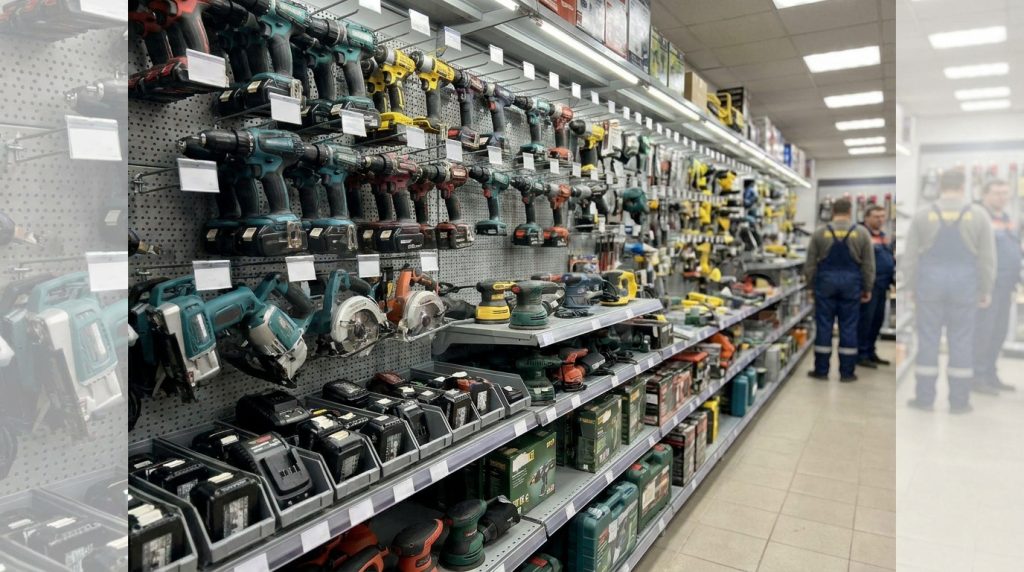
Power tools are built to work hard, but they are not built to be neglected. Whether you manage a maintenance shop in Coldwater, run a construction crew across Branch County, or keep a serious home workshop in Southern Michigan, knowing how to store power tools correctly can extend tool life, improve safety, reduce downtime, and protect your investment.
At CEM Industrial Supply, we work with contractors, manufacturers, maintenance teams, farms, municipalities, and tradespeople who depend on tools every day. One thing we see often is this: tool failure is not always caused by heavy use. Many failures come from poor storage.
Moisture, dust, temperature swings, dead batteries, damaged cords, and careless stacking can all shorten the life of drills, grinders, saws, impact drivers, sanders, and specialty equipment. A tool that is stored correctly is easier to find, safer to use, and more reliable when the job starts.
Proper power tool storage helps you:
- Prevent rust and corrosion
- Protect motors, switches, batteries, and chargers
- Reduce trip hazards and cord damage
- Improve jobsite organization
- Increase productivity
- Lower replacement costs
- Improve OSHA-conscious safety practices
- Keep accessories, fasteners, abrasives, and attachments organized
Power tool storage is not complicated, but it does require a system. The right storage method depends on your tools, your workspace, and how often you use them.
If you’re looking for additional tips on maintaining your power tools, you might find the article on CEM Industrial Supply particularly helpful. It provides insights into best practices for tool care, which can complement your knowledge on how to store power tools effectively. Proper maintenance not only extends the life of your tools but also ensures they perform optimally when you need them.
Start With a Power Tool Storage Plan
Before buying shelves, cabinets, hooks, or toolboxes, take inventory of what you own and how your tools are used. A small garage workshop has different storage needs than a maintenance department, welding shop, or mobile service truck.
Take Inventory of Your Tools
Begin by grouping your power tools by type and frequency of use.
Common power tool categories include:
- Cordless drills and drivers
- Impact wrenches and impact drivers
- Angle grinders
- Circular saws
- Reciprocating saws
- Jigsaws
- Sanders and polishers
- Rotary tools
- Bench grinders
- Cut-off tools
- Hammer drills and rotary hammers
- Heat guns
- Corded electric tools
- Pneumatic tools used alongside compressors
- Battery chargers and battery packs
Also inventory your related supplies:
- Drill bits
- Saw blades
- Grinding wheels
- Cut-off wheels
- Sanding discs
- Driver bits
- Fasteners
- Extension cords
- PPE and safety gear
- Lubricants and cleaners
- Tool manuals and warranty information
CEM Industrial Supply supports many of these needs through product categories such as power tools, hand tools, abrasives, fasteners, safety supplies, electrical products, lubricants, and shop supplies.
Sort Tools by Use Frequency
A good storage system should make frequently used tools easy to access.
| Tool Use Level | Storage Recommendation | Examples |
||||
| Daily use | Open shelving, pegboard, tool cart, wall-mounted rack | Drills, impact drivers, grinders |
| Weekly use | Drawer storage, labeled cabinet, mobile toolbox | Sanders, specialty saws |
| Occasional use | Hard cases, upper shelves, enclosed cabinets | Rotary hammers, specialty cutters |
| Seasonal use | Climate-controlled storage, labeled bins | Outdoor jobsite tools, landscaping tools |
| High-value tools | Locking cabinet or secured tool chest | Premium cordless kits, diagnostic tools |
If your crew wastes time looking for tools, the storage system is not working. The best setup is visible, labeled, and logical.
Design Around Your Workspace
Think about how tools move through your shop or jobsite. A maintenance shop may need a central tool crib. A contractor may need mobile storage that can be loaded into a truck. A fabrication shop may need grinders near metalworking areas but away from moisture and combustible materials.
Ask these questions:
- Which tools are used most often?
- Which tools need to stay clean and dry?
- Which tools are shared by multiple employees?
- Which tools need to be locked up?
- Where are batteries charged?
- Where are blades, bits, discs, and accessories stored?
- Is there enough ventilation?
- Is the storage area protected from freezing, heat, and humidity?
For businesses in Coldwater, Branch County, and Southern Michigan, seasonal temperature changes are an important factor. Cold winters, humid summers, and unheated outbuildings can be hard on tools and batteries.
Choose the Right Storage Method for Power Tools
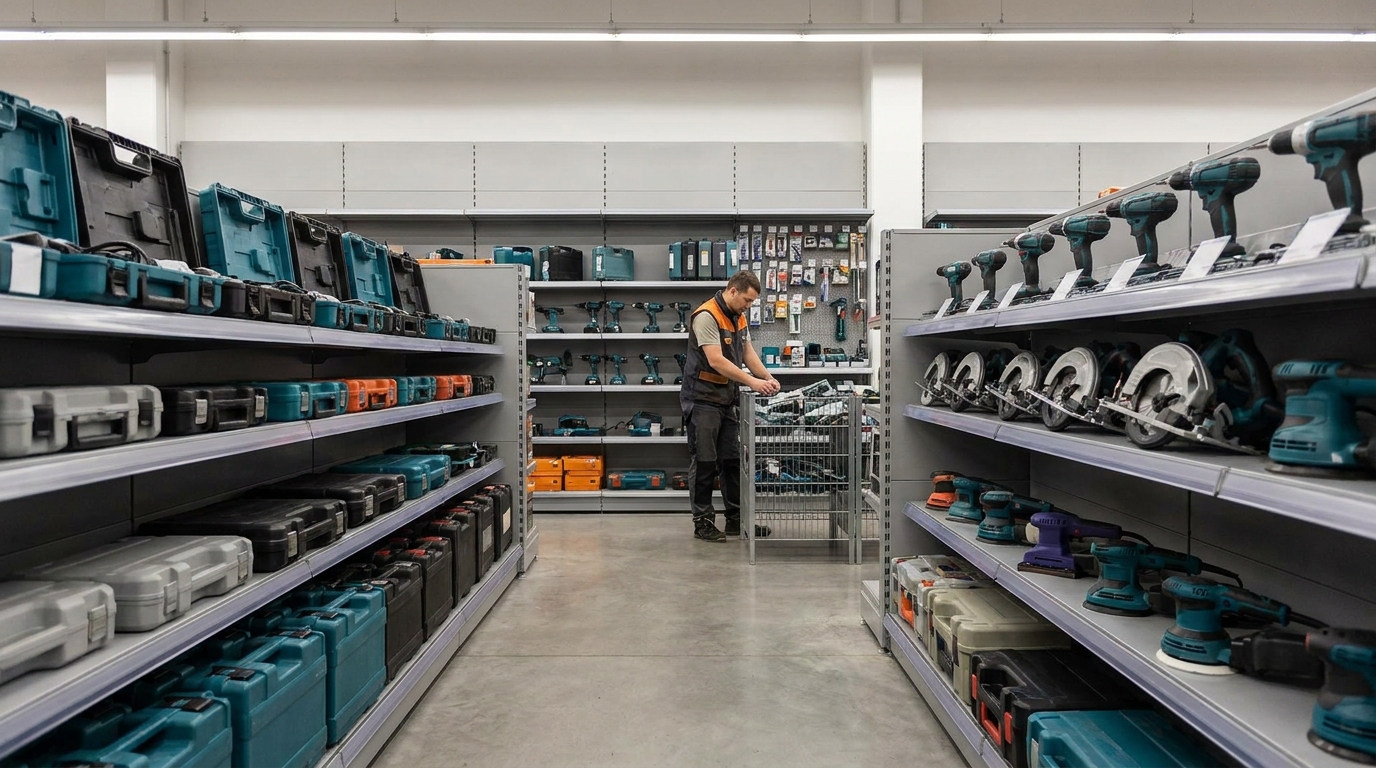
There is no single best way to store power tools. The right answer is usually a combination of cabinets, shelves, cases, drawers, carts, racks, and wall systems.
Tool Cabinets and Chests
Tool cabinets and chests are excellent for shops that need secure, organized storage. They keep dust off tools, reduce clutter, and protect equipment from accidental damage.
Best for:
- Cordless drills and drivers
- Batteries and chargers
- Precision tools
- Measuring tools
- Specialty power tools
- Shared shop tools
Look for:
- Heavy-duty steel construction
- Ball-bearing drawer slides
- Locking drawers
- Drawer liners
- Adequate weight capacity
- Casters for mobility
- Weather-resistant finish if used in a garage or industrial space
A well-built tool chest can serve as the center of your power tool storage system.
Wall Storage and Pegboards
Wall-mounted storage makes tools visible and easy to grab. Pegboards, slat walls, hooks, and custom racks work well in maintenance shops and garages.
Best for:
- Daily-use cordless drills
- Impact drivers
- Smaller grinders
- Extension cords
- Clamps
- Hand tools used with power tools
Advantages:
- Saves floor space
- Improves visibility
- Encourages tools to be returned to the same place
- Works well for lean/5S shop organization
- Easy to expand as tool inventory grows
Use heavy-duty hooks and anchors. Power tools are heavier than basic hand tools, and weak mounting hardware can fail.
Shelving Systems
Industrial shelving is ideal for storing cased tools, larger equipment, battery stations, and labeled bins.
Best for:
- Tool cases
- Circular saws
- Reciprocating saws
- Rotary hammers
- Bulk accessories
- Abrasives and cutting wheels
- Fasteners and consumables
Choose shelving based on weight capacity. Do not overload light-duty shelves with heavy tools, metal cases, or bulk fasteners.
Mobile Tool Carts
Mobile carts are very useful in industrial and maintenance environments. Instead of walking back and forth to a tool room, technicians can bring frequently used tools directly to the work area.
Best for:
- Plant maintenance
- Fleet repair
- Assembly operations
- Welding and fabrication support
- Building maintenance
A good tool cart should include:
- Lockable drawers
- Durable casters
- Non-slip top surface
- Side hooks for cords
- Compartments for bits and accessories
- Space for PPE such as gloves and safety glasses
Original Tool Cases
Many power tools come with molded plastic cases or contractor bags. These are useful for transport and storage, especially for tools with multiple accessories.
Best for:
- Rotary hammers
- Specialty saws
- Cordless kits
- Laser tools
- Tools used in the field
However, tool cases can waste space if every case is stored individually. For shop environments, consider storing daily-use tools outside their cases and keeping cases for transport.
Locking Storage for Jobsites
For contractors working around Coldwater, Branch County, and Southern Michigan, jobsite theft and weather exposure are real concerns. Locking job boxes and weather-resistant storage chests are essential for construction and field work.
Best for:
- Cordless tool kits
- Saws and grinders
- Batteries and chargers
- Extension cords
- PPE
- Fasteners and jobsite supplies
Look for:
- Heavy-gauge steel
- Recessed locking points
- Weather-resistant lids
- Forklift access if needed
- Gas struts for safer opening
- Powder-coated finish
Never leave expensive cordless batteries, chargers, or precision tools exposed in open trucks overnight if you can avoid it.
Please visit our latest post at https://cemindustrialsupply.com/news/ for more information.
How to Store Cordless Power Tools
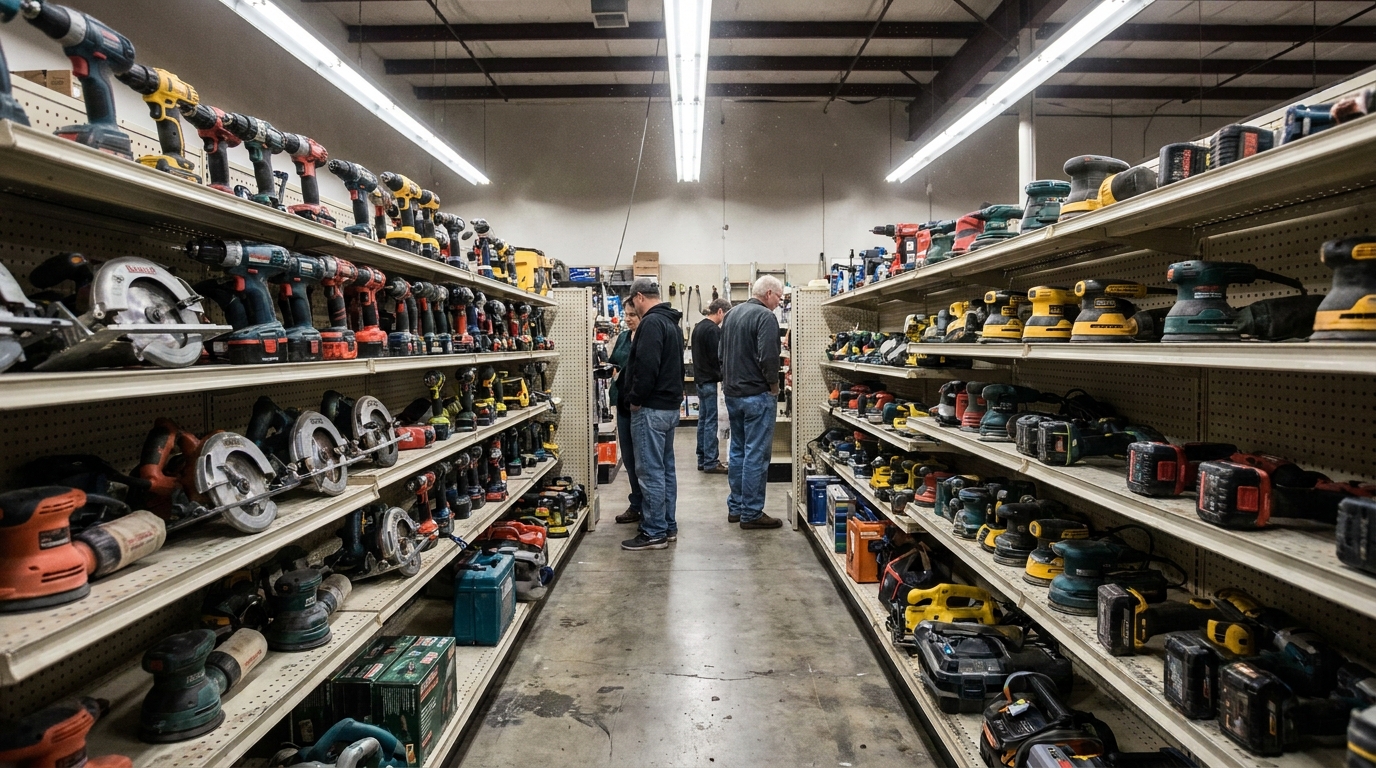
Cordless tools are convenient, but they require special care because batteries and chargers are sensitive to heat, cold, and moisture.
Remove Batteries Before Storage
For most cordless power tools, remove the battery pack before storing the tool for more than a short period. This helps prevent accidental activation and reduces the chance of battery drain.
This is especially important for:
- Drills
- Impact drivers
- Circular saws
- Grinders
- Reciprocating saws
- Outdoor power tools
- Rotary tools
Removing batteries also protects the tool contacts and helps keep your battery inventory organized.
Store Batteries at the Right Charge Level
Lithium-ion batteries should generally not be stored completely dead or fully charged for long periods. Many manufacturers recommend storing them at around 40% to 60% charge for long-term storage.
For everyday professional use, a practical approach is:
- Keep working batteries charged and ready
- Rotate batteries regularly
- Do not store batteries on the charger indefinitely unless the charger is designed for maintenance mode
- Check stored batteries every few months
- Recharge deeply discharged batteries promptly
Always follow the battery manufacturer’s instructions.
Protect Batteries From Temperature Extremes
Southern Michigan weather can be tough on batteries. Freezing winter temperatures and hot summer storage areas can reduce runtime and battery life.
Avoid storing batteries:
- In unheated vehicles overnight during winter
- In direct sunlight
- Near heaters or furnaces
- In hot enclosed trailers
- In damp basements
- On concrete floors where condensation may occur
Best practice is to store batteries in a clean, dry location between roughly 40°F and 80°F when possible.
Keep Chargers Clean and Ventilated
Battery chargers generate heat and need airflow. Do not stack rags, gloves, paperwork, or tool bags on chargers.
Charging station tips:
- Mount chargers on a wall or shelf
- Leave space between chargers
- Keep away from flammable materials
- Use surge protection where appropriate
- Label batteries by crew, tool set, or voltage
- Inspect cords regularly
- Do not use damaged chargers
For industrial settings, create a dedicated battery charging area with clear rules and fire-safe housekeeping.
When it comes to effectively managing your workspace, knowing how to store power tools is essential for both safety and longevity. For additional insights on maintaining your tools and workspace, you might find this related article on tool organization particularly helpful. Proper storage not only protects your investment but also enhances your efficiency when tackling projects.
How to Store Corded Power Tools
Corded power tools can last for many years when stored properly. The biggest risks are cord damage, dust intrusion, moisture, and impact damage.
Coil Cords Correctly
Never wrap a cord tightly around the tool body in a way that strains the cord where it enters the housing. This can break internal wires or damage strain relief.
Better options:
- Use loose loops
- Secure cords with hook-and-loop straps
- Hang cords separately when practical
- Avoid sharp bends
- Keep cords away from cutting edges
- Inspect cords before every use
Damaged cords are a serious electrical hazard. Replace or repair them according to manufacturer guidance and applicable safety standards.
Keep Tools Dry
Corded tools and moisture do not mix. Store them in a dry cabinet, drawer, or shelf area away from leaks, floor drains, open doors, and condensation.
Moisture can cause:
- Rust on metal parts
- Corrosion on electrical contacts
- Motor damage
- Switch failure
- Shock hazards
- Reduced tool performance
If a corded tool becomes wet, do not use it until it has been properly dried and inspected.
Use Cases for Delicate or Specialty Tools
Some corded tools benefit from protective cases, especially if they are used on multiple jobsites.
Store in cases when possible:
- Routers
- Planers
- Specialty saws
- Rotary hammers
- Demolition tools
- Heat guns
- Precision cutting tools
Include accessories in the case only if they are secure and cannot damage the tool during transport.
When considering the best practices for storing power tools, it’s also important to think about the environment in which they are kept. Proper ventilation can help prevent moisture buildup and rust, which can damage your tools over time. For insights on maintaining an optimal workspace, you might find this article on industrial fans particularly useful, as it discusses how to improve air circulation and create a safer, more efficient storage area for your equipment.
Control Moisture, Dust, and Temperature
Environmental control is one of the most important parts of power tool storage. A clean, dry, stable environment prevents many common failures.
Moisture Prevention
Moisture is one of the top enemies of power tools in Michigan shops, garages, barns, and trailers. Humidity can cause rust, corrosion, and electrical problems.
Moisture control tips:
- Store tools off the floor
- Use sealed cabinets where needed
- Add silica gel packs to tool cases
- Use a dehumidifier in damp shops
- Avoid storing tools near overhead doors
- Keep tools away from roof leaks and windows
- Wipe tools dry before storage
- Use rust-preventive products on bare metal surfaces
For shops in Branch County with unheated storage areas, be aware of condensation when temperatures swing quickly.
Dust Control
Dust can clog vents, damage switches, shorten motor life, and create safety hazards. Wood dust, drywall dust, metal dust, and abrasive grit are especially hard on power tools.
Dust control tips:
- Blow off tools with low-pressure compressed air when appropriate
- Vacuum tools instead of spreading fine dust
- Store tools in closed drawers or cabinets
- Use dust collection during cutting and sanding
- Keep grinding dust away from chargers and electronics
- Store abrasives separately from clean tools
Do not use excessive air pressure on sensitive electronics or bearings. Follow manufacturer recommendations.
Temperature Control
Extreme temperatures can damage plastics, rubber grips, batteries, cords, and lubricants.
Avoid storing tools in:
- Freezing vehicles
- Hot trailers
- Direct sunlight
- Attics
- Damp sheds
- Near boilers or heaters
- Areas with chemical fumes
If you must store tools in an unheated building, use sealed storage and remove batteries to a climate-controlled location.
Organize Accessories, Bits, Blades, and Consumables
Power tool storage is incomplete if accessories are scattered everywhere. A drill without the right bit or a grinder without the correct wheel still slows down the job.
Store Drill Bits and Driver Bits Properly
Drill bits and driver bits should be sorted by size, type, and material.
Recommended organization:
- Index cases for drill bits
- Small compartment boxes for driver bits
- Labeled drawers for specialty bits
- Separate storage for masonry, metal, and wood bits
- Replace worn or rounded driver bits promptly
Keeping bits organized helps reduce stripped fasteners, broken bits, and wasted time.
Store Saw Blades Safely
Saw blades should be protected from moisture, impact, and tooth damage.
Best practices:
- Hang blades on pegs
- Store in blade cases or sleeves
- Label by diameter, tooth count, and material
- Keep carbide teeth from contacting metal surfaces
- Separate wood, metal, and masonry blades
- Do not toss loose blades into drawers
A damaged saw blade is a safety risk and can reduce cut quality.
Store Abrasives Correctly
Grinding wheels, cut-off wheels, sanding discs, flap discs, and other abrasives need clean, dry storage. Moisture and impact can weaken abrasive products.
Abrasive storage tips:
- Store in original packaging when possible
- Keep flat discs flat
- Avoid crushing or bending
- Keep away from oil and moisture
- Rotate older stock forward
- Inspect wheels before use
- Never use a dropped or cracked wheel
CEM Industrial Supply carries abrasives used in fabrication, maintenance, cutting, grinding, finishing, and repair work. Proper storage protects performance and operator safety.
Organize Fasteners Near Tool Stations
Fasteners should be stored in labeled bins or drawer systems near the tools used to install them.
Common categories:
- Screws
- Bolts
- Nuts
- Washers
- Anchors
- Self-drilling screws
- Concrete fasteners
- Specialty hardware
Keep fasteners dry to prevent rust, especially in garages and unheated shops.
Clean Power Tools Before Storage
Putting dirty tools away creates long-term problems. A simple cleaning routine after each use can prevent major repairs later.
Basic Cleaning Steps
Before storing power tools:
- Disconnect the power source or remove the battery.
- Wipe off dust, oil, and debris.
- Clean vents and cooling areas.
- Check moving parts for buildup.
- Remove chips, shavings, and grit.
- Inspect cords, plugs, guards, and switches.
- Store accessories separately if needed.
- Return the tool to its assigned location.
For heavy-use industrial environments, cleaning should be part of the end-of-shift process.
Use the Right Cleaning Supplies
Use cleaning products that are safe for plastics, rubber, electrical components, and painted surfaces. Avoid soaking tools with solvents.
Useful shop supplies include:
- Clean rags
- Nylon brushes
- Contact cleaner where appropriate
- Low-pressure compressed air
- Vacuum systems
- Light machine oil for certain metal surfaces
- Rust prevention products
- Disposable gloves
- Safety glasses
Always check manufacturer instructions before applying lubricants or cleaners.
Inspect While You Clean
Cleaning is the best time to spot problems.
Look for:
- Cracked housings
- Loose screws
- Damaged guards
- Worn cords
- Bent blades
- Missing handles
- Sticky switches
- Unusual smells
- Battery damage
- Loose chucks
- Excessive vibration signs
Tag damaged tools and remove them from service until repaired. Do not put unsafe tools back into storage for someone else to use.
Safety Tips for Power Tool Storage
Power tool storage is a safety issue, not just an organization issue. Poorly stored tools can fall, start accidentally, create electrical hazards, or lead to misuse.
Prevent Accidental Startup
Always store tools so they cannot start unintentionally.
Safety practices:
- Remove batteries
- Unplug corded tools
- Engage trigger locks where available
- Store tools with switches in the off position
- Keep tools away from children and unauthorized users
- Do not store tools with bits or blades engaged when avoidable
This is especially important for saws, grinders, and rotary tools.
Store Sharp and Rotating Accessories Safely
Blades, bits, and cutting accessories should be protected.
Do not leave exposed:
- Circular saw blades
- Reciprocating saw blades
- Router bits
- Grinding wheels
- Cut-off wheels
- Hole saws
- Auger bits
Use containers, sleeves, racks, or original packaging.
Keep Heavy Tools Low
Heavy tools should be stored at waist height or lower to reduce lifting injuries and prevent falling hazards.
Store low:
- Rotary hammers
- Demolition hammers
- Large grinders
- Heavy saws
- Magnetic drills
- Large battery kits
Avoid placing heavy tools on high shelves where they can fall or strain the user.
Lock Up Tools When Needed
In shared shops, schools, municipal facilities, and jobsites, secure storage helps prevent unauthorized use and theft.
Consider locking storage for:
- High-value cordless tools
- Specialty equipment
- Batteries
- Blades and cutting accessories
- Tools requiring training
- Hazardous consumables
For commercial operations in Southern Michigan, a lockable system also supports accountability.
Power Tool Storage Comparison Guide
Choosing the right storage setup depends on your environment, budget, and tool volume.
| Storage Option | Best For | Advantages | Watch Outs |
|||||
| Tool chest | Shops, garages, maintenance rooms | Secure, organized, durable | Can become cluttered without labels |
| Pegboard/wall rack | Daily-use tools | Fast access, visible layout | Must be mounted securely |
| Industrial shelving | Cased tools, bulk supplies | High capacity, flexible | Tools may collect dust if open |
| Mobile cart | Maintenance and repair teams | Brings tools to the job | Requires floor space |
| Jobsite box | Construction and field work | Secure, weather resistant | Heavy and less convenient indoors |
| Original cases | Specialty tools and transport | Protects tool and accessories | Takes more shelf space |
| Drawer organizers | Bits, blades, small parts | Prevents lost accessories | Needs consistent labeling |
| Locking cabinet | Shared or high-value tools | Theft prevention, clean storage | Less visible than open storage |
For most professional shops, the best solution is a hybrid system: wall storage for daily tools, cabinets for secure items, shelving for cases, and labeled bins for accessories.
Buying Guide: What to Look for in Power Tool Storage
When investing in storage, buy for durability and growth. A cheap storage setup can fail under industrial use.
Weight Capacity
Check the weight rating of:
- Shelves
- Drawers
- Casters
- Wall hooks
- Pegboard panels
- Cabinets
- Tool carts
Power tools, fasteners, and abrasives get heavy quickly. Always allow extra capacity.
Security
If tools are shared, transported, or stored on jobsites, choose lockable storage.
Security features to consider:
- Keyed locks
- Padlock hasps
- Reinforced lids
- Locking drawers
- Tamper-resistant hinges
- Secured wall mounting
- Inventory tracking labels
Mobility
Mobile storage is valuable when work happens in different areas.
Look for:
- Heavy-duty casters
- Locking wheels
- Push handles
- Balanced weight distribution
- Drawer latches
- Rugged construction
- Compact footprint
Weather and Corrosion Resistance
For garages, trucks, trailers, and jobsites, moisture resistance matters.
Choose:
- Powder-coated steel
- Weather-resistant seals
- Rust-resistant hardware
- Elevated bases
- Drain-resistant designs
- Sealed bins for accessories
Labeling and Visibility
A storage system only works if people use it.
Improve organization with:
- Drawer labels
- Shadow boards
- Color coding
- Tool outlines
- Barcode or asset tags
- Battery labels
- Accessory bins
- Maintenance tags
In industrial environments, this supports lean manufacturing and 5S organization.
Maintenance Schedule for Stored Power Tools
Even stored tools need periodic attention. Tools that sit unused for months can develop problems from dust, moisture, and battery discharge.
Daily or After Each Use
- Remove dust and debris
- Disconnect power source
- Inspect cord or battery
- Check guards and handles
- Return accessories to proper bins
- Store tool in assigned location
Weekly
- Inspect frequently used tools
- Clean storage areas
- Check battery charging station
- Verify damaged tools are tagged out
- Restock bits, blades, abrasives, and fasteners
- Remove clutter from workbenches
Monthly
- Inspect cords and plugs
- Check batteries for damage or swelling
- Clean vents more thoroughly
- Review tool inventory
- Check shelves, hooks, and racks for stability
- Confirm fire-safe battery charging practices
Seasonal
This is especially important in Coldwater and Southern Michigan where weather changes are significant.
- Move batteries out of extreme cold or heat
- Check for condensation in storage areas
- Inspect for rust
- Refresh silica gel packs
- Clean and reorganize jobsite boxes
- Review winter storage for tools in trucks and trailers
- Prepare high-use seasonal tools before demand increases
Power Tool Storage Checklist
Use this checklist to evaluate your current setup.
Tool Storage Checklist
- Tools are clean before being stored
- Batteries are removed for longer storage
- Corded tools are unplugged
- Cords are loosely coiled and not strained
- Tools are stored off the floor
- Heavy tools are stored low
- Sharp accessories are covered
- Tool cases are labeled
- Cabinets and shelves are not overloaded
- Chargers have ventilation
- Batteries are stored away from heat and freezing temperatures
- Moisture control is in place
- Dust is controlled
- Damaged tools are tagged out
- High-value tools are locked up
- Accessories are sorted and labeled
- PPE is stored near tool work areas
- Fasteners and abrasives are kept dry
- Storage areas are inspected regularly
If you cannot check most of these boxes, your storage system can likely be improved.
Common Power Tool Storage Mistakes to Avoid
Even experienced crews make storage mistakes. These are some of the most common issues we see in shops and jobsites.
Leaving Batteries in Tools for Long Periods
This can drain batteries, create accidental startup risks, and make battery inventory harder to manage.
Storing Tools on the Floor
Floors expose tools to moisture, dust, impact, foot traffic, and vehicle damage.
Wrapping Cords Too Tightly
Tight cord wrapping damages internal wiring and strain relief.
Mixing Accessories in One Drawer
Loose blades, bits, wheels, and fasteners become damaged, dull, or unsafe.
Ignoring Humidity
Rust and corrosion can start quickly in damp storage areas.
Overloading Shelves
A collapsed shelf can damage tools and injure workers.
Charging Batteries in Cluttered Areas
Chargers need ventilation and should be kept away from flammable materials.
Putting Damaged Tools Back Into Storage
Unsafe tools should be tagged and removed from service immediately.
Local Considerations for Coldwater, Branch County, and Southern Michigan
Power tool storage in Southern Michigan requires planning around seasonal changes. Cold winters and humid summers create conditions that can damage tools if storage areas are not managed.
Winter Storage Tips
During Michigan winters:
- Do not leave lithium-ion batteries in freezing trucks overnight
- Let cold tools warm up before heavy use
- Watch for condensation when moving tools indoors
- Store chargers in a dry, heated area
- Keep cords flexible and inspect for cracking
- Use enclosed storage in unheated shops
Summer Storage Tips
During humid summers:
- Use dehumidifiers in damp shops
- Keep tools out of direct sun
- Avoid hot trailers when possible
- Check for rust on bare metal surfaces
- Keep abrasives dry
- Inspect battery packs exposed to heat
Support From a Local Industrial Supplier
Having a reliable local supply partner matters when you need storage, safety products, abrasives, fasteners, replacement accessories, or shop supplies quickly. CEM Industrial Supply serves professionals in Coldwater, Branch County, and Southern Michigan with industrial products and practical support for maintenance, repair, operations, construction, and shop organization.
Whether you are setting up a new maintenance room, improving a jobsite tool system, or restocking consumables, working with a knowledgeable industrial supplier helps reduce downtime.
Recommended Storage Setup by User Type
Different users need different systems. Here are practical recommendations.
Home Workshop or Garage
Recommended setup:
- Wall-mounted pegboard for daily tools
- One locking tool chest
- Labeled bins for accessories
- Small battery charging shelf
- Dehumidifier if the garage is damp
- Blade and bit organizers
Best focus: visibility, moisture control, and safe storage away from children.
Contractor or Mobile Crew
Recommended setup:
- Locking jobsite box
- Stackable tool cases
- Weather-resistant bins
- Battery storage bag or case
- Truck or trailer shelving
- Separate fastener organizers
- PPE storage near entry point
Best focus: theft prevention, weather protection, and transport durability.
Industrial Maintenance Shop
Recommended setup:
- Central tool crib or controlled storage
- Heavy-duty tool cabinets
- Mobile maintenance carts
- Battery charging station
- Labeled accessory drawers
- Shadow boards for shared tools
- Locking storage for specialty tools
- Maintenance inspection log
Best focus: accountability, uptime, safety, and repeatable organization.
Fabrication or Metalworking Shop
Recommended setup:
- Grinder storage near workstations
- Separate abrasive storage
- Fire-conscious battery charging area
- Closed cabinets to control metal dust
- Heavy-duty shelving for larger tools
- PPE station with face shields, gloves, and hearing protection
Best focus: dust control, abrasive safety, and tool durability.
FAQs About How to Store Power Tools
What is the best way to store power tools?
The best way to store power tools is in a clean, dry, organized location where they are protected from moisture, dust, impact, and temperature extremes. Use tool cabinets, shelves, wall racks, or original cases depending on the tool. Remove batteries for longer storage and keep accessories labeled.
Should batteries be removed from power tools before storage?
Yes, for longer storage it is best to remove batteries from cordless power tools. This helps prevent accidental startup, battery drain, and contact corrosion. Store batteries in a cool, dry place away from freezing temperatures and excessive heat.
Can power tools be stored in a garage?
Yes, power tools can be stored in a garage if the space is dry, organized, and protected from major temperature swings. In Southern Michigan, humidity and winter cold can be an issue, so use cabinets, dehumidifiers, sealed bins, and bring batteries indoors during extreme temperatures.
Is it okay to store power tools in a shed?
A shed is usually not ideal unless it is dry, secure, and temperature controlled. Sheds often expose tools to moisture, condensation, insects, dust, and freezing temperatures. If you must use a shed, store tools in sealed cases or cabinets and keep batteries elsewhere.
How should I store lithium-ion power tool batteries?
Store lithium-ion batteries in a cool, dry location, ideally away from extreme heat or freezing conditions. For long-term storage, many manufacturers recommend a partial charge rather than fully charged or completely dead. Always follow the battery manufacturer’s guidelines.
How do I prevent rust on power tools?
Prevent rust by storing tools in a dry area, wiping them down after use, keeping them off concrete floors, using silica gel packs in cases, and applying appropriate rust-preventive products to bare metal surfaces. Control humidity with ventilation or a dehumidifier.
Should power tools be stored in their original cases?
Original cases are excellent for transport, specialty tools, and long-term protection. However, daily-use tools may be more convenient on wall racks, carts, or cabinets. Many shops use cases for occasional-use tools and open storage for frequently used tools.
How should I store saw blades and grinding wheels?
Saw blades should be hung or stored in protective sleeves to prevent tooth damage. Grinding wheels and cut-off wheels should be stored dry, flat, and protected from impact. Never use abrasive wheels that are cracked, dropped, or moisture-damaged.
How often should stored power tools be inspected?
Frequently used tools should be inspected before each use and cleaned after use. Stored tools should be checked monthly or seasonally, especially in areas with humidity or temperature swings. Batteries, cords, guards, and switches deserve special attention.
Where can I find power tool storage supplies in Coldwater, Michigan?
CEM Industrial Supply supports customers in Coldwater, Branch County, and Southern Michigan with industrial supplies, tool storage solutions, power tool accessories, abrasives, fasteners, safety products, lubricants, and shop supplies for professional and facility use.
FAQs
1. Why is it important to store power tools properly?
Proper storage of power tools helps to maintain their functionality and extend their lifespan. It also reduces the risk of accidents and damage to the tools.
2. What are some tips for storing power tools?
Some tips for storing power tools include cleaning them before storage, using their original cases or storage containers, and keeping them in a dry and secure location.
3. How should power tool batteries be stored?
Power tool batteries should be stored in a cool, dry place away from direct sunlight and extreme temperatures. It is also recommended to store them at a partial charge to prevent damage.
4. Are there any specific precautions for storing corded power tools?
When storing corded power tools, it is important to properly coil and secure the cords to prevent damage. Additionally, the tools should be stored in a location where the cords are not at risk of being damaged or tangled.
5. How often should power tools be inspected during storage?
Power tools should be inspected periodically during storage to ensure that they are in good condition. This can help identify any issues early on and prevent further damage.