
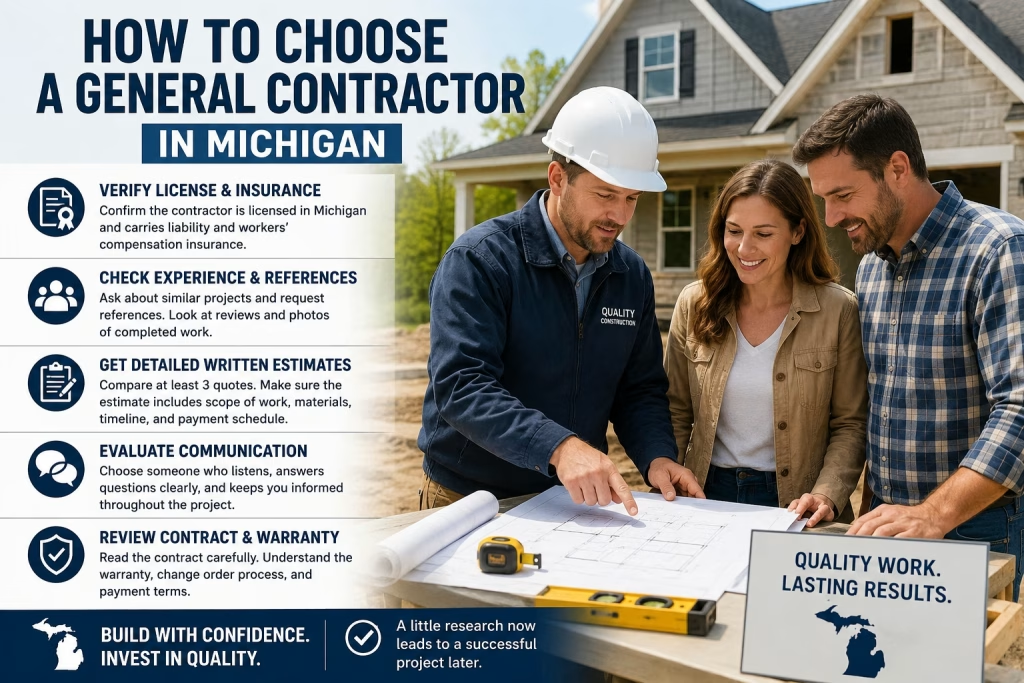
Hiring the right general contractor can make the difference between a successful renovation and a costly mistake. Whether you’re planning a kitchen remodel, finishing a basement, building an addition, replacing a roof, or constructing a new home, choosing an experienced, licensed, and trustworthy contractor is one of the most important decisions you’ll make.
Michigan homeowners have thousands of contractors to choose from, but not all offer the same level of experience, communication, workmanship, or professionalism. This guide explains what to look for, what questions to ask, and how to confidently hire the best general contractor for your project.
What Does a General Contractor Do?
A general contractor oversees construction projects from beginning to end.
Typical responsibilities include:
- Managing subcontractors
- Scheduling work
- Ordering materials
- Obtaining permits
- Coordinating inspections
- Managing project timelines
- Monitoring quality
- Maintaining job site safety
- Communicating with homeowners
- Keeping the project on budget
For larger projects, the general contractor becomes the primary point of contact throughout construction.
Projects That Require a General Contractor
Many Michigan homeowners hire general contractors for:
- Home additions
- Kitchen remodeling
- Bathroom remodeling
- Basement finishing
- Basement waterproofing
- Garage construction
- Roofing projects
- Window replacement
- Siding installation
- Deck construction
- Pole barns
- Whole-home renovations
- New home construction
- Commercial renovations
For projects involving multiple trades, a general contractor often saves both time and money by coordinating the entire process.
Verify Michigan Licensing
Michigan requires residential builders and maintenance contractors performing qualifying work to be licensed through the state.
Before hiring anyone:
- Verify their license status.
- Confirm the license is active.
- Ask for the license number.
- Ensure the license covers the type of work being performed.
Never rely solely on verbal assurances.
Confirm Insurance Coverage
Every contractor should carry appropriate insurance.
Ask for proof of:
- General liability insurance
- Workers’ compensation insurance (if applicable)
- Commercial vehicle insurance
- Bonding, if required
Insurance protects both you and the contractor if accidents or property damage occur.
Look for Experience
Experience matters.
Ask questions like:
- How many years have you been in business?
- How many similar projects have you completed?
- Do you specialize in this type of renovation?
- Can I see examples of your work?
A contractor with extensive experience in projects similar to yours is more likely to anticipate challenges before they become expensive problems.
Read Reviews Carefully
Online reviews can provide valuable insight.
Look for patterns involving:
- Communication
- Quality of workmanship
- Timeliness
- Cleanliness
- Professionalism
- Warranty service
- Problem resolution
Pay attention to how contractors respond to negative reviews as well.
Ask for References
A reputable contractor should willingly provide references.
When speaking with previous customers, ask:
- Was the project completed on schedule?
- Did the final price match the estimate?
- Was communication consistent?
- Would you hire them again?
- Were warranty issues handled promptly?
Speaking directly with past clients often reveals more than online reviews.
Request a Detailed Written Estimate
Avoid vague estimates.
A professional proposal should clearly outline:
- Scope of work
- Materials
- Labor
- Timeline
- Permit responsibilities
- Cleanup procedures
- Payment schedule
- Warranty information
- Change order process
Detailed estimates reduce misunderstandings later.
Compare Multiple Quotes
Obtain at least three written estimates.
Don’t automatically choose the lowest bid.
Instead, compare:
- Materials
- Workmanship
- Experience
- Warranty coverage
- Project timeline
- Communication
- Overall value
Extremely low bids sometimes indicate shortcuts or unexpected change orders later.
Understand the Payment Schedule
Avoid contractors requesting full payment upfront.
A typical payment schedule may include:
- Initial deposit
- Progress payments tied to milestones
- Final payment after project completion
Never pay for work that hasn’t been completed.
Ask About Permits
Many Michigan remodeling projects require permits.
Clarify:
- Who obtains permits?
- Who schedules inspections?
- Are permit fees included?
- Will all work meet local building codes?
Licensed contractors generally handle the permitting process for qualifying projects.
Review the Project Timeline
Ask for an estimated schedule that includes:
- Start date
- Major milestones
- Material delivery
- Inspection dates
- Expected completion date
Construction delays sometimes occur, but good contractors communicate schedule changes promptly.
Evaluate Communication
Strong communication is often the best indicator of a successful project.
Choose a contractor who:
- Returns calls promptly
- Answers questions clearly
- Explains recommendations
- Provides written documentation
- Sets realistic expectations
Good communication reduces stress throughout the project.
Understand Warranties
Ask what warranties are included.
These may cover:
- Workmanship
- Materials
- Manufacturer products
- Installation
Obtain warranty details in writing before signing a contract.
Watch for Red Flags
Avoid contractors who:
- Pressure you to sign immediately
- Demand large upfront payments
- Refuse written contracts
- Cannot provide references
- Lack licensing or insurance
- Offer unusually low prices
- Ask you to obtain permits yourself without explanation
- Insist on cash-only payments
Trust your instincts if something feels wrong.
Questions to Ask Before Hiring
Prepare a list of questions, including:
- Are you licensed in Michigan?
- Are you insured?
- How long have you been in business?
- Can I see recent projects?
- Who will supervise the job?
- Will subcontractors be used?
- What is your payment schedule?
- How do you handle change orders?
- What warranties do you provide?
- What happens if unexpected problems arise?
Professional contractors welcome informed homeowners.
Preparing for Construction
Before work begins:
- Remove valuables from work areas.
- Protect furniture.
- Discuss parking and access.
- Identify working hours.
- Review cleanup expectations.
- Establish communication preferences.
Preparation helps projects run more smoothly.
Related Articles
Continue planning your home improvement project with these helpful guides:
- What to Expect from Basement and Foundation Contractors
- Crawl Space Encapsulation Services: What You Need to Know
- Top Tips for Choosing the Best Roof Leak Repair Contractors
- Find the Top Concrete Driveway Repair Contractors Near You
- How to Choose the Right Construction Safety Equipment
Frequently Asked Questions
Do I need a licensed contractor in Michigan?
For many residential construction, remodeling, and repair projects, Michigan law requires contractors to hold the appropriate state license. Always verify licensing before hiring.
How many estimates should I get?
Most homeowners should obtain at least three written estimates to compare pricing, materials, experience, and project scope.
Should I pay the full amount before work begins?
No. Reputable contractors typically request a reasonable deposit followed by milestone-based payments. Final payment is generally made after satisfactory completion.
How do I verify a contractor’s license?
You can verify licensing through Michigan’s licensing resources by searching for the contractor’s name or license number before signing a contract.
What should be included in a construction contract?
A complete contract should include the scope of work, project timeline, materials, payment schedule, permit responsibilities, warranty information, and procedures for handling changes to the project.
Choose a Contractor with Confidence
Selecting the right general contractor is one of the most important decisions you’ll make during any home improvement project. By verifying licensing and insurance, checking references, comparing detailed estimates, and choosing a contractor who communicates clearly, you can protect your investment and enjoy a smoother construction experience.
Whether you’re remodeling a kitchen, finishing a basement, building an addition, or renovating your entire home, CEM Industrial Supply provides contractors and homeowners with the professional-grade tools, fasteners, construction materials, safety equipment, adhesives, and jobsite supplies needed to complete projects with confidence.