
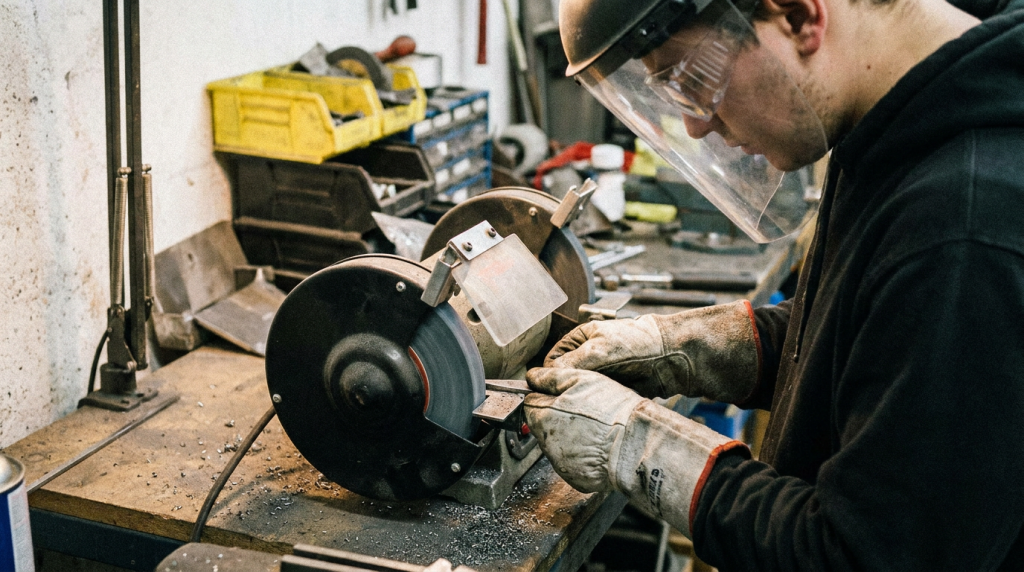
Grinding wheels are among the most commonly used abrasive tools in construction, fabrication, welding, metalworking, and industrial maintenance. Whether you’re removing welds, sharpening tools, cutting metal, or preparing surfaces, grinding wheels can quickly complete difficult jobs—but they also demand respect. Improper wheel selection or unsafe operating practices can lead to serious injuries and costly equipment damage.
Following a few essential safety guidelines helps ensure every grinding job is completed efficiently and safely.
Why Grinding Wheel Safety Matters
Grinding wheels operate at extremely high speeds, often exceeding 10,000 RPM. A damaged or improperly installed wheel can fail catastrophically, sending fragments at dangerous speeds.
Practicing proper grinding wheel safety helps:
- Reduce the risk of wheel failure
- Prevent eye and hand injuries
- Improve cutting and grinding performance
- Extend wheel life
- Protect expensive power tools
- Maintain a safer jobsite
Taking a few extra minutes before starting work can prevent serious accidents.
Choose the Right Grinding Wheel
Not every grinding wheel is designed for every material or application.
Select a wheel designed for:
- Steel
- Stainless steel
- Aluminum
- Masonry
- Concrete
- Stone
- Cast iron
Using the wrong wheel can reduce performance, wear the wheel prematurely, and increase the risk of failure.
Inspect the Wheel Before Use
Always inspect a grinding wheel before installation.
Check for:
- Cracks
- Chips
- Missing sections
- Uneven wear
- Moisture damage
- Loose mounting holes
Never use a wheel that shows signs of damage.
Verify Maximum RPM
Every grinding wheel has a maximum operating speed.
Before installing a wheel:
- Verify the wheel’s maximum RPM.
- Ensure it exceeds the grinder’s no-load speed.
- Never install an underspeed-rated wheel.
Exceeding a wheel’s rated speed greatly increases the chance of catastrophic failure.
Use the Correct Wheel for the Grinder
Grinding wheels are designed for specific tools.
Common types include:
Grinding Wheels
Designed for:
- Weld removal
- Surface grinding
- Metal shaping
Cut-Off Wheels
Designed only for:
- Cutting metal
- Cutting pipe
- Cutting bolts
- Cutting rebar
Never use a cut-off wheel for side grinding.
Flap Discs
Ideal for:
- Surface finishing
- Rust removal
- Blending welds
- Deburring
Flap discs provide a smoother finish than traditional grinding wheels.
Wear Proper Personal Protective Equipment
Always wear appropriate PPE when grinding.
Recommended safety equipment includes:
- Safety glasses with side shields
- Face shield
- Hearing protection
- Cut-resistant gloves
- Dust mask or respirator (when required)
- Long sleeves
- Steel-toe footwear
Never rely on safety glasses alone when operating an angle grinder.
Inspect the Grinder
Before starting work, inspect the grinder itself.
Look for:
- Damaged power cords
- Loose guards
- Worn switches
- Excessive vibration
- Damaged flanges
- Proper spindle lock operation
A damaged grinder is just as dangerous as a damaged wheel.
Allow the Wheel to Reach Full Speed
After starting the grinder:
- Allow the wheel to reach full operating speed.
- Stand out of the wheel’s direct line during startup.
- Listen for unusual vibration or noise.
If anything feels abnormal, stop immediately and inspect the equipment.
Grind at the Correct Angle
Maintaining the proper angle improves both safety and performance.
General recommendations:
- 20–30 degrees for grinding
- Nearly perpendicular for cut-off wheels (as designed)
- Follow the manufacturer’s recommendations for specialty discs
Forcing the wheel at the wrong angle can cause premature wear or failure.
Never Force the Wheel
Allow the abrasive to do the work.
Excessive pressure:
- Increases heat
- Wears wheels faster
- Damages tools
- Increases kickback
- Raises the risk of wheel failure
A quality wheel cuts efficiently without excessive force.
Secure the Workpiece
Always clamp or securely support the material before grinding.
Never attempt to:
- Hold small parts by hand
- Grind unstable materials
- Cut unsupported pipe
- Grind moving workpieces
A stable workpiece greatly improves control.
Replace Worn Wheels
Replace grinding wheels when they become:
- Excessively worn
- Cracked
- Out of round
- Difficult to control
- Damaged during handling
Continuing to use worn wheels reduces efficiency and increases safety risks.
Proper Storage
Store grinding wheels:
- In a dry environment
- Away from excessive humidity
- Flat or properly supported
- Protected from impact
- Away from extreme temperatures
Proper storage helps prevent hidden damage before use.
Common Grinding Wheel Mistakes
Avoid these common errors:
- Removing the wheel guard
- Using the wrong wheel for the material
- Exceeding the wheel’s RPM rating
- Side-loading cut-off wheels
- Grinding without eye protection
- Using damaged wheels
- Applying excessive pressure
- Operating without securing the workpiece
Avoiding these mistakes significantly improves workplace safety.
Choosing the Right Grinding Wheel
Before purchasing a grinding wheel, consider:
- Material being cut or ground
- Grinder size
- Wheel diameter
- Arbor size
- Maximum RPM
- Abrasive type
- Thickness
- Intended application
Using the correct wheel produces better results while improving safety.
Related Resources
If you’re equipping your shop or jobsite, these articles may also help:
- Power Tool Maintenance Tips to Extend the Life of Your Equipment
- Milwaukee vs. DeWalt: Which Power Tools Actually Last on the Jobsite?
- Best Work Lights for Contractors
- Extension Cord Size Guide
- Generator Extension Cord Guide
- Essential Electrical Components: The Complete Guide for Contractors and DIYers
Find Grinding Wheels and Abrasives at CEM Industrial Supply
CEM Industrial Supply carries professional-grade grinding wheels, cut-off wheels, flap discs, abrasives, power tool accessories, and safety equipment for contractors, fabricators, welders, and industrial maintenance professionals. Whether you’re cutting steel, preparing welds, or finishing metal surfaces, we can help you find the right products to get the job done safely and efficiently.
Frequently Asked Questions
What is the safest way to use a grinding wheel?
Always inspect the wheel before use, wear proper personal protective equipment, verify the wheel’s RPM rating, use the correct guard, secure the workpiece, and allow the wheel to do the cutting without excessive pressure.
Can I use a cut-off wheel for grinding?
No. Cut-off wheels are designed only for straight cutting. Side grinding with a cut-off wheel can cause it to break and create a serious safety hazard.
Why do grinding wheels break?
Grinding wheels may fail because of impact damage, improper storage, incorrect mounting, exceeding the maximum RPM rating, excessive pressure, or using the wrong wheel for the application.
How do I know if a grinding wheel is damaged?
Inspect the wheel for cracks, chips, uneven wear, missing sections, moisture damage, or any visible defects. If you suspect damage, replace the wheel immediately.
Should I wear a face shield when grinding?
Yes. Safety glasses should always be worn, but a face shield provides additional protection against sparks, flying debris, and wheel fragments.
What PPE is recommended when using an angle grinder?
Recommended PPE includes safety glasses, a face shield, hearing protection, cut-resistant gloves, long sleeves, steel-toe boots, and a respirator when grinding materials that create hazardous dust.
Why is the grinder guard important?
The guard helps deflect sparks and debris while providing protection if the grinding wheel fails. Never remove or operate an angle grinder without the guard installed.
How should grinding wheels be stored?
Store grinding wheels in a dry location away from moisture, impacts, and extreme temperatures. Proper storage helps prevent hidden damage that could cause wheel failure.
When should a grinding wheel be replaced?
Replace a wheel if it becomes cracked, chipped, excessively worn, out of round, damaged during handling, or difficult to control during operation.
Can I grind aluminum with any grinding wheel?
No. Some grinding wheels are specifically designed for steel or stainless steel and may become clogged when used on aluminum. Always choose a wheel recommended for the material you’re grinding.