
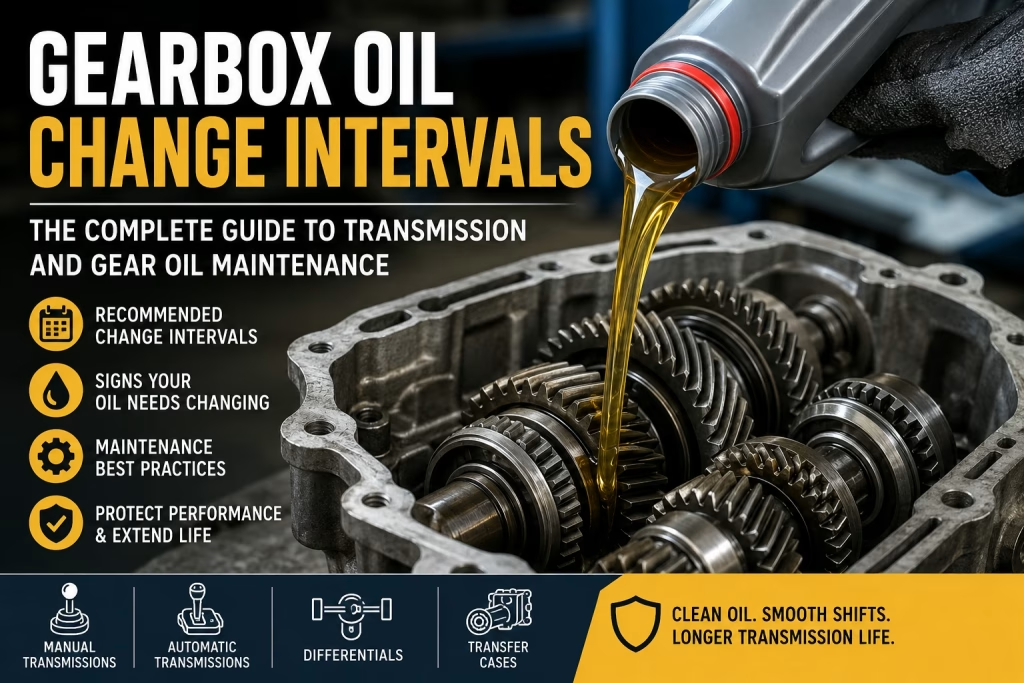
Gearbox oil plays a critical role in protecting the gears, bearings, synchronizers, shafts, and other internal components of your transmission. Whether you drive a manual transmission, automatic transmission, four-wheel-drive truck, SUV, or commercial vehicle, changing gearbox oil at the proper interval helps reduce wear, improve shifting performance, prevent overheating, and extend transmission life.
This guide explains recommended gearbox oil change intervals, the factors that affect fluid life, warning signs of deteriorating fluid, and maintenance best practices to help keep your drivetrain operating reliably for years.
What Is Gearbox Oil?
Gearbox oil is a specialized lubricant formulated to protect gears and bearings operating under high loads and extreme pressure. In manual transmissions, gear oil lubricates gears, synchronizers, bearings, and shafts. Automatic transmissions use Automatic Transmission Fluid (ATF), which not only lubricates moving components but also provides hydraulic pressure, cooling, and cleaning.
Why Gearbox Oil Is Important
Without proper lubrication, transmission components experience increased friction, heat buildup, and accelerated wear.
Gearbox Oil Helps
- Reduce friction
- Control operating temperatures
- Protect against corrosion
- Lubricate bearings and gears
- Carry away contaminants
- Improve shifting performance
- Extend transmission life
As gearbox oil ages, its protective additives break down, reducing its ability to lubricate and protect critical drivetrain components.
Recommended Gearbox Oil Change Intervals
There is no universal gearbox oil change interval. The correct service schedule depends on vehicle type, transmission design, driving habits, operating conditions, and manufacturer recommendations.
Manual Transmission Gear Oil
Manual transmissions generally require less frequent service than automatic transmissions, but periodic oil changes remain essential.
Typical Manual Transmission Intervals
Normal driving:
- Every 50,000–60,000 miles
Severe service:
- Every 30,000–50,000 miles
Consider earlier service if you notice:
- Difficult shifting
- Gear noise
- Contaminated lubricant
- Heavy towing use
Many manufacturers advertise “lifetime” manual transmission fluid, but periodic replacement is often beneficial for vehicles kept beyond the warranty period.
Automatic Transmission Fluid (ATF)
Automatic transmissions generate significant heat and rely heavily on clean transmission fluid for lubrication and hydraulic operation.
Typical ATF Service Intervals
Normal driving:
- Every 60,000–80,000 miles
Severe service:
- Every 30,000–50,000 miles
Severe service includes:
- Frequent stop-and-go traffic
- Towing
- Mountain driving
- Hot climates
- Commercial use
Always verify the recommended service interval in your owner’s manual.
Differential Oil
Differentials contain gears that operate under extremely high loads and require specialized gear oil.
Recommended Differential Service
Normal use:
- Every 50,000–60,000 miles
Heavy-duty use:
- Every 30,000–50,000 miles
Vehicles used for towing, off-road driving, or commercial applications typically require more frequent differential service.
Transfer Case Fluid
Four-wheel-drive and all-wheel-drive vehicles also require periodic transfer case maintenance.
Recommended Transfer Case Service
Normal driving:
- Approximately every 50,000 miles
Severe service:
- Every 30,000–50,000 miles
Transfer case maintenance is often overlooked but plays an important role in long-term drivetrain reliability.
Factors That Affect Gearbox Oil Life
Mileage alone does not determine when gearbox oil should be replaced. Operating conditions have a significant impact on lubricant life.
Stop-and-Go Driving
Frequent acceleration, braking, and shifting increase transmission temperatures.
City Driving Increases
- Heat buildup
- Fluid oxidation
- Component wear
- Shift frequency
- Lubricant degradation
Vehicles driven primarily in urban traffic often benefit from shorter service intervals.
Towing and Heavy Loads
Pulling trailers or carrying heavy cargo places additional stress on the transmission.
Heavy Loads Increase
- Fluid temperature
- Gear loading
- Bearing stress
- Oxidation
- Lubricant breakdown
Drivers who tow regularly should follow the manufacturer’s severe-service maintenance schedule.
Hot Weather
High ambient temperatures accelerate lubricant degradation.
High Temperatures Cause
- Faster oxidation
- Reduced lubricant viscosity
- Increased operating temperatures
- Shorter fluid life
Vehicles operated in consistently hot climates should receive more frequent transmission fluid inspections.
Mountain Driving
Long uphill climbs and engine braking increase transmission loading.
Mountain Driving Produces
- Higher operating temperatures
- Increased shifting
- Greater drivetrain stress
- Additional fluid wear
Frequent mountain driving generally warrants shorter fluid service intervals.
Off-Road Use
Off-road environments expose drivetrain components to mud, dust, water, and heavy shock loads.
Inspect Fluids After
- Deep water crossings
- Mud exposure
- Extended trail riding
- Severe off-road conditions
Milky transmission or differential fluid often indicates water contamination and should be replaced promptly.
Aggressive Driving
Hard acceleration and high-performance driving increase gearbox temperatures and mechanical stress.
Aggressive Operation Includes
- Rapid acceleration
- High RPM operation
- Racing
- Frequent hard shifting
- Track driving
Performance vehicles frequently require shorter gearbox oil service intervals.
Signs Your Gearbox Oil Needs Changing
Even if your vehicle hasn’t reached the recommended mileage interval, the transmission may begin showing signs that the gearbox oil is no longer providing adequate protection. Identifying these warning signs early can help prevent expensive repairs and extend the life of your transmission.
Difficulty Shifting Gears
One of the first indications of deteriorating gearbox oil is poor shift quality.
Common Symptoms
Manual transmissions may experience:
- Stiff shifting
- Notchy gear engagement
- Increased resistance
- Difficulty selecting gears
Automatic transmissions may exhibit:
- Delayed engagement
- Harsh shifting
- Gear slipping
- Hesitation during acceleration
If shifting suddenly changes, inspect the transmission fluid and investigate the cause before continued driving.
Unusual Transmission Noise
Healthy transmissions generally operate quietly.
Warning Sounds Include
- Whining
- Grinding
- Humming
- Clunking
- Rattling
Transmission noise often indicates inadequate lubrication, worn bearings, damaged gears, or low fluid levels.
Burning Smell
Overheated transmission fluid develops a distinctive burnt odor.
Burnt Fluid May Also Appear
- Dark brown
- Nearly black
- Thickened
- Contaminated
Burnt fluid has lost much of its lubricating ability and should be replaced promptly.
Transmission Fluid Leaks
Low fluid levels quickly accelerate transmission wear.
Common Leak Locations
Inspect for leaks around:
- Transmission pan gasket
- Output shaft seals
- Input shaft seals
- Drain plugs
- Cooling lines
- Differential seals
- Transfer case seals
Even small leaks should be repaired before they become major failures.
Warning Lights
Modern vehicles monitor transmission performance electronically.
Warning Indicators May Include
- Check Engine Light
- Transmission Warning Light
- Powertrain Warning Light
Diagnostic trouble codes can often identify developing transmission problems before symptoms become severe.
How to Check Gearbox Oil Condition
Inspecting transmission fluid regularly provides valuable insight into transmission health. The inspection procedure varies depending on the type of transmission.
Checking Automatic Transmission Fluid
Some automatic transmissions include a dipstick, while many newer vehicles require specialized service procedures.
Inspect the Following
Check:
- Fluid level
- Fluid color
- Fluid smell
- Fluid clarity
- Presence of contaminants
Healthy transmission fluid should appear clean and free of burnt odors or excessive debris.
Checking Manual Gearbox Oil
Most manual transmissions do not include a dipstick.
Manual Transmission Inspection
Oil level is typically checked through the fill plug.
Verify:
- Proper fluid level
- Clean lubricant
- No metal contamination
- No water contamination
Because many manual transmissions require lifting the vehicle safely, professional inspection may be appropriate.
Signs of Contaminated Gearbox Oil
Old transmission fluid loses its protective properties over time.
Warning Signs Include
- Dark coloration
- Burnt odor
- Milky appearance
- Metal particles
- Thick sludge
- Water contamination
Small amounts of metallic dust on magnetic drain plugs may be normal, but excessive metal shavings often indicate internal wear.
Gearbox Oil Change Recommendations by Vehicle Type
Different vehicles experience different operating conditions and require different maintenance schedules.
Passenger Cars
Most daily-driven passenger vehicles benefit from routine gearbox maintenance.
Typical Service Intervals
Normal driving:
- Manual transmission: 50,000–60,000 miles
- Automatic transmission: 60,000–80,000 miles
Severe driving:
- Manual transmission: 30,000–50,000 miles
- Automatic transmission: 30,000–50,000 miles
High-Mileage Vehicles
Older transmissions deserve additional attention.
Maintenance Tips
- Inspect fluid more frequently.
- Monitor shift quality.
- Watch for leaks.
- Follow manufacturer recommendations.
- Consult a qualified technician before servicing severely neglected transmissions.
Trucks and SUVs
Vehicles used for towing and hauling experience greater drivetrain stress.
Recommended Service
Consider servicing:
- Transmission fluid
- Differential oil
- Transfer case fluid
at shorter intervals when towing or hauling heavy loads.
Performance Vehicles
High-performance vehicles generate substantially higher transmission temperatures.
Performance Driving May Require
- More frequent fluid changes
- Specialized lubricants
- Additional cooling
- Periodic fluid analysis
Track use often requires maintenance well beyond normal street-driving schedules.
Commercial Fleet Vehicles
Fleet vehicles typically operate under severe-duty conditions.
Fleet Maintenance Programs Should Include
- Scheduled fluid analysis
- Mileage tracking
- Operating hour tracking
- Preventive inspections
- Maintenance documentation
Routine preventive maintenance significantly reduces fleet operating costs.
Choosing the Correct Gearbox Oil
Changing transmission fluid at the proper interval is only part of the maintenance process. Using the correct lubricant is equally important.
Follow Manufacturer Specifications
Every transmission is engineered to operate with specific lubricant formulations.
Verify
- Fluid specification
- Viscosity
- Performance rating
- Manufacturer approval
Using the incorrect fluid may result in poor shifting, increased wear, or transmission damage.
Common Transmission Fluid Types
Examples include:
- GL-4 Gear Oil
- GL-5 Gear Oil
- Dexron ATF
- Mercon ATF
- ATF+4
- CVT Fluid
- Dual-Clutch Transmission Fluid (DCT)
- Manual Transmission Fluid (MTF)
Never substitute fluids unless they specifically meet the manufacturer’s requirements.
Synthetic vs. Conventional Gear Oil
Synthetic lubricants generally provide improved protection under demanding operating conditions.
Benefits of Synthetic Gear Oil
- Better high-temperature stability
- Improved cold-weather performance
- Longer service life
- Better oxidation resistance
- Improved wear protection
While synthetic fluids often cost more initially, they frequently provide superior long-term protection.
Should You Use Transmission Additives?
Many aftermarket additives claim to improve transmission performance.
Before Using Additives
Consider:
- Manufacturer recommendations
- Existing transmission condition
- Fluid compatibility
- Warranty implications
In most cases, using the correct manufacturer-approved transmission fluid provides all the protection the transmission requires.
Drain and Fill vs. Transmission Flush
Transmission service methods vary depending on vehicle design and maintenance history.
Drain and Fill
A drain-and-fill removes a portion of the old transmission fluid.
Benefits
- Lower cost
- Less invasive
- Reduced risk on older transmissions
- Can be repeated over time
This method is recommended for many routine maintenance schedules.
Transmission Flush
A transmission flush replaces nearly all of the old fluid using specialized equipment.
Benefits
- Removes more old fluid
- Replaces fluid throughout the system
- Useful for healthy, regularly maintained transmissions
However, flushing neglected or damaged transmissions may not always be appropriate. Follow manufacturer recommendations and consult an experienced transmission specialist if the service history is unknown.
Gearbox Oil Change Costs
The cost of changing gearbox oil varies depending on the type of transmission, the amount of fluid required, labor rates, and whether additional components such as filters or gaskets are replaced. Although routine transmission service requires an upfront investment, it is significantly less expensive than repairing or replacing a damaged transmission.
Manual Transmission Service Costs
Manual transmissions are generally less expensive to service because they use less fluid and have a simpler design.
Factors That Affect Cost
Service costs depend on:
- Vehicle make and model
- Fluid capacity
- Gear oil type
- Accessibility
- Labor rates
- Required replacement parts
Some vehicles require specialty lubricants or difficult access, which can increase labor time.
Automatic Transmission Service Costs
Automatic transmissions typically require more fluid and may involve replacing filters, pan gaskets, or seals during service.
Cost Factors Include
- Fluid capacity
- Filter replacement
- Pan gasket replacement
- Labor time
- Specialized transmission fluid
- Vehicle design
Continuously Variable Transmissions (CVTs) and Dual-Clutch Transmissions (DCTs) often require specialized fluids that increase service costs.
Is Preventive Maintenance Worth It?
Routine transmission service is almost always less expensive than major transmission repairs.
Benefits of Regular Service
Preventive maintenance helps:
- Extend transmission life
- Improve shift quality
- Reduce repair costs
- Prevent overheating
- Improve fuel efficiency
- Protect internal components
Replacing transmission fluid at recommended intervals can help avoid repairs that may cost thousands of dollars.
Can You Change Gearbox Oil Yourself?
Many vehicle owners successfully perform gearbox oil changes themselves, while others prefer professional service. The right choice depends on the vehicle design, available tools, and your level of mechanical experience.
Tools You’ll Need
The required tools vary depending on the transmission type.
Common Equipment Includes
- Correct gearbox oil or ATF
- Drain pan
- Socket set
- Torque wrench
- Fluid transfer pump
- New crush washers
- Replacement gaskets if required
- Jack stands or vehicle lift
- Safety glasses
- Protective gloves
Always work on a stable, properly supported vehicle. Never rely solely on a hydraulic jack.
Basic Manual Transmission Service Procedure
Although procedures vary by manufacturer, most manual transmissions follow a similar service process.
Typical Steps
- Warm the vehicle.
- Raise and safely support the vehicle.
- Remove the fill plug first.
- Drain the old gear oil.
- Inspect the drain plug for metal particles.
- Reinstall the drain plug.
- Fill with the correct lubricant.
- Verify the proper fluid level.
- Check for leaks.
Always follow the manufacturer’s specified service procedure.
When Professional Service Is Recommended
Some transmissions require specialized equipment and service procedures.
Consider Professional Service If
- The transmission has no dipstick.
- Computer-controlled fill procedures are required.
- Specialized scan tools are needed.
- Internal filters require replacement.
- You notice slipping or grinding.
- Warning lights are illuminated.
- The transmission has an unknown service history.
Professional technicians have the equipment needed to verify proper fluid levels and diagnose transmission problems.
Preventive Gearbox Maintenance Schedule
A routine maintenance schedule helps maximize drivetrain reliability and reduce unexpected failures.
Monthly Inspection
Check for:
- Fluid leaks
- Unusual noises
- Rough shifting
- Warning lights
- Burnt odors
Addressing small issues early often prevents major repairs.
During Every Engine Oil Change
While changing engine oil, also inspect the transmission.
Inspect
- Transmission housing
- Cooler lines
- Seals
- Mounting points
- Differential housing
- Transfer case
Look for leaks, damaged components, or loose hardware.
Every 30,000 Miles
Determine whether your vehicle qualifies for severe-service maintenance.
Consider
- Fluid inspection
- Differential inspection
- Transfer case inspection
- Leak inspection
- Shift quality evaluation
Vehicles used for towing or commercial service often benefit from earlier maintenance.
Every 50,000 to 60,000 Miles
Many vehicles benefit from scheduled drivetrain fluid replacement.
Service May Include
- Manual gearbox oil
- Differential oil
- Transfer case fluid
- Automatic transmission fluid (where recommended)
Always verify the appropriate interval in your owner’s manual.
Used Vehicle Maintenance
When purchasing a used vehicle, assume maintenance history may be incomplete.
Recommended Steps
- Review maintenance records.
- Inspect transmission fluid.
- Check for leaks.
- Evaluate shift quality.
- Schedule preventive service if history is unknown.
Establishing a maintenance baseline improves long-term reliability.
Frequently Asked Questions
How often should gearbox oil be changed?
Most manual transmissions benefit from gear oil replacement every 50,000 to 60,000 miles under normal driving conditions, while many automatic transmissions are serviced every 60,000 to 80,000 miles. Vehicles operated under severe conditions—including towing, frequent stop-and-go traffic, mountain driving, or commercial use—often require service every 30,000 to 50,000 miles.
Is gearbox oil the same as engine oil?
No. Engine oil lubricates the engine, while gearbox oil or transmission fluid is specifically formulated to lubricate gears, bearings, synchronizers, clutches, and hydraulic components inside the transmission. These fluids are not interchangeable.
What happens if gearbox oil is never changed?
Old gearbox oil gradually loses its lubricating properties and becomes contaminated with heat, moisture, and microscopic metal particles. Over time, this can lead to:
- Hard shifting
- Increased transmission temperatures
- Accelerated gear wear
- Bearing damage
- Transmission failure
Routine fluid changes help prevent these problems.
Can fresh gearbox oil improve shifting?
Yes. If deteriorated or contaminated fluid is causing rough or delayed shifting, replacing it with the correct manufacturer-approved fluid often restores smoother operation. However, fresh fluid cannot repair worn gears, damaged synchronizers, or internal mechanical failures.
Should I flush or simply change the transmission fluid?
For most regularly maintained vehicles, a routine drain-and-fill service is sufficient. A complete transmission flush may be appropriate for certain vehicles when performed according to manufacturer recommendations. If the transmission has very high mileage or an unknown maintenance history, consult a qualified transmission specialist before performing a flush.
Final Thoughts
Changing gearbox oil at the proper interval is one of the most effective ways to protect your vehicle’s transmission and drivetrain. Clean, properly specified lubricant reduces friction, controls operating temperatures, improves shift quality, and helps prevent costly internal wear. Whether you drive a passenger car, pickup truck, SUV, commercial vehicle, or high-performance automobile, following a preventive maintenance schedule can significantly extend transmission life.
In addition to routine gearbox oil changes, regular inspections for leaks, monitoring transmission performance, checking fluid condition, and servicing differentials and transfer cases help keep the entire drivetrain operating efficiently. Preventive maintenance costs far less than major transmission repairs and contributes to improved reliability, fuel efficiency, and long-term vehicle performance.
If you’re looking for premium gear oils, transmission fluids, industrial lubricants, sealants, threadlockers, maintenance chemicals, shop supplies, and other MRO products, CEM Industrial Supply offers a wide selection of solutions to help keep vehicles, industrial gearboxes, and rotating equipment operating at peak performance. Browse our maintenance resources and product catalog to find the products you need for your next service interval.