
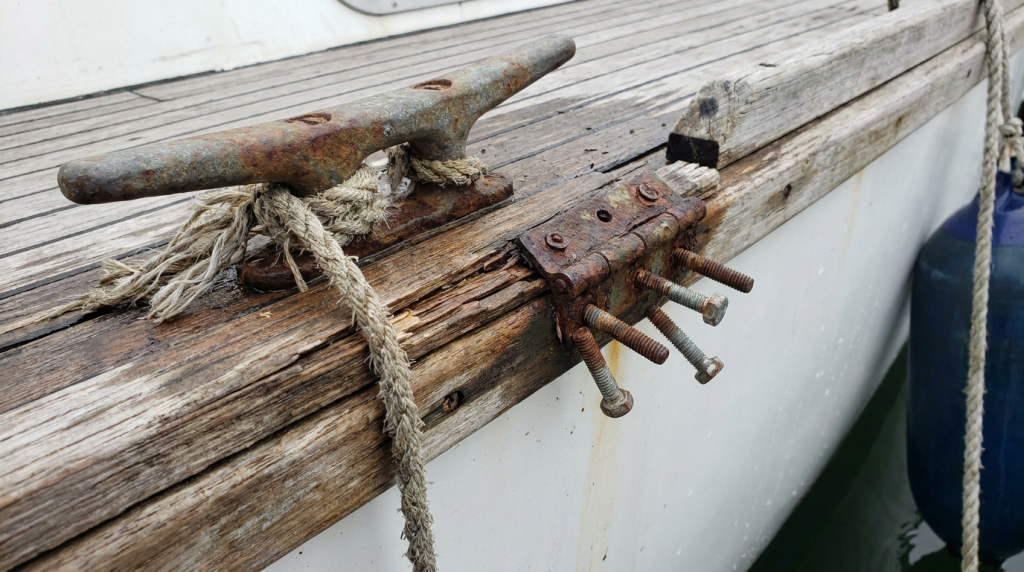
A sturdy deck depends on hundreds of individual fasteners working together to support people, furniture, and everyday use. Over time, exposure to weather, moisture, temperature changes, and regular foot traffic can cause screws, bolts, brackets, and connectors to loosen.
Ignoring loose deck hardware can lead to unstable railings, squeaky boards, unsafe stairs, and even structural damage.
This guide explains how to identify loose deck hardware, safely repair common problems, and prevent future issues so your deck remains safe, secure, and long-lasting.
What Is Loose Deck Hardware?
Deck hardware includes all the fasteners and metal connectors that hold the structure together.
Examples include:
- Deck screws
- Nails
- Carriage bolts
- Lag screws
- Washers
- Nuts
- Joist hangers
- Angle brackets
- Post anchors
- Ledger fasteners
- Structural connectors
When any of these components loosen, the entire deck can become less stable.
Common Signs of Loose Deck Hardware
Inspect your deck regularly for warning signs.
Watch for:
- Wobbly railings
- Loose deck boards
- Raised screw heads
- Popping nails
- Squeaking while walking
- Loose stair treads
- Leaning posts
- Rusted hardware
- Gaps around fasteners
- Joist hangers pulling away
- Cracked wood near fasteners
Even small amounts of movement deserve attention before they become larger problems.
Why Deck Hardware Becomes Loose
Several factors contribute to loose fasteners.
Weather Exposure
Outdoor decks constantly experience:
- Rain
- Snow
- Heat
- Humidity
- Freeze-thaw cycles
- UV exposure
Wood naturally expands and contracts as moisture levels change, gradually loosening fasteners.
Corrosion
Rust weakens metal components over time.
Hardware that isn’t rated for exterior use may deteriorate quickly, especially when installed with pressure-treated lumber.
Improper Installation
Common installation mistakes include:
- Fasteners that are too short
- Incorrect connector screws
- Missing washers
- Improper joist hanger nails
- Under-tightened bolts
- Incorrect hardware selection
Problems caused during construction often become noticeable after several seasons.
Why Prompt Repairs Matter
A loose fastener rarely stays isolated.
One loose connection places additional stress on nearby components.
For example:
- Loose railings become safety hazards.
- Loose stairs increase fall risks.
- Moving deck boards accelerate wood damage.
- Weak structural connections may affect the entire deck.
Addressing small problems early often prevents expensive structural repairs later.
Safety Before Beginning Repairs
Before working on any deck, inspect its overall condition.
If you observe:
- Significant movement
- Rot
- Sagging
- Large cracks
- Structural damage
- Deck separation from the house
Stop using the deck until it can be evaluated by a qualified contractor.
Basic Safety Equipment
Wear appropriate protection, including:
- Safety glasses
- Work gloves
- Hearing protection
- Closed-toe shoes
- Dust mask when necessary
Always use ladders and power tools safely.
Tools You’ll Need
Many repairs require only basic tools.
Common equipment includes:
- Cordless drill
- Impact driver
- Screwdriver set
- Socket wrench set
- Adjustable wrench
- Pry bar
- Hammer
- Tape measure
- Flashlight
- Replacement deck screws
- Galvanized bolts
- Stainless steel hardware
- Exterior-rated structural screws
Using quality tools makes repairs easier and more reliable.
Inspect the Entire Deck
Don’t focus on just one loose board.
Walk around the entire structure and inspect:
- Deck boards
- Railings
- Posts
- Stairs
- Joists
- Beams
- Ledger board
- Flashing
- Metal connectors
Check underneath the deck whenever possible.
Early detection prevents larger repairs.
Repairing Loose Deck Boards
Loose deck boards are among the easiest problems to fix.
Tighten Existing Screws
If screws remain in good condition:
- Tighten them with a drill or driver.
- Avoid stripping the screw head.
- Confirm the screw still grips solid wood.
If the screw continues spinning, the hole may be stripped.
Replace Loose Screws
When screws no longer hold:
- Remove the old fastener.
- Install a slightly longer exterior-rated deck screw.
- Drive into solid framing below.
Never replace deck screws with drywall screws.
Drywall screws are brittle and not designed for structural outdoor use.
Replace Raised Nails
Older decks often contain nails that gradually work themselves upward.
Rather than hammering them back down:
- Remove the nail.
- Replace it with an exterior deck screw.
- Fasten securely into the joist.
This provides a much longer-lasting repair.
Repair Stripped Holes
If the wood remains solid:
- Use a slightly larger screw.
- Relocate the fastener slightly if necessary.
If the surrounding wood is soft or rotten, replacing the affected board is usually the better solution.
Replace Damaged Deck Boards
Boards should be replaced when they show:
- Extensive rot
- Deep cracking
- Severe warping
- Structural weakness
- Inability to hold fasteners
Install replacement boards using corrosion-resistant exterior screws while maintaining proper spacing for drainage and expansion.
Repairing Loose Railings
Loose railings are among the most serious deck safety concerns because people naturally rely on them for support.
Even slight movement should be investigated immediately.
Check for Movement
Push gently on the railing in several directions.
Inspect:
- Top rails
- Bottom rails
- Posts
- Balusters
- Brackets
- Bolted connections
A properly constructed railing should feel solid with little or no noticeable movement.
Tighten Loose Brackets
Many railing systems use metal brackets secured with exterior screws.
If the bracket is loose:
- Remove one screw at a time.
- Inspect for corrosion or stripped threads.
- Replace damaged screws with manufacturer-approved exterior fasteners.
- Tighten securely without overdriving.
If screw holes have enlarged, longer screws or structural repairs may be required.
Repair Loose Railing Posts
Railing posts experience significant force whenever someone leans against them.
Inspect:
- Mounting bolts
- Washers
- Blocking
- Structural connectors
- Wood surrounding the post
Tighten loose bolts where appropriate.
If the surrounding wood is cracked, rotten, or crushed, replacing the post or reinforcing the framing may be necessary.
Secure Loose Balusters
Balusters should remain firmly attached to both the upper and lower rails.
Replace:
- Missing screws
- Broken connectors
- Split balusters
- Loose fasteners
Verify that baluster spacing continues to meet local building code requirements.
Repairing Loose Deck Stairs
Deck stairs receive constant impact loads and should remain rigid under normal use.
Inspect Stair Treads
Walk slowly up and down the stairs while checking for:
- Movement
- Flexing
- Squeaking
- Loose fasteners
- Uneven treads
Tighten loose screws or replace raised nails with exterior-rated deck screws.
Replace damaged stair treads that show:
- Rot
- Cracks
- Warping
- Excessive wear
Examine Stair Stringers
Stringers support the entire stair system.
Inspect for:
- Splits
- Rot
- Loose brackets
- Missing hardware
- Rusted connectors
- Movement where stairs connect to the deck
Damaged stringers typically require replacement rather than simple hardware repairs.
Tighten Stair Brackets
Check all metal stair connectors.
Replace:
- Bent brackets
- Rusted connectors
- Missing fasteners
- Corroded hardware
Use only hardware approved by the connector manufacturer.
Ordinary deck screws should never replace structural connector screws unless specifically permitted.
Inspect Structural Deck Hardware
Some deck components require closer attention because they support the entire structure.
Joist Hangers
Joist hangers should fit tightly against both the joist and supporting member.
Inspect for:
- Missing fasteners
- Incorrect nails
- Corrosion
- Bent hangers
- Wood damage
Use only approved joist hanger nails or structural connector screws.
Support Posts
Inspect posts for:
- Leaning
- Rot
- Cracks
- Loose brackets
- Corrosion
- Movement
Verify that all post bases remain securely attached.
Beams
Check beam connections for:
- Loose bolts
- Missing washers
- Rust
- Wood deterioration
- Separation between members
Structural beam repairs often require professional evaluation.
Ledger Board
The ledger board connects the deck to the house and is one of the most important structural components.
Warning signs include:
- Separation from the house
- Missing lag screws
- Water damage
- Rot
- Loose flashing
- Sagging near the house
If you suspect ledger board problems, discontinue using the deck until it has been inspected by a qualified professional.
Choosing Replacement Hardware
Using the correct replacement fasteners is essential.
Exterior-Rated Fasteners
Choose hardware specifically designed for outdoor use.
Common options include:
- Hot-dip galvanized screws
- Stainless steel screws
- Structural wood screws
- Exterior deck screws
- Structural bolts
- Joist hanger nails
- Structural connector screws
Avoid inexpensive interior fasteners that quickly corrode outdoors.
Pressure-Treated Lumber Compatibility
Modern pressure-treated lumber contains chemicals that accelerate corrosion of ordinary steel fasteners.
Always use hardware specifically approved for:
- Pressure-treated lumber
- Exterior construction
- Deck framing
Manufacturer compatibility information should always be followed.
Replace Damaged Hardware
Discard hardware showing:
- Rust
- Bent threads
- Cracks
- Stripped heads
- Excessive corrosion
New hardware provides greater reliability than attempting to reuse damaged fasteners.
Preventing Loose Deck Hardware
Routine maintenance significantly extends the life of any deck.
Inspect Twice Per Year
A seasonal inspection should include:
- Tightening loose fasteners
- Checking railings
- Inspecting stairs
- Looking for rust
- Examining structural connectors
- Cleaning debris
- Checking drainage
- Looking for wood rot
Spring and fall inspections are ideal.
Reduce Moisture Exposure
Water contributes to both wood movement and hardware corrosion.
Help protect your deck by:
- Keeping board gaps clean
- Removing wet leaves
- Maintaining proper drainage
- Cleaning gutters
- Repairing flashing
- Applying deck sealers as recommended
Protect Wood Surfaces
Regular cleaning and sealing reduces moisture absorption.
Depending on climate and exposure, reseal wood decks every one to three years.
Healthy wood provides stronger support for fasteners.
Avoid Overloading the Deck
Heavy loads place additional stress on hardware.
Exercise caution when adding:
- Hot tubs
- Outdoor kitchens
- Large planters
- Heavy furniture
- Storage materials
- Large gatherings
Consult a structural professional whenever significant additional weight is planned.
Frequently Asked Questions
Why do deck screws become loose?
Wood naturally expands and contracts as moisture levels change. Combined with repeated foot traffic and weather exposure, this movement gradually loosens fasteners over time.
Should I replace deck nails with screws?
In many cases, yes. Exterior-rated deck screws generally provide better long-term holding power and are less likely to work loose than nails.
Can I tighten loose railing posts myself?
Minor loose hardware can often be tightened successfully. However, if the post itself moves because of framing problems, rot, or structural damage, more extensive repairs may be required.
What hardware should be used on pressure-treated lumber?
Use fasteners specifically rated for pressure-treated lumber, such as hot-dip galvanized or stainless steel hardware that complies with the lumber manufacturer’s recommendations.
When should I call a professional?
Contact a qualified contractor if your deck has:
- Structural movement
- Loose ledger boards
- Rotting support posts
- Cracked beams
- Significant corrosion
- Large structural repairs
- Safety concerns
Conclusion
Repairing loose deck hardware is one of the most important maintenance tasks for preserving both the safety and longevity of your deck. By routinely inspecting fasteners, replacing damaged hardware, reinforcing loose connections, and using corrosion-resistant exterior fasteners, you can prevent small issues from becoming expensive structural repairs.
Whether you’re tightening deck screws, repairing railings, replacing joist hangers, or maintaining structural connectors, following proper repair methods helps keep your deck safe for family, guests, and everyday use.
For premium deck screws, structural fasteners, joist hangers, brackets, stainless steel hardware, galvanized bolts, power tools, safety equipment, and industrial MRO supplies, CEM Industrial Supply offers the professional-grade products needed to complete deck maintenance and repair projects with confidence.