
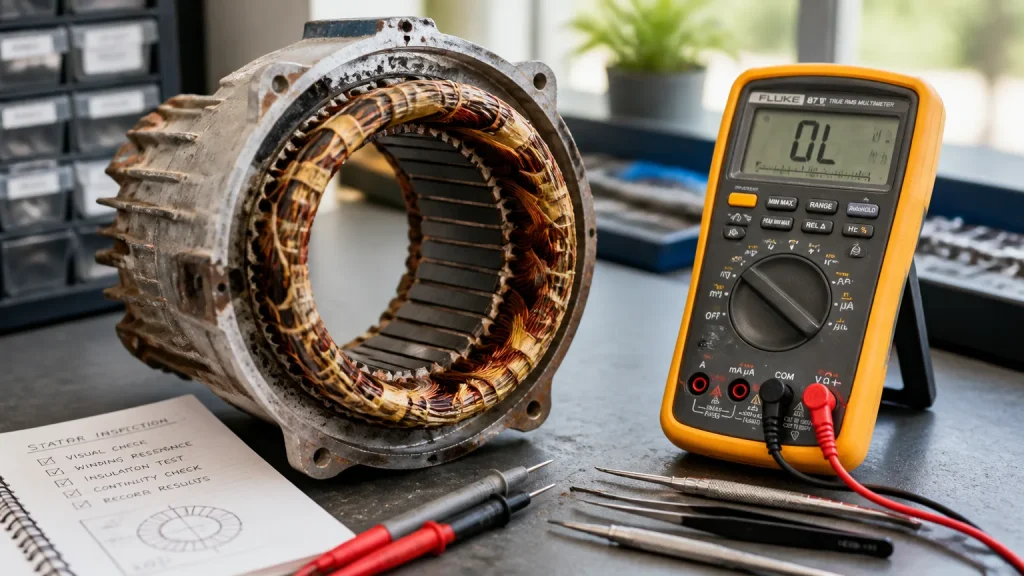
Stator inspections are crucial for ensuring the longevity of your motors. Regular, thorough checks can catch issues before they escalate, preventing costly repairs down the line. This proactive approach can save contractors and DIYers both time and money, making it an essential part of maintenance routines.
In southern Michigan, the challenges are unique. Humidity, temperature fluctuations, and heavy equipment usage can take a toll on motors. Regular inspections help identify wear and tear that might not be visible at first glance. By focusing on stator inspection, you can address potential problems early, ensuring your equipment runs smoothly.
For manufacturers, maintaining motor efficiency is vital. A well-maintained stator prolongs motor life and boosts performance. By investing in regular inspections, you not only enhance reliability but also improve overall productivity.
Whether you’re a contractor working on-site or a DIYer tackling home projects, understanding the importance of stator inspections is key. It’s not just about fixing problems; it’s about preventing them. With the right knowledge and tools, you can ensure your motors remain in peak condition for years to come.
1. Visual Inspection: The First Line of Defense
Start your stator inspection with a thorough visual check. Look for any signs of wear, corrosion, or damage. Cracked insulation or burnt areas can indicate serious issues. Pay attention to the windings; frayed or discolored wires can lead to motor failure.
Environmental factors in southern Michigan can exacerbate these problems. High humidity and temperature fluctuations may cause corrosion on metal components. Dust and debris can also accumulate, affecting performance.
Check for loose connections and any signs of overheating. If you notice discoloration or melting near terminals, it’s a red flag. These issues are often easy to spot but can have significant consequences if overlooked.
Make it a habit to inspect your stator regularly. By catching problems early, you can avoid costly repairs and extend the lifespan of your motors.
2. Conducting Electrical Tests
Electrical testing is vital for ensuring reliable stator performance. Two key tests to perform are insulation resistance and winding resistance tests. These assessments help identify potential issues before they escalate.
Start with the insulation resistance test. This measures the integrity of the insulation surrounding the windings. Use a megohmmeter to apply a specified voltage. A reading below the manufacturer’s recommended level indicates a problem. Make sure to perform this test when the motor is powered off to ensure safety.
Next, conduct a winding resistance test. This checks for continuity and uniformity in the windings. Use a multimeter to measure resistance across the terminals. Look for significant discrepancies; they can point to damaged windings or connections.
Always follow safety protocols. Wear appropriate gear and ensure the power is off before starting your tests. By conducting these electrical tests, you can proactively maintain your stator’s health and extend its service life.
3. Examining Mechanical Integrity
Mechanical integrity is crucial in stator inspections. Start by checking bearings and shafts for signs of wear. If these components degrade, they can lead to misalignment. Misalignment often results in electrical issues, which can escalate quickly.
Look for cracks, corrosion, or unusual wear patterns on the bearings. Replace them if they show significant signs of deterioration. Regular lubrication can also help prevent wear, extending the life of these components.
Next, examine the shafts. A worn shaft can cause vibrations, leading to further mechanical and electrical problems. If you notice pitting or scoring, it’s time for a replacement.
Don’t ignore other parts like mounts and housings. They should be free from damage. Addressing these common mechanical issues early can save you from unexpected failures down the line. Staying proactive ensures your motors run smoothly and efficiently.
4. Cleaning and Maintenance: Best Practices
Regular cleaning is crucial for preventing stator component failure. Dust and debris can accumulate, leading to overheating and reduced efficiency. In southern Michigan, the industrial environment often introduces contaminants that can accelerate wear.
Start by using a soft brush or compressed air to remove surface dirt. For more stubborn grime, a mild detergent and water solution works well. Ensure all moisture is dried completely before reassembling any components. This simple step can significantly extend the life of your stator.
Establish a maintenance schedule. Check your stator every three to six months, depending on usage and environmental conditions. If your equipment operates in a particularly dusty environment, consider more frequent inspections.
Additionally, keep an eye on lubrication points. Ensure they’re clean and adequately lubricated to reduce friction. A well-maintained stator not only performs better but also has a longer lifespan. Prioritize these practices to protect your investment and enhance efficiency.
5. Professional Help: Knowing When to Call an Expert
Even the most skilled DIYers need to know their limits. Certain signs indicate it’s time to call in a professional for a thorough stator inspection. If you notice unusual vibrations, excessive heat, or persistent electrical issues, don’t hesitate. These red flags often signal deeper problems that require expert attention.
Local resources can be invaluable. Many contractors have relationships with specialized repair shops or manufacturers who can provide support. Don’t overlook these connections; they can help you get the right assistance quickly.
If you’re unsure, consult with a local expert about your concerns. They can offer insights and solutions tailored to your specific situation. Remember, seeking professional help not only ensures proper repairs but also supports the longevity of your equipment. Trust your instincts—when in doubt, it’s better to be safe than sorry.
Final Thoughts on Stator Inspections for Longevity
Regular stator inspections are crucial for maintaining motor efficiency and reliability. By identifying issues early, you can prevent costly repairs and extend the lifespan of your equipment. Consistent maintenance not only protects your investment but also ensures optimal performance.
Adopt best practices, like checking for discoloration or mechanical damage. These small steps can make a significant difference in your motor’s longevity. Remember, a well-maintained stator leads to smoother operations and reduced downtime.
Make stator inspections a routine part of your maintenance schedule. Your motors will thank you in the long run.