
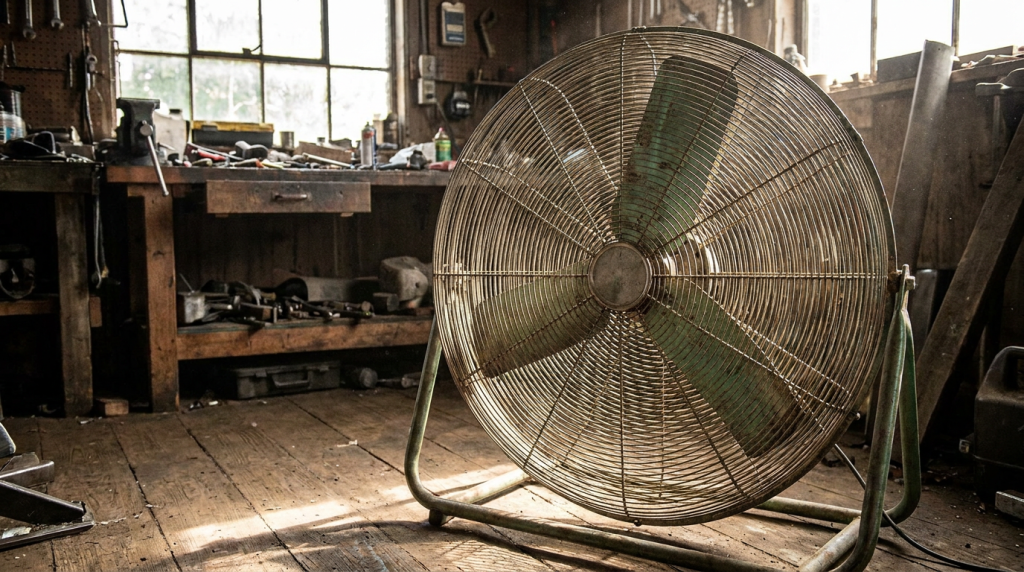
Whether you’re cooling a workshop in the middle of summer, drying freshly painted surfaces, improving ventilation, or increasing air circulation in a warehouse, the right shop fan can make your workspace safer and more comfortable. Shop fans aren’t just about staying cool—they help remove fumes, speed up drying times, reduce moisture, and improve overall working conditions.
With so many sizes and styles available, understanding what each type of fan is designed to do will help you choose the best option for your workspace.
Why Every Shop Needs a Quality Fan
Proper air circulation offers several important benefits, including:
- Keeping workers comfortable during hot weather
- Reducing heat buildup around equipment
- Improving ventilation when doors and windows are open
- Speeding the drying of paint, coatings, adhesives, and flooring
- Helping remove dust and airborne particles
- Preventing moisture buildup in garages and workshops
Whether you’re a contractor, mechanic, woodworker, or facility manager, a dependable shop fan is one of the most useful pieces of equipment you can own.
Types of Shop Fans
Drum Fans
Drum fans are large, high-volume fans designed to move significant amounts of air across large spaces.
They’re ideal for:
- Warehouses
- Manufacturing facilities
- Large garages
- Construction sites
- Barns and agricultural buildings
If your goal is maximum airflow over a wide area, a drum fan is often the best choice.
Pedestal Fans
Pedestal fans provide adjustable airflow at standing height.
Advantages include:
- Adjustable height
- Oscillating operation
- Portable design
- Good airflow for medium-sized shops
They’re commonly used in automotive shops, fabrication facilities, and commercial garages.
Floor Fans
Floor fans sit directly on the ground and typically direct air upward at an angle.
They’re excellent for:
- Drying floors
- Cooling workstations
- Drying paint
- Air circulation in small workshops
Because they’re compact and portable, they’re a popular choice for contractors who move from jobsite to jobsite.
Wall-Mounted Fans
Wall-mounted fans save valuable floor space while providing continuous airflow throughout the shop.
They’re ideal for:
- Permanent workstations
- Machine shops
- Welding areas
- Service bays
- Retail stockrooms
Wall-mounted units keep cords and equipment off the floor, reducing trip hazards.
High-Velocity Fans
High-velocity fans produce concentrated airflow capable of moving air long distances.
They’re commonly used for:
- Drying water damage
- Ventilating buildings
- Cooling equipment
- Construction cleanup
- Warehouse ventilation
These fans are designed for airflow—not quiet operation.
Blower Fans
Air movers, often called blower fans, focus airflow into a narrow stream.
They’re frequently used for:
- Water damage restoration
- Carpet drying
- Drying concrete
- Drying flooring
- Ventilating confined spaces
What to Consider Before Buying
Airflow (CFM)
One of the most important specifications is CFM (Cubic Feet per Minute).
Higher CFM means more air movement.
General guidelines:
- 500–1,500 CFM: Small workshops
- 1,500–3,000 CFM: Garages and service bays
- 3,000–6,000+ CFM: Large shops and warehouses
Choose a fan based on the size of the area rather than simply purchasing the largest model available.
Fan Size
Larger blades generally move more air at lower speeds.
Common sizes include:
- 12–18 inches
- 20 inches
- 24 inches
- 30 inches
- 36 inches and larger
Small shops often benefit from 20-inch fans, while industrial facilities frequently require 30-inch or larger models.
Portability
If your work takes you from room to room or jobsite to jobsite, portability matters.
Look for:
- Carry handles
- Lightweight construction
- Wheels
- Folding frames
- Cord storage
Portable fans are especially useful for contractors and restoration professionals.
Noise Level
Higher airflow usually means more noise.
If employees work near the fan throughout the day, consider models designed to balance airflow with quieter operation.
Durability
Industrial shop fans should feature:
- Steel housings
- Powder-coated finishes
- Heavy-duty motors
- Metal fan guards
- Stable bases
These features help ensure years of dependable service in demanding environments.
Indoor vs. Outdoor Use
Some fans are designed specifically for indoor use, while others are rated for outdoor or damp environments.
If you’ll be using a fan on construction sites or outdoors, choose one designed to withstand dust, moisture, and changing weather conditions.
Shop Fan Safety Tips
Using a shop fan safely is just as important as selecting the right one.
Always:
- Keep cords out of walkways.
- Never operate fans with damaged guards.
- Clean dust from blades regularly.
- Unplug fans before cleaning.
- Avoid blocking airflow.
- Position fans on stable surfaces.
- Keep fans away from standing water unless specifically rated for wet environments.
Routine maintenance will improve performance and extend the life of your equipment.
Choosing the Best Shop Fan
The best fan depends on how you’ll use it.
- Small workshops: Floor or pedestal fans
- Construction sites: Portable high-velocity fans
- Warehouses: Drum fans
- Automotive shops: Oscillating pedestal fans
- Drying projects: Air mover blowers
- Permanent work areas: Wall-mounted fans
Selecting the right fan improves comfort, increases productivity, and helps create a safer work environment year-round.
Related Resources
If you’re outfitting your shop or jobsite, these articles can help:
- Best Work Lights for Contractors
- Power Tool Maintenance Tips to Extend the Life of Your Equipment
- Essential Electrical Components: The Complete Guide for Contractors and DIYers
- Milwaukee vs. DeWalt: Which Power Tools Actually Last on the Jobsite?
- Contractor Grade Levels, Squares, and Lines
- Tape Measures: Standout, Blade Width, and Accuracy Classes Explained
Find Shop Fans and Industrial Supplies at CEM Industrial Supply
From heavy-duty shop fans and electrical supplies to contractor tools, safety equipment, and industrial maintenance products, CEM Industrial Supply helps professionals keep their shops productive and comfortable. Whether you’re cooling a workspace, improving ventilation, or speeding up drying times, our team can help you find the right equipment for the job.
Frequently Asked Questions
What size shop fan do I need?
The right size depends on your workspace. Small garages may only need a 20-inch fan, while warehouses or manufacturing facilities often require 30-inch or larger high-volume fans.
What does CFM mean on a shop fan?
CFM stands for Cubic Feet per Minute, which measures how much air a fan moves. Higher CFM ratings indicate greater airflow and are generally better for larger spaces.
Are high-velocity fans better than regular fans?
High-velocity fans move air farther and faster than standard fans, making them ideal for construction sites, workshops, and drying applications. Standard fans are often quieter and better suited for general comfort.
Can a shop fan cool a room?
A shop fan doesn’t lower the air temperature like an air conditioner, but it increases air circulation, making workers feel cooler through improved airflow and evaporation.
What’s the difference between a drum fan and a pedestal fan?
A drum fan moves a large volume of air across wide areas and is best for warehouses or large shops. A pedestal fan provides adjustable, directional airflow and works well for individual workstations.
Are shop fans good for drying paint?
Yes. Many contractors use shop fans to improve airflow and help speed the drying of paint, coatings, adhesives, flooring, and other finishing materials.
Can I use a shop fan outdoors?
Many industrial fans are designed for outdoor or jobsite use, but always verify the manufacturer’s recommendations. If the fan may be exposed to moisture, choose a model rated for damp or outdoor environments.
How do I maintain a shop fan?
Regularly clean the blades and motor housing, inspect the power cord for damage, tighten loose hardware, and keep air intakes free of dust and debris to maintain peak performance.
Are wall-mounted shop fans worth it?
Yes. Wall-mounted fans save floor space, reduce trip hazards, and provide continuous airflow in workshops, service bays, and manufacturing facilities.
How long do industrial shop fans typically last?
A quality industrial shop fan that is properly maintained can provide many years of reliable service, especially models built with heavy-duty steel housings, commercial-grade motors, and replaceable components.