
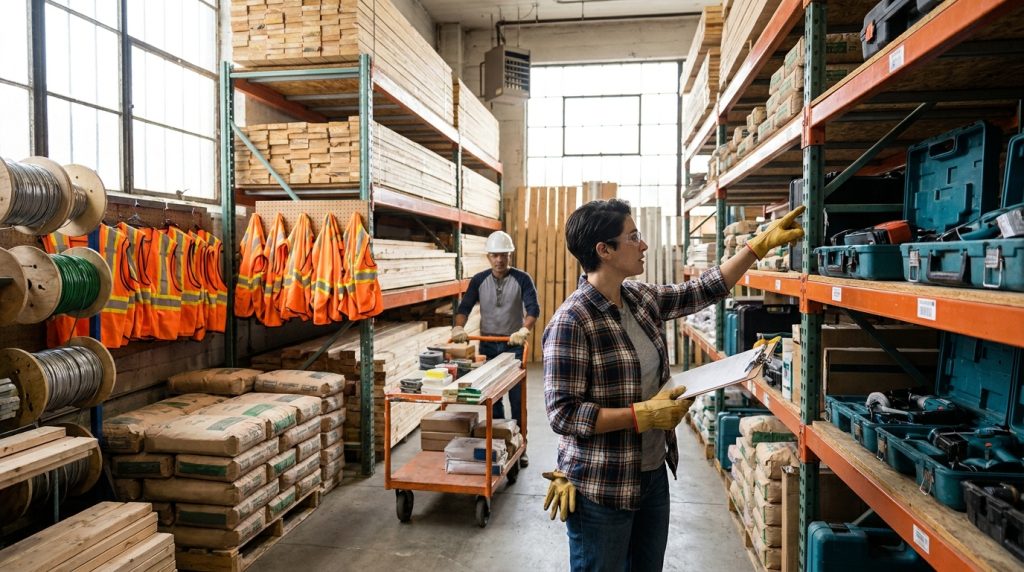
Branch County contractors work in a unique mix of environments: agricultural facilities, industrial plants, commercial remodels, municipal buildings, lake-area properties, rural roads, schools, and residential job sites across Coldwater, Quincy, Bronson, Union City, Tekonsha, and the wider Southern Michigan region.
That variety makes contractor supply planning more important than many people realize. The right supplies reduce downtime, protect crews, improve finish quality, and help you stay compliant with safety requirements. The wrong supplies—or missing supplies—can delay a pour, shut down a repair, or send a crew back across town for one fastener, blade, fitting, or PPE item.
As an industrial equipment and MRO supply professional, I recommend treating contractor supplies as a jobsite system: tools, consumables, safety, material handling, storage, and maintenance items all working together. This guide is designed to help Branch County contractors buy smarter, stock better, and avoid costly jobsite surprises.
Contractors in Branch County face different challenges than crews working in dense metro areas. Travel time between job sites, seasonal weather swings, rural access, and mixed-use facilities all affect what you should keep on hand.
Local jobsite realities in Coldwater and Southern Michigan
A typical contractor may handle:
- Commercial maintenance in Coldwater industrial facilities
- Agricultural equipment repairs near Quincy or Bronson
- Concrete and masonry work around barns, shops, and driveways
- Residential remodels near Coldwater Lake or Marble Lake
- Municipal and school building maintenance
- Plumbing, electrical, and HVAC service calls across Branch County
- Fabrication, welding, and mechanical repairs in small manufacturing plants
That means your supply list needs to cover more than basic tools. You need reliable access to:
- Fasteners and anchors
- Abrasives and cutting wheels
- PPE and jobsite safety gear
- Hand tools and power tool accessories
- Ladders, lifts, and material handling equipment
- Lubricants, adhesives, sealants, and chemicals
- Janitorial and facility maintenance supplies
- Welding, grinding, and fabrication consumables
- Electrical and plumbing repair items
CEM Industrial Supply, serving Coldwater, Branch County, and Southern Michigan through cemindustrialsupply.com, is positioned around these everyday contractor needs. Instead of thinking only in terms of one project, contractors should build supply systems that support repeatable, efficient work.
The cost of poor supply planning
Running short on common jobsite supplies can create real losses:
| Supply Problem | Common Result | Jobsite Impact |
||||
| Missing anchors or fasteners | Crew waits or improvises | Delays, rework, weak installations |
| Wrong blade or abrasive | Slow cutting, poor finish | Wasted labor and consumables |
| Inadequate PPE | Work stoppage or injury risk | Safety exposure and compliance issues |
| No backup batteries or chargers | Tools sit idle | Lost productivity |
| Poor material handling equipment | Manual lifting | Strains, injuries, slower work |
| No maintenance supplies | Equipment failure | Downtime and emergency costs |
For contractors, the goal is not simply to buy supplies. The goal is to keep crews working safely and efficiently.
For those interested in maximizing the efficiency and longevity of their tools, a related article that may be of interest is “How to Extend the Life of Your Angle Grinder Without Buying a New One.” This article provides valuable tips and techniques for maintaining your angle grinder, ensuring it remains a reliable asset in your toolkit. You can read the article by following this link: How to Extend the Life of Your Angle Grinder.
Essential Contractor Supply Categories for Branch County Crews
A well-stocked contractor setup should include both project-specific materials and core everyday supplies. Below are the categories I recommend reviewing before every project.
Hand tools and power tool accessories
Reliable hand tools are still the backbone of contractor work. Even with cordless tools everywhere, hand tools handle layout, adjustment, fastening, measuring, demolition, and finishing.
Common contractor hand tools include:
- Tape measures and layout tools
- Levels, squares, chalk lines, and marking tools
- Hammers, pry bars, and nail pullers
- Screwdrivers and nut drivers
- Wrenches, sockets, and ratchets
- Pliers, cutters, and locking tools
- Utility knives and replacement blades
- Clamps and vises
Power tool accessories are just as important as the tools themselves. Crews often lose time because they have the drill but not the correct bit, or the saw but not the right blade.
Keep these stocked:
- Drill bits for wood, steel, masonry, and concrete
- Impact driver bits and nut setters
- Reciprocating saw blades
- Circular saw and cut-off saw blades
- Hole saws and arbors
- Grinding wheels and flap discs
- Sanding discs and abrasive belts
- Extension cords rated for jobsite use
CEM Industrial Supply product categories such as hand tools, power tool accessories, abrasives, cutting tools, and drill bits are practical starting points for Branch County contractors building a dependable jobsite kit.
Fasteners, anchors, and hardware
Fasteners are small, but they control job quality. Choosing the wrong fastener can cause failures, callbacks, rust staining, loose equipment, and code concerns.
Common fastener categories include:
- Wood screws
- Self-drilling screws
- Sheet metal screws
- Lag bolts
- Hex bolts, nuts, and washers
- Concrete anchors
- Wedge anchors
- Sleeve anchors
- Drop-in anchors
- Tap-style masonry screws
- Threaded rod
- Rivets and clips
For Southern Michigan work, corrosion resistance matters. Outdoor structures, lake-area properties, farm buildings, and unheated shops may expose fasteners to moisture, salt, chemicals, fertilizer, and temperature swings.
Fastener selection guide
| Application | Recommended Fastener Type | Key Consideration |
||||
| Wood framing | Structural screws, nails, lag screws | Load rating and code requirements |
| Steel-to-steel fastening | Self-drilling screws, bolts | Metal thickness and coating |
| Concrete anchoring | Wedge, sleeve, or screw anchors | Base material and load |
| Outdoor installations | Galvanized or stainless fasteners | Corrosion resistance |
| Equipment mounting | Grade-rated bolts and washers | Vibration and shear loads |
| Temporary fastening | Standard screws or clamps | Ease of removal |
Always verify load ratings, embedment depth, spacing, edge distance, and manufacturer specifications when anchoring into concrete, block, or structural materials.
Safety supplies and PPE
No contractor supply guide is complete without safety equipment. PPE is not just a compliance item—it is a productivity tool. Crews work better when they can see clearly, breathe safely, grip properly, and avoid injuries.
Core contractor PPE includes:
- Safety glasses and goggles
- Face shields
- Hard hats
- Hearing protection
- Cut-resistant gloves
- Leather work gloves
- Chemical-resistant gloves
- High-visibility vests and jackets
- Respirators and dust masks
- Knee pads
- Fall protection equipment
- First aid kits
For industrial and commercial work in Coldwater or Branch County facilities, contractors may also need site-specific PPE such as arc-rated clothing, lockout/tagout devices, confined space equipment, or chemical handling gear.
When selecting safety products, look for applicable standards such as ANSI, OSHA, NIOSH, and manufacturer instructions. CEM Industrial Supply’s safety and PPE categories are especially relevant for contractors who need consistent access to gloves, eye protection, hearing protection, respirators, signage, and first aid supplies.
Buying Guide: How to Choose the Right Contractor Supplies
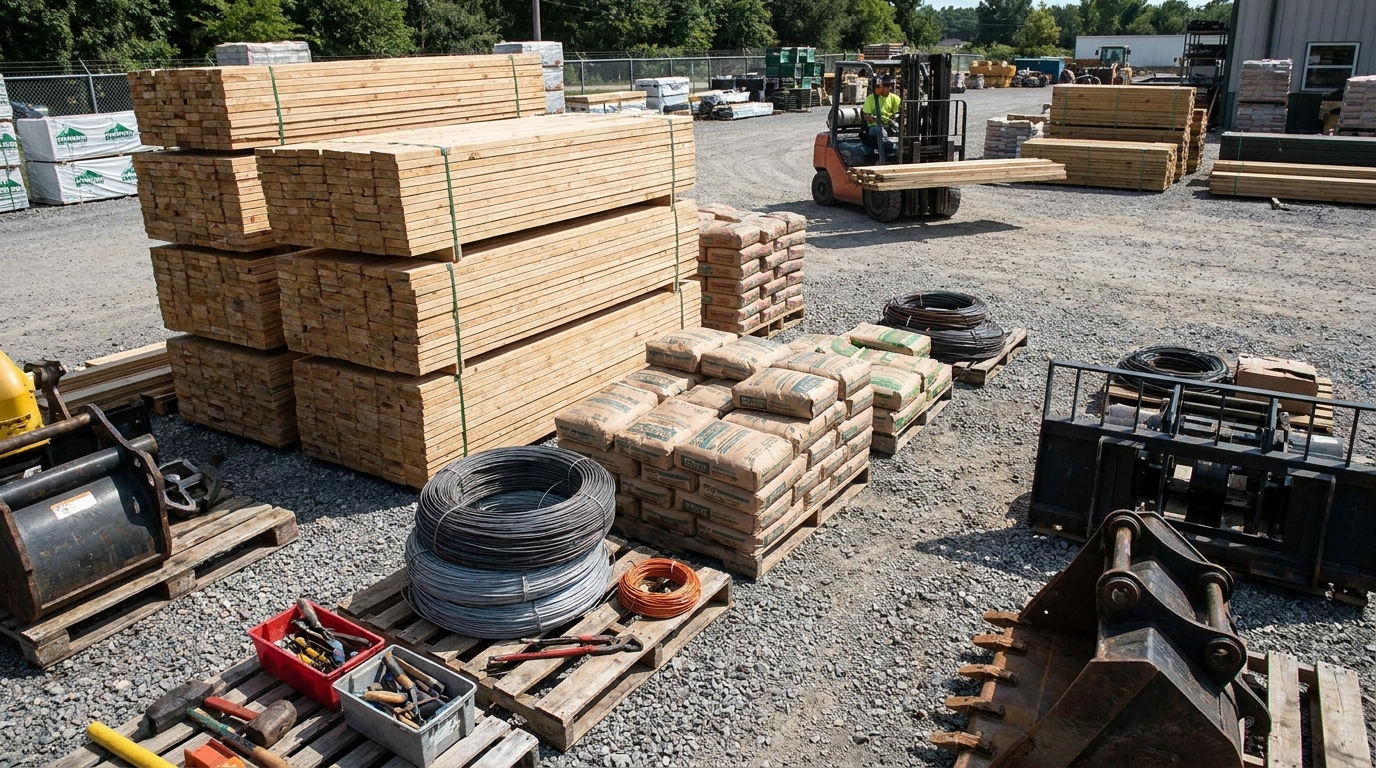
The best supply decisions come from matching the product to the job, environment, crew skill level, and expected service life. Price matters, but total cost matters more.
Step 1: Identify the work environment
Before buying tools or consumables, ask:
- Is the job indoors, outdoors, or both?
- Will materials be exposed to moisture or chemicals?
- Is the work in a food, medical, school, or manufacturing facility?
- Are sparks, dust, fumes, or noise a concern?
- Will crews work at height?
- Is power readily available?
- Is access limited or rural?
A commercial maintenance project in Coldwater has different supply needs than a pole barn repair near Bronson or a lakeside deck project in Branch County.
Step 2: Match consumables to the material
Consumables must match the material being worked. This includes abrasives, blades, bits, adhesives, sealants, and anchors.
| Material | Common Supplies Needed | Buying Tip |
||||
| Concrete | Masonry bits, anchors, diamond blades, patching products | Confirm concrete strength and anchor load |
| Steel | Cut-off wheels, grinding discs, drill bits, lubricants | Use metal-rated abrasives and bits |
| Wood | Saw blades, screws, adhesives, sanding supplies | Match fastener coating to exposure |
| Masonry/block | Hammer drill bits, sleeve anchors, mortar repair | Avoid over-tightening anchors |
| PVC/plumbing | Pipe cutters, adhesives, sealants | Check chemical compatibility |
| Electrical work | Fish tape, connectors, labels, PPE | Follow electrical codes and lockout practices |
Using the wrong blade, bit, or abrasive can damage materials, overheat tools, and create safety hazards.
Step 3: Evaluate quality versus cost
Cheap supplies can be expensive if they fail early. This is especially true for:
- Drill bits
- Saw blades
- Grinding wheels
- PPE
- Anchors
- Adhesives
- Extension cords
- Ladders
- Material handling equipment
A low-cost abrasive that wears out twice as fast does not save money. A poor glove that tears during use creates both waste and injury risk. A weak anchor can create liability.
Step 4: Standardize where possible
Standardization helps contractors reduce confusion and control inventory.
Consider standardizing:
- Common screw sizes
- Drill bit sets
- Grinder wheel sizes
- Glove types by task
- Safety glasses models
- Cordless tool battery platforms
- Extension cord lengths and gauges
- First aid kit locations
- Labeling and storage bins
Standardization makes purchasing easier and helps crews know what to expect in every truck or job box.
Please visit our latest post at https://cemindustrialsupply.com/news/ for more information.
Jobsite Safety Supplies Every Contractor Should Carry
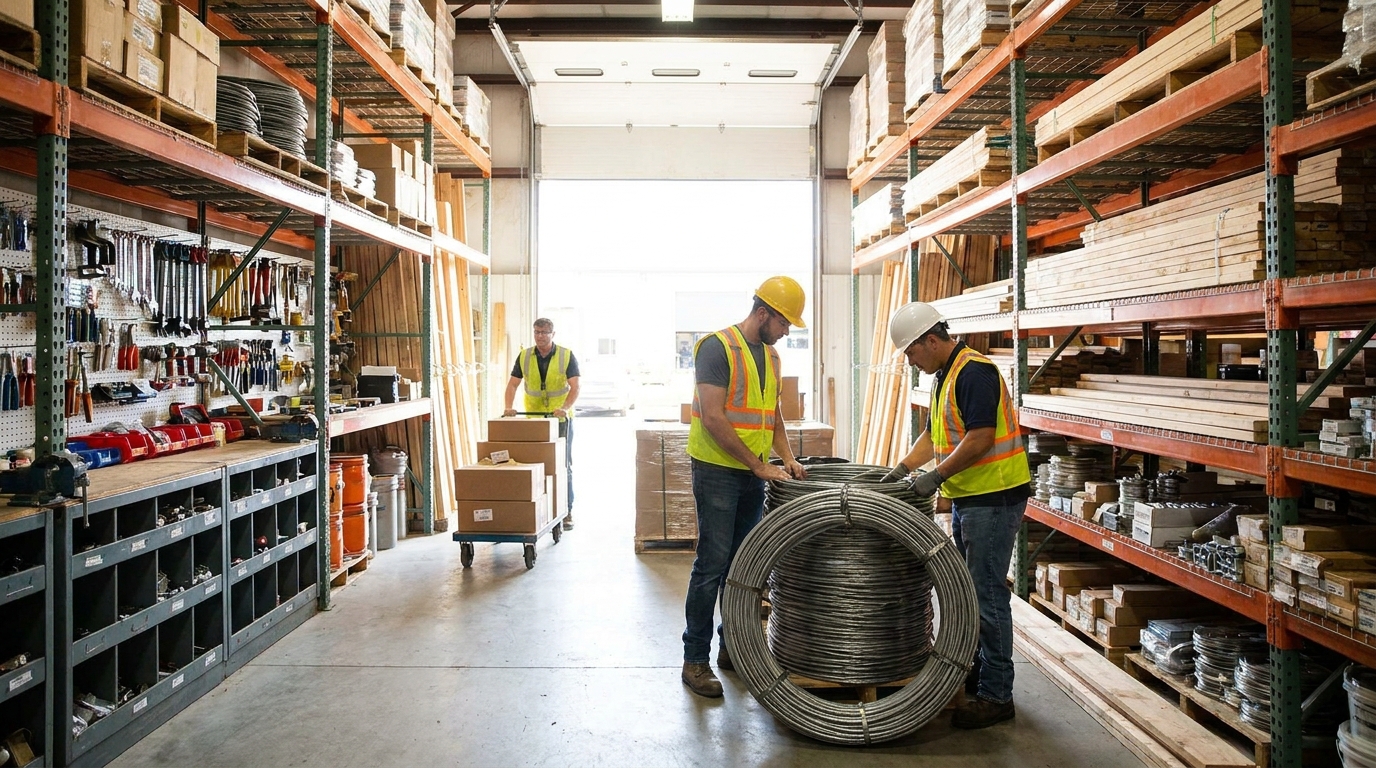
Safety supplies should be available before the work starts—not after an incident or inspection.
Basic jobsite safety checklist
Every Branch County contractor truck or trailer should carry:
- Safety glasses
- Spare gloves
- Hearing protection
- Dust masks or respirators as required
- First aid kit
- Fire extinguisher
- High-visibility vest
- Caution tape or cones
- Flashlight or headlamp
- Lockout/tagout supplies when servicing equipment
- SDS sheets for chemicals used
- Extension cord inspection tags or process
- Spill cleanup supplies when using oils, fuels, or chemicals
Fall protection and ladder safety
Falls remain one of the most serious construction hazards. Contractors working on roofs, mezzanines, scaffolds, lifts, loading docks, or ladders need the right equipment and training.
Important fall protection supplies may include:
- Full-body harnesses
- Lanyards
- Self-retracting lifelines
- Anchor points
- Guardrails
- Warning lines
- Ladder stabilizers
- Step ladders and extension ladders
- Scaffold planks and accessories
Ladder safety tips:
- Inspect ladders before use
- Use the correct ladder duty rating
- Keep three points of contact
- Set extension ladders at the proper angle
- Avoid standing on the top step
- Keep ladders clean and dry
- Do not use damaged ladders
- Secure ladders in high-traffic areas
Respiratory, dust, and silica considerations
Concrete cutting, grinding, drilling, demolition, sanding, and certain industrial maintenance tasks can create harmful dust. Silica dust is especially important when working with concrete, mortar, brick, stone, or block.
Contractors should consider:
- Wet cutting methods
- Dust extraction systems
- HEPA vacuums
- Respirators appropriate for the hazard
- Proper filter cartridges
- Fit testing when required
- Written exposure control plans when applicable
Always follow OSHA requirements and the manufacturer’s instructions for respiratory protection and dust control.
For those looking to enhance their construction projects in Branch County, the Contractor Supply Guide offers invaluable resources and insights. Additionally, if you’re interested in selecting the right tools for your tasks, you might find this article on reciprocating saw blades particularly helpful, as it discusses the best options for cutting through various materials. This information can be essential for ensuring that you have the right equipment for any job.
Tools, Equipment, and Supplies for Common Branch County Projects
Different jobs call for different supply bundles. Below are practical examples for common contractor work in Southern Michigan.
Concrete and masonry work
For concrete repair, anchoring, cutting, or drilling, contractors should stock:
- Hammer drills or rotary hammers
- Masonry drill bits
- Diamond blades
- Concrete anchors
- Epoxy anchoring products
- Levels and layout tools
- Trowels and finishing tools
- Concrete patch and repair materials
- Dust control supplies
- Gloves, goggles, respirators, and hearing protection
Buying tip: Do not treat all concrete anchors the same. Base material, load type, edge distance, vibration, moisture, and installation method all matter.
Metal fabrication and repair
For agricultural, industrial, and facility repair work, metalworking supplies are often essential.
Common fabrication supplies include:
- Welding helmets and gloves
- Welding wire, rods, and tips
- Clamps and magnets
- Cutting wheels
- Grinding wheels
- Flap discs
- Deburring tools
- Drill bits
- Layout dye and markers
- Anti-spatter products
- Metalworking fluids
- Fire-resistant PPE
CEM Industrial Supply categories such as welding supplies, abrasives, cutting tools, clamps, PPE, and lubricants are directly relevant for contractors who repair equipment, build brackets, modify guards, or maintain plant machinery.
Plumbing, mechanical, and facility maintenance
Facility maintenance contractors in Coldwater and Branch County often need a mix of plumbing, mechanical, and MRO supplies.
Useful items include:
- Pipe wrenches and adjustable wrenches
- Thread sealant and PTFE tape
- Pipe cutters
- Hose clamps
- Fittings and couplings
- Pumps and transfer equipment
- Lubricants and greases
- Belts and bearings
- Gaskets and packing
- Leak detection products
- Shop towels and absorbents
For mechanical work, do not overlook storage and labeling. Small fittings, clamps, seals, and fasteners should be organized so technicians can find them quickly.
Electrical and lighting work
Electrical contractors and maintenance crews need supplies that support safe, code-conscious work.
Common items include:
- Insulated hand tools
- Wire strippers and cutters
- Fish tapes
- Electrical tape
- Wire connectors
- Cable ties
- Labels and markers
- Lockout/tagout devices
- Multimeters and testers
- Work lights
- Extension cords
- Arc flash PPE where required
Electrical safety tip: Before servicing electrical equipment, follow proper lockout/tagout procedures, verify absence of voltage, and use appropriate PPE.
General construction and remodeling
For residential and commercial remodeling, a well-rounded supply setup should include:
- Demolition tools
- Saw blades
- Drill bits
- Fasteners
- Adhesives and sealants
- Caulk guns
- Sanding supplies
- Dust barriers
- Drop cloths
- Floor protection
- PPE
- Ladders and step stools
- Cleanup supplies
Clean, organized jobsites improve customer confidence and reduce trip hazards.
Material Handling, Storage, and Jobsite Organization
A contractor’s efficiency is often determined by how well supplies are moved and stored. Good material handling reduces injuries and keeps work flowing.
Material handling essentials
Consider these items for contractor trucks, shops, and jobsites:
- Hand trucks
- Dollies
- Carts
- Pallet jacks
- Lifting straps
- Chain hoists
- Come-alongs
- Slings and rigging accessories
- Tool carts
- Job boxes
- Shelving
- Storage bins
- Parts organizers
CEM Industrial Supply’s material handling and storage categories can help contractors organize tools, move heavy materials, and improve shop workflow.
Jobsite organization checklist
Before starting a project, confirm:
- Tools are assigned to the correct crew
- Consumables are stocked in labeled bins
- PPE is available and task-specific
- Extension cords are inspected
- Ladders are inspected
- First aid kit is accessible
- Chemicals are labeled and stored correctly
- SDS information is available
- Trash and scrap containers are planned
- High-use items are stored near the work area
- Heavy items can be moved safely
Truck and trailer stocking strategy
A contractor vehicle should not be a random pile of tools. Build it around repeatable categories:
- Measuring and layout
- Cutting and drilling
- Fastening and anchoring
- PPE and safety
- Electrical cords and lighting
- Adhesives, sealants, and chemicals
- Cleanup and waste handling
- Emergency repair supplies
- Specialty tools for the trade
- Documentation, labels, and markers
Use clear bins, drawer units, and labels. Inventory the vehicle weekly, especially during busy spring, summer, and fall construction seasons in Southern Michigan.
Maintenance Supplies That Reduce Downtime
Contractors often focus on project supplies and forget maintenance supplies. That is a mistake. Tool and equipment downtime can be just as costly as missing materials.
Lubricants, chemicals, and shop supplies
Every contractor shop should maintain basic MRO supplies, including:
- Penetrating oil
- Multi-purpose lubricant
- Grease
- Anti-seize compound
- Threadlocker
- Contact cleaner
- Degreaser
- Rust inhibitor
- Shop towels
- Absorbent pads
- Spray bottles
- Funnels
- Grease guns
- Cleaning brushes
For Coldwater-area contractors maintaining trailers, compact equipment, saws, generators, compressors, pumps, and shop tools, preventive maintenance supplies are essential.
Power tool and equipment maintenance tips
To extend tool life:
- Blow dust out of tools when appropriate
- Keep batteries dry and protected from extreme temperatures
- Inspect cords and plugs
- Replace worn brushes where applicable
- Clean vents and filters
- Lubricate moving parts as recommended
- Store tools in cases or job boxes
- Use sharp blades and bits to reduce motor strain
- Follow manufacturer service intervals
- Remove damaged tools from service immediately
Compressor and pneumatic tool care
Pneumatic tools remain common in construction, fabrication, and maintenance.
Best practices include:
- Drain compressor tanks regularly
- Check hoses for cracks and wear
- Use the correct fittings and couplers
- Maintain proper air pressure
- Use air tool oil where required
- Keep filters and regulators in good condition
- Replace damaged hose immediately
- Avoid trip hazards from air lines
Hydraulic and pneumatic supplies, hoses, fittings, lubricants, and repair items are important categories for contractors who rely on air tools, lifts, presses, or mobile equipment.
Seasonal Supply Planning for Southern Michigan Contractors
Branch County weather changes the way contractors should stock supplies. Cold winters, wet springs, humid summers, and harvest-season demands all affect jobsite operations.
Spring and summer supply priorities
During peak construction and repair season, stock up on:
- Concrete and masonry consumables
- Saw blades and drill bits
- Outdoor-rated fasteners
- Work gloves
- Safety glasses
- Sunscreen and cooling towels
- Hydration supplies
- High-visibility gear
- Dust masks and respirators
- Extension cords
- Jobsite lighting
- Traffic cones and caution tape
Summer tip: Heat stress is a real safety concern. Provide water, shade, breaks, and training for crews working outdoors.
Fall and winter supply priorities
For colder months in Southern Michigan, contractors should prepare for:
- Cold-weather gloves
- Insulated PPE
- Anti-slip footwear accessories
- Ice melt
- Floor dry and absorbents
- Portable heaters
- Temporary lighting
- Batteries and chargers
- Snow removal tools
- Rust prevention products
- Fuel treatment where applicable
- Tarps and weather protection
Winter tip: Cold temperatures can affect adhesives, sealants, batteries, compressors, and fluids. Store temperature-sensitive products according to manufacturer recommendations.
Agricultural and industrial seasonal demand
Branch County has strong agricultural and industrial activity. Contractors serving farms, food facilities, machine shops, and production plants may see seasonal spikes in repair work.
Plan ahead for:
- Bearings, belts, and mechanical repair supplies
- Welding consumables
- Hydraulic hose and fittings
- Fasteners and threaded rod
- Abrasives
- Lubricants and greases
- PPE for dirty or chemical environments
- Spill control supplies
- Trailer repair supplies
How to Build a Contractor Supply List for Your Crew
A good supply list should be based on your trade, crew size, job frequency, and distance from supply sources.
Core contractor supply list
Use this as a baseline:
| Category | Recommended Items |
|||
| Safety | Glasses, gloves, hearing protection, respirators, first aid, hi-vis |
| Fastening | Screws, bolts, washers, nuts, anchors, bits |
| Cutting | Utility blades, saw blades, cut-off wheels, hole saws |
| Drilling | Wood, metal, and masonry bits; impact accessories |
| Abrasives | Grinding wheels, flap discs, sanding discs |
| Layout | Tape measures, levels, chalk lines, markers |
| Adhesives | Construction adhesive, sealant, threadlocker, epoxy |
| Electrical | Cords, work lights, tape, cable ties |
| Maintenance | Lubricants, cleaners, rags, absorbents |
| Storage | Bins, job boxes, shelves, labels |
| Handling | Dollies, carts, straps, lifting aids |
Crew-size planning
| Crew Size | Supply Strategy |
|||
| 1–2 workers | Compact truck kit with essential PPE and consumables |
| 3–5 workers | Shared job box, duplicate PPE, larger fastener inventory |
| 6–10 workers | Dedicated supply trailer or staging area |
| 10+ workers | Formal inventory system and assigned supply manager |
Reorder point method
For high-use items, set minimum quantities. For example:
- Safety glasses: reorder when below 12 pairs
- Cut-resistant gloves: reorder when below 1 case
- 4-1/2 inch grinding wheels: reorder when below 25
- Common screws: reorder when one bin is half empty
- Concrete anchors: reorder when below project minimum
- Utility blades: reorder when below 2 packs
This simple system prevents last-minute supply runs.
Choosing a Contractor Supply Partner in Branch County
Selecting a supplier is about more than price. Contractors need dependable access, product knowledge, and categories that fit their real work.
What to look for in a contractor supplier
A strong contractor supply partner should offer:
- Broad industrial and contractor product categories
- Practical product knowledge
- Safety and PPE options
- Quality fasteners and abrasives
- Tool and accessory availability
- MRO and maintenance supplies
- Material handling and storage solutions
- Support for commercial, industrial, agricultural, and facility work
- Online product access through a site such as cemindustrialsupply.com
- Local understanding of Coldwater, Branch County, and Southern Michigan jobsite needs
Why category depth matters
A supplier with only basic hardware may not be enough for contractors who work in industrial, mechanical, or commercial settings. Category depth helps when you need:
- A specific abrasive for stainless steel
- A better glove for cut protection
- A more durable anchor for concrete
- A chemical-compatible sealant
- Lockout/tagout supplies
- Industrial storage bins
- Shop maintenance products
- Welding safety gear
- Material handling equipment
CEM Industrial Supply’s relevant categories—safety supplies, abrasives, fasteners, hand tools, power tool accessories, janitorial, material handling, welding, lubricants, adhesives, and MRO supplies—align well with the everyday needs of Branch County contractors.
Maintenance and Safety Best Practices for Contractors
Good supplies only perform when they are used correctly. Train crews, inspect equipment, and make safety part of daily workflow.
Daily jobsite startup checklist
Before work begins:
- Review the scope of work
- Identify hazards
- Confirm PPE requirements
- Inspect ladders, cords, and tools
- Verify guards are in place
- Check blades, bits, and abrasives
- Confirm correct fasteners and anchors
- Review material handling plan
- Locate first aid kit and fire extinguisher
- Confirm emergency contact information
- Keep walkways clear
- Review lockout/tagout requirements if servicing equipment
End-of-day checklist
At the end of each shift:
- Clean and store tools
- Remove damaged consumables
- Recharge batteries
- Secure ladders and equipment
- Dispose of waste properly
- Restock high-use supplies
- Report damaged PPE
- Check chemical containers
- Sweep or vacuum dust and debris
- Lock job boxes and trailers
- Update supply needs for the next day
Common mistakes to avoid
Avoid these jobsite supply mistakes:
- Using indoor fasteners outdoors
- Cutting concrete without dust control
- Wearing the wrong glove for the hazard
- Using damaged extension cords
- Overloading ladders or carts
- Mixing incompatible chemicals
- Using expired or improperly stored adhesives
- Reusing single-use PPE
- Installing anchors without verifying specifications
- Running grinders without proper guards
- Storing batteries in extreme heat or cold
- Failing to restock after a major project
Quick Buying Recommendations by Trade
Different trades should prioritize different supply categories.
General contractors
Focus on:
- Fasteners
- Layout tools
- PPE
- Ladders
- Adhesives and sealants
- Saw blades
- Drill bits
- Jobsite cleanup supplies
- Storage and organization
Concrete and masonry contractors
Focus on:
- Diamond blades
- Hammer drill bits
- Concrete anchors
- Dust control
- Respirators
- Knee pads
- Finishing tools
- Epoxy anchoring products
Mechanical and industrial contractors
Focus on:
- Wrenches and sockets
- Lubricants
- Thread sealants
- Fasteners
- Bearings and belts
- Lockout/tagout
- Material handling equipment
- Welding and fabrication supplies
Electrical contractors
Focus on:
- Insulated tools
- Lockout/tagout
- Labels
- Work lights
- Cable ties
- Electrical tape
- Test equipment
- Arc-rated PPE when required
Facility maintenance teams
Focus on:
- Janitorial supplies
- MRO supplies
- Lubricants
- PPE
- Replacement hardware
- Material handling
- Storage bins
- Absorbents
- Tools and repair consumables
FAQs About Contractor Supplies in Branch County
What supplies should every Branch County contractor keep in the truck?
Every contractor truck should carry basic PPE, first aid, fasteners, drill bits, saw blades, utility knives, tape measures, extension cords, work lights, adhesives, sealants, lubricants, and cleanup supplies. Add trade-specific items based on the work you perform most often.
Where can contractors in Coldwater find industrial supplies?
Contractors in Coldwater and Branch County can source industrial and contractor supplies through CEM Industrial Supply at cemindustrialsupply.com. Relevant categories include safety supplies, fasteners, abrasives, tools, welding supplies, material handling, janitorial, adhesives, lubricants, and MRO products.
How do I choose the right concrete anchor?
Choose concrete anchors based on the base material, load rating, embedment depth, edge distance, moisture exposure, vibration, and installation method. Always follow the manufacturer’s specifications and applicable code requirements.
What PPE is most important for general construction?
Core PPE includes safety glasses, gloves, hearing protection, hard hats, high-visibility clothing, respirators when needed, and proper footwear. Task-specific PPE may include face shields, fall protection, cut-resistant gloves, chemical gloves, or arc-rated gear.
How often should contractor supplies be inventoried?
High-use supplies should be checked weekly, and critical safety supplies should be checked before each job. Trucks and trailers should be restocked after major projects or heavy-use days.
What are the most commonly overlooked jobsite supplies?
Commonly overlooked items include extra drill bits, replacement blades, batteries, chargers, marking tools, first aid refills, dust masks, extension cord replacements, threadlocker, anti-seize, absorbents, and jobsite cleanup supplies.
Why are abrasives so important for contractors?
Abrasives affect cutting speed, finish quality, tool life, and worker safety. Using the correct grinding wheel, flap disc, sanding disc, or cut-off wheel for the material helps reduce waste and improve results.
How should contractors store adhesives and sealants in Southern Michigan winters?
Store adhesives and sealants according to manufacturer temperature requirements. Cold conditions can reduce performance, slow curing, or damage products. Keep temperature-sensitive products in a controlled environment when possible.
What should I look for in a local contractor supply partner?
Look for broad product categories, practical expertise, reliable access, safety products, industrial-grade consumables, online ordering options, and local understanding of Coldwater, Branch County, and Southern Michigan contractor needs.
Final Contractor Supply Checklist for Branch County Crews
Before your next project in Coldwater, Branch County, or Southern Michigan, review this checklist:
- Do we have the correct PPE for the job?
- Are our fasteners and anchors rated for the application?
- Do we have the right blades, bits, and abrasives?
- Are ladders, cords, and tools inspected?
- Do we have dust control and respiratory protection if needed?
- Are adhesives, sealants, and chemicals compatible with the materials?
- Is material handling equipment available for heavy items?
- Are first aid, fire extinguisher, and spill supplies ready?
- Is the truck or trailer organized and labeled?
- Do we have backup consumables to avoid downtime?
- Are maintenance supplies available for tools and equipment?
- Have we planned for local weather and site conditions?
Contractor supply management is not complicated, but it does require discipline. The crews that stay organized, stock the right categories, and choose quality supplies will work faster, safer, and with fewer interruptions.
For Branch County contractors, local conditions matter. Whether you are working in a Coldwater industrial facility, remodeling a commercial space, repairing farm equipment near Bronson, or managing maintenance across Southern Michigan, a well-planned supply system is one of the best investments you can make. CEM Industrial Supply’s contractor-focused product categories provide a practical resource for building that system and keeping your crews ready for the next job.
FAQs
What is the Branch County Contractor Supply Guide?
The Branch County Contractor Supply Guide is a comprehensive resource that provides information on various suppliers and vendors in Branch County, Michigan, that cater to the needs of contractors and construction professionals.
What type of information can be found in the Branch County Contractor Supply Guide?
The guide includes details about suppliers offering construction materials, tools, equipment, and other essential supplies for contractors. It also provides information on the location, contact details, and product offerings of each supplier.
How can the Branch County Contractor Supply Guide be accessed?
The Branch County Contractor Supply Guide is typically available in print and online formats. It can be accessed through local construction associations, building supply stores, or through online directories and websites.
Why is the Branch County Contractor Supply Guide useful for contractors?
The guide serves as a valuable reference for contractors looking to source construction materials and supplies locally. It helps contractors save time and effort by providing a consolidated list of suppliers in the area.
Are there any fees associated with accessing the Branch County Contractor Supply Guide?
The availability of the guide and any associated fees may vary. Some versions of the guide may be available for free, while others may require a purchase or subscription. It is advisable to check with local associations or suppliers for specific details.