
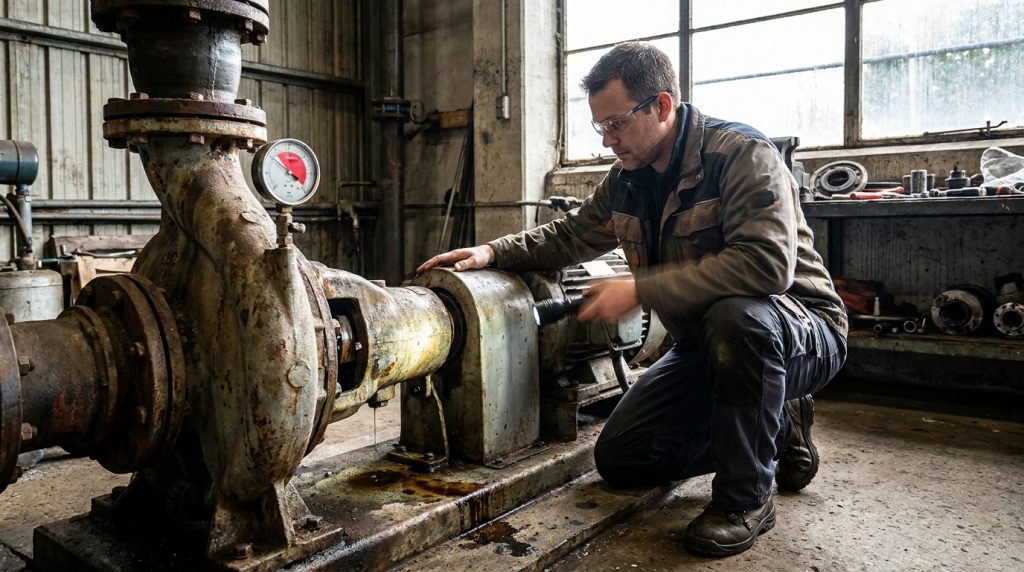
Listening to Your Machinery: Early Indicators of Pump Trouble
Your industrial pumps are the workhorses of your operations, tirelessly moving critical fluids day in and day out. But like any complex piece of machinery, they can develop issues. Ignoring small problems can lead to big, expensive headaches down the line – unplanned downtime, costly repairs, or even complete system failure. The good news is, your pumps often give you clues when something isn’t quite right. Learning to recognize these early warning signs is key to proactive maintenance and keeping your business running smoothly. Think of it as having a conversation with your equipment; it’s trying to tell you something, and if you listen, you can prevent a minor whisper of a problem from becoming a deafening roar of a breakdown. This article will walk you through nine common warning signs that indicate your industrial pumps need attention, so you can address them before they escalate.
When it comes to maintaining the efficiency of your industrial pumps, recognizing the warning signs of potential issues is crucial. For further insights into equipment compatibility and performance, you may find it helpful to read the article on SDS Plus vs. SDS Max: What Fits What. Understanding the differences in tool fittings can aid in selecting the right equipment for your repair needs, ensuring optimal functionality. For more information, check out the article here.
Unusual Noises: The Symphony of a Struggling Pump
One of the most immediate and often overlooked indicators of a pump problem is a change in its usual sound. Pumps, when operating correctly, have a characteristic hum or whir. This sound is a sign of smooth operation. However, when something is amiss, this familiar symphony can quickly turn into a cacophony of alarming noises, each with its own diagnostic tale. Paying close attention to these auditory cues can provide invaluable insights into the pump’s internal health.
Grinding and Screeching: Bearing and Seal Distress
A persistent grinding or screeching sound is a serious red flag, often pointing to severe internal wear and tear. This noise is typically caused by failing bearings or seals. Bearings are the components that allow rotating shafts to spin smoothly. When the lubrication within a bearing degrades or the bearing itself wears out, the metal surfaces can begin to rub against each other, producing a harsh, metallic grinding sound. This friction can generate significant heat, further accelerating wear and potentially leading to shaft damage.
Seals are equally crucial, preventing leakage of the pumped fluid and ingress of contaminants. If a seal begins to fail, it can cause friction between the rotating shaft and the stationary seal material. This friction can manifest as a high-pitched squeal or a grating screech. The longer these conditions persist, the more damage they inflict. A grinding noise should never be ignored, as it often signifies that the pump is operating under extreme stress, and immediate investigation is warranted. Neglecting this could lead to the catastrophic failure of the pump’s rotating assembly.
Knocking or Banging: Cavitation and Impeller Issues
A rhythmic knocking or banging sound often suggests a phenomenon known as cavitation. Cavitation occurs when the pressure within the pump drops to the vapor pressure of the liquid, causing small vapor bubbles to form. As these bubbles travel to areas of higher pressure, they collapse violently, creating miniature shockwaves that can damage pump components, particularly the impeller. This implosion creates a distinctive popping or hammering sound, often described as gravel rattling inside the pump.
Cavitation can be caused by several factors, including insufficient suction head, clogged suction lines, or operating the pump at a flow rate significantly lower than its best efficiency point. In addition to the noise, cavitation can lead to reduced pump performance, increased vibration, and premature wear of the impeller and casing. Another potential cause of knocking is a loose or damaged impeller. If the impeller is not securely attached to the shaft or if its vanes are chipped or broken, it can strike the pump casing, producing a banging noise. This is also a serious issue that can quickly escalate to more significant damage.
Gurgling or Hissing: Air Entrainment and Leaks
Sounds like gurgling or hissing can indicate the presence of air in the system. If air is being drawn into the suction line, it can create turbulence and irregular flow patterns within the pump, leading to gurgling noises. This air entrainment can significantly reduce the pump’s efficiency and capacity, as it’s trying to move air instead of liquid. It can also contribute to cavitation due to the reduced effective fluid density.
A hissing sound can sometimes indicate a leak somewhere in the pump or its associated piping. While external leaks are often visible, a small, high-pressure leak might produce an audible hiss. It could also signify an internal leak, such as a faulty seal or a worn wear ring, allowing fluid to bypass the intended flow path. Addressing air entrainment and leaks promptly is crucial for maintaining optimal pump performance and preventing further complications.
Visible Signs: What to See When Your Pump Isn’t Right
Beyond the sounds your pumps make, there are often visual cues that signal a problem. These are the things you can see, feel, or detect with your senses that indicate something is out of the ordinary. Keeping a watchful eye on your equipment can help you catch issues before they become critical.
Leaks: Dripping, Seeping, and Puddles
The most obvious visual sign of pump trouble is a leak. This can range from a slow drip at a seal or gasket to a more substantial seep from the casing or piping connections. Even small leaks shouldn’t be dismissed. Over time, they can lead to significant fluid loss, increased operating costs, and potential environmental hazards. Furthermore, a leak often indicates a failure in a critical sealing component, which could worsen rapidly.
Beyond the immediate fluid loss, leaks can also lead to other problems. For example, if the leaking fluid is flammable or corrosive, it poses a safety risk. If the leak is in a location where it can damage electrical components or the surrounding environment, the consequences can be amplified. Regularly inspecting the pump and its surrounding area for any signs of moisture, staining, or puddles is a simple yet effective maintenance practice.
Excessive Vibration: Shaking and Trembling
While some level of vibration is normal in any rotating machinery, excessive vibration is a clear sign that something is wrong. This can manifest as a noticeable shaking or trembling of the pump casing, piping, or baseplate. Increased vibration can be caused by a variety of issues, including an unbalanced impeller, misaligned shafts, worn bearings, or cavitation.
The detrimental effects of excessive vibration are significant. It can accelerate wear on all pump components, including bearings, seals, and couplings. It can also lead to fatigue failures in piping and structural supports. Furthermore, excessive vibration can loosen fasteners, leading to further complications and potentially catastrophic failure. If you notice a sudden increase in vibration, or if the pump starts to feel “off” when you touch it, it’s time to investigate.
Overheating: Hot to the Touch and Smells
A pump that is running hotter than usual is a strong indicator of underlying problems. This can be detected by touching the pump casing (being cautious, of course) or by observing abnormal temperature readings from thermal imaging equipment. Overheating can be caused by a multitude of issues, including insufficient lubrication, restricted flow, excessive friction due to worn components, or even the pump operating outside its design parameters.
The smell associated with overheating is another important cue. A burning smell, often described as “hot oil” or electrical burning, can indicate that lubricants are breaking down or that electrical components are failing. Prolonged overheating can severely damage seals, bearings, and even the motor windings. Addressing the root cause of the excessive heat is crucial to prevent permanent damage to the pump.
Performance Degradation: When the Pump Isn’t Doing Its Job
Beyond just making noise or showing physical signs, a pump’s actual performance can also tell you it needs attention. When the pump isn’t delivering the expected flow or pressure, it’s a direct signal that something is hindering its ability to function correctly.
Reduced Flow Rate: Not Pumping Enough
If you’ve observed that the pump is no longer moving the same volume of fluid as it used to, this is a significant performance degradation. Reduced flow rate can be caused by a number of issues, including impeller wear, blockages in the suction or discharge lines, internal recirculation due to worn wear rings, or problems with the motor or driver.
For example, if an impeller’s vanes are eroded, they lose their ability to impart sufficient energy to the fluid, resulting in less volume being moved. Similarly, if a strainer is clogged or a pipe is partially blocked, it creates a restriction that the pump struggles to overcome, leading to a lower output. Accurately monitoring flow rates is essential for detecting this type of problem early.
Decreased Pressure: Lacking the Necessary Push
Conversely, if the pump is not generating the required discharge pressure, it indicates a problem with its ability to create the necessary force to move the fluid through the system. This can be a result of many of the same issues that cause reduced flow, such as impeller damage, internal wear, or leaks.
A pump’s pressure output is directly related to the energy it can impart to the fluid. If that energy transfer is compromised, the pressure will drop. This can be particularly problematic in systems where maintaining a specific pressure is critical for downstream processes. Regularly checking discharge pressure against operational specifications is a vital step in identifying these issues.
When it comes to maintaining industrial equipment, recognizing the early warning signs of potential issues is crucial for avoiding costly repairs. For instance, if you notice unusual vibrations or unusual noises from your pumps, it may be time to consult an expert. In addition to understanding pump maintenance, it’s also beneficial to familiarize yourself with other related topics, such as the best tools for specific tasks. A helpful resource on this subject can be found in the article about sanding discs, belts, and pads, which discusses how to choose the right materials for different applications. You can read more about it here.
Electrical and Motor Issues: The Power Behind the Pump
The pump itself is only one part of the equation; the motor that drives it is equally important. Problems with the electrical system or the motor can directly impact pump performance and lead to premature failure.
Motor Overload: Straining to Keep Up
An overloaded motor is one that is drawing more electrical current than it is designed for. This often happens when the pump is experiencing excessive resistance, such as a blocked discharge line or a pump that has seized up. The motor will strain to turn the pump, leading to overheating and potentially damaging its windings. You might notice the motor running slower than usual or hear unusual sounds coming from it. Many motor protection devices, like overload relays, are designed to shut off the motor before severe damage occurs, but the underlying cause of the overload still needs to be addressed.
Frequent Tripping Breakers: A Sign of Electrical Problems
If the circuit breaker for your pump motor is frequently tripping, it’s a clear signal of an electrical issue. This could be due to a short circuit within the motor or its wiring, a problem with the power supply, or the motor being consistently overloaded. A tripped breaker is a safety mechanism, but it also indicates that something is preventing the motor from operating normally. Investigating the cause of the tripping is crucial to prevent damage to the electrical system and the motor itself.
Operational Anomalies: When Things Just Don’t Feel Right
Sometimes, the signs that a pump needs repair aren’t as clear-cut as a specific noise or a visible leak. Instead, it’s a general sense that something is “off” with the way the pump is operating. These subtle operational anomalies are often the earliest indicators of trouble and should not be dismissed.
Inconsistent Performance: Fluctuating Flow or Pressure
A pump that is operating inconsistently, with its flow rate or pressure fluctuating without any apparent changes in the system demand, is a cause for concern. This inconsistency can be a symptom of intermittent cavitation, a failing control system, or a component that is beginning to wear unevenly. For example, a slightly damaged impeller might perform acceptably under certain flow conditions but then exhibit significant performance dips as the flow changes.
Difficulty Starting or Stopping: Hesitation in Operation
If you notice that the pump is hesitating when it starts up, or if it takes longer than usual to come to a complete stop, this can indicate underlying mechanical or electrical issues. Difficulty starting could be related to problems with the motor, starting capacitors, or even internal friction within the pump that is making it hard to get moving. A slow or jerky stop might suggest issues with the braking system (if applicable) or residual friction within the pump. These subtle operational shifts are often precursors to more significant failures.
By understanding and recognizing these nine warning signs, you can take a proactive approach to industrial pump maintenance. Early detection and intervention are not only more cost-effective than dealing with a major breakdown but also crucial for ensuring the continuous and reliable operation of your industrial processes. Make it a habit to listen to your pumps, watch them closely, and pay attention to how they perform. Your vigilance can save you time, money, and a great deal of stress.