
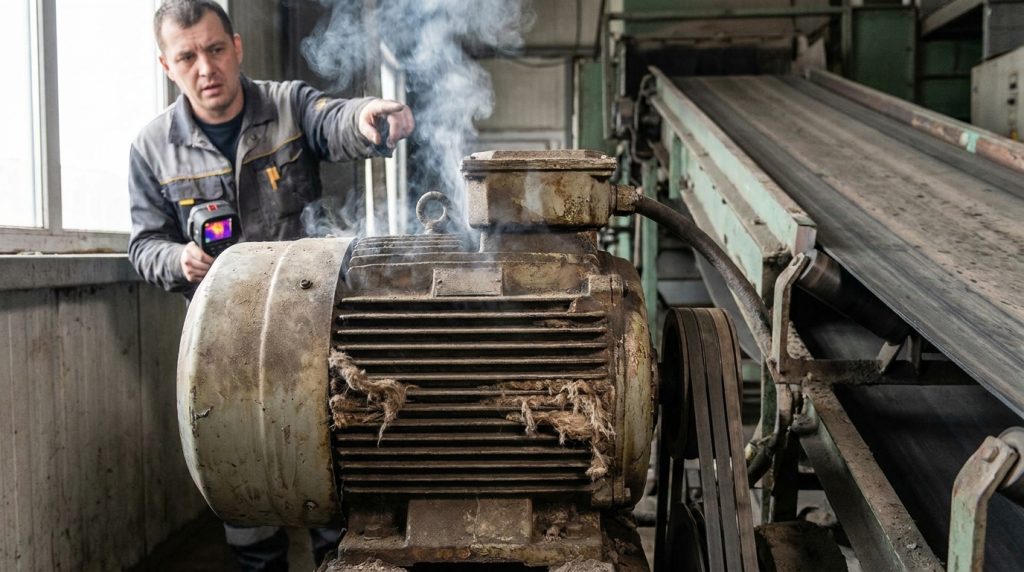
Understanding Why Electric Motors Get Too Hot
Electric motors are the workhorses of so many machines, from your kitchen blender to huge industrial equipment. They convert electrical energy into mechanical motion. But sometimes, they get uncomfortably hot. This isn’t just an annoyance; excessive heat can damage the motor, leading to costly repairs or even complete failure. Think of it like pushing your car too hard on a hot day without letting the engine cool down. Eventually, something’s going to break.
When an electric motor overheats, it’s usually a sign that something isn’t quite right. This heat is a byproduct of the motor’s operation, but under normal circumstances, it’s managed effectively. When the heat builds up beyond what the motor is designed to handle, it means there’s an imbalance. This imbalance can stem from a variety of factors, some internal to the motor and others related to how it’s being used or the environment it’s in. Identifying the root cause is the first step to keeping your motors running smoothly and preventing those dreaded shutdowns.
In addition to understanding the causes and prevention methods for electric motor overheating, it’s essential to consider the tools and materials used in various applications. For instance, the article on utility knives and blade types discusses the safest ways to cut roofing insulation, which can be relevant when working with electrical installations where overheating might be a concern. You can read more about it in this informative article: Utility Knives: Blade Types and the Safest Way to Cut Roofing Insulation.
Common Reasons for Motor Temperature Surges
There are many reasons why an electric motor might start to run hotter than it should. We can group these into a few main categories. Some are about the electrical supply, some are about the mechanical load the motor is dealing with, and others are about the motor’s own condition or the surrounding environment. Let’s dive into some of the most frequent culprits.
Electrical Supply Issues
The electricity powering a motor needs to be just right. Too much, too little, or an uneven flow can all lead to overheating. It’s like trying to fill a bucket with a hose that’s sometimes a trickle and sometimes a gush; the water flow isn’t consistent, and it can cause problems.
Inconsistent Voltage Levels
When the voltage supplied to a motor isn’t stable, it can cause it to work harder than it needs to. If the voltage is too low, the motor will draw more current to try and produce the required torque. This increased current generates more heat in the motor windings. Conversely, if the voltage is too high, it can also stress the motor’s components. Imagine trying to run a race with fluctuating wind conditions; sometimes you’re fighting a headwind, and sometimes you’re getting a boost, but the effort required isn’t constant and it’s not efficient. This inconsistency puts extra strain on the motor.
Prevention:
- Voltage Stabilizers/Regulators: For critical applications, installing voltage stabilizers can ensure a consistent and appropriate voltage supply to the motor, regardless of fluctuations in the main power grid.
- Regular Power Quality Checks: Periodically test the voltage levels at the motor’s terminals using a multimeter or specialized power quality analyzer. Ensure they fall within the motor’s specified operating range, usually +/- 10% of the rated voltage.
- Check Wiring Connections: Loose or corroded electrical connections can introduce resistance, leading to voltage drops and heat buildup. Inspect and tighten all wiring connections regularly.
Unbalanced Phases in Three-Phase Motors
Three-phase motors are common in industrial settings. They rely on three separate alternating current (AC) power lines, each offset in time. If the voltage or current isn’t evenly distributed across these three phases, it’s called phase imbalance. This imbalance forces one or two phases to carry a disproportionate amount of the load, making them work harder and get hotter. This is similar to a three-legged stool where one leg is shorter than the others; the stool becomes unstable, and the shorter leg bears more weight.
Prevention:
- Measure Phase Voltages and Currents: Use a three-phase power analyzer to measure the voltage and current on each phase. Significant differences (typically more than 2-5%) indicate an imbalance.
- Inspect Power Supply: Check the incoming power lines for damage, loose connections, or problems at the source, such as issues with the utility transformer or distribution system.
- Use Phase Balance Relays: Install phase balance relays that monitor the phase currents and de-energize the motor if an imbalance exceeds a safe threshold, protecting it from damage.
Mechanical Load and Operational Factors
How the motor is used and what it’s being asked to do are huge factors in its temperature. If a motor is constantly overloaded or forced to work in a way it wasn’t designed for, it’s going to generate more heat.
Overloading the Motor
This is perhaps the most common cause of motor overheating. When a motor is asked to do more work than its design capacity, it has to draw more electrical current to generate the necessary torque. This increased current flowing through the motor’s windings generates excessive heat through resistive losses (often referred to as I²R losses). Imagine trying to pull a car by hand that’s stuck in mud; you exert a lot of force, and you’d quickly get tired and hot.
Prevention:
- Accurate Load Calculations: Before selecting a motor, perform thorough calculations to determine the actual torque and speed requirements of the driven equipment.
- Proper Motor Sizing: Choose a motor that is appropriately sized for the load. It’s better to slightly oversize a motor than to undersize it, as an undersized motor will constantly operate near its limit and overheat.
- Variable Frequency Drives (VFDs): For applications with varying loads, VFDs can adjust the motor’s speed and torque to match the demand, preventing overloading and improving energy efficiency.
- Regular Load Monitoring: Use current sensors or motor load indicators to monitor the motor’s current draw. If it consistently approaches or exceeds the nameplate current rating, investigate the load.
Frequent Starting and Stopping
Every time an electric motor starts, it draws a much higher current than when it’s running at speed. This inrush current, while brief, generates significant heat. If a motor is started and stopped very frequently, these heat pulses can build up over time, leading to overheating. Think about how quickly you’d get tired if you had to sprint and then immediately stop, repeatedly, for an extended period.
Prevention:
- Reduce Start/Stop Cycles: If possible, redesign the process to minimize the number of times the motor needs to start and stop. Can a process be run continuously for longer periods?
- Use Soft Starters: Soft starters gradually ramp up the motor’s speed, reducing the high inrush current associated with direct-on-line starting. This is especially beneficial for larger motors.
- Motor Thermal Protection: Ensure the motor is equipped with appropriate thermal overload protection that is set correctly to trip before excessive heat damage occurs.
Poor Lubrication
Motors have bearings that need proper lubrication to run smoothly. If the bearings are dry, or if the lubricant is old, dirty, or the wrong type, they create extra friction. This friction converts mechanical energy into heat, contributing to the overall motor temperature. Imagine trying to push a heavy cart with rusty, ungreased wheels – it takes a lot more effort and generates a lot of noise and heat.
Prevention:
- Follow Manufacturer’s Lubrication Schedule: Adhere strictly to the manufacturer’s recommended lubrication intervals and quantities.
- Use the Correct Lubricant: Always use the type of lubricant recommended by the motor manufacturer. Different applications and operating conditions require specific lubricants.
- Regular Bearing Inspection: Periodically inspect bearings for signs of wear, damage, or contamination. Replace bearings that show signs of degradation.
- Clean Lubrication Points: Ensure that lubrication points are clean before applying lubricant to prevent introducing dirt or debris.
Environmental and Internal Motor Conditions
The surroundings and the internal condition of the motor itself play a crucial role in its ability to dissipate heat. If the environment is too hot or the motor is dirty, it can’t cool itself effectively.
Inadequate Ventilation and Cooling
Electric motors generate heat as a natural part of their operation. They rely on airflow to dissipate this heat and keep their temperature within safe limits. If the motor is located in a confined space, if its cooling fins are blocked by dirt or debris, or if its cooling fan is damaged or malfunctioning, it won’t be able to cool itself properly. Imagine trying to cool down on a hot day when you’re wearing a thick, woolen sweater in a stuffy room – the heat has nowhere to go.
Prevention:
- Ensure Proper Airflow: Mount motors in locations where there is ample space around them for air circulation. Avoid enclosing motors tightly unless they are specifically designed for such applications.
- Clean Cooling Fins and Fans: Regularly inspect and clean the motor’s cooling fins and fan. Dust, grease, and other debris can accumulate and block airflow.
- Check Fan Operation: Ensure the cooling fan is securely attached and rotating freely. For totally enclosed fan-cooled (TEFC) motors, verify that the fan shroud is in place and the fan is effectively directing air over the motor housing.
- Maintain Ambient Temperature: Keep the ambient temperature around the motor as low as practically possible. High ambient temperatures reduce the motor’s ability to shed heat.
Dirt and Debris Accumulation
Over time, dust, grease, and other types of dirt can build up on and inside the motor. This accumulation acts as an insulator, preventing heat from escaping the motor windings and frame. It also can clog air passages, further restricting cooling. Imagine a radiator in a car that’s caked in mud – it can’t transfer heat effectively to the air.
Prevention:
- Regular Cleaning Schedule: Implement a routine cleaning schedule for all electric motors, especially those operating in dusty or dirty environments.
- Appropriate Cleaning Methods: Use compressed air, brushes, or vacuum cleaners to remove dirt and debris. Avoid using high-pressure water unless the motor is specifically designed for washdown applications, as water can enter bearings and windings.
- Enclosures for Dirty Environments: In very dirty environments, consider using motors with higher Ingress Protection (IP) ratings or enclosed designs to prevent dirt from entering the motor.
Worn Bearings
We touched on lubrication, but worn bearings themselves are a problem. As bearings wear, they develop more play or become rougher, leading to increased friction. This friction generates heat directly within the bearing assembly, which then transfers to the motor shaft and surrounding components. This is like a wheel with a wobbly axle; it doesn’t turn smoothly, and the friction causes it to heat up.
Prevention:
- Listen for Unusual Noises: Worn bearings often produce distinct sounds like grinding, squealing, or rumbling. Regular listening for these sounds can indicate a problem.
- Monitor Bearing Temperature: Use infrared thermometers or temperature sensors to check bearing temperatures. A significant increase in bearing temperature compared to normal operation is a warning sign.
- Replace Bearings Proactively: Based on operating hours or inspection findings, proactively replace bearings before they fail completely. A cracked or scored bearing race is a clear indicator for replacement.
Internal Electrical Faults
Sometimes, the problem lies within the motor’s electrical components themselves. Issues like damaged windings, short circuits, or insulation breakdown can all lead to excessive heat generation. These are like internal short circuits in a household appliance; they bypass normal operation and create dangerous heat.
Prevention:
- Regular Insulation Resistance Testing: Periodically test the insulation resistance of the motor windings using a megohmmeter. A low reading indicates degraded insulation and potential for shorts.
- Visual Inspection of Windings: When possible (e.g., during maintenance), visually inspect windings for signs of discoloration, burnt spots, or physical damage.
- Check for Short Circuits: Use a multimeter to check for continuity between winding phases and between windings and the motor frame. Any unexpected continuity indicates a short circuit.
- Professional Diagnosis: If internal electrical faults are suspected, it’s often best to consult with a qualified motor repair technician for accurate diagnosis and repair.
Strategies for Keeping Your Motors Cool
Preventing electric motor overheating isn’t just about fixing problems after they occur; it’s about implementing good practices from the start and staying vigilant. A proactive approach saves time, money, and headaches in the long run.
Proactive Maintenance and Monitoring
The best way to avoid overheating is to catch potential issues before they become serious. This involves regular checks and using tools to keep an eye on how the motor is performing.
Scheduled Inspections and Cleaning
Setting up a routine for inspecting your motors is fundamental. This isn’t just about looking; it’s about actively checking for signs of trouble. During these inspections, pay close attention to the motor’s external appearance. Look for any signs of leaks, unusual wear on mounting points, or damage to the casing. Pay special attention to the cooling fins and fan – these are often the first places where dust and debris build up. A good cleaning during these inspections can prevent a cascade of problems.
Prevention:
- Develop a Checklist: Create a detailed inspection checklist that covers all critical areas of the motor, including its housing, fan, mounting, and surrounding environment.
- Frequency Based on Environment: Adjust the frequency of inspections based on the operating environment. Motors in dusty, humid, or high-vibration areas will require more frequent checks.
- Record Keeping: Maintain a logbook or digital record of all inspections, cleaning, and maintenance performed. This history can help identify recurring issues or trends.
Temperature Monitoring Techniques
Knowing the normal operating temperature of your motor is crucial. When the temperature starts to creep up, it’s an early warning. There are several ways to monitor this. Simple visual checks for excessive heat or using an infrared thermometer can provide quick readings. For more critical applications, permanently installed temperature sensors can continuously feed data to a control system, alerting operators to abnormal conditions in real-time.
Prevention:
- Establish Baseline Temperatures: Take temperature readings of the motor at various points (frame, bearings, junction box) during normal operation. This establishes a baseline for comparison.
- Use Infrared Thermometers: These handheld devices allow for non-contact temperature measurements. Scan the motor’s surface and bearings to identify hot spots.
- Install Temperature Sensors: For continuous monitoring, install temperature sensors (e.g., RTDs or thermocouples) in strategic locations on the motor.
- Alert Systems: Connect temperature sensors to a programmable logic controller (PLC) or a dedicated alarm system that triggers an alert or shuts down the motor if temperatures exceed predefined limits.
If you’re dealing with electric motor overheating, understanding the underlying issues is crucial for effective prevention. A related article discusses how to repair and customize gearbox motor shafts, which can be an essential aspect of maintaining motor efficiency and preventing overheating. For more insights on this topic, you can read the article here. By addressing both motor and gearbox components, you can significantly enhance the longevity and performance of your electric motor system.
Ensuring Proper Electrical Health
The electrical supply is the lifeblood of the motor. If it’s compromised, the motor will suffer.
Verifying Voltage and Current Stability
As discussed earlier, unstable voltage or current can be a major heat generator. Regularly checking these parameters ensures the motor is receiving the clean, consistent power it needs. This might involve using a multimeter for simple checks or more sophisticated power quality analyzers for detailed diagnostics. It’s about making sure the “fuel” the motor is running on is of the right quality and quantity.
Prevention:
- Regular Voltage Checks: Use a voltmeter to measure the voltage at the motor terminals periodically. Compare these readings to the motor’s nameplate specifications.
- Amperage Monitoring: Measure the current drawn by the motor under various load conditions. Compare these readings to the nameplate full-load amperage (FLA). Deviations can indicate issues.
- Power Quality Analysis: For complex systems, invest in a power quality analyzer to detect harmonics, sags, swells, and other electrical disturbances that can affect motor performance and longevity.
Checking Electrical Connections
Loose or corroded electrical connections create resistance. Resistance causes heat. It’s a simple but often overlooked problem. Think of a faulty wire connection in your house – it can get warm to the touch. For a motor, this heat can be significant and lead to failure. Regularly inspecting and tightening these connections is a vital part of maintenance.
Prevention:
- Tighten Terminal Connections: Periodically inspect and tighten all electrical connections in the motor’s terminal box and any associated control panels.
- Inspect for Corrosion: Look for signs of corrosion (green or white powdery substance) on terminals and wires. Clean and treat corroded connections.
- Use Appropriate Connectors: Ensure that all electrical connections are made using the correct type and size of connectors and that they are properly insulated.
Optimizing Mechanical and Environmental Factors
Beyond the electrical side, how the motor interacts with its load and its environment is key.
Bearing Maintenance and Lubrication
The bearings are critical moving parts. Keeping them well-lubricated and in good condition prevents friction, which is a direct source of heat. Following the manufacturer’s guidelines for lubrication type and frequency is non-negotiable. If you’re unsure, consult the manual or a specialist. Replacing worn bearings before they cause significant heat buildup is also part of good practice.
Prevention:
- Lubrication Schedule Adherence: Strictly follow the manufacturer’s recommended lubrication intervals and quantities.
- Correct Lubricant Selection: Always use the specific type of lubricant recommended by the motor manufacturer for the operating conditions.
- Bearing Condition Monitoring: Implement vibration analysis or acoustic monitoring to detect early signs of bearing wear.
- Proactive Bearing Replacement: Replace bearings based on their service life or when inspection indicates wear, rather than waiting for failure.
Ensuring Adequate Cooling Airflow
A motor needs to breathe. If its cooling system is blocked or insufficient, it will overheat. This means keeping cooling fins clean, ensuring fans are working correctly, and making sure the motor isn’t installed in a place where air can’t circulate. Imagine a computer without a fan – it would quickly overheat.
Prevention:
- Maintain Clear Air Passages: Regularly clean cooling fins, air vents, and fan shrouds to ensure unrestricted airflow.
- Verify Fan Operation: For TEFC (Totally Enclosed Fan-Cooled) motors, confirm the fan is intact, properly mounted, and rotating in the correct direction.
- Environmental Control: If possible, control the ambient temperature and humidity in the motor’s operating environment to aid cooling.
- Proper Mounting: Ensure the motor is mounted with adequate clearance to surrounding surfaces to allow for sufficient air circulation.
When to Seek Professional Help
Sometimes, the problem is beyond a simple fix. If you’ve tried the basic prevention methods and the motor is still overheating, or if you suspect a more complex issue, it’s time to call in the experts.
Recognizing Symptoms of Serious Issues
While some overheating causes are obvious, others are more subtle. If you notice unusual noises like grinding or whining from the motor, a distinct burning smell (often indicating insulation failure), or if the motor trips its breaker frequently, these are strong indicators of a problem that needs more than just a quick check. These aren’t just minor inconveniences; they’re alarms that the motor is under significant stress.
Prevention:
- Develop a “Sense” for Your Motors: Get to know the normal sounds and smells of your equipment. Any deviation from the norm should be investigated.
- Record Tripping Incidents: If a motor repeatedly trips its thermal overload or circuit breaker, log the frequency and any associated conditions.
- Escalate Based on Severity: Don’t hesitate to escalate concerns if symptoms persist or worsen despite your efforts.
The Value of Expert Diagnosis and Repair
Electric motors, especially larger industrial ones, are complex pieces of machinery. Diagnosing internal electrical faults, severe mechanical damage, or subtle operational imbalances often requires specialized knowledge, tools, and experience. A qualified motor technician can perform detailed tests like insulation resistance testing, winding analysis, and precision alignment checks that are beyond the scope of routine maintenance. Their expertise can accurately pinpoint the root cause and perform repairs that restore the motor to its optimal performance, preventing further damage and extending its lifespan. Trying to fix complex internal issues without the right expertise can often lead to more damage and greater expense.
Prevention:
- Identify Reputable Service Providers: Establish relationships with trusted motor repair shops or service technicians known for their expertise.
- Understand Repair vs. Replacement: Work with technicians to assess whether a motor is more cost-effective to repair or replace, considering the extent of the damage and the cost of a new unit.
- Ask for Detailed Reports: Insist on detailed reports of the diagnosis and repair work performed, including any testing results and recommendations for future maintenance.