
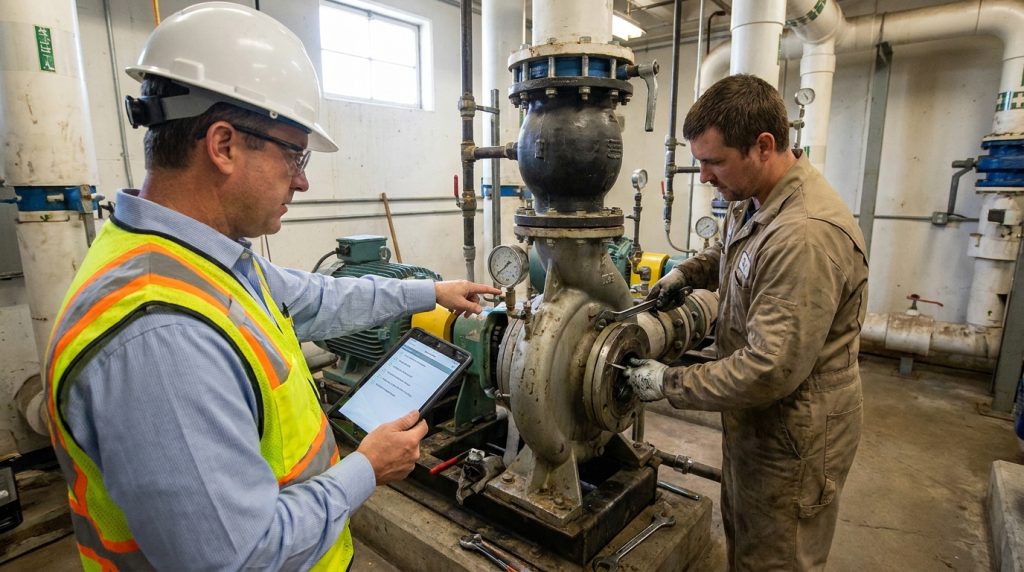
Keeping Your Facility Running Smoothly: An Essential Industrial Pump Maintenance Checklist
Imagine your facility. What keeps everything flowing, from water to crucial chemicals, to steam for your processes? Chances are, industrial pumps are working hard behind the scenes. These workhorses are vital, but like any machinery, they need regular attention to avoid breakdowns. As a facility manager, you know that unexpected downtime isn’t just inconvenient; it can be costly, impacting production, safety, and your bottom line. That’s where a solid industrial pump maintenance checklist comes in. It’s your roadmap to proactive care, ensuring your pumps operate efficiently and reliably for the long haul.
This isn’t about complex jargon or overwhelming technical manuals. It’s about practical, actionable steps you can take to keep your pumps in top condition. By implementing a consistent maintenance routine, you’ll catch small issues before they become big problems, extend the lifespan of your equipment, and ultimately save your facility significant time and money. Let’s dive into what you need to know to build a robust pump maintenance program.
For facility managers looking to enhance their operational efficiency, a comprehensive understanding of industrial pump maintenance is crucial. A related article that delves deeper into this topic can be found at CEM Industrial Supply Newsletter, which offers valuable insights and tips on maintaining various industrial equipment. This resource can serve as a useful supplement to the Industrial Pump Maintenance Checklist, ensuring that facility managers are well-equipped to manage their maintenance tasks effectively.
Understanding the Core Components and Their Functions
Before we get into the nitty-gritty of the checklist, it’s helpful to have a basic understanding of what makes an industrial pump tick. While there are many types of pumps, most share fundamental components that are critical to their operation. Focusing on these common elements will allow you to create a versatile checklist applicable to a wide range of pumps within your facility.
The Heart of the Matter: Impellers and Casings
At the core of most rotating industrial pumps is the impeller. Think of it as the spinning blade that imparts energy to the fluid, pushing it through the system. Its condition – whether it’s worn, damaged, or clogged – directly impacts the pump’s performance. The casing, or volute, is the outer shell that surrounds the impeller. It’s designed to collect the fluid discharged by the impeller and guide it towards the outlet. Cracks, corrosion, or blockages in the casing can also impede flow and cause inefficiency. Regular inspection of both the impeller and casing for signs of wear, erosion, or foreign material is paramount.
The Seal of Approval: Mechanical Seals and Packing
Preventing leaks is a primary function of a pump, and this is where seals come into play. Mechanical seals and packing are designed to create a barrier between the rotating shaft and the stationary pump casing. A worn or failing seal can lead to significant fluid loss, potential environmental hazards, and even damage to other pump components due to leakage. Checking for drips, excessive heat around the seal area, or visible wear on the seal faces are crucial inspection points. The type of seal will dictate the specific maintenance needs, but the overarching goal is always to maintain an effective barrier.
Keeping Things Moving: Bearings and Lubrication
Bearings are essential for smooth rotation of the pump shaft. They reduce friction and support the rotating assembly. Like any moving part, bearings require proper lubrication to prevent overheating and premature wear. The type and amount of lubricant are critical, as is the frequency of replenishment. Over-lubrication can be just as detrimental as under-lubrication. Listening for unusual noises like grinding or whining can indicate bearing issues. Monitoring bearing temperatures with an infrared thermometer can also provide early warnings of problems.
The Power Behind the Flow: Motors and Drive Systems
While not strictly part of the pump itself, the motor that drives it is intrinsically linked to its operation. Electric motors, engines, or even hydraulic drives all need to be in good working order. Checking motor mounts for stability, inspecting electrical connections for corrosion or damage, and ensuring the drive coupling between the motor and pump is properly aligned are all vital. Vibration analysis can be a powerful tool to detect motor imbalance or alignment issues before they cause significant problems.
Developing a Comprehensive Preventative Maintenance Schedule
A well-structured preventative maintenance schedule is the cornerstone of reliable pump operation. It’s about shifting from reactive repairs to proactive care. This means defining what needs to be done, how often, and by whom. A good schedule should be tailored to your specific pumps, their operating conditions, and the manufacturer’s recommendations.
Daily Checks: The Quick Scan for Immediate Concerns
These are the quick, visual inspections that can catch obvious problems right away. They don’t require extensive downtime or specialized tools and can be incorporated into existing rounds.
- Visual Inspection for Leaks: Walk around each pump and look for any signs of dripping, spraying, or pooling fluid. Pay close attention to seals, flanges, and any threaded connections.
- Listen for Unusual Noises: Listen to the pump while it’s running. Any new sounds like grinding, squealing, humming, or knocking could indicate a problem with bearings, seals, or the impeller.
- Check for Excessive Vibration: Place your hand on the pump housing or motor (carefully, of course) to feel for unusual vibrations. Excessive shaking can be a sign of imbalance or worn bearings.
- Monitor Temperature: Use an infrared thermometer to check the temperature of bearings and motor housings. Any significant increase above normal operating temperatures warrants further investigation.
- Review Operating Parameters: If your pumps have gauges or digital displays for pressure, flow rate, or amperage, quickly note these readings. A sudden drop or spike could signal an issue.
Weekly Inspections: A Deeper Dive into Performance
These checks build upon the daily observations and involve a slightly more detailed look at the pump’s performance and physical condition.
- Examine Sight Glasses and Gauges: Ensure all sight glasses are clear and that pressure and flow gauges are reading within their expected ranges.
- Inspect Lubrication Points: Check the level of lubricant in any reservoirs for bearings or gearboxes. Ensure there are no signs of leaks around these points.
- Verify Guarding and Safety Features: Make sure all safety guards are in place and secure, and that any emergency stop buttons are accessible and functional.
- Clean Exterior of Pump and Motor: Remove any dirt, debris, or accumulated material from the pump and motor. This improves visibility for inspections and helps with heat dissipation.
- Check for Proper Ventilation: Ensure the motor and pump housing have adequate airflow and are not obstructed by stored materials.
Monthly Maintenance: Scheduled Servicing and Detailed Checks
Monthly maintenance involves more in-depth checks and some basic servicing tasks that contribute to long-term reliability.
- Lubrication of Bearings and Other Components: Based on manufacturer recommendations, lubricate bearings and any other specified points. Use the correct type and amount of lubricant.
- Inspect Seals for Wear and Leaks: Even if no obvious drips are present, a closer inspection of mechanical seals or packing for signs of wear, glazing, or hardening is recommended.
- Check for Corrosion and Cavitation: Look for any signs of rust, corrosion, or pitting on the pump casing, impeller, or discharge piping.
- Test Pump Operation Under Load: If possible, observe the pump’s performance under its typical operating load to ensure it’s meeting required flow and pressure.
- Record Maintenance Activities: Document all inspections and maintenance performed, including any issues found and actions taken. This creates a valuable history for troubleshooting and trend analysis.
Quarterly and Annual Overhauls: Major Servicing and Component Replacement
These are the more significant maintenance intervals, often involving dismantling the pump for thorough cleaning, inspection, and potential replacement of worn parts.
- Disassemble and Clean Pump Internals: Dismantle the pump to clean the impeller, casing, and other internal components. Remove any accumulated debris, scale, or buildup.
- Inspect Impeller and Casing for Wear and Damage: Carefully examine the impeller for erosion, corrosion, or damage to the vanes. Inspect the casing for cracks, wear, or signs of cavitation.
- Check Bearings for Play and Wear: Remove bearings and inspect them for signs of wear, damage, or excessive play. Replace as necessary.
- Inspect and Replace Mechanical Seals or Packing: This is often the time to replace mechanical seals or repacking glands, especially if any wear was noted during more frequent inspections.
- Perform Alignment Checks: Re-check the alignment between the motor and pump shaft. Misalignment is a major cause of premature bearing and seal failure.
- Electrical Motor Inspection: Inspect the motor windings, bearings, and electrical connections. Consider a professional motor performance test.
- Vibration Analysis: Conduct a more detailed vibration analysis to identify any subtle issues that might not be apparent through manual checks.
- Replace Filters and Strainers: Clean or replace any filters or strainers in the suction line to ensure a clean fluid supply.
Implementing Best Practices for Equipment Longevity
Beyond a checklist, there are overarching best practices that significantly contribute to the longevity and efficiency of your industrial pumps. These practices focus on proper installation, operation, and a holistic approach to maintenance.
The Importance of Proper Installation and Commissioning
A pump is only as good as its installation. Mistakes made during this initial phase can lead to a lifetime of problems.
- Foundation and Baseplate Stability: Ensure the pump and motor are mounted on a solid, stable foundation. The baseplate should be rigid and free from warping.
- Alignment Accuracy: Precise alignment between the pump and motor shafts is critical. Even slight misalignment can cause vibration, stress on bearings and seals, and premature failure. Laser alignment tools are highly recommended.
- Piping Strain: Piping should be properly supported and not exert undue stress on the pump casing. Flexible connectors can help absorb minor misalignments and vibrations.
- Suction and Discharge Piping Design: Ensure piping is correctly sized to avoid excessive friction losses. Suction lines should be free of air pockets and designed to prevent cavitation.
- Correct Rotation Direction: Double-check that the pump is rotating in the correct direction before starting it. An incorrectly rotating pump will not move fluid effectively and can cause damage.
- Commissioning Tests: After installation, conduct thorough commissioning tests to verify performance against specifications, check for leaks, and monitor initial operating parameters.
Training and Skill Development for Your Maintenance Team
Your maintenance team is on the front lines of pump care. Investing in their training is an investment in your equipment’s reliability.
- Understanding Pump Types: Ensure your team understands the different types of pumps in your facility (centrifugal, positive displacement, etc.) and their unique operating principles and maintenance requirements.
- Manufacturer’s Guidelines: Train your team on how to interpret and follow manufacturer manuals, which provide specific recommendations for each pump model.
- Diagnostic Tools and Techniques: Equip your team with the knowledge and tools to perform basic diagnostics, such as using infrared thermometers, vibration analysis equipment, and leak detection methods.
- Lubrication Best Practices: Train on the proper selection, application, and storage of lubricants. Over-lubrication and using the wrong type of lubricant are common causes of failure.
- Seal and Packing Maintenance: Provide specific training on the installation, adjustment, and troubleshooting of mechanical seals and packing.
- Safety Procedures: Emphasize lockout/tagout procedures and other safety protocols relevant to pump maintenance.
Embracing Technology for Enhanced Monitoring and Predictive Maintenance
The digital age offers powerful tools to move beyond simple preventative maintenance and into the realm of predictive maintenance.
- Vibration Monitoring Systems: Continuous vibration monitoring can detect subtle changes that indicate bearing wear, imbalance, or misalignment long before they become critical issues.
- Temperature Sensors: Wireless temperature sensors on bearings and motor housings provide real-time data, alerting you to any overheating trends.
- Flow and Pressure Transmitters: Advanced sensors can continuously monitor flow rates and pressure, providing data that can be analyzed for performance degradation.
- Current Monitoring: Monitoring the amperage draw of the motor can indicate increased load due to wear or obstruction.
- Data Logging and Analysis Software: Implementing systems that log operational data allows for trend analysis. Identifying gradual changes in performance can predict potential failures.
- Remote Monitoring: For critical pumps, remote monitoring capabilities allow you to track performance from anywhere, enabling faster response times.
For facility managers looking to enhance their operational efficiency, understanding the intricacies of industrial pump maintenance is crucial. A well-structured maintenance checklist can significantly reduce downtime and extend the lifespan of equipment. Additionally, you might find it beneficial to explore related topics such as gearbox repair and builds, which can further optimize your machinery’s performance. For more information on this subject, check out this insightful article on gearbox repair.
Troubleshooting Common Pump Issues and Solutions
Even with the best maintenance, problems can arise. Knowing how to quickly diagnose and address common issues can minimize downtime and prevent further damage.
The Mystery of Reduced Flow or Pressure
This is one of the most common complaints. There are several culprits that could be at play.
- Clogged Suction Strainer or Filter: Debris in the fluid can block strainers or filters, restricting flow. This is often the easiest fix – simply clean or replace the strainer.
- Impeller Damage or Wear: A worn or damaged impeller will not be able to impart sufficient energy to the fluid, leading to reduced flow and pressure. This requires pump disassembly and impeller replacement.
- Air Leaks in the Suction Line: Air entering the suction line can cause cavitation and reduce the pump’s ability to create a vacuum, leading to poor performance. Inspect all suction connections for tightness.
- Cavitation: This occurs when vapor bubbles form and collapse within the pump. It’s often caused by insufficient suction head, high fluid temperatures, or restrictions in the suction line. Addressing the root cause is crucial.
- Worn Mechanical Seal or Packing: While primarily causing leaks, severe seal or packing issues can sometimes affect internal clearances, indirectly impacting flow.
- Incorrect Pump Speed or Motor Issues: Ensure the motor is running at the correct speed and that there are no electrical issues affecting motor performance.
The Frustration of Excessive Noise and Vibration
Unwanted sounds and shaking are clear indicators that something is amiss.
- Worn Bearings: Grinding, squealing, or humming noises often point to worn or damaged bearings. Excessive vibration is a common symptom. Lubrication issues or contamination can accelerate bearing wear.
- Imbalance: An unbalanced impeller or shaft can cause significant vibration, particularly at higher speeds. This often requires dynamic balancing or replacement of the unbalanced component.
- Misalignment: As mentioned before, misalignment between the pump and motor shafts is a major contributor to vibration. Re-alignment is essential.
- Cavitation: While primarily affecting flow, cavitation can also create a knocking or rumbling sound.
- Loose Components: Check for any loose bolts, mounting hardware, or guards that could be vibrating.
- Foreign Objects: Debris lodged within the pump casing or impeller can cause noise and vibration.
The Persistent Problem of Leaks
Leaks not only waste fluid but can also create safety hazards and lead to secondary damage.
- Worn Mechanical Seal or Packing: This is the most common cause of leaks. Inspect the seal faces for damage, glazing, or wear. For packing, check for excessive gland follower tightness or wear on the shaft sleeve.
- Damaged O-rings or Gaskets: Inspect all O-rings and gaskets at flange connections, housing seals, and between components for signs of cracking, hardening, or compression set.
- Cracked Pump Casing or Housing: While less common, a cracked casing will obviously lead to leaks. This usually indicates a significant mechanical failure or thermal shock.
- Loose Connections: Ensure all threaded connections, pipe flanges, and bolts are properly tightened.
- Improper Seal Installation: Incorrect installation of a mechanical seal or packing can lead to immediate or premature leakage.
Creating and Maintaining Your Facility’s Pump Maintenance Records
A detailed and well-organized record-keeping system is not just about ticking boxes; it’s about building a valuable historical resource that informs future decisions and ensures continuous improvement.
What to Include in Your Pump Maintenance Log
Think of your maintenance log as the pump’s medical chart. The more comprehensive and accurate the information, the better you can understand its health and predict its needs.
- Pump Identification: Unique identifier for each pump (e.g., serial number, asset tag, location).
- Pump Specifications: Manufacturer, model number, capacity, head, motor horsepower, and any other relevant technical details.
- Installation Date: When the pump was first put into service.
- Routine Inspection Details: Date of inspection, who performed it, and findings (e.g., “no leaks observed,” “slight bearing noise noted”).
- Maintenance Performed: Detailed description of all maintenance activities, including lubrication (type, amount, date), seal replacements (type of seal, date), bearing replacements (type of bearing, date), and cleaning.
- Repair History: Dates of any repairs, the nature of the problem, parts replaced, and the technician who performed the work.
- Troubleshooting Notes: Records of issues encountered, diagnostic steps taken, and the eventual resolution.
- Operating Parameters: Key readings like pressure, flow, amperage, and temperature at various intervals.
- Parts Inventory: List of spare parts on hand for each pump model, including quantities and reorder points.
- Manufacturer Recommendations: Notes on specific maintenance intervals or procedures recommended by the pump manufacturer.
Leveraging Data for Predictive and Proactive Maintenance Strategies
The real power of a good record-keeping system lies in its ability to inform your maintenance strategy.
- Identifying Recurring Problems: By analyzing the repair history, you can identify pumps or components that have a history of repeated failures. This might indicate a need for a more robust solution, a change in operating conditions, or a higher quality replacement part.
- Optimizing Maintenance Intervals: Historical data on parts replacement and performance trends can help you fine-tune your preventative maintenance schedules. If bearings on a particular pump consistently last longer than the recommended interval, you might adjust your schedule accordingly, freeing up resources. Conversely, if seals are failing prematurely, you might need to investigate the cause or increase inspection frequency.
- Forecasting Future Needs: Analyzing trends in parts usage and repair history can help you forecast future maintenance needs and budget accordingly for parts and labor.
- Improving Troubleshooting Efficiency: When a new problem arises, referring to the pump’s maintenance history can provide valuable clues about potential causes and previous solutions.
- Evaluating Equipment Performance: Over time, you can use the data to assess the overall reliability and performance of different pump models or brands in your facility. This can inform future purchasing decisions.
- Justifying Investment: Well-documented maintenance records can be used to justify investments in new equipment, upgrades, or additional training for your maintenance staff by demonstrating the costs associated with breakdowns and inefficient operations.
Ensuring Data Accuracy and Accessibility
The best data is useless if it’s inaccurate or inaccessible to the people who need it.
- Standardized Forms and Procedures: Use standardized forms for inspections and maintenance reports to ensure consistency in the information collected. Train your team on the proper way to fill them out.
- Digital Record-Keeping: Consider implementing a Computerized Maintenance Management System (CMMS) or a robust digital spreadsheet system. This makes data entry easier, facilitates searching and analysis, and allows for better accessibility.
- Regular Data Audits: Periodically review your records to ensure accuracy and completeness.
- Secure Storage and Backup: Ensure your maintenance records are stored securely and backed up regularly to prevent data loss.
- Team Access and Training: Make sure the relevant maintenance personnel have access to the system and are trained on how to use it effectively.
By diligently maintaining these records, you transform pump maintenance from a routine chore into a strategic advantage, ensuring your facility’s operations remain robust and efficient.