
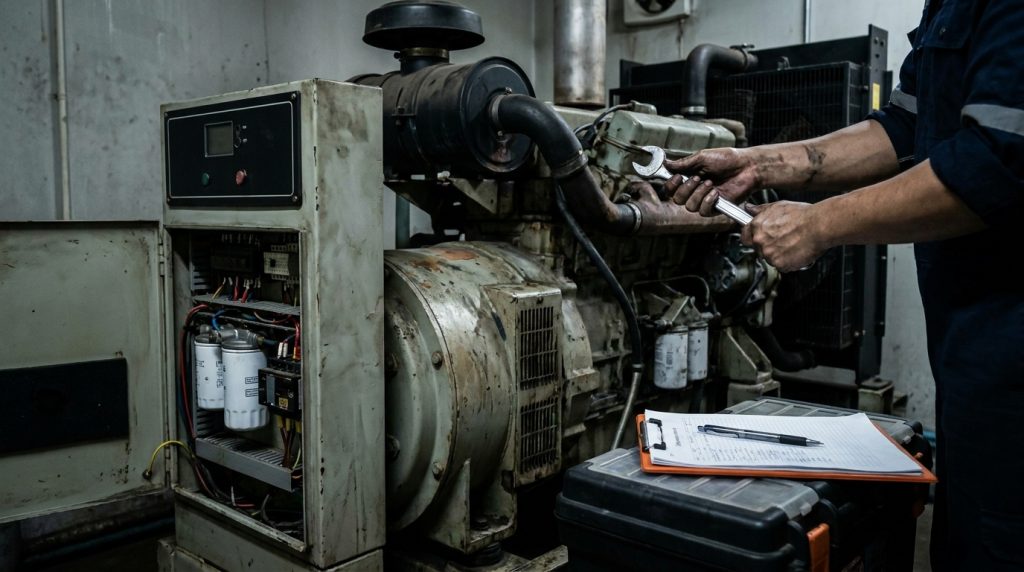
A generator is one of those assets you hope you do not need every day—but when you do need it, it must start immediately, carry the load safely, and run without interruption. Whether you maintain a standby generator for a facility in Coldwater, a farm in Branch County, a municipal building, a machine shop, or a commercial property in Southern Michigan, a disciplined generator maintenance checklist is the difference between reliable backup power and costly downtime.
As industrial equipment specialists, the team at CEM Industrial Supply understands the practical side of maintaining generators in real working environments: dust, vibration, seasonal temperature swings, fuel degradation, battery failures, loose connections, and operators who may only interact with the unit during an outage. This guide provides a complete generator maintenance checklist you can use to build a preventive maintenance routine, improve safety, and extend equipment life.
Backup power systems protect more than lights and convenience. In many facilities, generators support production equipment, sump pumps, refrigeration, security systems, communications, HVAC, emergency lighting, servers, and critical safety systems.
A neglected generator can fail for simple reasons:
- Weak or dead battery
- Stale diesel or gasoline
- Low coolant or oil
- Plugged air or fuel filters
- Rodent-damaged wiring
- Corroded terminals
- Faulty transfer switch
- Overloaded circuits
- Blocked ventilation
- Contaminated fuel tank
In Southern Michigan, seasonal conditions add another layer of risk. Cold winters can thicken oil, reduce battery performance, and cause fuel gelling in diesel systems. Humid summers can contribute to corrosion, condensation, and fuel tank moisture. Facilities in Coldwater and throughout Branch County should plan generator maintenance around both operating hours and seasonal changes.
The Cost of Skipping Preventive Maintenance
Generator failure rarely happens at a convenient time. During a storm, utility outage, or production interruption, a non-starting generator can lead to:
- Lost production time
- Spoiled inventory
- Equipment damage from power interruptions
- Safety hazards for employees
- Emergency repair costs
- Compliance problems in regulated facilities
- Customer service interruptions
Preventive maintenance is almost always less expensive than emergency service. A structured generator maintenance checklist also helps maintenance teams document inspections, track recurring issues, and plan parts replacement before failures occur.
Standby vs. Portable Generator Maintenance
The maintenance principles are similar, but the frequency and inspection points vary.
| Generator Type | Common Use | Key Maintenance Focus |
||||
| Standby generator | Commercial buildings, industrial plants, farms, municipal facilities | Automatic transfer switch, battery charger, enclosure condition, fuel supply, weekly/monthly exercise cycles |
| Portable generator | Jobsites, temporary power, small shops, emergency use | Fuel freshness, cord condition, air filter, oil level, safe placement, manual starting system |
| Diesel generator | Industrial backup power, high-load applications | Fuel quality, coolant, block heater, fuel filters, load testing |
| Natural gas/propane generator | Commercial standby systems | Gas supply pressure, regulator condition, ignition system, battery, transfer switch |
| Gasoline generator | Portable and light commercial use | Carburetor condition, fuel stabilizer, spark plug, storage procedures |
CEM Industrial Supply can support maintenance teams with commonly needed industrial supplies such as lubricants, filters, batteries, electrical supplies, hand tools, cleaning products, PPE, spill control products, and shop maintenance essentials.
For those interested in ensuring the longevity and efficiency of their generators, it’s essential to follow a comprehensive Generator Maintenance Checklist. This checklist not only helps in identifying potential issues before they escalate but also ensures that your equipment operates at peak performance. To further enhance your understanding of maintenance practices, you may find the article on preventing failures in farm duty motors particularly insightful, as it discusses how to protect your machinery from dust, moisture, and rodents, which can be critical factors in generator upkeep.
Generator Maintenance Checklist by Frequency
The best generator maintenance program is built around time intervals, running hours, operating conditions, and manufacturer recommendations. Always follow your equipment manual first. The checklist below is a practical framework for commercial, industrial, agricultural, and facility maintenance teams.
Daily or Pre-Use Generator Checklist
Use this checklist before starting a portable generator or before relying on a standby unit during severe weather.
- Check engine oil level
- Check coolant level if liquid-cooled
- Inspect fuel level and fuel condition
- Look for visible leaks under the generator
- Confirm battery terminals are tight and clean
- Inspect belts and hoses for cracks or looseness
- Make sure air intake and exhaust areas are clear
- Check generator enclosure for debris, snow, ice, leaves, or nesting material
- Verify emergency stop switch is in the proper position
- Confirm all guards and panels are secure
- Inspect power cords, plugs, and receptacles on portable units
- Confirm the unit is properly grounded according to manufacturer and code requirements
- Review control panel for alarms or warning lights
For facilities in Coldwater and Branch County, it is smart to perform a pre-storm inspection when severe weather is forecast. High winds, ice, and thunderstorms can create outages with little warning.
Weekly Generator Maintenance Checklist
Weekly checks are especially important for standby generators that may sit idle for long periods.
- Run the generator under exercise mode if recommended
- Listen for abnormal vibration, knocking, misfire, or surging
- Check for warning alarms on the control panel
- Inspect battery charger operation
- Verify block heater operation in cold weather
- Check fuel level
- Inspect around the generator for pests, debris, or water accumulation
- Confirm louvers and ventilation openings are unobstructed
- Inspect exhaust system for damage or loose components
- Record runtime hours and any abnormalities
A weekly generator exercise cycle helps circulate oil, charge the battery, identify starting problems, and keep internal components lubricated. However, exercising the generator without load is not a complete substitute for periodic load testing.
Monthly Generator Maintenance Checklist
Monthly inspections should be more thorough and documented.
- Inspect oil level and oil condition
- Inspect coolant level, coolant condition, and hoses
- Check radiator fins and clean debris as needed
- Inspect air filter and intake path
- Inspect fuel filter and fuel lines
- Test battery voltage and inspect electrolyte level if applicable
- Clean corrosion from terminals
- Check belt tension and wear
- Inspect wiring for loose connections, abrasion, or rodent damage
- Verify transfer switch status and enclosure condition
- Test alarms and indicator lights
- Inspect mounting hardware and vibration isolators
- Check for signs of fluid leaks
- Inspect grounding connections
- Confirm maintenance supplies and spare parts are available
Keep a generator maintenance log with date, technician name, runtime hours, readings, parts used, and notes. This documentation is valuable for warranty support, compliance, troubleshooting, and long-term asset planning.
Quarterly or Semiannual Generator Maintenance Checklist
Every three to six months, maintenance should go deeper.
- Change engine oil if required by hours or time interval
- Replace oil filter as needed
- Inspect and replace air filter if dirty
- Inspect fuel filter and water separator
- Drain water from diesel fuel separator
- Test coolant freeze protection and additive condition
- Inspect radiator cap and pressure system
- Inspect spark plugs on gasoline or gaseous fuel engines
- Test battery under load
- Inspect alternator and charging output
- Verify transfer switch operation
- Inspect exhaust piping and insulation
- Check engine mounts and fasteners
- Clean generator exterior and surrounding area
- Inspect weatherproof seals and enclosure hardware
For diesel generators in Southern Michigan, fuel quality deserves special attention before winter. Diesel fuel can gel in low temperatures, and water contamination can freeze. Use appropriate cold-weather fuel management products and keep filters in good condition.
Annual Generator Maintenance Checklist
At least once per year, schedule a complete generator inspection and service.
- Perform full oil and filter change
- Replace fuel filters
- Replace air filter if required
- Replace coolant or test and service cooling system according to manufacturer interval
- Inspect and test thermostat
- Inspect water pump condition
- Inspect hoses and clamps
- Test battery capacity and replace if weak
- Inspect starter motor and solenoid
- Inspect alternator and voltage regulator
- Perform load bank testing if applicable
- Test automatic transfer switch operation
- Inspect all electrical connections with proper lockout/tagout procedures
- Check generator output voltage and frequency
- Inspect engine governor response
- Review alarm history and maintenance log
- Update spare parts inventory
- Review safety signage and operating procedures
Annual service is also a good time to review whether the generator is still properly sized for your facility. If your business has added equipment, refrigeration, HVAC loads, or production machinery, your backup power requirements may have changed.
Engine, Fuel, and Lubrication Maintenance
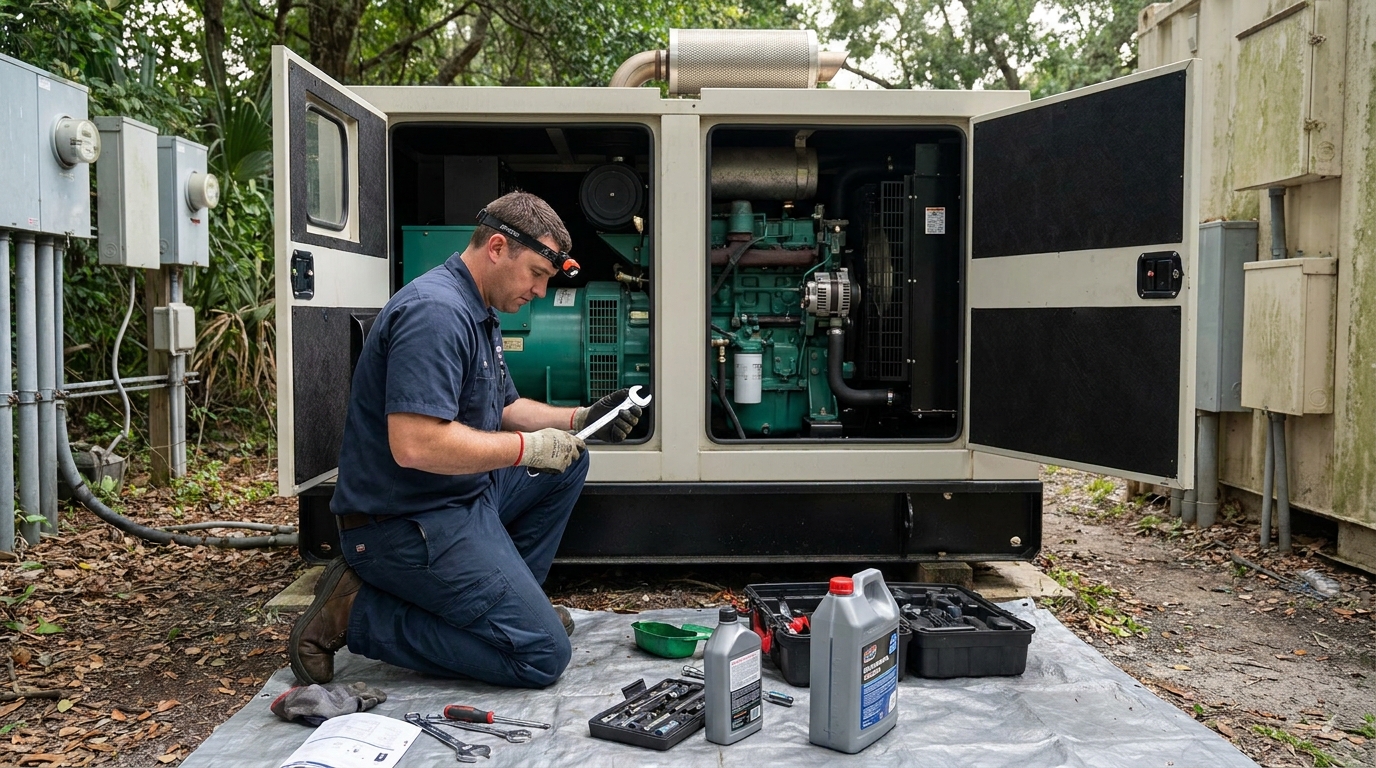
The engine is the heart of the generator. Most generator failures trace back to fuel, lubrication, cooling, or starting problems. A systematic inspection prevents small issues from becoming major repairs.
Oil Level and Oil Change Best Practices
Oil lubricates moving parts, helps manage heat, and protects internal engine surfaces. Low oil, contaminated oil, or the wrong oil viscosity can cause rapid engine wear.
Best practices include:
- Check oil before running the generator
- Use the manufacturer-recommended oil type and viscosity
- Change oil at the recommended hour interval
- Replace the oil filter whenever required
- Inspect used oil for metal particles, fuel dilution, or coolant contamination
- Keep extra oil and filters in your maintenance inventory
Cold-weather operation in Michigan may require oil viscosity suitable for low temperatures. Always verify the generator manufacturer’s specifications before changing products.
Fuel System Inspection
Fuel problems are among the most common causes of generator failure. Gasoline can degrade, diesel can grow microbial contamination, and moisture can enter tanks through condensation.
Checklist for fuel system care:
- Keep fuel tanks at proper levels
- Inspect fuel lines for cracks, leaks, or abrasion
- Replace fuel filters on schedule
- Drain water separators on diesel units
- Use fuel stabilizer for stored gasoline
- Test diesel fuel quality if the generator sits for long periods
- Keep fuel caps sealed
- Check for rust, sludge, or sediment in storage tanks
- Maintain proper labeling and safe storage of fuel containers
For facilities in Branch County with farm, shop, or outdoor storage conditions, keep fuel storage areas clean and protected from water intrusion. Fuel contamination can shut down a generator even when every mechanical component is in good condition.
Air Filter and Intake Maintenance
Engines need clean air to run efficiently. Dusty warehouses, gravel yards, agricultural properties, and construction environments can clog filters quickly.
Inspect the air system for:
- Dirty or restricted air filters
- Loose intake clamps
- Cracked intake hoses
- Debris near intake openings
- Rodent nesting material
- Oil contamination in the air filter housing
Do not operate a generator without an air filter. Fine dust can damage internal engine components and reduce service life.
Spark Plugs and Ignition Components
Gasoline, propane, and natural gas generators rely on ignition components. Hard starting, rough running, and misfires may indicate worn spark plugs or ignition issues.
Maintenance tips:
- Inspect spark plugs for fouling or wear
- Replace plugs at manufacturer intervals
- Check plug gap according to specifications
- Inspect ignition wires and coils
- Keep moisture away from ignition components
- Use anti-seize or dielectric grease only when recommended
Please visit our latest post at https://cemindustrialsupply.com/news/ for more information.
Cooling System and Exhaust Maintenance
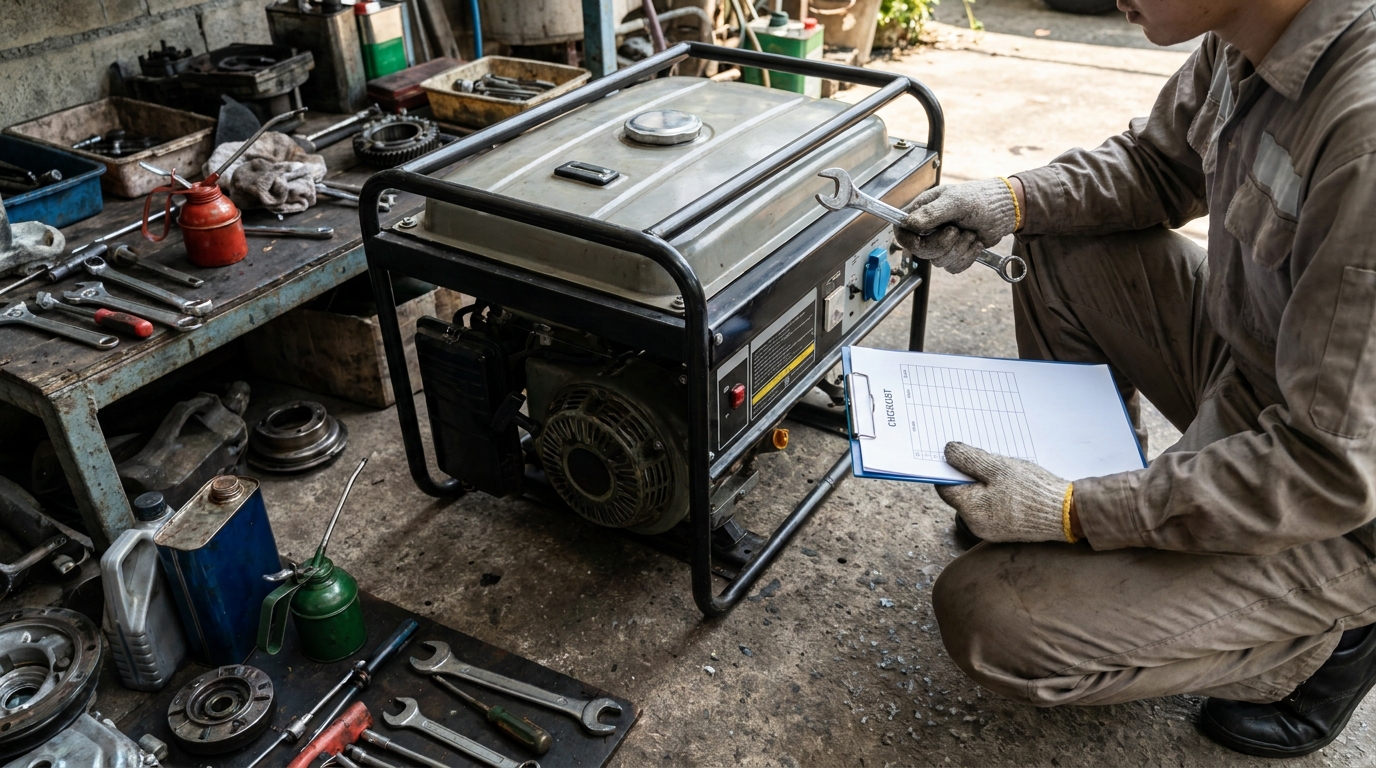
Generators create substantial heat. A cooling system failure can cause shutdowns, engine damage, or fire hazards. Exhaust issues can also create dangerous carbon monoxide exposure.
Coolant Level and Condition
Liquid-cooled generators require proper coolant level, freeze protection, and corrosion protection.
Cooling system checklist:
- Check coolant level when engine is cool
- Inspect coolant color and clarity
- Test freeze protection before winter
- Inspect radiator, hoses, clamps, and water pump
- Look for white residue, staining, or wet areas that indicate leaks
- Clean radiator fins with care
- Confirm coolant recovery tank level
- Replace coolant according to manufacturer schedule
Never remove a radiator cap from a hot engine. Pressurized coolant can cause severe burns.
Belt, Hose, and Radiator Inspection
Belts and hoses age from heat, vibration, and chemical exposure.
Look for:
- Cracks
- Soft spots
- Bulges
- Glazing
- Fraying
- Loose clamps
- Misalignment
- Coolant seepage
Keep replacement belts and hoses available for critical generators. CEM Industrial Supply can help maintenance teams source general MRO supplies, tools, clamps, fluids, and related shop essentials to support planned maintenance.
Exhaust System Safety
Exhaust must be routed safely away from people, doors, windows, vents, and air intakes.
Inspect for:
- Loose exhaust connections
- Rusted or cracked piping
- Damaged mufflers
- Missing rain caps
- Heat damage near combustible materials
- Exhaust leaks inside enclosures
- Carbon buildup
Portable generators should never be operated indoors, in garages, in loading bays, or near open doors. Carbon monoxide is odorless and can be fatal.
When it comes to ensuring the longevity and efficiency of your equipment, having a comprehensive generator maintenance checklist is essential. Regular maintenance not only helps in identifying potential issues before they escalate but also enhances the overall performance of the generator. For those interested in related topics, you might find valuable insights in an article about the top retaining wall repair contractors in Southern Michigan, which discusses the importance of maintaining structural integrity in various projects. You can read more about it here.
Battery, Electrical, and Transfer Switch Maintenance
Many standby generators fail because the battery cannot crank the engine. Electrical issues can also prevent proper power transfer, even if the engine runs perfectly.
Battery Inspection and Testing
A generator battery may sit for months while exposed to temperature changes. Cold weather reduces battery capacity, which is especially important in Southern Michigan winters.
Battery checklist:
- Inspect terminals for corrosion
- Confirm connections are tight
- Check battery voltage
- Load test battery periodically
- Inspect battery case for swelling or cracks
- Check electrolyte level if serviceable
- Verify battery charger operation
- Confirm charger wiring is secure
- Replace batteries before end-of-life failure
As a practical rule, do not wait until a generator battery fails to replace it. For critical standby power, proactive battery replacement is inexpensive insurance.
Electrical Connections and Controls
Vibration can loosen connections over time. Moisture and corrosion can also degrade electrical reliability.
Inspect:
- Control panel alarms
- Wiring harnesses
- Grounding connections
- Conduit and fittings
- Breakers and disconnects
- Voltage and frequency output
- Sensors and safety switches
- Rodent damage
- Enclosure seals
Electrical work should be performed by qualified personnel following lockout/tagout procedures and applicable codes.
Automatic Transfer Switch Maintenance
The automatic transfer switch, or ATS, is what allows a standby generator to supply power when utility power fails. A generator can start and run, but if the transfer switch does not operate correctly, your facility may still be without power.
ATS maintenance includes:
- Visual inspection for dust, moisture, corrosion, or overheating
- Checking control wiring and connections
- Testing transfer operation
- Inspecting contact condition
- Verifying utility sensing
- Confirming generator start signal
- Reviewing maintenance logs and alarms
Do not overlook the transfer switch. It is one of the most important components in a backup power system.
When it comes to ensuring the longevity and efficiency of your equipment, a comprehensive Generator Maintenance Checklist is essential. Regular maintenance not only helps in identifying potential issues early but also enhances the overall performance of your generator. For those interested in understanding the materials that can impact various industrial applications, you might find it helpful to explore this article on abrasive grains, which discusses the differences between zirconia, ceramic, and aluminum oxide. You can read more about it here.
Generator Load Testing and Exercise Schedule
Starting a generator is not the same as proving it can carry the required load. Load testing verifies performance under realistic operating conditions.
Why Load Testing Is Important
A generator that only runs unloaded may develop wet stacking in diesel engines, carbon buildup, poor combustion, and unproven electrical output. Load testing helps identify:
- Weak voltage regulation
- Cooling system problems
- Fuel restriction
- Exhaust issues
- Overheating
- Poor governor response
- Transfer switch problems
- Insufficient capacity for current facility loads
For commercial and industrial facilities in Coldwater, Quincy, Bronson, Union City, and surrounding Branch County communities, load testing is a smart part of emergency preparedness.
Exercise Schedule Recommendations
Follow manufacturer guidance, but a typical schedule may include:
| Task | Typical Frequency | Notes |
||:||
| Visual inspection | Weekly | Check leaks, alarms, battery, debris |
| No-load exercise | Weekly or biweekly | Use manufacturer exercise cycle |
| Loaded exercise | Monthly or quarterly | Helps verify real performance |
| Oil and filter service | Annually or by hours | More often in severe service |
| Fuel filter replacement | Annually or by hours | Critical for diesel units |
| Battery load test | Semiannual or annual | Replace weak batteries early |
| Transfer switch test | Annual | Use qualified personnel |
| Load bank test | Annual or as required | Especially important for critical loads |
Signs Your Generator Needs Immediate Service
Do not ignore warning signs. Schedule inspection if you notice:
- Hard starting or failure to start
- Excessive smoke
- Rough running
- Low oil pressure alarm
- High coolant temperature alarm
- Fuel leaks
- Coolant leaks
- Burning smell
- Voltage fluctuations
- Unusual vibration
- Repeated breaker trips
- Battery charger fault
- Transfer switch failure
- Unexplained shutdowns
Seasonal Generator Maintenance for Coldwater and Southern Michigan
Michigan weather creates unique maintenance demands. A generator that worked well in July may struggle in January if it is not prepared for cold weather.
Fall and Winter Generator Checklist
Before freezing temperatures arrive:
- Test battery capacity
- Confirm battery charger operation
- Check block heater operation
- Test coolant freeze protection
- Inspect belts and hoses
- Verify oil viscosity is appropriate
- Inspect diesel fuel for water or contamination
- Use winter-grade diesel or anti-gel products where appropriate
- Clear leaves and debris from enclosure
- Confirm snow removal plan around generator
- Inspect exhaust discharge area
- Check enclosure door seals and latches
- Run the generator under load if possible
Keep snow and ice away from air intake and exhaust openings. A generator needs proper airflow to operate safely.
Spring and Summer Generator Checklist
After winter and before storm season:
- Inspect for corrosion from snow, salt, and moisture
- Clean enclosure and surrounding area
- Check for rodent nests or chewed wiring
- Inspect radiator and cooling airflow
- Test coolant condition
- Inspect fuel system
- Check oil and replace if due
- Test transfer switch
- Verify ventilation
- Review storm preparedness plan
Summer storms in Southern Michigan can cause sudden outages. Preparing your generator in spring reduces emergency risk.
Generator Storage Tips for Portable Units
Portable generators need proper storage between uses.
- Drain fuel or use stabilizer according to manufacturer guidance
- Run carburetor dry if recommended
- Change oil before long-term storage
- Clean exterior surfaces
- Store in a dry, ventilated location
- Protect outlets from dust and moisture
- Keep cords organized and inspected
- Store fuel safely in approved containers
- Keep the owner’s manual with the unit
Never store a portable generator immediately after use in an enclosed area while it is hot. Allow it to cool safely.
Generator Safety Checklist for Operators and Maintenance Teams
Generator maintenance must be performed safely. Electricity, fuel, hot surfaces, moving parts, exhaust, and stored energy all create hazards.
Personal Protective Equipment
Depending on the task, PPE may include:
- Safety glasses
- Work gloves
- Hearing protection
- Steel-toe boots
- Arc-rated PPE for electrical work
- Chemical-resistant gloves for fuel and coolant handling
- High-visibility clothing for outdoor or roadside work
CEM Industrial Supply provides industrial safety and maintenance supplies that can help local teams stay prepared, including PPE, spill control products, tools, and shop essentials.
Lockout/Tagout and Electrical Safety
Before servicing electrical components:
- Follow facility lockout/tagout procedures
- De-energize equipment where required
- Verify absence of voltage
- Use qualified electrical personnel
- Keep panels closed unless inspection is required
- Do not bypass safety interlocks
- Follow NFPA, OSHA, NEC, and local requirements as applicable
Generator systems can backfeed power and create lethal hazards. Transfer switch and electrical service work should not be treated casually.
Fuel Handling and Fire Prevention
Fuel safety checklist:
- Store fuel in approved containers
- Keep fuel away from ignition sources
- Clean spills immediately
- Use spill containment supplies
- Keep fire extinguishers accessible
- Do not refuel a hot running portable generator
- Inspect fuel hoses and fittings
- Maintain good ventilation
- Label fuel types clearly
A simple fuel spill can become a major safety incident if it reaches hot exhaust components or electrical sources.
Carbon Monoxide Safety
Carbon monoxide exposure is one of the most serious generator hazards.
- Never run portable generators indoors
- Keep generators away from windows, doors, vents, and air intakes
- Install carbon monoxide detectors where appropriate
- Inspect exhaust systems regularly
- Train operators on CO risks
- Do not assume open doors provide enough ventilation
If anyone experiences headache, dizziness, nausea, confusion, or weakness near a running generator, move to fresh air immediately and seek medical help.
Generator Maintenance Supplies Buying Guide
Having the right supplies on hand makes maintenance faster and more consistent. A generator that needs an oil filter during an outage is not truly ready.
Essential Generator Maintenance Supplies
Keep a dedicated generator maintenance kit that includes:
- Engine oil
- Oil filters
- Fuel filters
- Air filters
- Coolant
- Spark plugs if applicable
- Battery terminal cleaner
- Dielectric grease
- Replacement belts
- Hose clamps
- Shop towels
- Absorbent pads
- Funnel and drain pan
- Fuel stabilizer
- Diesel anti-gel if applicable
- Basic hand tools
- Multimeter
- Battery tester
- Flashlight or work light
- Inspection mirror
- Maintenance log sheets
- PPE
CEM Industrial Supply is a practical source for many of the products maintenance departments use every day, from MRO supplies and hand tools to safety products, electrical supplies, abrasives, lubricants, and facility maintenance essentials.
Choosing the Right Oil, Filters, and Fluids
When buying generator maintenance products, verify:
- Generator make and model
- Engine model
- Fuel type
- Oil viscosity requirement
- Filter part numbers
- Coolant type
- Service interval
- Ambient operating temperature
- Warranty requirements
Do not rely on “close enough” filters or fluids. Incorrect products can reduce performance or cause damage.
Spare Parts Inventory for Critical Generators
For critical facilities, consider keeping:
| Spare Part or Supply | Why It Matters |
|||
| Oil filter | Required for scheduled oil service |
| Fuel filter | Common cause of shutdowns when clogged |
| Air filter | Protects engine from dust and debris |
| Battery | Prevents no-start condition |
| Belts | Small part that can disable cooling/charging |
| Coolant | Needed for leak response and service |
| Engine oil | Essential for top-off and service |
| Fuses | Quick fix for certain control issues |
| Hose clamps | Useful for leak repairs |
| Absorbents | Required for safe spill cleanup |
The more critical the load, the more important it is to keep parts available locally. For facilities in Coldwater, Branch County, and Southern Michigan, reducing lead time can be a major advantage during regional outages.
Sample Generator Maintenance Log Template
A written log helps prove that maintenance was completed and provides a history for troubleshooting.
Basic Maintenance Log Fields
Use a form or digital record with the following:
- Date
- Technician name
- Generator make/model
- Serial number
- Runtime hours
- Oil level
- Coolant level
- Fuel level
- Battery voltage
- Exercise run completed: yes/no
- Load test completed: yes/no
- Alarms present
- Leaks found
- Parts replaced
- Corrective actions needed
- Next service date
Example Checklist Format
| Inspection Item | OK | Needs Service | Notes |
||:|:||
| Oil level checked | ☐ | ☐ | |
| Coolant level checked | ☐ | ☐ | |
| Fuel level checked | ☐ | ☐ | |
| Battery tested | ☐ | ☐ | |
| Air filter inspected | ☐ | ☐ | |
| Belts and hoses inspected | ☐ | ☐ | |
| Leaks checked | ☐ | ☐ | |
| Control panel alarms reviewed | ☐ | ☐ | |
| Transfer switch inspected | ☐ | ☐ | |
| Generator exercised | ☐ | ☐ | |
| Area cleaned | ☐ | ☐ | |
Recordkeeping Tips
- Keep logs near the generator or in your CMMS
- Record actual readings, not just check marks
- Photograph recurring issues
- Track parts used
- Schedule follow-up repairs immediately
- Review logs before storm season and winter
Good records help maintenance managers identify trends, justify replacement decisions, and improve uptime.
Common Generator Maintenance Mistakes to Avoid
Even experienced teams can overlook basics. Avoid these common problems.
Running Without Load Too Often
Exercise cycles are helpful, but diesel generators need periodic loaded operation to reach proper temperature and burn fuel efficiently.
Forgetting the Battery
The engine, fuel tank, and transfer switch may all be ready, but a weak battery can stop the entire system.
Ignoring Fuel Quality
Fuel can degrade while the generator sits unused. Keep fuel clean, dry, and treated when needed.
Blocking Ventilation
Snow, pallets, weeds, debris, or storage items near a generator can restrict airflow and cause overheating.
Skipping Transfer Switch Testing
A generator that runs but does not transfer power still leaves your facility exposed.
Using Incorrect Parts
Wrong filters, fluids, spark plugs, or belts can create reliability problems. Match parts to the specific generator and engine.
Not Training Operators
During an outage, employees may be under pressure. Clear procedures reduce mistakes and improve safety.
Quick Reference: Complete Generator Maintenance Checklist
Use this condensed checklist for routine inspections.
Visual Inspection
- Area clear of debris
- Enclosure secure
- No leaks
- No corrosion
- No rodent damage
- Air intake clear
- Exhaust clear
- Mounting hardware secure
Engine
- Oil level correct
- Oil condition acceptable
- Oil filter service current
- Belts in good condition
- Hoses in good condition
- Air filter clean
- Spark plugs serviced if applicable
Fuel System
- Fuel level adequate
- Fuel condition acceptable
- Fuel lines secure
- Fuel filters current
- No water in separator
- No fuel leaks
- Fuel storage safe
Cooling System
- Coolant level correct
- Freeze protection verified
- Radiator clean
- Fan operating
- Hoses and clamps secure
- No overheating alarms
Battery and Electrical
- Battery voltage acceptable
- Terminals clean
- Charger working
- Wiring secure
- Grounding intact
- Control panel normal
- No active alarms
Load and Transfer
- Exercise test completed
- Load test scheduled
- Transfer switch inspected
- Voltage and frequency stable
- Breakers normal
- Critical loads reviewed
Safety
- PPE available
- Fire extinguisher accessible
- Spill supplies available
- CO hazards controlled
- Lockout/tagout followed
- Operators trained
FAQs About Generator Maintenance Checklist
How often should a generator be maintained?
Most standby generators should be visually inspected weekly, exercised weekly or biweekly, checked more thoroughly monthly, and professionally serviced at least annually or according to runtime hours. Portable generators should be checked before each use and serviced based on hours and storage conditions.
What is the most common reason a generator will not start?
The most common causes are weak batteries, stale fuel, low oil shutdown, clogged fuel filters, and poor electrical connections. For standby units, battery and charger problems are especially common.
Should I run my generator every month?
Yes, most generators benefit from regular exercise. Many standby generators are programmed for automatic weekly or biweekly exercise. However, periodic loaded operation is also important, especially for diesel generators.
How long can fuel sit in a generator?
It depends on the fuel type and storage conditions. Gasoline can begin degrading in a few months without stabilizer. Diesel can last longer but may develop water contamination, microbial growth, or sludge. Fuel quality should be part of your generator maintenance checklist.
Do generators need load testing?
Yes, especially commercial, industrial, and critical standby generators. Load testing confirms that the generator can support real electrical demand and helps identify fuel, cooling, and voltage regulation issues.
What maintenance does a diesel generator need?
Diesel generator maintenance includes oil and filter changes, fuel filter replacement, water separator draining, coolant testing, battery testing, belt and hose inspection, exhaust inspection, load testing, and fuel quality management.
Can I service a generator myself?
Basic visual checks, oil level checks, cleaning, and simple filter changes may be handled by trained maintenance staff if allowed by the manufacturer and your facility policy. Electrical work, transfer switch testing, and complex repairs should be performed by qualified personnel.
What supplies should I keep for emergency generator maintenance?
Keep oil, filters, coolant, fuel treatment, battery service tools, belts, clamps, fuses, absorbents, PPE, flashlights, hand tools, and a maintenance log. Facilities in Coldwater and Branch County should also prepare for winter conditions with battery checks, coolant testing, and diesel anti-gel products where appropriate.
How do I know if my generator battery is bad?
Signs include slow cranking, failure to start, low voltage, charger faults, corrosion, swelling, or failing a load test. If the battery is near the end of its expected life, replace it proactively.
Where can Southern Michigan facilities get generator maintenance supplies?
CEM Industrial Supply supports maintenance teams in Coldwater, Branch County, and Southern Michigan with industrial supplies commonly used for generator upkeep, including tools, lubricants, filters, electrical supplies, batteries, PPE, absorbents, and facility maintenance products. Contact CEM Industrial Supply for product availability and support for your maintenance program.
FAQs
What is a generator maintenance checklist?
A generator maintenance checklist is a list of tasks and inspections that need to be performed regularly to ensure the proper functioning and longevity of a generator.
Why is generator maintenance important?
Generator maintenance is important to ensure that the generator operates efficiently and reliably when needed. Regular maintenance can also help prevent costly repairs and downtime.
What are some common items on a generator maintenance checklist?
Common items on a generator maintenance checklist include checking and changing the oil, inspecting the fuel system, testing the battery, cleaning or replacing air filters, and inspecting electrical connections.
How often should generator maintenance be performed?
Generator maintenance should be performed according to the manufacturer’s recommendations, which typically include regular intervals such as monthly, quarterly, semi-annually, or annually, depending on usage and environmental conditions.
Who should perform generator maintenance?
Generator maintenance should be performed by qualified technicians who are trained in generator maintenance and safety procedures. It is important to follow the manufacturer’s guidelines and recommendations for maintenance to ensure the generator’s proper functioning.