
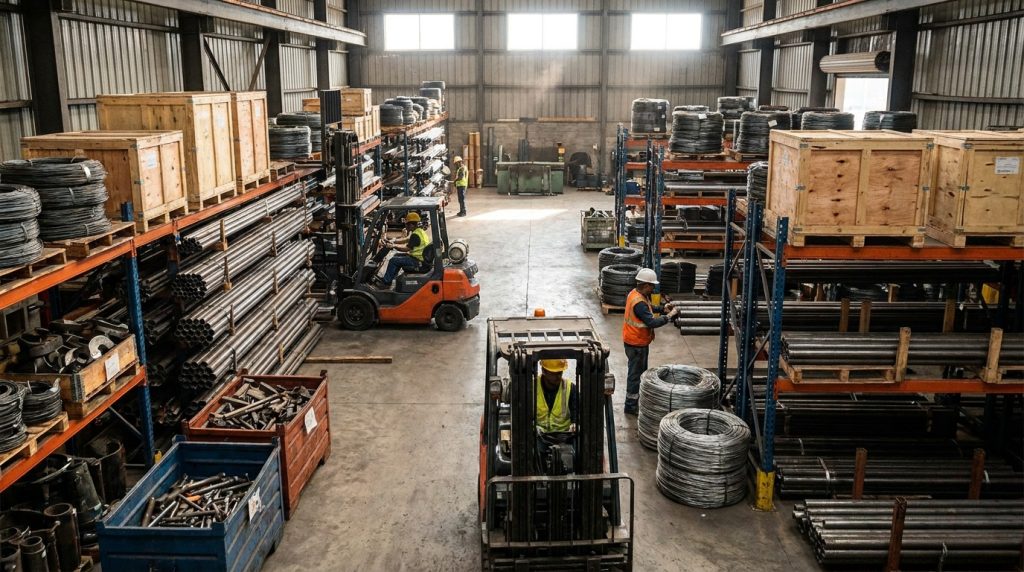
For manufacturers, maintenance teams, fabrication shops, farms, municipalities, contractors, and repair departments across Coldwater, Branch County, and Southern Michigan, the right industrial supplies can make the difference between smooth production and costly downtime. When a line is waiting on a bearing, a welder needs consumables, or a maintenance technician is missing the correct cutting tool, every hour matters.
As a senior industrial equipment professional, I’ve seen the same pattern again and again: the best-run shops do not simply “buy supplies.” They build reliable supply systems. They standardize critical items, choose quality tools, maintain safety stock, and work with a local industrial supplier that understands their equipment, environment, and urgency.
CEM Industrial Supply serves that role for businesses looking for industrial supplies in Coldwater and the surrounding Southern Michigan region. Whether you need PPE, abrasives, cutting tools, fasteners, material handling products, janitorial supplies, MRO essentials, lubricants, adhesives, or welding supplies, the goal is the same: keep your people safe, your equipment running, and your operation productive.
Coldwater sits in a strategically important area of Southern Michigan, with access to manufacturing, agriculture, transportation, construction, maintenance services, and municipal operations. Local businesses often operate lean, which means inventory mistakes can quickly become expensive.
Ordering everything from distant suppliers may look cheaper on paper, but delays, freight costs, incorrect parts, and poor support can quickly erase any savings.
The Cost of Downtime
Downtime is rarely just the cost of a missing part. It can include:
- Idle labor
- Missed production targets
- Expedited shipping charges
- Equipment damage from temporary “workarounds”
- Safety risks from using improper tools or substitutes
- Delayed customer orders
- Overtime to recover lost production
For a production floor, fabrication shop, food processing facility, fleet maintenance department, or agricultural operation, having access to reliable MRO supplies in Coldwater, MI is a practical necessity.
Advantages of a Local Industrial Supplier
Working with a local supplier like CEM Industrial Supply gives teams several operational advantages:
- Faster access to commonly used products
- Better understanding of regional industries and seasonal needs
- Easier communication for urgent requirements
- Support for product selection and substitutions
- Reduced shipping delays on critical items
- Practical recommendations based on real-world usage
If your team frequently searches for “industrial supply near me” or “industrial supplies in Coldwater,” the real question is not just who has a product listed online. It is who can help you get the right product, at the right time, for the right application.
In the Coldwater Guide, you can find valuable insights into the world of industrial supplies, particularly regarding maintenance and repair. A related article that delves into the importance of timely industrial motor repair is available at this link: Signs It’s Time for Industrial Motor Repair. This article highlights key indicators that suggest when a motor may need attention, ensuring that operations remain efficient and minimizing downtime.
Core Industrial Supply Categories Every Operation Should Manage
A well-organized industrial supply program starts with understanding the product categories that keep your facility moving. At CEM Industrial Supply, common categories include safety products, abrasives, cutting tools, fasteners, material handling supplies, janitorial products, adhesives, lubricants, and general MRO supplies.
Safety and PPE Supplies
Personal protective equipment is one of the most important industrial supply categories because it directly protects workers from injury. PPE should be selected based on actual hazards, not just convenience or habit.
Common PPE and safety products include:
- Safety glasses and face shields
- Cut-resistant gloves
- Disposable gloves
- Hearing protection
- Respirators and masks
- Hard hats
- High-visibility apparel
- Fall protection equipment
- Safety signage
- First aid supplies
- Spill control products
For companies in Coldwater and Branch County, safety needs can vary widely. A fabrication shop may need welding protection and grinding shields. A warehouse may prioritize high-visibility clothing and back-support policies. A maintenance department may require chemical-resistant gloves, lockout/tagout supplies, and eye wash stations.
Abrasives and Grinding Supplies
Abrasives are essential in fabrication, metalworking, maintenance, automotive repair, and equipment rebuilding. Choosing the wrong abrasive can reduce productivity, damage parts, or create safety hazards.
Typical abrasive products include:
- Grinding wheels
- Cut-off wheels
- Flap discs
- Sanding belts
- Surface conditioning discs
- Wire wheels and brushes
- Carbide burrs
- Mounted points
- Hand pads and rolls
When selecting abrasives, consider:
- Material being worked: steel, stainless, aluminum, cast iron, wood, plastic
- Required finish
- Tool speed rating
- Wheel thickness
- Disc diameter
- Operator experience
- Heat sensitivity of the workpiece
A premium abrasive may cost more per piece but often removes material faster, lasts longer, and reduces labor time.
Cutting Tools and Metalworking Supplies
Cutting tools are another area where quality and application fit matter. A poor-quality drill bit or end mill can cause scrap parts, broken tools, and machine downtime.
Common cutting tool products include:
- Drill bits
- Taps and dies
- End mills
- Annular cutters
- Reamers
- Hole saws
- Saw blades
- Toolholders
- Inserts
- Countersinks
- Deburring tools
For machine shops, maintenance teams, and fabrication facilities in Southern Michigan, cutting tool selection should be based on material type, machine rigidity, coolant availability, speed, feed, and tolerance requirements.
Fasteners and Hardware
Fasteners may seem simple, but they are one of the most common sources of maintenance frustration. Using the wrong fastener grade, coating, thread type, or material can lead to failure, corrosion, or rework.
Common fastener products include:
- Hex bolts
- Cap screws
- Nuts and washers
- Socket head fasteners
- Anchors
- Threaded rod
- Self-drilling screws
- Stainless fasteners
- Grade 5 and Grade 8 bolts
- Metric fasteners
- Retaining rings
- Pins and clips
A smart fastener program includes labeled bins, minimum/maximum inventory levels, and standardization wherever possible.
MRO Supplies
MRO stands for maintenance, repair, and operations. These are the everyday supplies that keep facilities functioning.
MRO supplies may include:
- Lubricants and grease
- Belts and hose products
- Adhesives and sealants
- Tapes
- Electrical supplies
- Cleaning chemicals
- Shop towels
- Batteries
- Marking tools
- Flashlights
- Measuring tools
- Hand tools
- Power tool accessories
MRO supplies are often low-cost individually, but poor management can cause high-cost downtime. A missing tube of threadlocker or a simple fitting can stop a repair just as effectively as a failed motor.
Buying Guide: How to Choose the Right Industrial Supplies
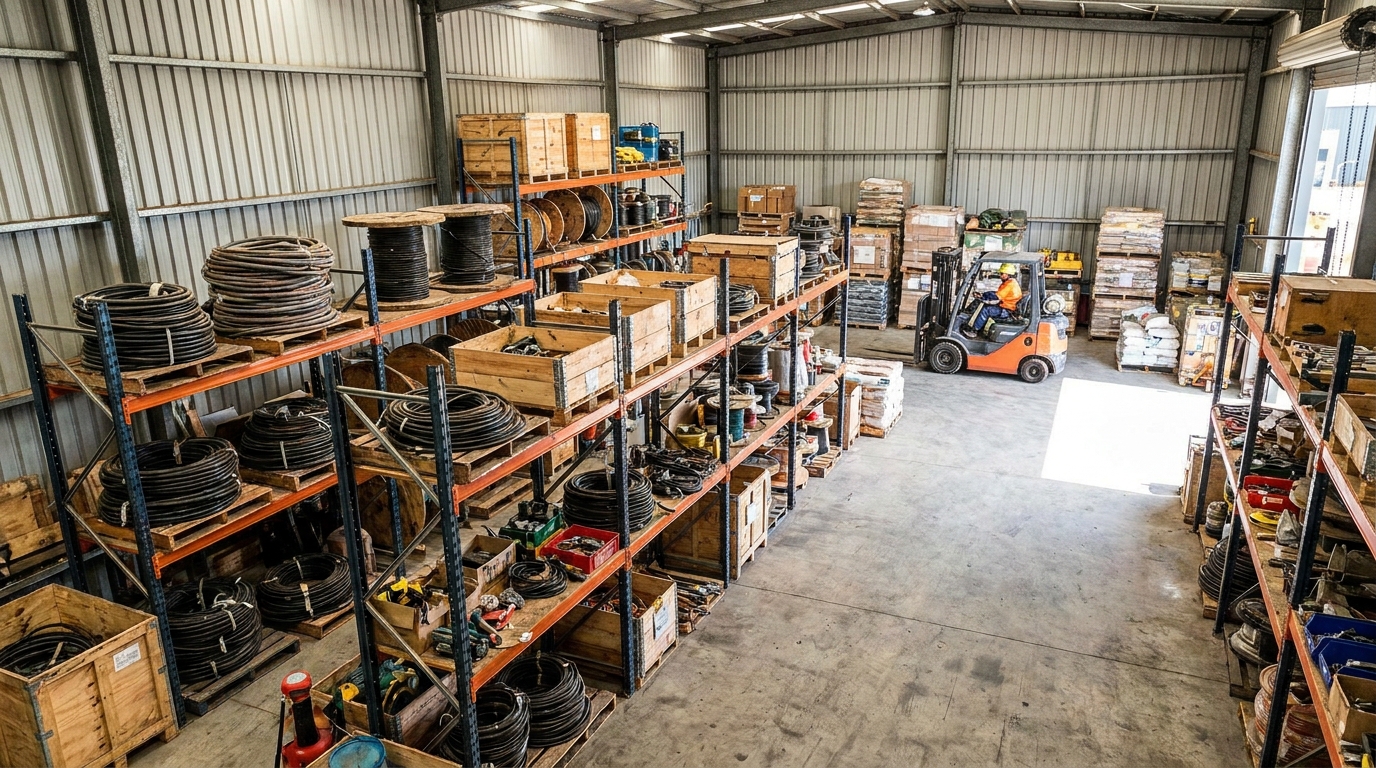
Buying industrial supplies should be a structured process. The goal is not always to buy the cheapest item. The goal is to buy the item that performs safely, reliably, and efficiently in your application.
Match the Product to the Application
Before purchasing, ask:
- What material is being cut, ground, cleaned, lifted, sealed, or fastened?
- What environment will the product be used in?
- Is there exposure to heat, moisture, oil, chemicals, or vibration?
- Is the product used occasionally or daily?
- Is failure a minor inconvenience or a serious safety/production risk?
- Are there regulatory or customer requirements?
For example, a standard zinc fastener may be fine for indoor equipment guards but unsuitable for outdoor exposure or washdown environments. A low-cost glove may work for light handling but fail quickly in sheet metal work.
Compare Cost Per Use, Not Just Purchase Price
Industrial buying decisions should consider total value.
| Product Category | Low-Cost Risk | Better Buying Metric |
||||
| Abrasives | Short life, slow material removal, more changeovers | Cost per cut or grind |
| Cutting tools | Breakage, poor finish, scrap parts | Tool life and part quality |
| Gloves | Frequent replacement, poor protection | Cost per shift and injury prevention |
| Fasteners | Corrosion, stripping, failure | Strength, coating, and application fit |
| Lubricants | Premature wear, contamination | Equipment life and service interval |
| Janitorial supplies | Poor cleaning, chemical waste | Coverage, effectiveness, safety |
A professional industrial supplier can help you compare products by real performance, not just unit price.
Standardize Where Possible
Standardization reduces confusion and improves purchasing control. For example:
- Use consistent glove models by department
- Standardize common drill sizes and fastener grades
- Identify approved abrasives for each material
- Maintain a preferred lubricant list
- Use approved adhesives and sealants for recurring repairs
- Create stocked kits for common maintenance tasks
Standardization also helps train new employees and improves safety compliance.
Plan for Seasonal and Regional Needs
In Coldwater and Branch County, seasonal changes affect industrial supply needs. Winter weather, moisture, road salt, agriculture cycles, and construction seasons can change what businesses need to keep on hand.
Seasonal items to review include:
- Ice melt and snow removal supplies
- Winter gloves and insulated PPE
- Anti-slip floor products
- Rust inhibitors
- Grease and lubricants suitable for lower temperatures
- Outdoor extension cords and lighting
- Hydraulic hose and fluid needs
- Cleaning products for mud, salt, and debris
A Southern Michigan supply plan should account for both production schedules and weather-related demands.
Please visit our latest post at https://cemindustrialsupply.com/news/ for more information.
Comparison: Local Supplier vs. Online-Only Purchasing
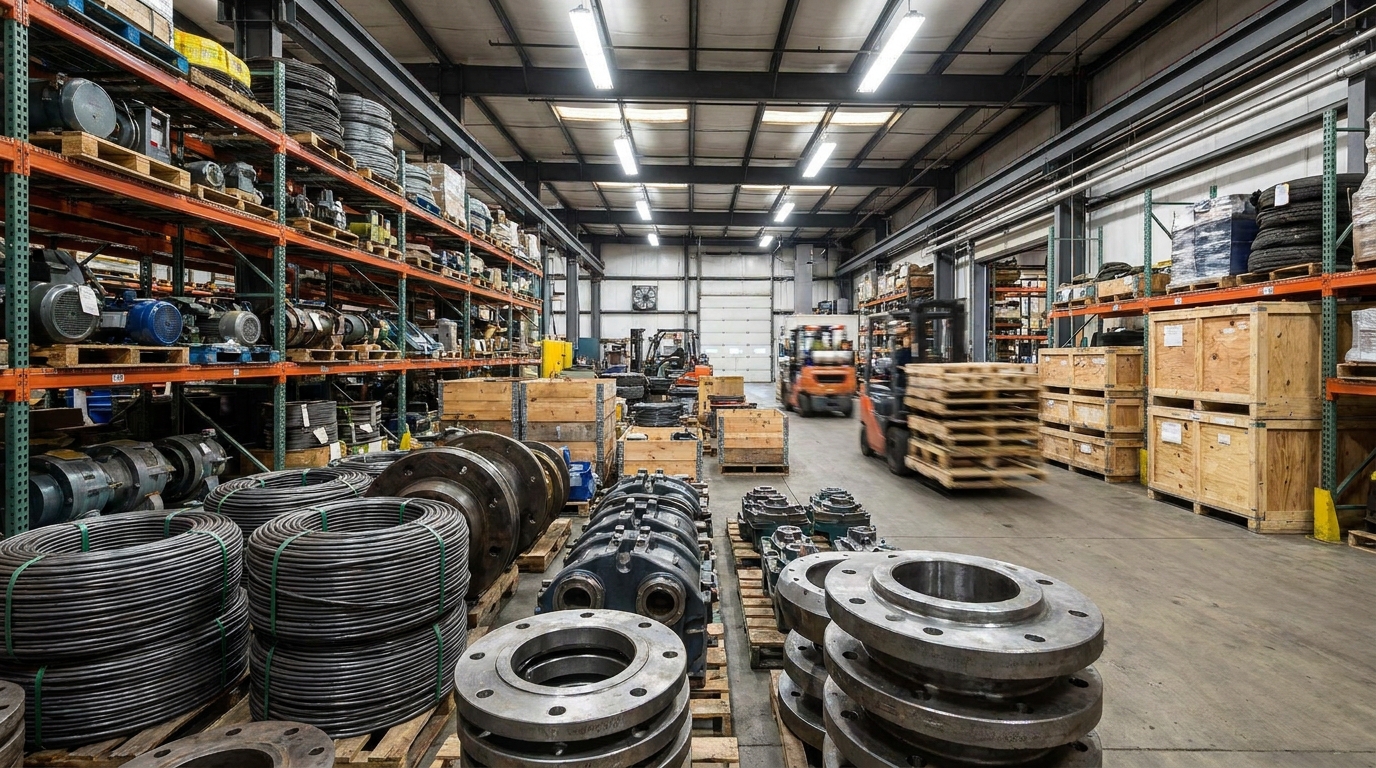
Online purchasing has a place in modern procurement, but it should not replace knowledgeable local supply support for critical industrial items.
| Factor | Local Industrial Supplier | Online-Only Source |
||||
| Urgent needs | Faster local support and pickup options | Shipping delays possible |
| Product selection help | Application-based recommendations | Often limited to product descriptions |
| Substitutions | Can suggest equivalent or better options | May require trial and error |
| Relationship | Knows your facility and preferences | Transaction-focused |
| Inventory planning | Can help with stocking and repeat purchases | Customer must manage alone |
| Problem resolution | Direct communication | Returns and support can be slow |
| Local economy | Supports Coldwater and Branch County business | Dollars often leave the region |
For critical items like PPE, abrasives, cutting tools, fasteners, and MRO supplies, a hybrid approach may work. However, when uptime matters, having a trusted local industrial supply partner is a serious advantage.
If you’re looking for insights on selecting the right industrial supplies for your projects, you might find it helpful to read an article that discusses essential tips for choosing top general contractors in your area. This resource can provide valuable guidance on how to ensure that your contractors are equipped with the best materials and tools for the job. For more information, check out this informative piece on choosing top general contractors.
Industrial Supply Checklist for Coldwater Facilities
A practical supply checklist helps maintenance managers, shop supervisors, purchasing agents, and safety coordinators stay organized.
Safety and PPE Checklist
Review PPE by department and task:
- Eye protection available and compliant
- Gloves matched to cut, chemical, heat, or impact hazards
- Hearing protection stocked for high-noise areas
- Respiratory protection selected for dust, fumes, or vapors
- Face shields available for grinding and cutting
- First aid kits inspected and refilled
- Spill kits stocked and accessible
- Safety signs visible and current
- Lockout/tagout supplies available
- High-visibility apparel stocked for traffic areas
Maintenance and MRO Checklist
Keep common repair items ready:
- Threadlocker and anti-seize
- Industrial tapes
- Grease and lubricants
- Hose clamps
- Assorted fasteners
- Electrical connectors
- Shop rags and towels
- Flashlights and batteries
- Marking paint and markers
- Cleaning chemicals
- Replacement blades and bits
- Measuring tools
Metalworking and Fabrication Checklist
For shops doing fabrication, welding, repair, or machining:
- Grinding wheels and flap discs
- Cut-off wheels
- Drill bits
- Taps and dies
- Saw blades
- Welding wire, rods, and tips
- Welding gloves and helmets
- Clamps and layout tools
- Deburring tools
- Surface conditioning products
- Anti-spatter products
- Respirators or fume protection where needed
Facility and Janitorial Checklist
Clean, organized facilities are safer and more productive:
- Floor cleaners and degreasers
- Absorbents
- Trash bags and liners
- Paper products
- Hand cleaners
- Mops and brooms
- Floor marking tape
- Spray bottles
- Disinfectants
- Drain maintenance products
- Restroom supplies
In the realm of industrial supplies, the Coldwater Guide offers valuable insights for contractors seeking reliable resources. A particularly informative article that complements this topic is available at top manufacturing supplies every contractor needs for success. This resource highlights essential tools and materials that can enhance efficiency and productivity in various projects, making it a must-read for anyone in the industry.
Maintenance Best Practices for Industrial Tools and Supplies
The best supplies still require proper storage, inspection, and handling. Poor maintenance of tools and consumables can create performance and safety problems.
Store Supplies Correctly
Storage conditions affect product life. Keep supplies clean, dry, labeled, and protected.
Best practices include:
- Store abrasives away from moisture and impact
- Keep cutting tools organized to prevent chipped edges
- Store adhesives and sealants according to temperature requirements
- Keep PPE away from chemicals and direct sunlight
- Rotate stock using first-in, first-out inventory methods
- Label bins clearly for fasteners and parts
- Separate stainless fasteners from carbon steel to avoid contamination
- Keep lubricants sealed to prevent dirt and moisture entry
Inspect Before Use
Operators and technicians should inspect tools and supplies before every job.
Check for:
- Cracked grinding wheels
- Damaged cords on power tools
- Expired adhesives or chemicals
- Dull cutting tools
- Worn gloves or PPE
- Missing guards
- Contaminated lubricants
- Rusted or damaged fasteners
- Leaking containers
- Damaged lifting straps or material handling equipment
A quick inspection can prevent injuries, scrap, and equipment failure.
Track High-Use and Critical Items
Every facility should know which supplies are mission-critical. These are the items that, if missing, can stop production or delay urgent repairs.
Examples include:
- Specific belts or hose fittings
- Common bearings
- Specialty fasteners
- Machine-specific cutting tools
- Approved lubricants
- Welding consumables
- Critical PPE
- Lockout/tagout devices
- Electrical fuses or connectors
Use reorder points or min/max levels for these items. CEM Industrial Supply can help customers identify recurring products and build more reliable purchasing habits.
Safety Tips for Industrial Supply Use
Safety is not just about having PPE on a shelf. It is about selecting, using, maintaining, and replacing supplies correctly.
Abrasive Safety
Grinding and cutting wheels require special attention.
Follow these safety practices:
- Confirm the wheel RPM rating matches the tool
- Inspect wheels for cracks or damage
- Use the correct guard
- Wear safety glasses and a face shield
- Avoid side-loading cut-off wheels
- Do not force the wheel
- Store wheels flat or properly supported
- Use the right abrasive for the material
- Keep bystanders clear of spark paths
Abrasive failures can be severe. Training and proper product selection are essential.
Hand and Eye Protection
Hand and eye injuries are among the most common industrial incidents. The right PPE can prevent many of them.
Consider these factors:
- Cut level for sharp metal or glass
- Chemical resistance for solvents and cleaners
- Heat resistance for welding or hot parts
- Dexterity for assembly work
- Grip for oily or wet environments
- Impact protection for heavy handling
- Anti-fog lenses for changing temperatures
- Side shields for flying particles
Do not assume one glove or one pair of glasses works for every job.
Chemical and Lubricant Safety
Many cleaning chemicals, lubricants, adhesives, and sealants require safe handling.
Best practices include:
- Read the Safety Data Sheet before use
- Use proper ventilation
- Wear chemical-resistant gloves when needed
- Label secondary containers
- Store incompatible chemicals separately
- Keep lids closed
- Dispose of waste correctly
- Train employees on spill response
- Avoid mixing cleaners unless approved
Coldwater businesses with maintenance shops, fleets, fabrication areas, or agricultural equipment should pay close attention to chemical storage and spill control.
Material Handling Safety
Material handling supplies and equipment help move products safely, but only when used correctly.
Important items include:
- Dollies
- Carts
- Pallet jacks
- Lifting straps
- Chain and hooks
- Load binders
- Hoists
- Anti-fatigue mats
- Storage bins
- Shelving
Always inspect lifting equipment before use and never exceed rated capacities.
How to Build a Smarter Industrial Supply Program
A strong supply program reduces emergency purchases, improves safety, and lowers total operating costs.
Step 1: Audit Current Inventory
Start with a walk-through of your maintenance area, tool crib, shop floor, and storage rooms.
Look for:
- Duplicate items
- Obsolete products
- Unlabeled containers
- Expired chemicals
- Mixed fasteners
- Damaged tools
- Over-purchased slow movers
- Under-stocked critical items
- Unsafe storage conditions
A messy supply area often hides both waste and risk.
Step 2: Identify Critical Equipment
List the equipment that directly affects production or essential operations. Then identify the supplies needed to maintain or repair that equipment.
Examples:
- Motors and drives
- Conveyors
- Compressors
- Pumps
- Welders
- CNC machines
- Forklifts
- Fleet vehicles
- Packaging equipment
- Agricultural machinery
- HVAC systems
For each critical asset, identify belts, lubricants, fasteners, filters, cutting tools, abrasives, electrical items, and safety products required.
Step 3: Set Minimum and Maximum Stock Levels
Min/max inventory helps prevent both shortages and overstock.
A simple method:
- Minimum: the lowest quantity allowed before reordering
- Maximum: the highest quantity to keep on hand
- Reorder point: the level that triggers a purchase
- Lead time: how long it takes to receive the product
- Usage rate: how quickly your team consumes it
For high-use consumables such as gloves, grinding discs, drill bits, shop towels, and cleaners, review usage monthly.
Step 4: Work With a Knowledgeable Supplier
A good industrial supplier does more than process orders. They help solve problems.
CEM Industrial Supply can support local businesses by helping with:
- Product matching
- Alternative item selection
- PPE recommendations
- Abrasive and cutting tool choices
- Fastener sourcing
- MRO planning
- Inventory organization ideas
- Safety supply replenishment
- Seasonal purchasing needs
When your supplier understands your work, they can help you avoid wrong-item purchases and downtime.
Product Selection Guide by Industry in Southern Michigan
Different industries in Coldwater and Branch County require different supply priorities.
Manufacturing and Assembly
Key needs often include:
- PPE
- Fasteners
- Hand tools
- Power tool accessories
- Cutting tools
- Lubricants
- Adhesives
- Material handling products
- Janitorial supplies
- Floor marking and safety signage
Manufacturing teams should focus on standardized consumables, reliable replenishment, and safety compliance.
Fabrication and Welding Shops
Priority supplies include:
- Welding wire, rods, and tips
- Welding gloves and helmets
- Grinding wheels
- Cut-off wheels
- Flap discs
- Clamps
- Layout tools
- Anti-spatter spray
- Respiratory protection
- Fire-resistant PPE
Fabrication shops benefit from high-performance abrasives and proper PPE selection.
Agriculture and Equipment Repair
Branch County’s agricultural activity creates demand for rugged maintenance supplies.
Common needs include:
- Hydraulic fittings and hose-related products
- Grease and lubricants
- Grade 8 fasteners
- Cutting and drilling tools
- Chain and material handling products
- Cleaning chemicals
- Shop towels
- Safety gloves
- Welding supplies
Seasonal preparation is especially important before planting and harvest periods.
Construction and Contracting
Contractors need portable, durable, jobsite-ready supplies.
Common categories include:
- Power tool accessories
- Anchors and fasteners
- PPE
- Abrasives
- Adhesives and sealants
- Marking products
- Jobsite lighting
- Extension cords
- Material handling supplies
- First aid and safety products
For contractors working across Southern Michigan, availability and reliability are critical.
Municipal and Facility Maintenance
Municipalities, schools, hospitals, and facility managers require dependable everyday supplies.
Common needs include:
- Janitorial products
- Ice melt and winter supplies
- Safety signage
- PPE
- Hand tools
- Fasteners
- Lubricants
- Lighting and electrical items
- Grounds maintenance supplies
- Spill control products
A well-maintained facility supply program improves safety and service response.
Common Mistakes When Buying Industrial Supplies
Even experienced teams can make purchasing mistakes that create long-term problems.
Buying on Price Alone
The cheapest product is not always the lowest-cost product. Poor performance, short life, and safety risks can make low-quality supplies more expensive.
Ignoring Compatibility
Compatibility matters for:
- Lubricants
- Adhesives
- Fastener materials
- Chemical cleaners
- Abrasives
- Cutting tools
- PPE
- Electrical components
Always confirm that products match the task and environment.
Failing to Train Employees
Even the best product can fail if used incorrectly. Train workers on:
- PPE selection
- Abrasive safety
- Chemical handling
- Tool inspection
- Lockout/tagout
- Proper storage
- Material handling limits
Letting Inventory Become Disorganized
A disorganized tool crib leads to duplicate buying, missing supplies, and downtime. Labeling, bin systems, and routine cycle counts are simple but effective.
Not Planning for Lead Times
Some specialty fasteners, cutting tools, PPE sizes, and equipment parts may not be immediately available. Identify these items before you need them urgently.
What to Look for in an Industrial Supply Partner
Choosing an industrial supplier should be treated as an operational decision, not just a purchasing task.
Key Qualities to Consider
Look for a supplier that offers:
- Broad product knowledge
- Reliable access to essential categories
- Responsive communication
- Local understanding
- Practical recommendations
- Quality product options
- Support for urgent needs
- Help with recurring supply planning
- Willingness to source hard-to-find items
For businesses searching for industrial supplies in Coldwater, CEM Industrial Supply is positioned to help local teams find the right supplies for daily operations, repairs, safety, and maintenance.
Questions to Ask Your Supplier
Before standardizing with a supplier, ask:
- Can you help identify alternatives for unavailable products?
- Do you support safety and PPE selection?
- Can you help with common MRO supplies?
- Do you carry or source abrasives, cutting tools, fasteners, and janitorial supplies?
- Can you help reduce duplicate purchases?
- Do you understand local industry needs in Branch County?
- Can you support seasonal requirements?
- How do you handle urgent product requests?
The answers will tell you whether the supplier is simply selling products or supporting your operation.
Quick Reference: Essential Industrial Supplies by Task
| Task | Recommended Supply Categories |
|||
| Grinding and deburring | Abrasives, face shields, gloves, hearing protection |
| Machine maintenance | Lubricants, fasteners, hand tools, cleaning products |
| Welding repair | Welding consumables, PPE, abrasives, clamps |
| Facility cleaning | Janitorial supplies, degreasers, absorbents, PPE |
| Equipment assembly | Fasteners, adhesives, torque tools, threadlocker |
| Material movement | Carts, straps, bins, gloves, safety signage |
| Cutting metal | Cutting tools, coolant, eye protection, measuring tools |
| Spill response | Absorbents, spill kits, gloves, disposal bags |
| Outdoor winter work | Ice melt, insulated gloves, traction products, high-vis gear |
Use this table as a starting point for building department-specific supply lists.
FAQs About Industrial Supplies in Coldwater
What are the most important industrial supplies to keep on hand?
The most important supplies are the items that protect workers and prevent downtime. Most facilities should stock PPE, fasteners, lubricants, abrasives, cutting tools, cleaning products, adhesives, shop towels, first aid supplies, and common MRO repair items.
Where can I buy industrial supplies in Coldwater, MI?
Businesses in Coldwater, Branch County, and Southern Michigan can work with CEM Industrial Supply for a wide range of industrial supplies, including safety products, abrasives, cutting tools, fasteners, janitorial supplies, MRO items, lubricants, adhesives, and material handling supplies.
How do I choose the right PPE for my facility?
Start with a hazard assessment. Identify risks such as cutting, impact, chemicals, noise, dust, heat, welding flash, or falling objects. Then select PPE based on the hazard, applicable standards, comfort, fit, and employee use. A knowledgeable industrial supplier can help narrow the options.
Are premium abrasives worth the higher cost?
Often, yes. Premium abrasives may last longer, cut faster, reduce operator fatigue, and require fewer changeovers. The best way to compare abrasives is by cost per cut, cost per grind, or labor savings rather than unit price alone.
How often should we review our MRO inventory?
High-use items should be reviewed monthly. Critical repair items should be reviewed quarterly or whenever equipment changes. A full supply audit is recommended at least once or twice per year.
What fasteners should a maintenance shop stock?
Most maintenance shops benefit from stocking common Grade 5 and Grade 8 bolts, nuts, washers, socket head cap screws, machine screws, anchors, self-drilling screws, threaded rod, retaining clips, and selected metric fasteners. The exact mix depends on your equipment.
How can we reduce emergency industrial supply purchases?
Track usage, set reorder points, standardize products, identify critical equipment, and keep minimum stock levels for essential supplies. Working with a local supplier in Coldwater can also reduce delays when urgent needs arise.
What seasonal supplies are important in Southern Michigan?
Winter supplies such as ice melt, insulated gloves, anti-slip products, rust inhibitors, and cold-weather lubricants are important. Agricultural, construction, and facility maintenance operations should also plan around spring startup, summer heat, fall harvest, and winter weather.
Why work with a local industrial supplier instead of only buying online?
A local supplier can provide faster support, better product recommendations, easier substitutions, and knowledge of local business needs. Online purchasing can be useful, but local expertise is valuable when safety, uptime, and correct product selection matter.
Final Checklist for Choosing Industrial Supplies in Coldwater
Before your next purchasing cycle, review this quick checklist:
- Identify your most critical equipment
- List supplies that commonly stop work when missing
- Review PPE by task and hazard
- Standardize common fasteners and consumables
- Compare products by performance, not just price
- Organize tool crib and storage areas
- Remove expired or damaged supplies
- Set min/max inventory levels
- Plan for Southern Michigan seasonal needs
- Work with a supplier that understands Coldwater and Branch County industries
A reliable industrial supply strategy is not complicated, but it does require consistency. When you have the right PPE, abrasives, cutting tools, fasteners, MRO supplies, janitorial products, lubricants, adhesives, and material handling essentials in place, your team can work safer and faster with fewer interruptions.
For businesses in Coldwater, Branch County, and across Southern Michigan, CEM Industrial Supply is a practical resource for building that kind of dependable supply program.
FAQs
What are industrial supplies?
Industrial supplies are products and materials used in manufacturing, construction, and maintenance of industrial facilities. These can include tools, equipment, safety gear, and raw materials.
What types of industrial supplies are available in Coldwater?
In Coldwater, a wide range of industrial supplies are available, including but not limited to power tools, hand tools, safety equipment, welding supplies, abrasives, adhesives, and fasteners.
Where can I purchase industrial supplies in Coldwater?
Industrial supplies can be purchased from various suppliers in Coldwater, including hardware stores, industrial supply companies, and online retailers. It is important to research and compare prices and quality before making a purchase.
What are some important considerations when purchasing industrial supplies?
When purchasing industrial supplies, it is important to consider the quality, durability, and safety features of the products. Additionally, factors such as price, availability, and supplier reputation should also be taken into account.
How can I ensure the proper use and maintenance of industrial supplies?
Proper training and education on the use of industrial supplies is essential to ensure safety and efficiency. Additionally, regular maintenance and inspection of equipment and tools can help prolong their lifespan and prevent accidents.