
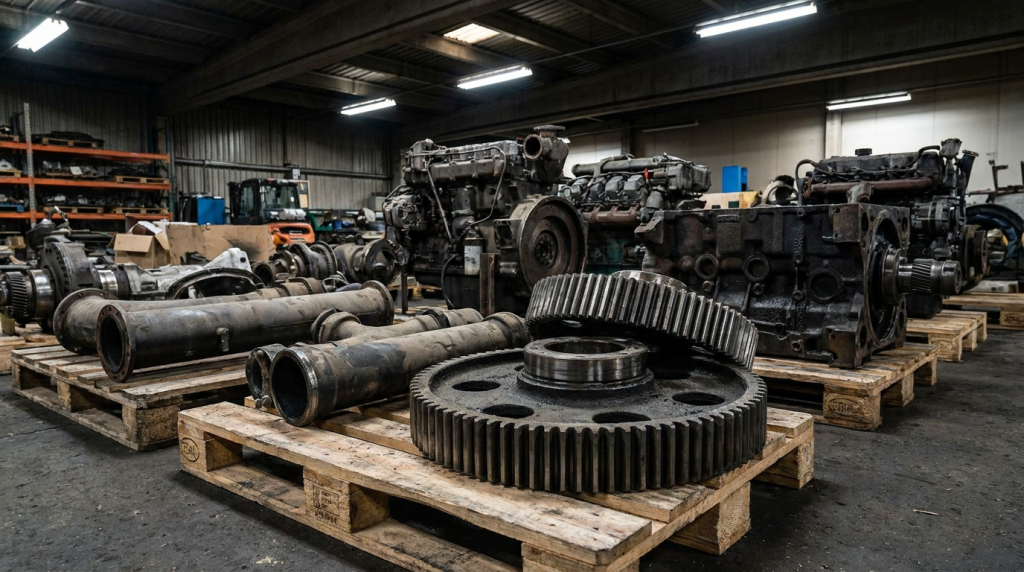
When a line goes down in Coldwater, every minute matters. Whether you run a fabrication shop near I-69, a food processing facility in Branch County, a packaging operation serving Southern Michigan, or a maintenance team supporting agricultural and municipal equipment, emergency industrial parts are not a convenience—they are uptime insurance.
At CEM Industrial Supply, we understand the real-world pressure maintenance managers face when a bearing fails at 2:00 p.m., a conveyor belt tears before a shipment deadline, or a hydraulic hose blows during peak production. The goal is simple: identify the failed component quickly, source the right replacement, and get equipment running safely with minimal downtime.
This guide explains how to handle emergency industrial parts needs in Coldwater, what components most often fail, how to build a smart spare parts plan, and how local sourcing from CEM Industrial Supply can help manufacturers, maintenance crews, contractors, farms, municipalities, and repair shops across Branch County and Southern Michigan respond faster.
Coldwater sits in a busy industrial and logistics region, with easy access to I-69, US-12, and surrounding Southern Michigan communities. That location is valuable—but it also means businesses are expected to keep production, shipping, and repair schedules moving.
When equipment fails, downtime can quickly become expensive.
The True Cost of Industrial Downtime
A failed part rarely affects only one machine. In many facilities, one breakdown can stop an entire process.
Common downtime costs include:
- Lost production output
- Missed shipping deadlines
- Overtime labor for maintenance teams
- Emergency freight charges
- Scrap or wasted material
- Safety risks from rushed repairs
- Customer service issues
- Damage to connected equipment
For example, a seized bearing on a conveyor roller may seem minor at first. But if that conveyor feeds a packaging line, the failure can stop production, delay trucks, and force maintenance staff to work under pressure. Having access to emergency industrial parts in Coldwater helps reduce the time between diagnosis and repair.
Why Local Industrial Parts Supply Makes a Difference
Ordering parts online may work for planned maintenance, but emergency repairs require speed, accuracy, and experience. A local supplier can help you identify the right part, compare alternatives, and reduce wait time.
Working with a Coldwater-area industrial supplier like CEM Industrial Supply offers advantages such as:
- Faster access to common replacement parts
- Knowledge of local industries and equipment types
- Practical help identifying hard-to-read part numbers
- Alternatives when OEM parts are unavailable
- Reduced shipping delays
- Support for maintenance, repair, and operations teams
- Ability to plan future inventory based on recurring failures
For businesses in Coldwater, Quincy, Bronson, Union City, Tekonsha, Hillsdale, Sturgis, and throughout Branch County, local sourcing can be the difference between a short repair window and a full production shutdown.
Emergency Industrial Parts in Coldwater is a crucial resource for businesses needing immediate access to essential equipment and supplies. For those interested in exploring a wide range of industrial equipment and supplies, a related article can be found at CEM Industrial Supply, which offers insights into various products and services that can help streamline operations and reduce downtime in critical situations.
Common Emergency Industrial Parts Facilities Need Fast
Every operation is different, but certain industrial components are more likely to fail unexpectedly. These parts experience friction, heat, load, vibration, contamination, or repeated movement.
CEM Industrial Supply supports maintenance teams with access to many essential MRO and industrial supply categories, including power transmission, bearings, belts, motors, abrasives, fasteners, safety supplies, shop supplies, hydraulic and pneumatic components, tools, and related replacement parts.
Bearings and Mounted Units
Bearings are among the most common emergency industrial parts because they support rotating shafts, rollers, fans, conveyors, pumps, and drive systems.
Common emergency bearing needs include:
- Ball bearings
- Roller bearings
- Pillow block bearings
- Flange bearings
- Insert bearings
- Mounted bearing units
- Seals and locking collars
Warning signs of bearing failure:
- Grinding or squealing noise
- Excessive heat
- Shaft vibration
- Metal dust near the housing
- Grease leakage
- Uneven rotation
- Premature belt or chain wear
A failed bearing can damage shafts, housings, belts, pulleys, and motors. When replacing bearings, confirm the bore size, outside diameter, width, seal type, load rating, speed rating, and mounting style.
Belts, Pulleys, Sheaves, and Power Transmission Parts
Power transmission components keep equipment moving. When a belt snaps or a pulley wears out, production can stop immediately.
Frequently needed emergency parts include:
- V-belts
- Timing belts
- Conveyor belts
- Synchronous belts
- Sheaves
- Pulleys
- Bushings
- Sprockets
- Roller chain
- Couplings
- Key stock
Belts often fail because of misalignment, over-tensioning, worn sheaves, contamination, heat, or improper sizing. A quick replacement may get the machine running, but maintenance teams should also correct the root cause to prevent repeat failures.
Hydraulic Hoses, Fittings, and Fluid Power Components
Hydraulic failures can be messy, dangerous, and urgent. A ruptured hose or leaking fitting may stop a press, lift, loader, compactor, agricultural machine, or production system.
Emergency hydraulic parts may include:
- Hydraulic hose assemblies
- Adapters and fittings
- Quick couplers
- Hydraulic valves
- Cylinders
- Seals and O-rings
- Hydraulic filters
- Hose protection sleeves
- Clamps and brackets
Hydraulic repairs require careful attention to pressure ratings, hose size, fitting type, fluid compatibility, temperature, and routing. Never substitute a lower-rated hose or fitting just to get equipment running. Hydraulic injection injuries are serious and require immediate medical attention.
Pneumatic Parts and Air System Components
Compressed air is essential in many Coldwater manufacturing and repair environments. Pneumatic system failures can affect automation, packaging, clamping, material handling, and controls.
Common emergency pneumatic parts include:
- Air hoses
- Push-to-connect fittings
- Regulators
- Filters
- Lubricators
- Solenoid valves
- Air cylinders
- Pressure gauges
- Tubing
- Blow guns and nozzles
Moisture, dirty air, vibration, and worn seals are common causes of pneumatic downtime. Keeping filters and regulators maintained can greatly reduce emergency failures.
Electric Motors, Controls, and Shop Electrical Needs
A failed motor can bring critical equipment to a halt. While some motor failures require specialized electrical service, maintenance teams often need fast access to compatible replacements or supporting components.
Emergency electrical and motor-related parts may include:
- Electric motors
- Motor belts and pulleys
- Switches
- Fuses
- Plugs and connectors
- Extension cords
- Cord reels
- Electrical enclosures
- Control hardware
- Fans and ventilation components
Always match horsepower, voltage, phase, frame size, RPM, enclosure type, shaft size, and mounting configuration. Electrical work should be completed by qualified personnel following applicable codes and lockout/tagout procedures.
Fasteners, Hardware, and Repair Supplies
Small parts can cause big delays. A missing bolt, broken key, damaged clamp, stripped nut, or unavailable retaining ring may stop a repair from being completed.
Emergency fastener and hardware needs often include:
- Grade 5 and Grade 8 bolts
- Stainless fasteners
- Metric fasteners
- Nuts, washers, and lock washers
- Set screws
- Retaining rings
- Threaded rod
- Key stock
- Anchors
- Hose clamps
- U-bolts
- Cotter pins
A well-organized fastener inventory is one of the easiest ways to reduce downtime. For facilities in Coldwater and Branch County, CEM Industrial Supply can help support practical fastener solutions for maintenance shops and production floors.
How to Identify the Right Emergency Replacement Part
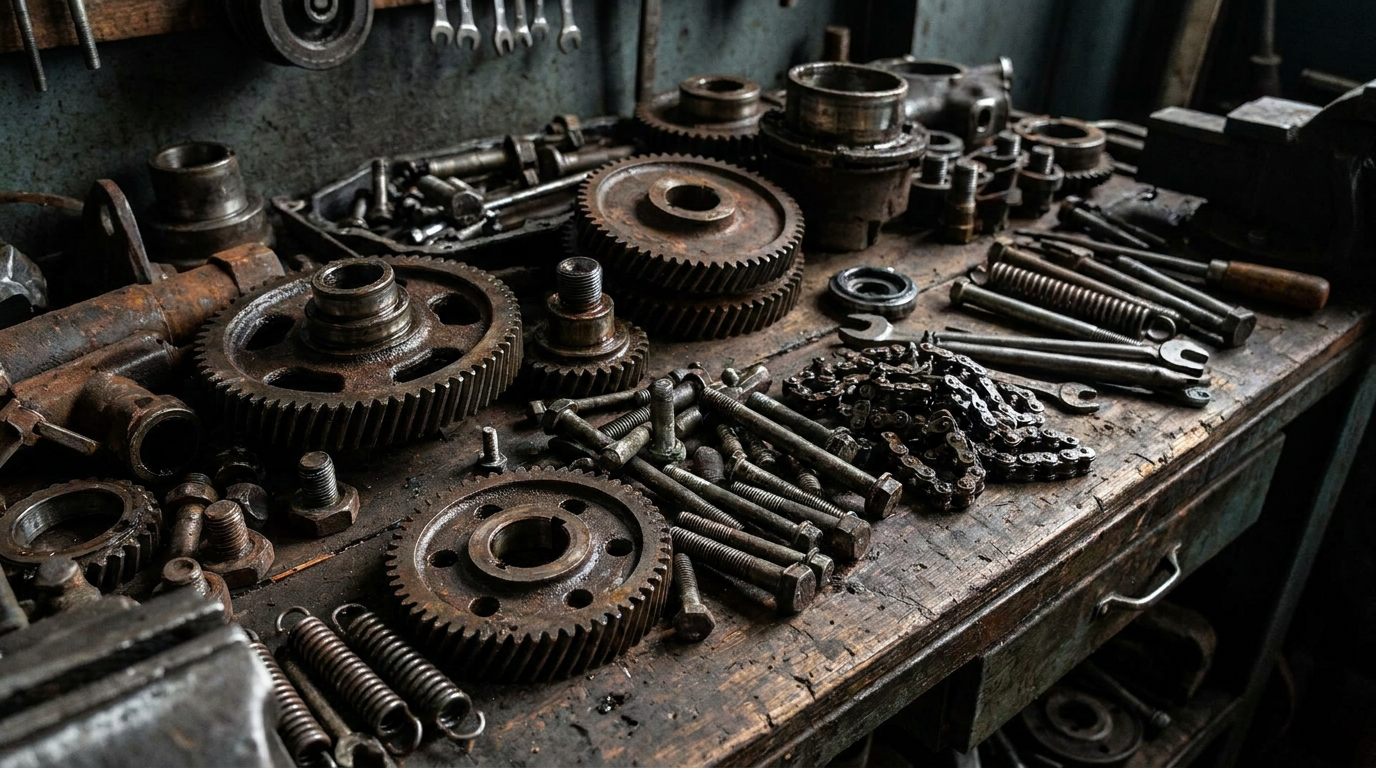
In an emergency, speed matters—but accuracy matters more. Installing the wrong part can create a second failure, damage equipment, or introduce safety hazards.
Start with the Failed Component
Before calling or visiting CEM Industrial Supply, gather as much information as possible from the failed part.
Useful details include:
- Manufacturer name
- Part number
- Model number
- Serial number
- Dimensions
- Material
- Mounting style
- Voltage, horsepower, or pressure rating
- Photos from multiple angles
- Equipment make and model
- Application details
- Operating environment
If a part number is worn off, measurements and photos can often help identify a suitable match.
Measure Critical Dimensions
For bearings, belts, hoses, and fittings, accurate measurements are critical.
| Part Type | Key Measurements to Confirm | Common Mistake |
||||
| Bearings | Bore, OD, width, seal type, locking style | Matching only the bore size |
| V-Belts | Top width, outside length, section/profile | Using a stretched old belt as exact length |
| Hydraulic Hose | Inside diameter, length, fitting ends, pressure rating | Ignoring working pressure |
| Roller Chain | Pitch, width, roller diameter, strand count | Confusing ANSI sizes |
| Fasteners | Diameter, thread pitch, length, grade, material | Mixing metric and imperial threads |
| Motors | HP, RPM, frame, voltage, phase, shaft size | Replacing by horsepower only |
When in doubt, bring the failed part to the counter or provide clear photos and measurements. A knowledgeable industrial supply expert can often help cross-reference parts and recommend an appropriate replacement.
Know the Application
A replacement part should match the application—not just the dimensions.
Important application questions include:
- Is the part exposed to moisture, dust, oil, chemicals, or washdown?
- Does it operate at high temperature?
- Is it used in a food processing area?
- Is the load steady or shock-loaded?
- Is the equipment outdoors?
- Does the part need corrosion resistance?
- Is vibration a major issue?
- Is the equipment safety-critical?
For example, a standard bearing may fit physically, but a sealed or stainless option may be better for wet or dirty environments. A general-purpose belt may work temporarily, but a heat-resistant or oil-resistant belt may be required for long-term reliability.
Please visit our latest post at https://cemindustrialsupply.com/news/ for more information.
Emergency Industrial Parts Buying Guide
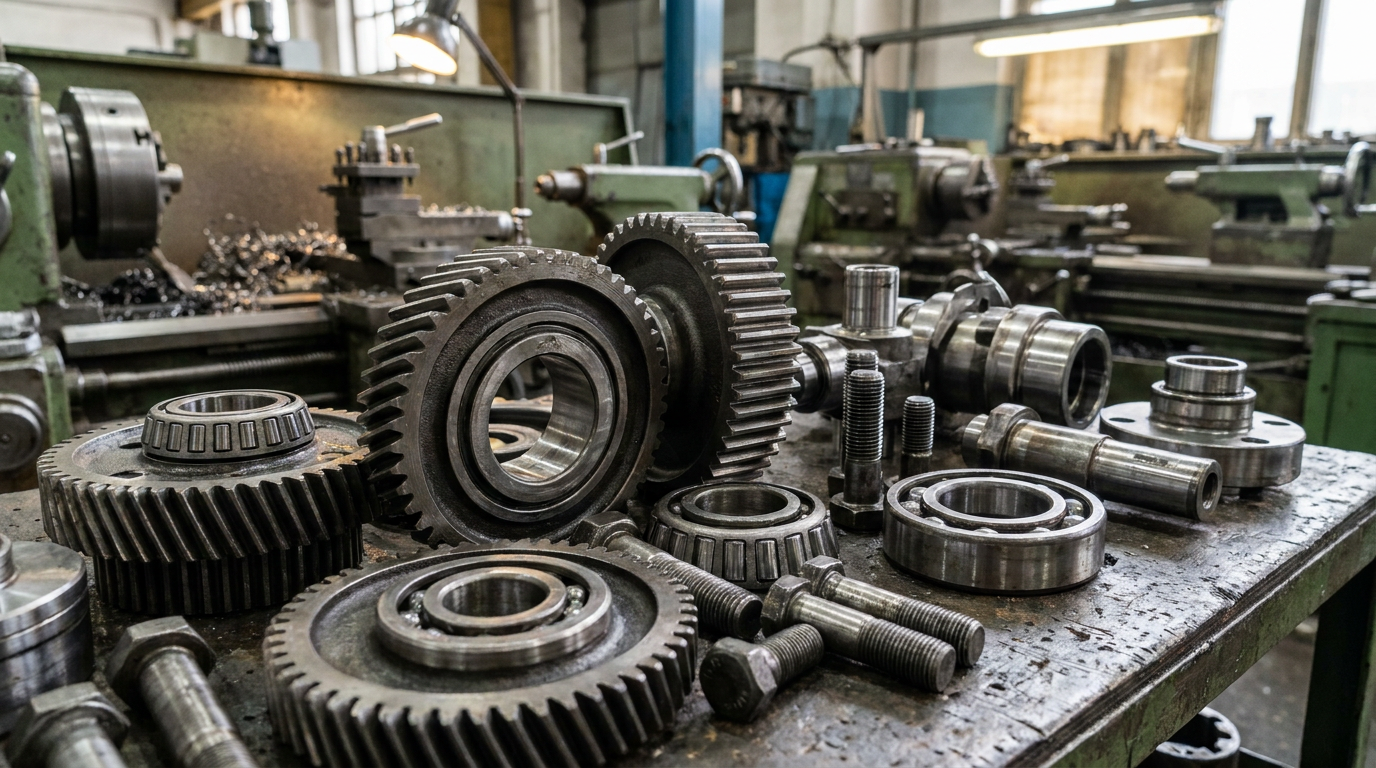
The best emergency repair is the one that is completed safely, correctly, and quickly. Use this buying guide to make better decisions under pressure.
OEM vs. Aftermarket vs. Equivalent Parts
When equipment goes down, maintenance teams often need to decide between original equipment manufacturer parts and equivalent industrial replacements.
| Option | Best For | Advantages | Considerations |
|||||
| OEM Part | Warranty-sensitive equipment, specialized machines | Exact original specification | May have longer lead times |
| Aftermarket Replacement | Common wear parts, standard components | Often faster and cost-effective | Must verify specifications |
| Industrial Equivalent | Bearings, belts, chain, fasteners, hoses | Widely available and practical | Requires proper cross-reference |
| Temporary Repair Part | Short-term operation until correct part arrives | Can reduce downtime | Must be used carefully and safely |
In many industrial applications, standard components such as bearings, belts, chain, fasteners, and fittings can be cross-referenced successfully. However, safety-critical components, electrical controls, and specialized machine parts require extra caution.
What to Keep in Stock
A smart spare parts inventory does not need to be huge. It needs to be based on your most critical equipment and most common failures.
Recommended emergency stock items:
- Top 10 most-used bearings
- Common V-belts and timing belts
- Roller chain and connecting links
- Critical sprockets and sheaves
- Hydraulic hose and common fittings
- Pneumatic tubing and push-to-connect fittings
- Air filters and regulators
- Machine-specific fuses
- Fastener assortments
- O-rings and seals
- Lubricants and grease
- Cutting tools and abrasives
- Safety PPE for repair work
- Lockout/tagout supplies
CEM Industrial Supply can help Coldwater-area facilities evaluate recurring part needs and develop practical stocking strategies without tying up unnecessary capital.
Questions to Ask Before Buying an Emergency Part
Before purchasing a replacement, ask:
- Is this part the true cause of the breakdown or just the visible damage?
- Do we need one replacement or multiple related parts?
- Should we replace paired components together?
- Is the mating surface damaged?
- Is there contamination in the system?
- Is this a temporary repair or permanent fix?
- Do we need upgraded materials or ratings?
- Should this part be added to our spare inventory?
For example, if a chain breaks because a sprocket is worn, replacing only the chain may lead to another failure. If a hydraulic hose bursts due to abrasion, routing and hose protection should also be corrected.
Emergency Industrial Parts in Coldwater provides essential supplies for various industrial needs, ensuring that businesses can maintain their operations without interruption. For those looking to enhance their tool inventory, a related article on power tools and accessories can be found at this link, which offers valuable insights into the latest equipment available in the market. By staying informed about the best tools, companies can improve efficiency and productivity in their operations.
Emergency Parts Checklist for Maintenance Teams
A structured process prevents mistakes during high-pressure repairs. Use the following checklist when handling emergency industrial parts in Coldwater or any Southern Michigan facility.
Breakdown Response Checklist
- Stop equipment safely.
- Follow lockout/tagout procedures.
- Confirm the area is safe for inspection.
- Identify the failed part and related damage.
- Take photos before disassembly if helpful.
- Record part numbers and equipment details.
- Measure critical dimensions.
- Check connected components for wear.
- Contact CEM Industrial Supply with details.
- Confirm availability or alternative options.
- Replace damaged parts using proper tools.
- Lubricate, align, and tension as required.
- Remove tools and debris from the area.
- Test equipment at reduced speed if possible.
- Monitor temperature, vibration, and noise.
- Document the repair and parts used.
- Add critical spares to inventory if needed.
Information to Provide When Calling for Emergency Parts
To speed up service, have this information ready:
- Company name and location
- Equipment type and model
- Part number or photos
- Dimensions and ratings
- Quantity needed
- Urgency level
- Preferred pickup or delivery option
- Any operating conditions such as heat, washdown, dust, or chemicals
The more complete the information, the faster an industrial parts specialist can help identify the right replacement.
Emergency Industrial Parts in Coldwater provides essential services for businesses in need of quick repairs and replacements. For those looking to understand more about the maintenance of industrial equipment, a related article discusses the signs that indicate when a motor may require rewinding. This information can be crucial for preventing unexpected downtime and ensuring operational efficiency. You can read more about it in this insightful piece on motor rewinding.
Safety Tips for Emergency Industrial Repairs
Emergency repairs can create a dangerous environment. Maintenance personnel may be working around stored energy, sharp edges, hot surfaces, pressurized fluids, rotating equipment, or electrical hazards. Rushing increases risk.
Lockout/Tagout Is Non-Negotiable
Before replacing parts, isolate energy sources.
This may include:
- Electrical energy
- Hydraulic pressure
- Pneumatic pressure
- Gravity-loaded components
- Mechanical spring tension
- Thermal energy
- Stored material pressure
- Rotating inertia
Verify zero energy before beginning work. Never assume a machine is safe because it is turned off.
Hydraulic and Pneumatic Safety
Fluid power systems require special care.
Follow these rules:
- Never check hydraulic leaks with your hand.
- Depressurize the system before disconnecting hoses.
- Use hoses and fittings with proper pressure ratings.
- Replace damaged hose guards or sleeves.
- Avoid sharp bends and abrasion points.
- Secure hoses to prevent whipping.
- Wear eye and hand protection.
- Clean spills immediately to prevent slips.
Hydraulic injection injuries may appear minor at first but are medical emergencies.
Belt, Chain, and Conveyor Safety
Belts and chains can pinch, pull, and crush.
Best practices include:
- Guard rotating components after repair.
- Confirm belt tension with proper methods.
- Align pulleys and sprockets before startup.
- Replace worn guards and covers.
- Keep hands clear during jog testing.
- Remove loose clothing and jewelry.
- Use proper lifting tools for heavy components.
Never bypass guards to “get through the shift.” Temporary shortcuts can lead to serious injuries.
PPE for Emergency Repair Work
Common PPE for industrial maintenance includes:
- Safety glasses or face shield
- Cut-resistant gloves
- Chemical-resistant gloves when needed
- Hearing protection
- Steel-toe or composite-toe boots
- High-visibility clothing
- Respiratory protection when required
- Arc-rated gear for qualified electrical work
- Welding PPE when applicable
CEM Industrial Supply also supports safety supply needs for maintenance departments, including PPE, gloves, eye protection, and shop safety essentials.
Maintenance Strategies That Reduce Emergency Part Failures
Emergency parts availability is important, but the long-term goal is fewer emergencies. Preventive maintenance, inspections, and better inventory planning reduce downtime and repair costs.
Build a Critical Equipment List
Start by identifying equipment that directly affects production, safety, or customer delivery.
Examples of critical equipment:
- Main production conveyors
- Air compressors
- Hydraulic presses
- Pumps
- Packaging equipment
- Mixers and agitators
- CNC machines
- Dust collection systems
- Loading dock equipment
- Forklifts and material handling systems
For each machine, document the parts most likely to fail and the parts with the longest lead times.
Track Repeat Failures
If the same part fails repeatedly, do not treat it as normal. Repeat failures usually indicate an underlying problem.
Possible causes include:
- Misalignment
- Incorrect tension
- Overloading
- Poor lubrication
- Contamination
- Improper installation
- Heat exposure
- Wrong part specification
- Vibration
- Worn mating components
A repeated bearing failure may be caused by shaft misalignment. A repeated belt failure may be caused by worn sheaves. A repeated hose failure may be caused by abrasion or excessive pressure spikes.
Improve Lubrication Practices
Lubrication is one of the simplest ways to extend equipment life.
Good lubrication practices include:
- Use the correct grease or oil.
- Avoid mixing incompatible lubricants.
- Follow manufacturer intervals.
- Clean grease fittings before use.
- Do not over-grease sealed bearings.
- Store lubricants clean and covered.
- Label grease guns by lubricant type.
- Monitor for leaks and contamination.
CEM Industrial Supply can support maintenance teams with lubricants, greases, dispensing tools, shop supplies, and related MRO products.
Use Planned Shutdowns Wisely
During scheduled downtime, inspect and replace components before they fail.
Planned shutdown tasks may include:
- Replace worn belts.
- Inspect bearings for noise or heat.
- Check chain elongation.
- Align pulleys and sprockets.
- Inspect hydraulic hoses for cracking.
- Replace filters.
- Tighten fasteners.
- Check guards and safety devices.
- Clean motors and ventilation openings.
- Restock critical spare parts.
A short planned repair is almost always better than an unplanned emergency breakdown.
Local Support for Emergency Industrial Parts in Coldwater
Coldwater businesses need more than a parts catalog. They need responsive support from people who understand industrial equipment, maintenance priorities, and local urgency.
Serving Coldwater, Branch County, and Southern Michigan
CEM Industrial Supply supports customers in and around:
- Coldwater
- Branch County
- Quincy
- Bronson
- Union City
- Tekonsha
- Hillsdale
- Sturgis
- Three Rivers
- Battle Creek area
- Southern Michigan manufacturing and maintenance operations
Local industrial supply support is especially valuable for companies that cannot wait days for a basic replacement component.
CEM Product Categories That Support Emergency Repairs
Depending on your application, CEM Industrial Supply can help source or support many common MRO and repair categories, such as:
- Bearings and mounted bearings
- Belts and power transmission products
- Hydraulic hoses, fittings, and fluid power supplies
- Pneumatic fittings, tubing, and air preparation parts
- Fasteners and industrial hardware
- Abrasives and cutting tools
- Hand tools and shop tools
- Safety supplies and PPE
- Lubricants, chemicals, and maintenance supplies
- Janitorial and facility supplies
- Material handling products
- Welding and metalworking supplies
These categories cover many of the parts maintenance teams need when repairing conveyors, pumps, compressors, production equipment, fabrication tools, shop machinery, and facility systems.
Why Work With an Industrial Supply Expert Instead of Guessing
In an emergency, guessing is expensive. A knowledgeable supplier can help prevent incorrect substitutions and avoid repeat downtime.
An experienced industrial parts partner can assist with:
- Cross-referencing part numbers
- Matching dimensions and ratings
- Recommending compatible alternatives
- Identifying related wear components
- Suggesting upgrades for harsh environments
- Supporting spare parts planning
- Helping standardize common maintenance items
The right part is not always the cheapest part on the shelf. It is the part that fits, performs, and keeps the equipment running safely.
Comparison: Local Emergency Parts Supplier vs. Online Ordering
Online ordering has its place, especially for planned purchases. But emergency repairs often require local expertise and faster access.
| Factor | Local Industrial Supplier in Coldwater | Online-Only Ordering |
||||
| Speed | Potential same-day access for common items | Often depends on shipping |
| Part Identification | Hands-on help with measurements and cross-reference | Customer must identify part alone |
| Emergency Support | Practical guidance from experienced staff | Limited technical assistance |
| Local Knowledge | Understands regional industries and urgency | No local context |
| Shipping Risk | Reduced freight delays | Weather and carrier delays possible |
| Alternatives | Can suggest equivalent or upgraded options | Search results may be confusing |
| Relationship | Supports long-term inventory planning | Transaction-based |
For emergency industrial parts in Coldwater, local support can significantly reduce downtime and improve confidence in the repair.
Practical Spare Parts Plan for Coldwater Facilities
A good spare parts program balances cost and risk. Stocking everything is expensive. Stocking nothing is dangerous. The answer is to stock the right parts.
Step 1: Rank Equipment by Criticality
Use a simple rating system:
| Criticality Level | Description | Spare Parts Strategy |
||||
| High | Failure stops production or creates safety risk | Keep critical spares on-site |
| Medium | Failure slows production or affects one area | Stock common wear parts |
| Low | Failure has limited impact | Order as needed |
High-criticality machines deserve the most attention. If a $40 belt can stop a $500,000 production line, keep more than one on the shelf.
Step 2: Review Failure History
Look at maintenance records from the past 12–24 months.
Identify:
- Most frequently replaced parts
- Machines with repeat failures
- Parts with long lead times
- Emergency freight purchases
- After-hours breakdowns
- Parts that were difficult to identify
This data helps determine what to stock locally and what to source through CEM Industrial Supply as needed.
Step 3: Standardize Where Possible
Standardization reduces confusion and inventory cost.
Examples:
- Use common belt sizes where practical.
- Standardize bearings across similar conveyors.
- Use consistent fastener grades.
- Reduce duplicate lubricant types.
- Standardize pneumatic tubing and fittings.
- Label parts bins clearly.
Standardization also helps newer maintenance employees respond faster during breakdowns.
Step 4: Label and Organize Parts
A spare part is only useful if your team can find it.
Best practices:
- Use labeled bins and shelves.
- Store belts properly to avoid deformation.
- Keep bearings sealed until use.
- Protect hydraulic fittings from contamination.
- Separate metric and imperial fasteners.
- Use barcode or inventory tracking if practical.
- Review min/max quantities regularly.
- Remove obsolete parts.
CEM Industrial Supply can help customers think through restocking, common MRO categories, and practical maintenance room organization.
Maintenance Room Emergency Parts Checklist
Use this checklist to evaluate your readiness.
Essential Items to Review
- Are critical bearings in stock?
- Are the most common belts available?
- Do you have roller chain and connecting links?
- Are hydraulic fittings organized and clean?
- Are pneumatic fittings and tubing available?
- Are fastener bins stocked and labeled?
- Are lockout/tagout supplies accessible?
- Are PPE items available for repair work?
- Are lubricants correctly labeled?
- Are replacement filters on hand?
- Are cutting tools and abrasives stocked?
- Are emergency contact numbers posted?
- Are part numbers documented for critical machines?
- Is there a process for reordering used parts?
If you answered “no” to several of these, your facility may be more vulnerable to avoidable downtime.
When to Repair, Replace, or Upgrade
Emergency situations often force quick decisions. But replacing the same failed part may not always be the best option.
Repair the Existing Component When
- The component is designed to be rebuilt.
- Replacement is unavailable or has a long lead time.
- The housing or assembly is still in good condition.
- The repair can be performed safely.
- The repaired component meets operating specifications.
Examples may include certain cylinders, gearboxes, valves, or assemblies.
Replace with the Same Part When
- The part reached normal wear life.
- The application has not changed.
- No related components are damaged.
- The original specification was correct.
- The machine has performed reliably.
This is common with belts, bearings, filters, fasteners, and wear items.
Upgrade When
- The same part fails repeatedly.
- The environment is harsher than expected.
- Loads have increased.
- Washdown or corrosion is an issue.
- Heat or contamination is shortening life.
- Safety or reliability improvements are needed.
Examples include upgrading to sealed bearings, stainless hardware, higher-quality belts, abrasion-resistant hoses, better filters, or improved guarding.
FAQs About Emergency Industrial Parts in Coldwater
How fast can I get emergency industrial parts in Coldwater?
Availability depends on the part, quantity, and specifications. Common MRO items such as bearings, belts, fasteners, fittings, safety supplies, and shop repair products may be available quickly through a local industrial supplier like CEM Industrial Supply. For specialized parts, cross-referencing or sourcing alternatives may reduce downtime.
What information should I have before contacting CEM Industrial Supply?
Have the part number, manufacturer, measurements, equipment model, photos, and operating conditions ready. For belts, provide profile and length. For bearings, provide bore, outside diameter, width, and seal type. For hydraulic hoses, provide hose size, fitting types, length, and pressure rating.
Can an aftermarket part replace an OEM industrial part?
In many cases, yes—especially for standard components such as bearings, belts, roller chain, fasteners, fittings, and filters. However, the replacement must match the application, dimensions, ratings, and safety requirements. Specialized or warranty-sensitive equipment may require OEM parts.
What emergency parts should a manufacturing facility keep on hand?
Most facilities should stock critical bearings, belts, chain, sprockets, hydraulic fittings, pneumatic fittings, fasteners, fuses, filters, lubricants, PPE, and lockout/tagout supplies. The exact inventory should be based on your equipment, failure history, and downtime risk.
How do I reduce repeat failures?
Track failure history and look for root causes such as misalignment, contamination, overloading, poor lubrication, incorrect installation, or using the wrong part specification. Replacing the failed component without correcting the cause often leads to another breakdown.
Are hydraulic hose failures dangerous?
Yes. Hydraulic systems operate under high pressure and can cause injection injuries, burns, slips, and equipment movement hazards. Always depressurize systems before service and use properly rated hoses and fittings. Never check for leaks with your hand.
Why should I use a local Coldwater industrial supplier instead of ordering online?
Local suppliers can often provide faster access, hands-on part identification, cross-reference support, and practical repair advice. For emergency industrial parts in Coldwater and Branch County, reducing shipping delays and avoiding wrong parts can save significant downtime.
Can CEM Industrial Supply help with preventive maintenance supplies too?
Yes. In addition to emergency repair parts, CEM Industrial Supply supports maintenance teams with categories such as lubricants, abrasives, tools, safety supplies, fasteners, power transmission products, fluid power components, and general MRO supplies.
How often should spare parts inventory be reviewed?
Review critical spare parts at least quarterly, and always after a major breakdown. Update inventory when equipment changes, production demand increases, or recurring failures appear. Make sure used emergency parts are reordered promptly.
Final Thoughts: Be Ready Before the Next Breakdown
Emergency industrial parts in Coldwater are essential for keeping Southern Michigan facilities productive, safe, and competitive. The best response combines fast local sourcing, accurate part identification, proper repair procedures, and a proactive spare parts strategy.
CEM Industrial Supply is positioned to support Coldwater, Branch County, and surrounding Southern Michigan businesses with practical industrial supply solutions for maintenance, repair, and operations. Whether you need bearings, belts, hydraulic fittings, fasteners, safety supplies, abrasives, tools, lubricants, or other emergency repair essentials, working with an experienced local supplier helps reduce downtime and keeps your team focused on getting the job done right.
Prepared facilities do not wait for the next breakdown to think about parts. They identify critical equipment, stock the right spares, document key components, and build relationships with suppliers who understand urgency. When the line stops, that preparation pays for itself.
FAQs
What are emergency industrial parts?
Emergency industrial parts are components or equipment that are essential for the operation of industrial machinery or systems. These parts are crucial for maintaining production and preventing costly downtime in industrial facilities.
Why are emergency industrial parts important in Coldwater?
In Coldwater, emergency industrial parts are important because they can help minimize downtime and prevent production delays in industrial facilities. Coldwater’s industrial sector relies on the availability of these parts to ensure smooth and uninterrupted operations.
Where can emergency industrial parts be sourced in Coldwater?
Emergency industrial parts can be sourced from local suppliers, manufacturers, or distributors in Coldwater. Additionally, some companies may have maintenance and repair contracts in place with suppliers to ensure quick access to emergency parts when needed.
What are the common types of emergency industrial parts needed in Coldwater?
Common types of emergency industrial parts needed in Coldwater may include bearings, seals, motors, pumps, valves, and electrical components. These parts are essential for the operation of various industrial machinery and systems in the area.
How can businesses in Coldwater prepare for emergency industrial part needs?
Businesses in Coldwater can prepare for emergency industrial part needs by maintaining an inventory of critical parts, establishing relationships with reliable suppliers, and implementing proactive maintenance and inspection programs to identify potential issues before they lead to emergency situations.