
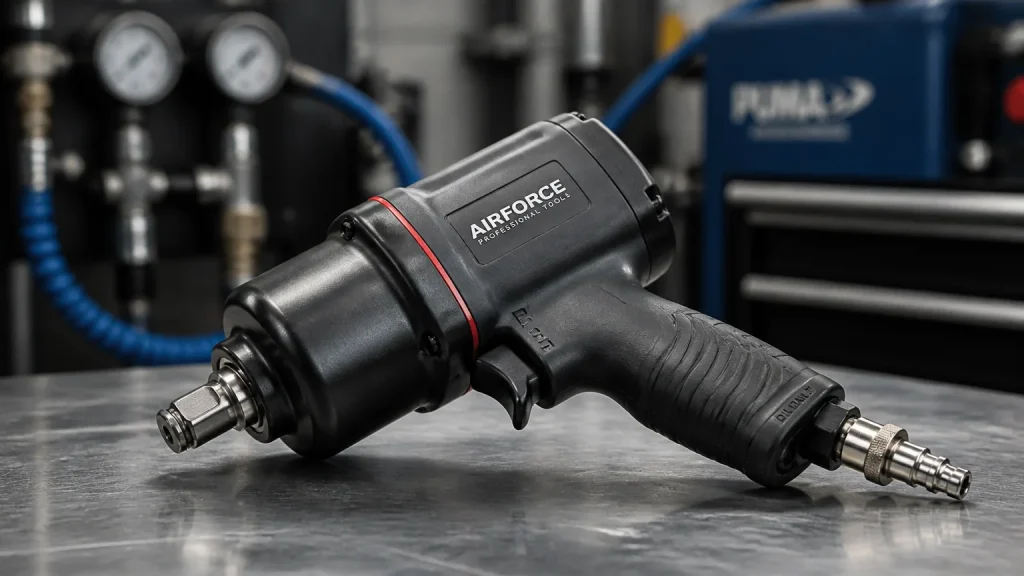
Pneumatic systems are widely used throughout manufacturing, construction, automotive, food processing, packaging, and material handling because they provide a reliable, efficient, and cost-effective method of powering industrial equipment. By using compressed air as the primary energy source, pneumatic systems deliver fast response times, consistent performance, and relatively simple maintenance compared to many hydraulic or electric alternatives.
From powering air tools and automated production equipment to controlling valves, cylinders, and robotic systems, pneumatic technology continues to play a critical role in modern industrial operations. This guide explores the advantages of pneumatic systems, common applications, maintenance best practices, and why they remain one of the most dependable solutions for industrial automation.
What Is a Pneumatic System?
A pneumatic system uses compressed air to transmit energy and perform mechanical work. Compressed air generated by an air compressor is stored, conditioned, and delivered through piping to operate cylinders, motors, valves, actuators, and pneumatic tools.
Primary Components of a Pneumatic System
A typical pneumatic system includes:
- Air compressor
- Air receiver tank
- Air dryer
- Air filters
- Pressure regulators
- Solenoid valves
- Pneumatic cylinders
- Air motors
- Tubing and fittings
- Lubricators (when required)
Together, these components provide clean, regulated compressed air for a wide variety of industrial processes.
Why Industries Choose Pneumatic Systems
Compressed air remains one of the most versatile power sources available in industrial environments. Pneumatic systems are valued for their simplicity, speed, reliability, and ability to operate continuously in demanding production environments.
Key Benefits Include
- Fast operation
- High reliability
- Low maintenance
- Simple installation
- Clean operation
- Excellent repeatability
- Reduced downtime
- Improved productivity
- Long equipment life
- Scalable automation
Because compressed air is readily available in many manufacturing facilities, pneumatic equipment integrates easily into existing production systems.
Improved Efficiency and Productivity
One of the primary reasons manufacturers invest in pneumatic systems is the ability to increase production efficiency while reducing manual labor.
Faster Equipment Operation
Pneumatic actuators respond almost instantly to control signals.
Common High-Speed Applications
- Assembly lines
- Packaging equipment
- Pick-and-place systems
- Sorting equipment
- Material handling
- Conveyor controls
- Automated fixtures
- Production machinery
Rapid response times allow production equipment to operate at higher cycle rates while maintaining consistent performance.
Increased Production Through Automation
Pneumatic automation eliminates many repetitive manual tasks.
Automation Can Improve
- Production speed
- Process consistency
- Product quality
- Labor efficiency
- Repeatability
- Manufacturing throughput
Automating repetitive operations allows employees to focus on quality control, equipment monitoring, and higher-value production activities.
Consistent Operating Performance
Unlike manually operated equipment, pneumatic systems provide repeatable motion with predictable force and speed.
This consistency improves manufacturing accuracy while reducing variation between production cycles.
Reliable Power for Industrial Tools
Compressed air powers thousands of industrial tools used every day across manufacturing and construction industries.
Common Pneumatic Tools
Air-powered equipment includes:
- Impact wrenches
- Ratchets
- Nail guns
- Riveters
- Grinders
- Sanders
- Chipping hammers
- Spray guns
- Air drills
- Caulking guns
Because pneumatic tools have relatively few moving parts, they often provide excellent durability under demanding operating conditions.
Improved Workplace Safety
Safety is a top priority in every industrial facility, and pneumatic systems offer several advantages that help create a safer working environment. Because they use compressed air instead of electrical current or combustible fuels to generate motion, pneumatic systems can often reduce hazards in many industrial applications.
Reduced Risk of Electrical Hazards
Unlike electrically powered actuators, pneumatic devices do not rely on electric motors at the point of operation.
This makes them well suited for environments where electrical sparks could pose risks, including facilities that handle:
- Dust
- Solvents
- Paints
- Flammable vapors
- Chemical products
Properly designed pneumatic systems can help reduce ignition risks in certain hazardous environments, though equipment should always comply with applicable safety standards and certifications.
Lightweight Ergonomic Tools
Many pneumatic hand tools weigh less than comparable electric models.
Benefits Include
- Reduced operator fatigue
- Improved maneuverability
- Better overhead operation
- Increased productivity
- Greater comfort during extended use
Reducing worker fatigue may also help improve consistency and reduce the likelihood of repetitive strain injuries.
Built-In Safety Features
Modern pneumatic equipment often incorporates numerous safety mechanisms.
Common Features
- Pressure relief valves
- Flow control valves
- Emergency shutoff valves
- Lockout capability
- Soft-start systems
- Automatic pressure regulation
These features help protect both equipment and personnel during normal operation and maintenance.
Lower Maintenance Requirements
One of the greatest advantages of pneumatic systems is their relatively simple mechanical design.
Because many pneumatic components contain fewer moving parts than comparable hydraulic or electric equipment, they often require less maintenance over their service life.
Fewer Mechanical Components
Pneumatic cylinders and valves generally operate using straightforward mechanical designs.
This simplicity often results in:
- Reduced wear
- Easier troubleshooting
- Faster repairs
- Lower maintenance costs
- Longer service intervals
Routine inspections and preventive maintenance help maximize equipment life while minimizing unexpected downtime.
Easy Component Replacement
Many pneumatic components are modular and designed for quick replacement.
Common replaceable components include:
- Air filters
- Pressure regulators
- Solenoid valves
- Quick-connect fittings
- Tubing
- Cylinders
- Lubricators
- Air preparation units
Replacing individual components is often faster and less expensive than repairing more complex mechanical systems.
Reduced Downtime
Equipment reliability directly affects production output.
Well-maintained pneumatic systems help reduce:
- Equipment failures
- Emergency repairs
- Production interruptions
- Unplanned downtime
- Lost productivity
A preventive maintenance program can significantly improve long-term system reliability.
Cost Savings Over Time
Although every application is different, pneumatic systems often provide an excellent return on investment due to their reliability and relatively low operating costs.
Lower Equipment Costs
Many pneumatic components are less expensive than equivalent hydraulic systems.
Initial investment may be reduced for:
- Air cylinders
- Valves
- Tubing
- Fittings
- Air tools
- Control components
Existing compressed air infrastructure can further reduce installation costs for facilities already using pneumatic equipment.
Reduced Maintenance Expenses
Because pneumatic equipment generally requires fewer repairs, long-term maintenance costs can be lower.
Routine maintenance typically consists of:
- Replacing filters
- Checking air leaks
- Inspecting hoses
- Draining moisture
- Monitoring air pressure
- Cleaning air preparation equipment
Preventive maintenance helps extend component life while minimizing repair expenses.
Improved Energy Efficiency
Although compressed air generation requires energy, modern pneumatic systems have become increasingly efficient.
Energy savings can often be achieved through:
- Leak detection programs
- Variable-speed compressors
- Proper pressure regulation
- Efficient air dryers
- High-efficiency compressors
- Proper system sizing
Reducing air leaks alone can significantly lower compressed air operating costs.
Versatility Across Industrial Applications
Few power systems are as adaptable as pneumatics.
Compressed air can operate equipment ranging from small precision actuators to large automated production systems.
Manufacturing
Manufacturers use pneumatic systems throughout production facilities.
Common applications include:
- Automated assembly
- Robotic equipment
- Packaging lines
- Labeling systems
- Press operations
- Material handling
- Product sorting
- Machine automation
Fast response times make pneumatic equipment ideal for high-speed manufacturing environments.
Automotive Industry
Automotive manufacturers rely heavily on pneumatic technology.
Applications include:
- Assembly tools
- Torque equipment
- Robotic fixtures
- Paint systems
- Conveyor controls
- Material transfer
- Quality inspection equipment
Compressed air supports both vehicle manufacturing and automotive repair operations.
Food and Beverage Processing
Properly designed pneumatic systems help maintain cleanliness in food production facilities.
Applications include:
- Packaging machinery
- Filling equipment
- Conveyor systems
- Product sorting
- Case packing
- Automated handling
Food-grade pneumatic components are available for applications requiring compliance with sanitary standards.
Construction
Construction professionals depend on pneumatic equipment for durability and portability.
Common pneumatic tools include:
- Framing nailers
- Roofing nailers
- Jackhammers
- Air chisels
- Impact wrenches
- Spray equipment
- Concrete breakers
- Riveting tools
These tools provide consistent power while remaining relatively lightweight compared to many alternatives.
Environmental Benefits of Pneumatic Systems
Modern pneumatic systems can contribute to sustainability initiatives when they are properly designed, maintained, and operated efficiently. While compressed air production requires electricity, advances in compressor technology and air management have significantly improved overall system efficiency.
Cleaner Power Transmission
Pneumatic systems use compressed air rather than hydraulic fluids to generate motion.
Benefits may include:
- Reduced risk of fluid contamination
- Cleaner work environments
- Fewer environmental cleanup concerns
- Simplified maintenance
- Reduced disposal of hydraulic fluids
In applications where leaks are unavoidable, compressed air generally presents fewer environmental concerns than leaking hydraulic oil.
Reduced Energy Waste
Energy efficiency depends largely on system design and maintenance.
Best practices include:
- Repairing air leaks promptly
- Installing properly sized compressors
- Maintaining filters and dryers
- Using pressure regulators
- Monitoring system pressure
- Eliminating unnecessary compressed air use
Regular energy audits can identify opportunities to reduce operating costs while improving overall system performance.
Long Equipment Service Life
Well-maintained pneumatic components often remain in service for many years.
Longer equipment life helps reduce:
- Replacement costs
- Manufacturing waste
- Equipment disposal
- Resource consumption
Preventive maintenance supports both operational efficiency and long-term sustainability goals.
Preventive Maintenance Best Practices
Routine maintenance is essential for maximizing pneumatic system reliability and minimizing downtime.
Inspect Air Leaks Regularly
Air leaks are among the largest sources of energy loss in compressed air systems.
Common leak locations include:
- Hose connections
- Quick-connect fittings
- Valves
- Air cylinders
- Threaded fittings
- Regulators
- Flexible tubing
Even small leaks can increase compressor run time and significantly raise energy costs over the course of a year.
Replace Air Filters
Clean air is essential for reliable pneumatic performance.
Dirty filters can cause:
- Reduced airflow
- Pressure loss
- Component wear
- Moisture contamination
- Lower system efficiency
Replace filters according to the manufacturer’s recommended maintenance schedule.
Drain Moisture From Air Systems
Compressed air naturally contains moisture that condenses as air cools.
Moisture can lead to:
- Internal corrosion
- Frozen airlines
- Valve failures
- Cylinder damage
- Reduced tool performance
Automatic drains and properly maintained air dryers help keep moisture under control.
Verify System Pressure
Operating at incorrect pressure can reduce performance and shorten equipment life.
Regularly inspect:
- Pressure regulators
- Pressure gauges
- Compressor settings
- Air receivers
- Distribution lines
Maintaining proper operating pressure helps improve both efficiency and equipment longevity.
Lubricate Components When Required
Not all pneumatic equipment requires lubrication, but components designed for lubricated air should receive the proper lubricant.
Always follow the manufacturer’s recommendations regarding:
- Lubricant type
- Lubrication intervals
- Air preparation equipment
- Oil levels
- Maintenance procedures
Using incorrect lubricants may damage seals and reduce component life.
Frequently Asked Questions
What industries use pneumatic systems?
Pneumatic systems are commonly found in:
- Manufacturing
- Automotive production
- Construction
- Food processing
- Pharmaceutical manufacturing
- Warehousing
- Packaging
- Agriculture
- Material handling
- Robotics
Their versatility makes them suitable for both light-duty and heavy-duty industrial applications.
Are pneumatic systems better than hydraulic systems?
Neither technology is universally better. The best choice depends on the application.
Pneumatic systems generally offer:
- Faster operating speeds
- Cleaner operation
- Lower maintenance
- Simpler installation
- Lower component costs
Hydraulic systems are typically preferred when applications require extremely high force or heavy lifting capabilities.
How long do pneumatic components last?
Service life varies depending on operating conditions, maintenance practices, air quality, and duty cycle.
With proper preventive maintenance, many pneumatic components provide years of reliable service before requiring replacement.
What is the biggest cause of pneumatic system inefficiency?
Air leaks are one of the most common causes of reduced efficiency.
Additional factors include:
- Dirty filters
- Moisture contamination
- Incorrect pressure settings
- Poor compressor maintenance
- Undersized piping
- Improper system design
Regular inspections help identify these issues before they significantly affect performance.
Can pneumatic systems be automated?
Yes. Pneumatic systems are widely used in industrial automation.
They can be integrated with:
- PLCs (Programmable Logic Controllers)
- Sensors
- Solenoid valves
- Robotics
- Vision systems
- Automated production equipment
This makes them an excellent choice for manufacturers seeking to improve productivity and consistency.
Conclusion
Pneumatic systems continue to be one of the most dependable and versatile power solutions for industrial operations. Their ability to deliver fast, repeatable motion with relatively simple components makes them ideal for manufacturing, construction, packaging, automotive production, material handling, and countless other applications.
When properly designed and maintained, pneumatic systems offer numerous advantages, including improved productivity, enhanced workplace safety, lower maintenance requirements, reduced downtime, and long equipment service life. Their flexibility also allows businesses to expand or modify production processes without extensive equipment changes.
Like any industrial system, long-term performance depends on routine preventive maintenance. Regular inspections, leak detection, filter replacement, moisture control, and proper pressure regulation help maximize efficiency while reducing operating costs.
Whether you’re building a new compressed air system, upgrading existing equipment, or maintaining pneumatic tools and automation components, investing in quality components and a proactive maintenance program can significantly improve operational performance.
If you’re looking for pneumatic fittings, air compressors, hoses, valves, regulators, cylinders, FRL units, compressed air accessories, industrial tools, or other MRO supplies, CEM Industrial Supply offers a wide selection of industrial products to help keep your pneumatic systems operating efficiently and reliably. Our team can help you find the right components and maintenance solutions for your specific application.