
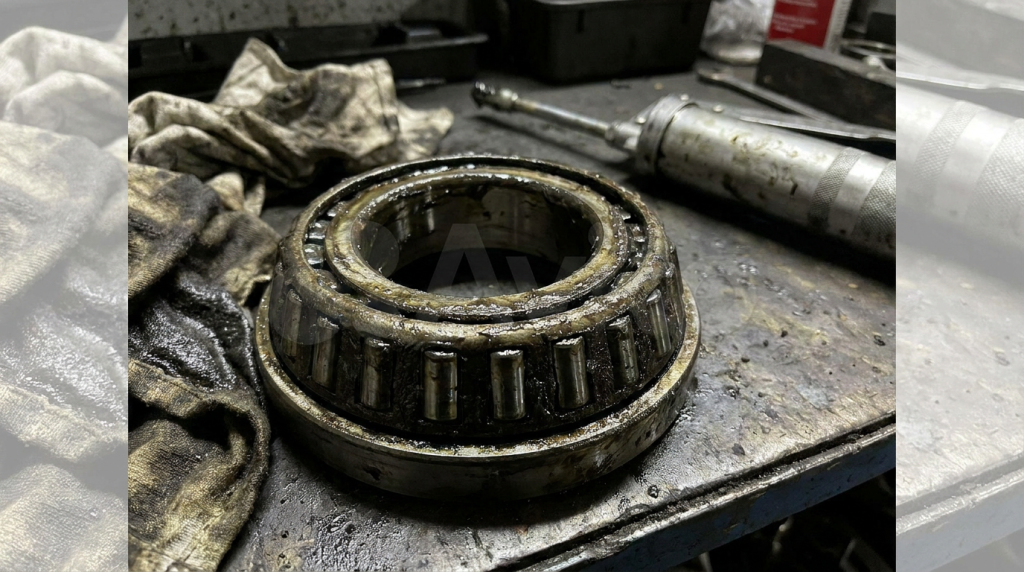
Common Bearing Lubrication Mistakes and How to Avoid Them
Proper bearing lubrication is one of the most important aspects of industrial equipment maintenance. Bearings support rotating shafts, reduce friction, carry radial and axial loads, and allow machinery to operate efficiently. However, even the highest-quality bearing can fail prematurely if it is lubricated incorrectly.
Whether you maintain electric motors, gearboxes, pumps, conveyors, compressors, fans, agricultural equipment, or manufacturing machinery, understanding proper lubrication practices can significantly improve equipment reliability, reduce downtime, and lower maintenance costs.
This comprehensive guide explains the most common bearing lubrication mistakes, why they occur, and how to avoid them.
Why Bearing Lubrication Matters
Lubrication creates a protective film between moving metal surfaces, reducing direct contact between rolling elements and raceways.
Proper lubrication helps:
- Reduce friction
- Minimize heat generation
- Prevent metal-to-metal contact
- Protect against corrosion
- Extend bearing life
- Reduce wear
- Lower energy consumption
- Improve equipment reliability
Without adequate lubrication, bearings can overheat, wear prematurely, and ultimately fail, resulting in expensive repairs and unplanned downtime.
Mistake #1: Using the Wrong Lubricant
One of the most common lubrication errors is selecting a lubricant that is not designed for the bearing’s operating conditions.
Not every grease or oil is suitable for every application. Lubricant selection should consider:
- Bearing type
- Operating speed
- Load
- Temperature
- Moisture exposure
- Environmental contaminants
- Manufacturer specifications
Choosing the Wrong Grease
Greases vary significantly in their formulation.
Common thickener types include:
- Lithium
- Lithium complex
- Calcium sulfonate
- Polyurea
- Aluminum complex
- Clay (bentonite)
Using the wrong grease may result in:
- Poor lubrication
- Grease separation
- Excessive heat
- Increased wear
- Reduced bearing life
Selecting the Wrong Oil Viscosity
Oil viscosity directly affects the lubricant film between bearing surfaces.
If viscosity is too low:
- Lubrication film becomes too thin.
- Wear increases.
- Metal contact occurs.
If viscosity is too high:
- Friction increases.
- Operating temperatures rise.
- Energy consumption increases.
Always follow equipment manufacturer recommendations when selecting lubricant viscosity.
Ignoring Manufacturer Specifications
Equipment manufacturers specify lubricant type, viscosity, relubrication intervals, and application methods for a reason.
Ignoring these recommendations can result in:
- Premature bearing failure
- Reduced equipment efficiency
- Increased maintenance costs
- Warranty concerns
Mistake #2: Over-Lubricating Bearings
Adding more grease than necessary is one of the most frequent lubrication mistakes.
Many technicians assume more grease provides better protection, but excessive lubrication often has the opposite effect.
Excess Grease Causes Churning
Overfilled bearing housings force rolling elements to push through excess grease.
This creates:
- Additional friction
- Increased operating temperatures
- Grease breakdown
- Energy loss
The bearing works harder simply to move through excess lubricant.
Damaged Bearing Seals
Excess grease pressure may damage seals.
Consequences include:
- Seal failure
- Lubricant leakage
- Contamination ingress
- Reduced bearing protection
Once seals are damaged, dirt and moisture can enter the bearing housing much more easily.
Grease Gun Output Matters
Not all grease guns deliver the same amount per stroke.
Without measuring grease gun output, technicians may unintentionally over-lubricate equipment.
Best practices include:
- Measure grease gun output.
- Label grease guns.
- Calculate grease quantities.
- Follow manufacturer recommendations.
Mistake #3: Under-Lubricating Bearings
Too little lubrication is equally damaging.
Insufficient lubricant allows direct metal contact between rolling elements and raceways.
Common Symptoms
Under-lubricated bearings often exhibit:
- Increased operating temperature
- Unusual vibration
- Bearing noise
- Surface discoloration
- Dry grease
- Premature bearing failure
Ignoring these warning signs can result in catastrophic equipment damage.
Missed Lubrication Intervals
Every bearing has a recommended lubrication interval based on:
- Operating hours
- Speed
- Load
- Temperature
- Bearing size
- Operating environment
Bearings operating in dusty, wet, or high-temperature environments generally require more frequent lubrication than those operating in clean indoor conditions.
Lubricant Leakage
Lubricant loss may occur because of:
- Worn seals
- Loose fittings
- Damaged housings
- Excess pressure
- Improper installation
Routine inspections help identify leaks before lubrication levels become critically low.
Mistake #4: Mixing Incompatible Greases
One of the most overlooked lubrication errors is mixing greases that are chemically incompatible. Although two greases may appear similar, differences in thickeners, base oils, and additive packages can negatively affect lubrication performance.
When incompatible greases are mixed, the resulting lubricant may lose its ability to properly protect the bearing.
Why Grease Compatibility Matters
Grease consists of three primary components:
- Base oil
- Thickener
- Performance additives
The thickener acts like a sponge that holds the lubricating oil until it is needed. When incompatible thickeners are mixed, the grease structure can break down.
This may result in:
- Oil separation
- Grease hardening
- Grease softening
- Poor lubrication
- Increased operating temperatures
- Premature bearing failure
Common Compatibility Issues
Not all grease formulations are designed to work together.
Examples include combinations of:
- Lithium and polyurea greases
- Calcium and aluminum complex greases
- Different synthetic grease formulations
- Specialty food-grade greases with conventional industrial greases
Before changing lubricant types, always verify compatibility with the lubricant manufacturer.
Best Practices When Changing Grease
If changing to a different grease:
- Verify compatibility.
- Remove as much old grease as possible.
- Purge the bearing thoroughly.
- Monitor operating temperatures after the change.
- Update maintenance documentation.
Maintaining consistent lubricant selection throughout the equipment’s service life helps reduce unnecessary lubrication problems.
Mistake #5: Allowing Contamination
Contamination is one of the leading causes of bearing failure in industrial environments.
Even microscopic contaminants can damage precision bearing surfaces.
Common contaminants include:
- Dirt
- Dust
- Water
- Metal particles
- Chemicals
- Process debris
Dirt and Dust
Airborne particles often enter bearings through:
- Damaged seals
- Dirty grease fittings
- Improper lubrication practices
- Poor storage
- Open lubricant containers
Once inside the bearing, contaminants act as abrasive particles that accelerate wear.
Moisture Contamination
Water contamination is especially harmful.
Moisture can cause:
- Corrosion
- Rust
- Oxidation
- Reduced lubricant film strength
- Bearing pitting
- Premature fatigue
Equipment operating outdoors or in washdown environments should use lubricants specifically designed to resist water contamination.
Dirty Lubrication Equipment
Contaminated grease guns and oil containers can introduce dirt directly into the bearing.
Lubrication equipment should always be:
- Clean
- Clearly labeled
- Properly stored
- Dedicated to specific lubricant types
Improper Lubricant Storage
Lubricants should be stored in clean, dry environments.
Recommended storage practices include:
- Keep containers sealed.
- Protect from moisture.
- Avoid direct sunlight.
- Rotate inventory.
- Clearly label all containers.
Proper storage helps preserve lubricant quality and reduce contamination.
Mistake #6: Ignoring Operating Conditions
Lubrication requirements change dramatically depending on the application’s operating conditions.
Important considerations include:
- Temperature
- Bearing speed
- Load
- Moisture exposure
- Chemical exposure
- Dust levels
- Vibration
Selecting lubricant without considering these factors often results in reduced bearing life.
High-Temperature Applications
Elevated temperatures accelerate lubricant degradation.
Potential issues include:
- Oxidation
- Oil evaporation
- Grease hardening
- Increased bearing temperatures
- Reduced lubricant film thickness
High-temperature applications often require synthetic lubricants or specialty high-temperature greases.
Low-Temperature Applications
Cold environments create different lubrication challenges.
Low temperatures may cause:
- Thickened grease
- Poor oil flow
- Difficult startup
- Increased friction
- Reduced lubrication
Special low-temperature lubricants remain fluid enough to protect bearings during startup.
High-Speed Bearings
Bearings operating at high RPM generate more heat and require careful lubricant selection.
High-speed applications often benefit from:
- Lower grease quantities
- Lower viscosity lubricants
- Synthetic oils
- Precision lubrication methods
Too much grease in a high-speed bearing frequently creates unnecessary heat.
Heavy Loads
Heavy loads require lubricants capable of maintaining a strong protective film.
These applications often benefit from:
- Higher viscosity oils
- Extreme-pressure (EP) additives
- Anti-wear additives
- Specialized industrial greases
Always follow equipment manufacturer recommendations for heavily loaded machinery.
Mistake #7: Poor Lubrication Scheduling
A successful lubrication program depends on both selecting the correct lubricant and applying it at the proper interval.
Using Only Calendar-Based Maintenance
Many facilities lubricate equipment on fixed schedules without considering actual operating conditions.
This can result in:
- Over-lubrication
- Under-lubrication
- Increased maintenance costs
- Reduced bearing life
A one-size-fits-all schedule rarely provides optimal results.
Implementing Condition-Based Lubrication
Modern maintenance programs increasingly rely on condition monitoring rather than fixed intervals.
Common predictive maintenance techniques include:
- Vibration analysis
- Ultrasound monitoring
- Temperature monitoring
- Oil analysis
- Visual inspections
- Operating hour tracking
These tools help determine when lubrication is actually required.
Maintaining Accurate Records
Good maintenance records improve consistency and troubleshooting.
Lubrication documentation should include:
- Equipment ID
- Lubricant type
- Quantity applied
- Service date
- Technician
- Observations
- Follow-up recommendations
Accurate records help identify recurring problems and improve long-term reliability.
Mistake #8: Using the Wrong Lubrication Method
Selecting the proper lubricant is only part of an effective lubrication program. The method used to deliver lubricant to the bearing is equally important. Applying grease or oil incorrectly can lead to inadequate lubrication, overheating, contamination, or premature bearing failure.
Different applications require different lubrication methods based on bearing size, operating speed, load, accessibility, and environmental conditions.
Manual Greasing
Manual grease application remains one of the most common lubrication methods in industrial facilities.
Benefits include:
- Low equipment cost
- Simple application
- Flexible maintenance scheduling
- Suitable for many industrial bearings
However, manual lubrication depends heavily on technician skill.
Common mistakes include:
- Applying grease too quickly
- Using the wrong grease
- Applying an incorrect amount
- Failing to clean grease fittings
- Missing scheduled lubrication intervals
Always clean grease fittings before connecting the grease gun to prevent contaminants from entering the bearing.
Automatic Lubrication Systems
Automatic lubricators provide consistent lubrication at predetermined intervals.
Advantages include:
- Consistent lubricant delivery
- Reduced labor requirements
- Improved reliability
- Safer lubrication of hard-to-reach equipment
- Reduced risk of over- or under-lubrication
Automatic systems still require routine inspection to ensure proper operation and lubricant flow.
Oil Bath Lubrication
Oil bath lubrication is commonly used for gearboxes, pillow block bearings, and other enclosed rotating equipment.
Proper oil level is critical.
Too little oil may result in:
- Lubricant starvation
- Increased wear
- Excessive temperatures
Too much oil may cause:
- Churning
- Increased heat
- Reduced efficiency
- Foaming
Oil levels should be inspected regularly using sight glasses or level indicators.
Circulating Oil Systems
Large industrial equipment often uses circulating oil systems to continuously lubricate bearings.
These systems typically include:
- Oil pumps
- Filters
- Heat exchangers
- Reservoirs
- Monitoring equipment
Routine maintenance should include inspection of:
- Oil cleanliness
- Oil pressure
- Oil temperature
- Filter condition
- Flow rate
Oil Mist and Air-Oil Lubrication
High-speed applications may use oil mist or air-oil lubrication systems.
These systems provide:
- Reduced lubricant consumption
- Improved cooling
- Consistent lubrication
- Lower operating temperatures
Proper setup and maintenance are essential to ensure adequate lubricant delivery.
Mistake #9: Ignoring Installation and Alignment Issues
Even perfect lubrication cannot compensate for poor bearing installation or improper alignment.
Mechanical issues often contribute to premature bearing failure despite using the correct lubricant.
Improper Bearing Installation
Incorrect installation techniques can damage bearings before they are ever placed into service.
Common installation mistakes include:
- Using excessive force
- Hammering directly on bearing components
- Heating bearings improperly
- Damaging seals during installation
- Contaminating bearings during handling
Proper installation tools and procedures help maximize bearing service life.
Shaft and Housing Misalignment
Misalignment creates uneven loading across the bearing.
Consequences include:
- Increased vibration
- Higher operating temperatures
- Lubricant breakdown
- Accelerated wear
- Reduced bearing life
Precision alignment during installation helps ensure even load distribution.
Incorrect Fits and Clearances
Bearings must be installed using the proper shaft and housing tolerances.
Improper fits may cause:
- Bearing creep
- Excessive preload
- Increased heat
- Noise
- Premature failure
Always follow manufacturer recommendations for shaft tolerances and internal clearances.
Damaged Seals
Bearing seals play an essential role in keeping lubricant inside while preventing contaminants from entering.
Damaged seals may allow:
- Dirt intrusion
- Moisture contamination
- Grease leakage
- Reduced bearing protection
Inspect seals during every maintenance interval and replace damaged components promptly.
Mistake #10: Failing to Investigate Repeated Bearing Failures
Replacing the same bearing repeatedly without identifying the underlying cause often results in recurring failures and unnecessary maintenance costs.
A failed bearing is usually a symptom rather than the root problem.
Perform Root Cause Analysis
Root cause analysis helps determine why the bearing failed.
Potential causes include:
- Incorrect lubricant
- Contamination
- Misalignment
- Over-lubrication
- Under-lubrication
- Electrical damage
- Excessive loading
- Improper installation
- Vibration
Correcting the underlying issue helps prevent future failures.
Inspect Failed Bearings
Failed bearings provide valuable information about operating conditions.
Inspect for:
- Wear patterns
- Corrosion
- Surface fatigue
- Lubricant condition
- Discoloration
- Overheating
- Cage damage
Documenting these findings improves future maintenance decisions.
Analyze Lubricants
Oil and grease analysis can reveal problems before catastrophic failure occurs.
Lubricant testing may identify:
- Water contamination
- Dirt contamination
- Oxidation
- Wear metals
- Additive depletion
- Viscosity changes
Routine lubricant analysis supports predictive maintenance programs.
Bearing Lubrication Best Practices
An effective lubrication program combines proper planning, technician training, and continuous monitoring.
Select the Correct Lubricant
Consider:
- Bearing design
- Operating speed
- Load
- Temperature
- Environment
- Manufacturer recommendations
Apply the Correct Quantity
Avoid guessing.
Use:
- Manufacturer lubrication charts
- Grease quantity calculations
- Measured grease gun output
- Automatic lubrication settings
Maintain Clean Lubrication Practices
Reduce contamination by:
- Cleaning grease fittings
- Using dedicated grease guns
- Storing lubricants properly
- Keeping containers sealed
- Labeling lubricants clearly
Train Maintenance Personnel
Effective lubrication programs depend on knowledgeable technicians.
Training should include:
- Lubricant identification
- Application methods
- Grease compatibility
- Safety procedures
- Inspection techniques
- Documentation requirements
Monitor Equipment Performance
Use predictive maintenance tools such as:
- Vibration analysis
- Infrared thermography
- Ultrasound testing
- Oil analysis
- Visual inspections
These techniques help identify lubrication problems before equipment fails.
Frequently Asked Questions
What is the most common bearing lubrication mistake?
Over-lubrication is one of the most common mistakes. Adding excessive grease can increase operating temperatures, damage seals, and shorten bearing life. Applying the correct amount according to manufacturer recommendations is essential.
Can different greases be mixed?
Not always. Some grease formulations are incompatible and may separate, harden, soften, or lose their lubricating properties when mixed. Always verify compatibility before changing lubricants.
How often should bearings be lubricated?
Lubrication intervals depend on operating conditions, bearing size, speed, load, temperature, and contamination levels. Many facilities use condition monitoring rather than fixed schedules to determine optimal lubrication intervals.
What are the signs of poor bearing lubrication?
Common warning signs include:
- Increased temperature
- Excessive vibration
- Unusual noise
- Grease leakage
- Discolored lubricant
- Increased power consumption
- Premature bearing wear
Routine inspections help identify these issues before they lead to equipment failure.
Why is contamination so harmful?
Contaminants such as dirt, dust, moisture, and metal particles act as abrasives inside the bearing. They accelerate wear, reduce lubricant effectiveness, promote corrosion, and significantly shorten bearing service life.
Conclusion
Proper bearing lubrication is one of the most cost-effective ways to improve equipment reliability, reduce downtime, and extend machinery life. While lubrication may appear to be a simple maintenance task, errors such as using the wrong lubricant, over-greasing, under-greasing, mixing incompatible greases, allowing contamination, ignoring operating conditions, and failing to investigate repeated failures can dramatically reduce bearing performance.
A successful lubrication program combines the right lubricant, proper application methods, routine inspections, contamination control, technician training, and predictive maintenance techniques. By following manufacturer recommendations and implementing consistent lubrication practices, maintenance teams can improve operational efficiency while reducing repair costs and unexpected equipment failures.
If you’re looking for industrial lubricants, bearing greases, synthetic oils, lubrication equipment, grease guns, automatic lubricators, bearings, seals, power transmission components, or other MRO products, CEM Industrial Supply offers a wide selection of high-quality maintenance solutions to help keep your equipment operating at peak performance. Our experienced team can help you select the right lubrication products for your specific application and maintenance requirements.