
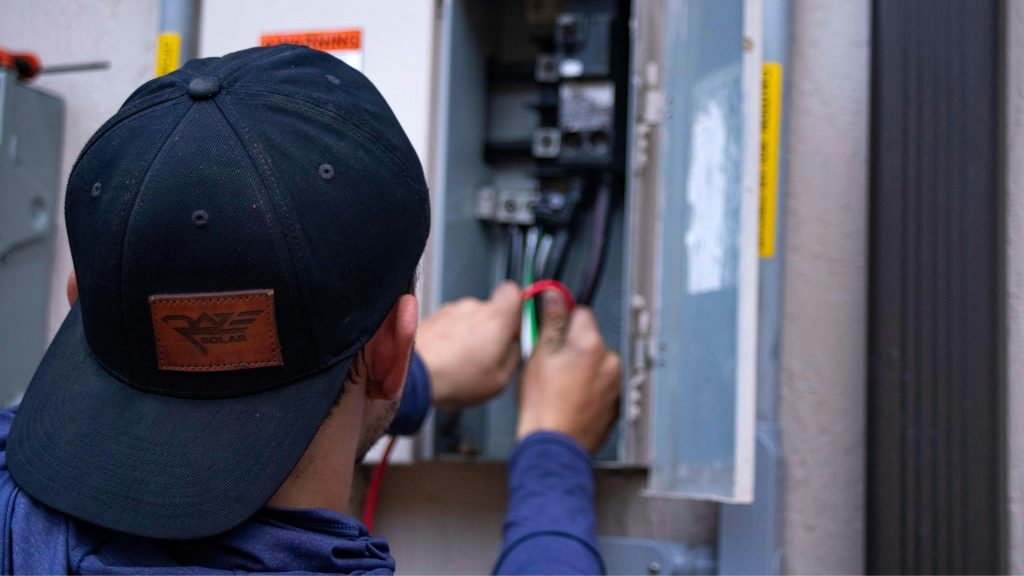
Industrial electrical supply solutions are, at their core, about making sure businesses have the right kind of power, in the right quantity, exactly when and where they need it to keep their operations humming. It’s not just flicking a switch; it’s a whole ecosystem of components, services, and expertise designed to deliver reliable, efficient, and safe electricity to factories, plants, and other industrial facilities. From the initial power entry point to the tiny motors on a production line, every aspect needs careful consideration.
Before you even think about solutions, you need a clear picture of what you’re trying to power. This isn’t a one-size-fits-all scenario, and getting it wrong can lead to serious headaches, from frequent downtimes to safety hazards.
Assessing Current and Future Load Requirements
What equipment are you running now? What are its voltage, current, and power factor needs? More importantly, what are you planning for the future? Are you adding new machinery, expanding production lines, or changing processes? Overlooking future growth is a common pitfall. A power system designed for today’s needs might be woefully inadequate tomorrow, leading to costly upgrades down the line. We’re talking about everything from HVAC systems and lighting to heavy machinery, robotics, and industrial furnaces. Each has unique demands.
Identifying Environmental Challenges
Industrial environments are often far from sterile office spaces. Heat, dust, moisture, corrosive chemicals, and even explosive atmospheres can all play havoc with electrical components. Your electrical solutions need to be robust enough to withstand these conditions. For instance, a food processing plant will have very different environmental considerations (like washdown requirements) than a mining operation (which might deal with explosive gases). Knowing these challenges upfront helps in selecting appropriately rated and protected equipment.
Considering Regulatory Compliance
Industrial electrical systems are, rightly so, heavily regulated. Safety is paramount. You’ll need to adhere to national and local electrical codes (like NFPA 70/NEC in the US, or IEC standards internationally), as well as industry-specific regulations. Non-compliance isn’t just a legal risk; it’s a safety hazard that can lead to injury, property damage, and operational shutdowns. Keeping up with these can be a full-time job in itself, making expert guidance invaluable.
Budgeting for Initial Investment and Long-Term Costs
It’s not just the upfront cost of equipment. Installation, maintenance, and energy consumption all contribute to the total cost of ownership. Sometimes a slightly more expensive initial investment in energy-efficient equipment can save you a significant amount in electricity bills over its lifespan. Thinking about the long game here pays off.
For those interested in the latest trends and innovations in industrial electrical supply, you might find the article on energy-efficient solutions particularly insightful. This piece discusses how advancements in technology are shaping the future of electrical supply systems, making them more sustainable and cost-effective. To read more, visit the article here: Energy-Efficient Solutions in Industrial Electrical Supply.
Key Components of Industrial Electrical Supply
Once you understand the ‘what’, you can start looking at the ‘how’. Industrial electrical systems are a series of interconnected components, each playing a crucial role.
Incoming Power and Distribution
This is where the electricity first enters your facility. It’s the gateway from the utility grid to your operations.
Utility Connection and Transformers
The electricity from the utility typically comes in at a higher voltage than most industrial equipment can handle. Transformers step down this voltage to a usable level. Properly sized transformers are crucial for efficiency and to prevent overloading. They’re often large, oil-filled units that need careful placement and maintenance.
Main Switchgear and Circuit Breakers
Main switchgear houses the primary circuit breakers and protection devices for the entire facility. These are the big “off switches” that can isolate entire sections of your plant or disconnect the facility from the grid in an emergency. Circuit breakers protect against overcurrents and short circuits, preventing damage to equipment and fires.
Busbar Systems
Busbars are essentially robust, low-resistance conductors (often copper or aluminum bars) that distribute high currents from switchgear to various distribution panels. They’re common in large facilities because they are reliable, efficient, and can handle significant power loads compared to individual cables.
Power Control and Protection
Beyond getting power into the building, you need to manage and protect it.
Motor Control Centers (MCCs)
MCCs are centralized enclosures that contain motor starters, circuit breakers, and other control components for a group of motors. They make it easier to manage and protect multiple motors, which are often the workhorses of an industrial plant. Think of them as the brain for your motor operations.
Variable Frequency Drives (VFDs)
VFDs allow you to precisely control the speed of AC motors. This isn’t just about turning things on and off; it’s about fine-tuning operations. For example, controlling the speed of a pump or fan can lead to significant energy savings and better process control, reducing wear and tear on machinery.
Surge Protection Devices (SPDs)
Electrical surges, whether from lightning strikes or utility switching, can wreak havoc on sensitive industrial electronics. SPDs divert these excess voltages away from equipment, protecting your valuable assets from damage and minimizing costly downtime.
Grounding and Bonding Systems
Proper grounding and bonding are non-negotiable for safety. A well-designed grounding system provides a safe path for fault currents, preventing dangerous voltages on equipment enclosures. Bonding ensures all metal components are at the same electrical potential, reducing shock hazards. This is one area where cutting corners can have catastrophic consequences.
Enhancing Reliability and Efficiency

Reliability means keeping things running, and efficiency means doing it with as little wasted energy as possible. Both directly impact your bottom line.
Redundancy and Backup Power Solutions
What happens if the main power goes out? For many industries, even a brief outage can be incredibly costly.
Uninterruptible Power Supplies (UPS)
UPS systems provide immediate, short-term power when the main supply fails. They use batteries to bridge the gap until backup generators can kick in or the utility power returns. Essential for critical control systems, data centers, and processes where even a momentary interruption can be disastrous.
Standby Generators
When the power is out for an extended period, generators take over. These primarily run on diesel or natural gas and can power large sections or even entire facilities for hours or days. Regular testing and maintenance are key to ensuring they work when needed most.
Dual Feeds and Automatic Transfer Switches (ATS)
Some facilities have two separate utility power feeds for maximum reliability. An Automatic Transfer Switch (ATS) automatically detects a loss of power on one feed and switches to the other, often so quickly that critical equipment doesn’t even notice an interruption. This builds resilience into your power supply.
Power Factor Correction
Many industrial loads, especially motors, create what’s called reactive power, which doesn’t do any useful work but still needs to be supplied by the utility. This leads to inefficiencies. Power factor correction equipment (like capacitor banks) reduces this reactive power, leading to:
- Lower electricity bills: Utilities often charge penalties for low power factor.
- Increased system capacity: Freeing up capacity on transformers and cables.
- Reduced losses: Less wasted energy as heat in your electrical system.
It’s a straightforward way to save money and improve your power quality.
Energy Management Systems (EMS)
An EMS is a sophisticated system that monitors, controls, and optimizes energy consumption within your facility. It uses data from various sensors and meters to identify inefficiencies, schedule equipment operation for optimal times, and provide insights into energy usage patterns. This active management can lead to significant energy savings and better operational control.
Safety and Maintenance Protocols

No matter how well-designed an electrical system is, it needs vigilance and care. Safety and maintenance are ongoing commitments.
Regular Inspections and Preventative Maintenance
Electrical systems don’t just run themselves. Scheduled inspections by qualified personnel can identify potential issues before they become critical failures. This includes checking connections, verifying insulation integrity, cleaning components, and testing protective devices. Preventative maintenance greatly extends the lifespan of equipment and prevents costly unplanned downtime.
Arc Flash Hazard Analysis and Mitigation
Arc flash is a serious hazard in industrial electrical systems, where a sudden short circuit can create an explosive burst of light and heat. An arc flash analysis identifies these risks, determines safe working distances, and helps businesses implement mitigation strategies, such as appropriate Personal Protective Equipment (PPE) and safer equipment designs. It’s about protecting the people working on your electrical systems.
Lockout/Tagout Procedures
When maintenance is performed, ensuring equipment is de-energized and cannot be accidentally re-energized is paramount. Lockout/Tagout (LOTO) procedures are a critical safety protocol that uses physical locks and tags to prevent accidental equipment startup during service or maintenance. This protects workers from unexpected energization or release of stored energy.
Employee Training and Qualification
The best equipment in the world is only as good as the people operating and maintaining it. Regular training for employees on electrical safety, equipment operation, emergency procedures, and LOTO is essential. Only qualified and authorized personnel should work on or near electrical systems. Investment in training is an investment in safety and operational continuity.
When considering the maintenance of industrial electrical systems, understanding when to replace equipment rather than opting for repairs can be crucial for operational efficiency. A helpful resource on this topic is an article that discusses the decision-making process involved in motor repairs, which can significantly impact your overall electrical supply strategy. For more insights, you can read the article on motor repair decisions. This information can aid in making informed choices that enhance the reliability and performance of your industrial operations.
The Role of Expertise and Partnership
| Metrics | 2019 | 2020 | 2021 |
|---|---|---|---|
| Revenue (in millions) | 245 | 260 | 275 |
| Number of Customers | 1200 | 1300 | 1400 |
| Market Share (%) | 15 | 16 | 17 |
Navigating the complexities of industrial electrical supply isn’t something most businesses do in-house. It often requires specialized knowledge.
Electrical Engineering and Design Consulting
For new builds, expansions, or significant overhauls, electrical engineers are crucial. They design the entire power distribution system, select appropriate equipment, ensure compliance with codes, and optimize for efficiency and reliability. Their early involvement can prevent costly mistakes.
Qualified Electrical Contractors
Once a design is in place, qualified electrical contractors are the ones who bring it to life. They handle the installation, wiring, testing, and commissioning of all electrical components. It’s vital to choose contractors with specific experience in industrial environments, as their work often involves high voltages and complex systems.
Ongoing Support and Service Agreements
A robust electrical system needs ongoing support. Many providers offer service agreements that include scheduled maintenance, emergency response, and system monitoring. This partnership ensures that your electrical infrastructure remains reliable, efficient, and safe for the long haul. Think of it as having a dedicated team focused on keeping your power flowing, allowing you to focus on your core business.
Ultimately, industrial electrical supply solutions are about more than just wires and circuits. They’re about empowering businesses to operate efficiently, safely, and without interruption. It’s a foundational element of any successful industrial operation, and getting it right involves careful planning, quality components, and a commitment to safety and ongoing maintenance.