
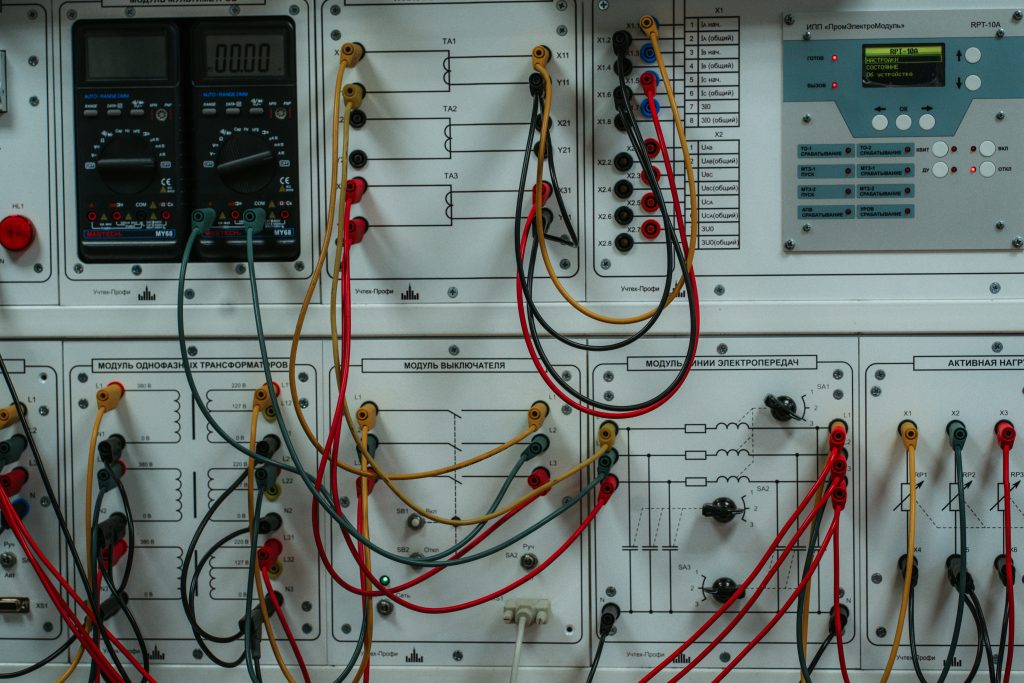
Electrical testing is fundamental to ensuring safety in any environment where electricity is present, from industrial settings to our own homes. It’s not just about ticking a box; it’s about actively preventing accidents, extending equipment life, and maintaining a reliable electrical system. When done correctly, electrical testing identifies potential hazards before they become dangerous problems, saving lives and resources.
Electrical testing goes beyond basic maintenance. It’s a proactive measure that mitigates the inherent risks associated with electricity. Think of it as a regular health check-up for your electrical system – catching small issues before they snowball into major, catastrophic failures.
Preventing Electrical Shocks and Electrocution
This is, undeniably, the most critical reason. Faulty wiring, ungrounded equipment, or compromised insulation can all lead to energized surfaces or components, posing a direct threat of electrical shock. Regular testing, particularly continuity and insulation resistance tests, can identify these vulnerabilities early on. Imagine a scenario where a frayed power tool cord is still “working” but has exposed wires. Regular portable appliance testing (PAT) would flag this immediately, preventing a hazardous situation for the user.
Mitigating Fire Hazards
Electrical faults are a leading cause of fires. Overloaded circuits, short circuits, and damaged wiring can generate intense heat, igniting combustible materials nearby. Thermal imaging during testing can spot hot spots that indicate overloaded circuits or loose connections, which are often precursors to electrical fires. Arc fault circuit interrupters (AFCIs) and ground fault circuit interrupters (GFCIs) are designed to trip when specific dangerous conditions occur, but only comprehensive testing can verify their functionality and the overall health of the circuits they protect.
Ensuring System Reliability and Efficiency
Beyond safety, regular testing contributes to the overall stability and efficiency of your electrical infrastructure. Identifying faulty components or deteriorating insulation can prevent unexpected outages and costly downtime. An efficient electrical system also consumes less energy, reducing operational costs in the long run. Consider a manufacturing plant: an unexpected power surge due to an unaddressed electrical fault can halt production, damage expensive machinery, and incur significant financial losses. Regular power quality analysis can detect voltage sags, swells, and harmonics that impact equipment performance and longevity.
For those interested in ensuring the longevity and safety of their electrical equipment, it’s essential to consider not only maintenance but also proper electrical testing. A related article that provides valuable insights on maintaining power tools is available at Power Tool Maintenance Tips to Extend the Life of Your Equipment. This resource offers practical tips that can complement your electrical testing practices, helping you keep your tools in optimal condition.
Key Types of Electrical Tests and Their Purpose
There’s a wide array of electrical tests, each designed to pinpoint specific issues. Understanding what each test does helps you appreciate its importance.
Insulation Resistance Testing (Megger Testing)
This test measures the integrity of the insulation material that surrounds conductors. Good insulation prevents current from flowing where it shouldn’t and reduces the risk of shocks and short circuits. A megohmmeter (or “megger”) applies a high voltage to the insulation and measures the leakage current. A low resistance reading indicates compromised insulation, often due to aging, moisture ingress, or mechanical damage. This is crucial for motors, transformers, and long cable runs. For example, in an older building, aged wiring might have brittle insulation, and a megger test would reveal this degradation, prompting replacement before a short circuit or fire occurs.
Continuity Testing
Continuity testing checks for an uninterrupted path for current to flow. Essentially, it confirms that a circuit is complete and that there are no breaks in the wiring. This test is vital for verifying proper grounding, checking fuses, and ensuring connections are secure. A simple multimeter can perform this, emitting a beep or showing a low resistance reading for a continuous path. If you’re troubleshooting a light fixture that isn’t working, a continuity test on the wiring can quickly tell you if there’s a broken wire or if the switch itself is faulty.
Grounding and Bonding Testing
Proper grounding and bonding are paramount for safety. Grounding provides a safe path for fault currents to return to the source, preventing dangerous voltage buildup on conductive surfaces. Bonding ensures that all non-current-carrying metal parts are at the same electrical potential, eliminating potential differences that could cause shocks. These tests verify the resistance of the ground electrode system and the integrity of bonding connections. Poor grounding can lead to equipment damage, unstable operation, and, most importantly, increased risk of electrocution. Think of lightning protection – a robust grounding system safely dissipates the immense energy of a lightning strike into the earth, protecting the structure and its occupants.
Portable Appliance Testing (PAT Testing)
PAT testing is specifically for portable and some fixed electrical appliances. It involves a visual inspection for damage (e.g., frayed cords, cracked casings) followed by electrical tests like earth continuity, insulation resistance, and sometimes leakage current. This is standard practice in workplaces to ensure that all plug-in equipment, from computers to power tools, meets safety standards. Imagine a construction site where workers use various power tools. Regular PAT testing ensures these tools are safe to handle, significantly reducing the risk of on-site electrical accidents.
Thermal Imaging (Infrared Testing)
Thermal imaging uses an infrared camera to detect heat signatures in electrical components. Overheating is often a sign of impending failure, overloaded circuits, loose connections, or imbalanced loads. This non-contact, non-destructive test can identify problems without disrupting operations. It’s particularly useful in switchboards, motor control centers, and high-voltage systems. A thermal scan might show a circuit breaker or relay glowing red hot, indicating an issue that would otherwise go unnoticed until a full-blown failure or fire.
Who Should Conduct Electrical Testing?
While some basic tests can be done by a curious homeowner, professional electrical testing requires specific expertise and certified equipment.
Qualified Electricians
For most residential and commercial settings, a licensed and experienced electrician is your go-to. They are trained in interpreting electrical codes, using test equipment safely, and understanding the nuances of electrical systems. They’ll also be able to provide detailed reports and recommendations.
Specialized Testing Companies
For larger industrial facilities, complex systems, or specific high-voltage applications, specialized electrical testing companies might be necessary. These companies often possess highly sophisticated equipment and personnel certified for specific types of tests, like relay calibration, transformer oil analysis, or partial discharge testing.
In-house Maintenance Teams (with proper training)
In some larger organizations, in-house maintenance teams may be trained and equipped to perform routine electrical testing. However, ongoing training, calibration of equipment, and adherence to safety protocols are crucial. This approach can be cost-effective for frequent testing, but critical or complex testing should still be outsourced.
Implementing a Robust Testing Schedule
Setting up a regular testing schedule is crucial. It’s not just a one-off event.
New Installations and Major Modifications
Any new electrical installation or significant modification (e.g., adding a new circuit, replacing a distribution board) must be fully tested before being energized and put into service. This verifies that the installation complies with all relevant standards and codes right from the start. This includes visual inspections, continuity of protective conductors, insulation resistance, polarity, and earth fault loop impedance.
Routine Preventative Maintenance
The frequency of routine testing depends on several factors: the type of installation, its age, environmental conditions, and the criticality of the electrical supply. For residential properties, the general recommendation for a periodic inspection and test is typically every 10 years, or when a change of occupancy occurs. For commercial and industrial settings, this period is often much shorter – annually or every three to five years, depending on the specific equipment and operational demands. For example, heavy industrial machinery might require quarterly or even monthly checks for specific components.
After Repairs or Incidents
If any electrical repair has been made, or if there’s been an electrical incident (like a short circuit or a power surge), relevant sections of the electrical system should be re-tested to confirm the repair is sound and no new issues were introduced or exposed by the incident. This is a critical step in preventing recurrence or escalation of problems.
When considering the importance of electrical testing in various applications, it is essential to understand the materials used in related processes. For instance, the choice between aluminum oxide and zirconia sanding belts can significantly impact the efficiency of electrical components. A detailed discussion on this topic can be found in a related article that explores the differences between these materials and their implications for performance. You can read more about it in this insightful piece on sanding belt types.
Common Mistakes to Avoid in Electrical Testing
Even with good intentions, errors can happen. Being aware of common pitfalls helps ensure effective and safe testing.
Not Following Safety Protocols
Electricity is dangerous. Always assume a circuit is live until you have verified it is dead using appropriate lockout/tagout procedures and a voltage tester. Wear appropriate Personal Protective Equipment (PPE) – insulated gloves, safety glasses, and flame-retardant clothing when necessary. Rushing or cutting corners on safety can have catastrophic consequences. This isn’t just about personal injury; it’s also about preventing damage to expensive equipment with accidental shorts.
Using Uncalibrated or Faulty Equipment
Test instruments need to be accurate. Using equipment that hasn’t been calibrated regularly can lead to false readings – either overstating or understating a problem. This can result in either unnecessary repairs or, worse, failure to detect a critical safety hazard. Calibration ensures that the instrument’s measurements fall within specified tolerances.
Lack of Documentation
Proper documentation of all tests performed, including readings, dates, who performed the test, and any issues found along with the corrective actions taken, is invaluable. This creates an historical record that helps track trends, identify recurring problems, and plan future maintenance. Lack of documentation makes it difficult to justify maintenance budgets or demonstrate compliance with safety regulations. Imagine trying to prove due diligence in a legal case without comprehensive records.
Ignoring Environmental Factors
Temperature, humidity, and dust can all affect electrical components and test results. For instance, insulation resistance can be significantly lower in humid conditions. Understanding these environmental influences helps in interpreting results accurately and planning maintenance strategies (e.g., dehumidification in certain areas). Testing insulation in extremely cold conditions might yield artificially high readings, masking a problem that would become apparent under normal operating temperatures.
Inadequate Training or Understanding
As mentioned, electrical testing requires specialized knowledge. Allowing untrained personnel to perform tests is a recipe for disaster. Testers need to understand the principles behind each test, how to use the equipment correctly, how to interpret the results, and what corrective actions are appropriate. A technician might perform a PAT test but not understand the implications of a high earth leakage reading, dismissing it as “normal” when it indicates a serious fault.
By following these principles and committing to a schedule of regular, thorough electrical testing, you’re not just complying with regulations; you’re actively investing in the safety, reliability, and longevity of your electrical systems and the well-being of everyone who interacts with them. Don’t view it as an expense, but as an essential preventative measure.
FAQs
What is electrical testing?
Electrical testing is the process of evaluating the performance and safety of electrical systems and equipment. It involves measuring and analyzing various electrical parameters to ensure that the systems and equipment are functioning properly and are in compliance with safety standards.
Why is electrical testing important?
Electrical testing is important for ensuring the safety and reliability of electrical systems and equipment. It helps identify potential issues, prevent electrical failures, and ensure compliance with regulatory standards. Regular testing can also help prevent accidents and minimize downtime.
What are the different types of electrical testing?
There are various types of electrical testing, including insulation resistance testing, continuity testing, earth fault loop impedance testing, polarity testing, and RCD testing. Each type of testing serves a specific purpose in evaluating different aspects of electrical systems and equipment.
Who should perform electrical testing?
Electrical testing should be performed by qualified and trained professionals, such as electricians or electrical engineers, who have the necessary knowledge and expertise to conduct the tests safely and accurately. It is important to adhere to safety protocols and standards when performing electrical testing.
How often should electrical testing be conducted?
The frequency of electrical testing depends on the type of equipment and the environment in which it is used. Generally, electrical testing should be conducted regularly as part of a maintenance program, and specific intervals may be recommended by regulatory standards or equipment manufacturers. Regular testing helps ensure the ongoing safety and reliability of electrical systems and equipment.