
Keeping your car running smoothly usually boils down to staying on top of a few key mechanical repairs. Even if you’re not a gearhead, understanding these basics can save you a lot of headache and money down the road. This article will walk you through the essential mechanical fixes every car owner should be aware of, helping you differentiate between a quick fix and a more involved repair.
The engine is the heart of your car, and keeping it healthy is paramount. Many engine-related issues can seem daunting, but a good mechanic can diagnose and fix them efficiently.
Oil Changes and Filter Replacements Are Non-Negotiable
This is probably the most commonly known maintenance task for a reason. Engine oil lubricates countless moving parts, reducing friction and heat. Over time, that oil breaks down and gets contaminated with dirt and debris.
- Why it’s essential: Old, dirty oil can lead to increased engine wear, reduced fuel efficiency, and ultimately, a shortened engine lifespan. A fresh oil filter is just as important, capturing the gunk before it circulates.
- When to do it: Most manufacturers recommend oil changes every 5,000 to 7,500 miles, or every six months, whichever comes first. Synthetic oils often allow for longer intervals. Check your owner’s manual for specific recommendations for your vehicle.
Timing Belt or Chain: A Critical Component
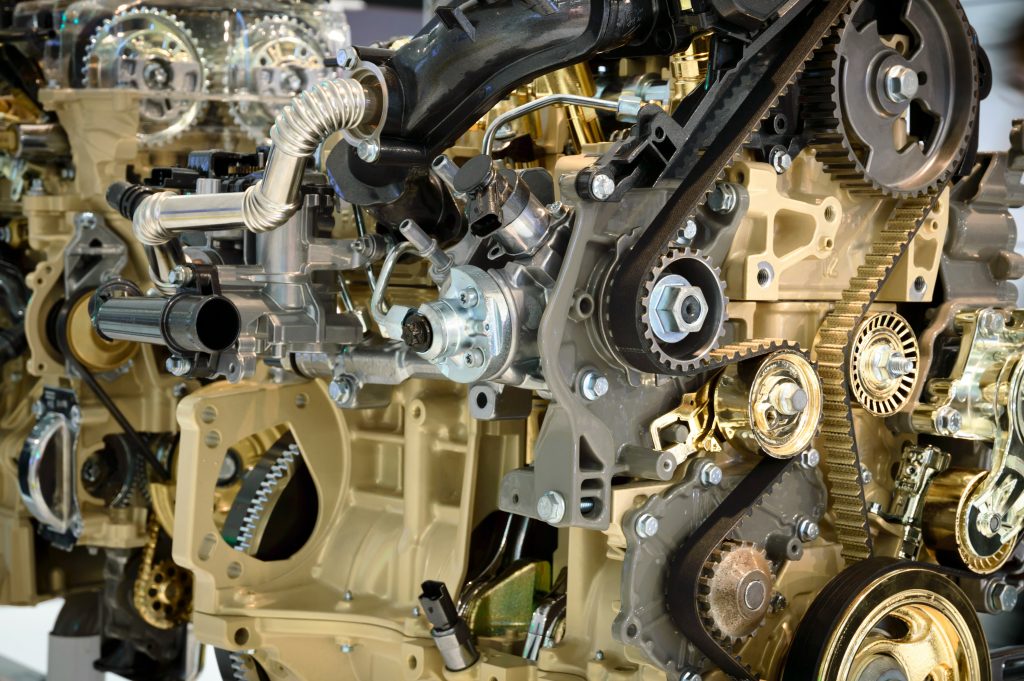
The timing belt (or chain) synchronizes the rotation of the camshaft and crankshaft, ensuring valves open and close at the right time in relation to the pistons. If it fails, the consequences can be catastrophic for your engine.
- Belt vs. Chain: Most modern cars use a timing chain, which is designed to last the life of the vehicle. Older cars or some specific models might have a timing belt. Belts are made of rubber and wear out over time.
- Signs of trouble (timing belt): While a timing belt often gives no warning before failing, some signs of imminent failure might include a ticking noise from the engine during startup, visible cracks or fraying on the belt (if accessible), or difficulty starting the car.
- Replacement intervals (timing belt): Timing belts typically need replacement every 60,000 to 100,000 miles. This is a significant repair because it often involves removing other engine components to access the belt. It’s usually a good idea to replace the water pump and tensioner at the same time, as they’re also accessible and have similar lifespans.
Spark Plugs and Ignition System: Keeping the Spark Alive
Spark plugs ignite the air-fuel mixture in your engine’s cylinders. A healthy spark is crucial for efficient combustion and overall engine performance. The ignition system, including ignition coils and wires (on older vehicles), delivers the electrical current to the plugs.
- How they work: When the ignition coil sends a high-voltage pulse, the spark plug creates an arc of electricity that ignites the fuel, pushing the piston.
- Signs of failing plugs/ignition components: Common symptoms include a rough idle, misfires (the engine feels like it’s briefly losing power), reduced fuel economy, slow acceleration, or a “Check Engine” light illumination.
- Replacement schedule: Traditional copper spark plugs might need replacement every 30,000 miles, while platinum or iridium plugs can last 60,000 to 100,000 miles or more. Ignition coils are usually replaced when they fail individually, though if one fails, others might be close behind.
For those interested in enhancing their mechanical repair skills, understanding the tools available is crucial. A great resource on this topic is an article that discusses how to choose the right size, power, and wheel for angle grinders. You can read it here: Angle Grinders: How to Choose the Right Size, Power, and Wheel. This article provides valuable insights that can help you make informed decisions when selecting tools for your mechanical repair projects.
Ensuring a Smooth Ride: Suspension and Steering
Your car’s suspension and steering systems are responsible for keeping you comfortable and in control. Neglecting these can lead to a bumpy, unsafe, and generally unpleasant driving experience.
Shock Absorbers and Struts: Taming the Bumps
These components dampen spring oscillations and maintain tire contact with the road. They’re vital for ride comfort, handling, and braking effectiveness.
- What they do: Shocks and struts absorb the energy from bumps and dips, preventing the car from bouncing excessively. They also help keep your tires pressed firmly against the road, which is crucial for traction.
- Signs of wear: You might notice excessive bouncing after hitting a bump, a “nose dive” when braking, body roll during turns, uneven tire wear, or a generally harsher ride. A visual inspection might reveal fluid leaks around the shock or strut body.
- Replacement: There isn’t a strict mileage for replacement, as it depends heavily on driving conditions. Many mechanics recommend inspection every 50,000 miles and replacement around 80,000 to 100,000 miles as a general guideline, or sooner if significant wear is present.
Ball Joints and Tie Rods: Steering Straight
Ball joints allow the suspension to move up and down while also allowing the wheel to pivot for steering. Tie rods connect the steering rack to the steering knuckles, directly influencing your car’s direction.
- Functionality: These components are crucial pivot points in your steering and suspension. Worn ball joints can lead to a loose feel in the steering and potentially catastrophic wheel detachment if they fail completely. Worn tie rods affect steering precision and alignment.
- Symptoms of failure: You might hear clunking or popping noises, especially when going over bumps or turning. Loose steering, excessive play in the steering wheel, or uneven tire wear are also common indicators.
- Inspection and replacement: A mechanic can inspect these during routine maintenance. They’re often replaced when play becomes evident. This isn’t a DIY job for most, as it requires specialized tools and a subsequent wheel alignment.
Wheel Bearings: Smooth Rolling
Wheel bearings allow your wheels to spin freely with minimal friction. They’re critical for efficient movement and safety.
- What they are: A set of steel balls or tapered rollers held together by a ring, allowing the wheel hub to rotate smoothly around the axle.
- Signs of wear: The most common symptom is a noticeable humming, grinding, or growling noise that changes with vehicle speed or when turning. It might get louder as you increase speed or if you swerve gently from side to side. Vibration in the steering wheel can also indicate an issue.
- Replacement: Wheel bearings generally last a long time, often over 100,000 miles. However, potholes, curbs, or manufacturing defects can lead to premature failure. They need to be pressed into the hub, a job best left to a professional.
Braking System: Stopping Power is Paramount
Your brakes are arguably the most critical safety system in your vehicle. Keeping them in top condition is not just about avoiding repairs, it’s about protecting lives.
Brake Pads and Rotors: The Friction Duo
Brake pads are the sacrificial components that press against the rotors (discs) to create friction and slow your car. Rotors absorb and dissipate the heat generated during braking.
- How they wear: Brake pads wear down over time with each application of the brakes. Rotors can warp or become too thin due to heat and wear.
- Indications of wear: A squealing noise when braking (often from a wear indicator built into the pads), grinding noises (meaning metal-on-metal contact, which is bad!), a pulsating or vibrating feeling in the brake pedal, or a longer stopping distance.
- Replacement frequency: Brake pad life varies hugely depending on driving style and vehicle type, from 20,000 to 70,000 miles. Rotors are often replaced with every second pad change, or if they are warped or below minimum thickness.
Brake Fluid Flush: Keeping the Hydraulics Healthy
Brake fluid is a hydraulic fluid that transfers the force from your brake pedal to the calipers, which then squeeze the pads onto the rotors.
- Why it’s important: Brake fluid is hygroscopic, meaning it absorbs moisture from the air. This moisture lowers its boiling point, which can lead to “brake fade” (loss of braking power) under heavy use. It also introduces corrosion into the brake lines and components.
- Signs it’s needed: Besides manufacturer recommendations, a soft or spongy brake pedal can indicate air or contaminated fluid in the system.
- When to do it: Most manufacturers recommend a brake fluid flush every 2 to 3 years, regardless of mileage.
Brake Calipers: Squeezing Power
The brake caliper houses the brake pads and hydraulic pistons. When you press the brake pedal, brake fluid pressure pushes the pistons, which in turn push the pads against the rotor.
- How they can fail: Calipers can seize due to corrosion and debris, preventing the pads from releasing properly or applying enough force. The rubber seals can also degrade, leading to fluid leaks.
- Warning signs: A car pulling to one side during braking, a burning smell, reduced braking efficiency, or a wheel that feels unusually hot after driving can all point to a sticking caliper. A visible fluid leak around the caliper is also a clear sign.
- Repair or replacement: A seized caliper usually needs replacement. Sometimes, just the piston and seals can be replaced in a rebuild kit, but given the critical nature of brakes, full replacement is often recommended.
Keeping Cool and Clean: Cooling and Exhaust Systems
These systems often work quietly in the background, but their proper function is key to your car’s health and the environment.
Radiator and Cooling System: Preventing Overheating
The cooling system, primarily the radiator and coolant, prevents your engine from overheating by dissipating excess heat.
- Components: The radiator, water pump, thermostat, hoses, and coolant reservoir all work together to circulate coolant through the engine and then reject heat to the atmosphere.
- Symptoms of trouble: An illuminated temperature warning light, steam coming from under the hood, a sweet smell (from leaking coolant), low coolant levels, or engine knocking are all serious signs of cooling system issues.
- Maintenance: Regular coolant flushes (typically every 30,000 to 60,000 miles, or as per manufacturer recommendations) are crucial to remove contaminants and replenish corrosion inhibitors. Hoses also need inspection for cracks or softness. A failing water pump will often make a squealing or grinding noise or show signs of coolant leaks.
Exhaust System: Managing Emissions and Noise
Your exhaust system directs harmful gases away from the engine and out of the vehicle, reducing noise and converting pollutants into less harmful substances.
- Components: The exhaust manifold, catalytic converter, oxygen sensors, muffler, and exhaust pipes.
- Signs of problems: Excessive noise (a loud rumble or hissing), a rotten egg smell (indicating a failing catalytic converter), reduced fuel economy, a “Check Engine” light (often related to oxygen sensors or the catalytic converter), or visible rust and holes in the pipes or muffler.
- Repairs: Small holes can sometimes be patched, but often entire sections like the muffler or catalytic converter need to be replaced. Oxygen sensors are replaced when they fail and trigger a code. These parts corrode over time, especially in areas with road salt.
When it comes to mechanical repairs, understanding the signs that indicate a motor may need rewinding is crucial for maintaining optimal performance. For those looking to delve deeper into this topic, a helpful resource can be found in the article on how to recognize these signs. You can read more about it in this informative piece on motor rewinding, which provides valuable insights into the maintenance and repair of electric motors.
Power and Communication: Electrical Systems
Modern cars are packed with electronics. While some electrical issues are complex, many common problems are relatively straightforward.
Battery Replacement: The Heart of the Electrical System
Your car battery provides the initial surge of power to start the engine and powers accessories when the engine isn’t running.
- How it works: It converts chemical energy into electrical energy to power the starter, ignition system, lights, and other electrical components.
- Signs of a failing battery: Slow engine crank, dim headlights, electrical components not working properly, or a battery warning light on the dashboard. In cold weather, symptoms often become more pronounced.
- Lifespan: Car batteries generally last 3 to 5 years, though this can vary significantly based on climate and usage. Regular testing (voltage and CCA – Cold Cranking Amps) can help predict failure.
Alternator Issues: Keeping the Juice Flowing
Once the engine is running, the alternator takes over, generating electricity to power all the car’s electrical systems and recharge the battery.
- Function: It converts mechanical energy from the engine into electrical energy.
- Symptoms of failure: A battery warning light on the dashboard, dimming headlights or interior lights, power windows operating slowly, a dead battery (that won’t hold a charge), or a whining noise from under the hood.
- Replacement: Alternators generally fail due to worn-out brushes, bearings, or internal regulator issues. When an alternator fails, it typically needs to be replaced with a new or re-manufactured unit.
Starter Motor: Getting You Going
The starter motor is an electric motor that engages the engine’s flywheel, spinning the engine fast enough for it to start on its own.
- How it works: When you turn the key or push the start button, the starter motor draws power from the battery to crank the engine.
- Signs of a failing starter: A single click when turning the key (but no engine cranking), grinding noises, or simply nothing happening when you try to start the car. Sometimes, you might hear a whirring sound if the starter motor spins but isn’t engaging the flywheel.
- Repair: If the starter motor isn’t working, it usually needs to be replaced. It’s often mistaken for a dead battery, so it’s important to rule that out first.
Staying on top of these essential mechanical repairs and understanding their importance will not only extend the life of your vehicle but also ensure your safety and reliable transportation. Regular inspections by a trusted mechanic are your best bet for catching potential problems early, often saving you from more costly repairs down the road.
FAQs
What are mechanical repairs?
Mechanical repairs refer to the maintenance and fixing of the mechanical components of a vehicle, such as the engine, transmission, suspension, and brakes.
What are common types of mechanical repairs?
Common types of mechanical repairs include engine repairs, transmission repairs, brake repairs, suspension repairs, and steering system repairs.
Why are mechanical repairs important?
Mechanical repairs are important to ensure the safety, reliability, and performance of a vehicle. Regular maintenance and timely repairs can prevent more costly and extensive damage in the future.
How often should mechanical repairs be performed?
The frequency of mechanical repairs depends on the age, mileage, and condition of the vehicle. However, regular maintenance and inspections are recommended to catch any potential issues early on.
Can I perform mechanical repairs on my own?
While some basic mechanical repairs can be performed by individuals with the necessary skills and tools, more complex repairs should be left to professional mechanics to ensure proper and safe repairs.