
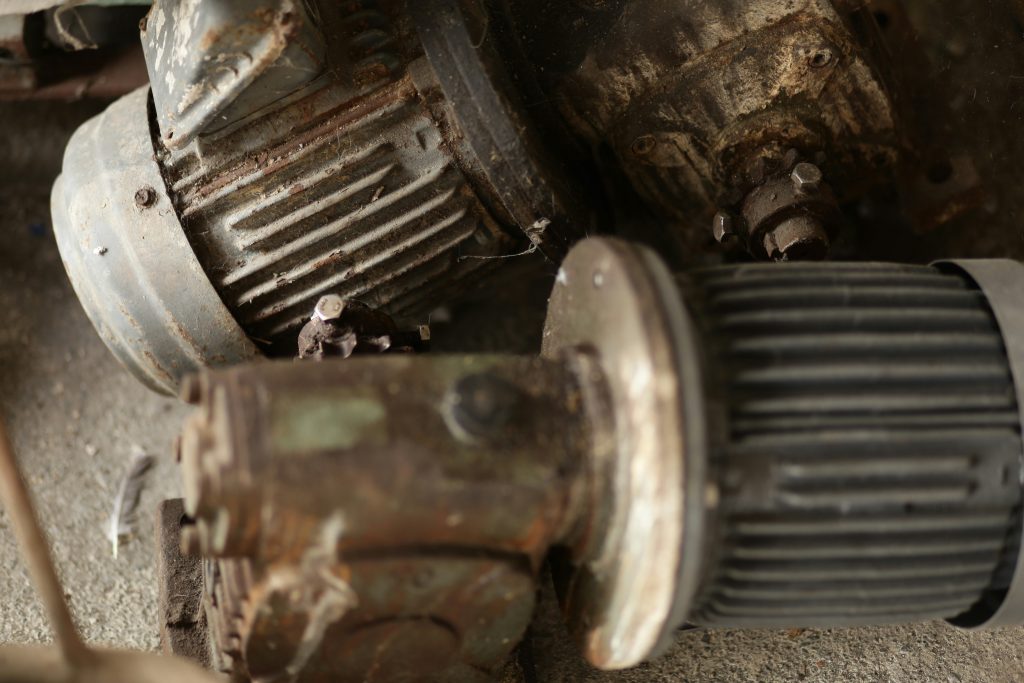
When your electric motor starts acting up, it can feel like a real setback. Whether it’s a humming sound that wasn’t there before, a sudden lack of power, or a complete shutdown, the good news is that many electric motor issues aren’t the end of the line. Often, with a bit of understanding and some practical steps, you can bring that motor back to life. This guide will walk you through some common problems and offer actionable tips to get your electric motor humming along efficiently again.
Before you can fix a problem, you need to spot it. Electric motors, thankfully, often give us clues when something isn’t right. Paying attention to these early warnings can save you time, money, and a lot of frustration.
Unusual Noises
Noise is often the first indicator that something is amiss.
- Humming or Buzzing: A constant low hum or buzz that’s louder than usual can point to electrical issues or problems with the windings. If it’s a new sound, it’s worth investigating.
- Grinding or Scraping: This is a more serious sign and often suggests mechanical wear. Think bearings that are going bad, or something rubbing where it shouldn’t be.
- Squealing: High-pitched squeals can also be a sign of failing bearings, especially if they change with the motor’s speed.
- Clicking: Intermittent clicking might indicate a control issue or a mechanical obstruction.
Overheating
Motors generate heat as a normal part of operation, but excessive heat is a definite red flag.
- Touch Test (Carefully!): If the motor casing feels too hot to comfortably touch for more than a few seconds, it’s likely overheating. Always exercise caution when touching any electrical equipment.
- Smell of Burning: A distinct burning smell, often described as acrid or electrical, is a strong indicator of overheating windings or insulation breakdown. This should be addressed immediately.
- Visible Smoke: If you see smoke, shut off the power immediately and do not attempt to restart the motor until it’s been inspected.
Reduced Performance
The most obvious sign that something is wrong is when the motor just doesn’t perform as it used to.
- Slow Operation: If your equipment is running noticeably slower than normal, the motor might be struggling.
- Intermittent Operation: The motor cutting in and out is a sign of an unstable power supply, a faulty component, or an internal issue.
- Stalling: If the motor stops under load when it shouldn’t, it’s a clear indication of insufficient power or an internal problem.
Vibration
Excessive vibration can be a symptom of several different issues.
- Unbalanced Load: The equipment the motor is driving might be unbalanced, putting undue stress on the motor.
- Bearing Problems: Worn or damaged bearings can cause significant vibration.
- Shaft Misalignment: If the motor shaft isn’t perfectly aligned with the driven component, it can lead to vibration.
For those interested in electric motor repair, understanding the tools and techniques available can significantly enhance the repair process. A related article that provides valuable insights into the use of oscillating multi-tools, which can be beneficial for various repair tasks, is available at this link: Oscillating Multi-Tool: What It’s Best For & Blade Types. This resource discusses the versatility of oscillating multi-tools and the different blade types that can be used, making it a great addition to any repair toolkit.
Basic Troubleshooting: What You Can Check First
Before you tear anything apart, there are some simple checks you can perform that often resolve common issues or help pinpoint the problem. Safety is paramount here, so always disconnect power before doing any hands-on inspection.
Power Supply Checks
The motor might be fine, but the power getting to it could be the problem.
- Verify Incoming Voltage: Use a multimeter to check if the voltage coming into the motor is within its specified range. Low voltage can cause sluggish performance and overheating.
- Inspect Wiring and Connections: Look for any loose, corroded, or damaged wires and connections. A poor connection can lead to voltage drops and intermittent operation. Ensure all terminals are clean and securely fastened.
- Check Breakers and Fuses: Make sure the circuit breaker hasn’t tripped or the fuse hasn’t blown. Sometimes, a simple reset is all that’s needed. If it trips again immediately, there’s likely a more serious issue.
Lubrication and Cooling
These two factors are often overlooked but are critical for motor health.
- Lubricate Bearings (if applicable): Many motors have grease fittings or oil ports for their bearings. Check your motor’s manual for the correct type and amount of lubricant. Over-greasing can be as bad as under-greasing.
- Ensure Proper Ventilation: Motors need to dissipate heat. Make sure air vents are clear of dust, debris, or obstructions. If the motor is enclosed, ensure its cooling fan is clean and spinning freely.
Mechanical Obstructions
Sometimes, the motor itself isn’t the problem, but something impeding its rotation is.
- Check the Driven Equipment: Disconnect the motor from the equipment it drives (if possible). Then, try to turn the motor shaft by hand. If it’s stiff or won’t turn, there’s likely an issue with the driven equipment.
- Inspect for Foreign Objects: Look around the motor and its shaft for anything that might be getting caught.
Diving Deeper: Common Electric Motor Faults and Fixes
If the basic checks don’t reveal the issue, it’s time to look at more specific motor components. This is where you might need a few more specialized tools and a bit more mechanical aptitude.
Bearing Issues
Bearings are the workhorses of an electric motor, allowing the rotor to spin smoothly. When they fail, the symptoms are usually quite noticeable.
- Signs of Bad Bearings: Increased noise (grinding, squealing), vibration, overheating, and eventually, seizing of the rotor.
- Diagnosis: You can often feel play in the shaft if the bearings are worn. With the power off and rotor free, try to wiggle the shaft. Excessive play indicates bearing failure.
- Replacement: Bearing replacement is a common repair. It typically involves carefully removing the motor housing, using bearing pullers to remove the old bearings, and pressing in new ones. It’s crucial to use the correct size and type of bearing. Ensure the new bearings are properly seated and lubricated. Sometimes, a frozen bearing can damage the shaft or housing, requiring more extensive repairs.
Winding Problems
The motor’s windings are essentially the muscle of the machine. Damage here can lead to loss of power or complete failure.
- Signs of Winding Issues: Overheating, burning smell, reduced power, the motor getting excessively hot quickly, or not starting at all.
- Diagnosis: This often requires specialized testing equipment.
- Visual Inspection: Look for signs of melted insulation, burnt spots, or loose wires within the windings.
- Continuity Test: Using a multimeter, you can check if the windings are electrically connected as they should be. An open circuit means a break in the winding.
- Insulation Resistance Test (Megger Test): This test measures the resistance between the windings and the motor frame. Low resistance indicates insulation breakdown, which can lead to short circuits and failure.
- Surge Testing: For more advanced diagnostics, surge testing can detect shorts between turns within a winding.
- Repair vs. Rewinding: Minor winding damage, like a loose connection, might be repairable. However, significant damage, such as burnt insulation or shorted turns, usually requires the motor to be professionally rewound. Rewinding involves stripping the old windings, cleaning the stator, and replacing them with new wire. This is a skilled job and often more economical than replacing an entire motor for smaller units, but for larger or more complex motors, replacement might be more cost-effective.
Capacitor Failures (for AC Induction Motors)
Many single-phase AC induction motors rely on capacitors to help start and run. A faulty capacitor can dramatically affect performance.
- Signs of a Bad Capacitor: The motor hums but doesn’t start, or it starts slowly and struggles, might run hot, or may not accelerate properly.
- Diagnosis:
- Visual Inspection: Look for bulging, leaking, or discolored capacitors.
- Discharge the Capacitor: EXTREME CAUTION IS REQUIRED HERE AS CAPACITORS CAN STORE A DANGEROUS ELECTRICAL CHARGE. Always discharge a capacitor safely using a resistor designed for this purpose or by carefully shorting the terminals with an insulated tool.
- Resistance Test: With the capacitor discharged and disconnected, use a multimeter to check its resistance. A good capacitor will initially show low resistance as it charges from the multimeter’s battery, then the resistance should climb to infinity. If it stays low or shows zero resistance, it’s likely shorted. A digital multimeter with a capacitance setting is ideal for measuring its capacitance value.
- Replacement: Capacitors are relatively inexpensive and easy to replace. Ensure you get a capacitor with the exact same microfarad (µF) rating and voltage rating. Sometimes, a start capacitor and a run capacitor are used; they have different functions, so ensure you replace both with the correct types if needed.
Motor Reassembly and Testing
Once you’ve identified and addressed the issue, you’ll need to put everything back together correctly and then test the motor to ensure the repair was successful.
Proper Reassembly Steps
- Sequence and Torque: Always reassemble components in the reverse order of disassembly. Ensure all fasteners are tightened to the manufacturer’s specified torque. Overtightening can damage parts, while undertightening can lead to vibrations and future failures.
- Alignment: If you’ve replaced bearings or had the motor apart, double-check the alignment between the motor shaft and the driven equipment. Misalignment is a common cause of early failure.
- Lubrication: Don’t forget to reapply lubricant to bearings and any other specified points.
Testing Your Repaired Motor
- Initial Spin: With the power off, try to spin the motor shaft by hand to ensure it moves freely and without any grinding.
- Low-Power Test: Before connecting it to the full load, connect the motor to power without any load. Listen for unusual noises, check for excessive vibration, and monitor its temperature.
- Load Testing: Once you’re confident it’s running well unloaded, connect it to its intended load. Observe its performance: is it running at the correct speed? Is it drawing the expected amount of current? Is it running smoothly?
- Thermal Monitoring: Keep an eye on the motor’s temperature under load for the first few hours of operation to ensure it’s not overheating.
When it comes to electric motor repair, understanding the factors that can lead to motor failure is crucial for effective maintenance. A related article discusses how variable frequency drives can cause damage to motors and offers insights on protective measures to prevent such issues. For more information on this topic, you can read the article on VFD damage and protection strategies. This knowledge can be invaluable for anyone looking to extend the lifespan of their electric motors.
When to Call a Professional
While many electric motor issues can be tackled with DIY skills, there are times when it’s best to call in the experts.
- Complex Electrical Issues: If you’re not comfortable troubleshooting electrical systems or have a complex control system involved, it’s safer to let professionals handle it.
- Large or High-Power Motors: Larger motors often require specialized tools, lifting equipment, and expertise for safe disassembly and repair.
- Rewinding: As mentioned, motor rewinding is a specialized skill. Unless you have access to the proper equipment and training, it’s often best left to a professional motor shop.
- Safety Concerns: If you have any doubts about your ability to safely perform a repair, or if the issue involves significant electrical hazards, stop and call a professional.
- Cost-Benefit Analysis: Sometimes, the cost of parts and your time might approach the cost of a new motor, especially for smaller, common frame sizes. A professional can help you assess if a repair is economically viable.
By understanding the common signs of motor trouble, performing thorough basic checks, and knowing when to delve deeper or seek professional help, you can significantly extend the life of your electric motors and keep your equipment running smoothly. Regular maintenance, like cleaning vents and checking lubrication, can also prevent many issues before they start.
FAQs
What is electric motor repair?
Electric motor repair refers to the process of fixing and restoring the functionality of electric motors that have malfunctioned or stopped working. This can involve diagnosing the issue, replacing damaged parts, and testing the motor to ensure it is working properly.
What are common reasons for electric motor failure?
Common reasons for electric motor failure include overheating, bearing failure, electrical issues such as insulation breakdown or winding faults, and mechanical issues such as misalignment or imbalance. Environmental factors such as moisture or dust can also contribute to motor failure.
What are the benefits of electric motor repair?
Repairing electric motors can be more cost-effective than replacing them with new ones. It also reduces waste and contributes to sustainability by extending the lifespan of the motor. Additionally, repairing motors can help maintain equipment reliability and minimize downtime.
When should electric motors be repaired?
Electric motors should be repaired when they show signs of malfunction, such as unusual noise, vibration, overheating, or reduced performance. Regular maintenance and inspection can also help identify issues early and prevent more extensive damage.
Can all electric motors be repaired?
Not all electric motors can be repaired, especially if the damage is extensive or if the cost of repair exceeds the cost of replacement. Additionally, some older or obsolete motors may be difficult to find replacement parts for, making repair impractical.