
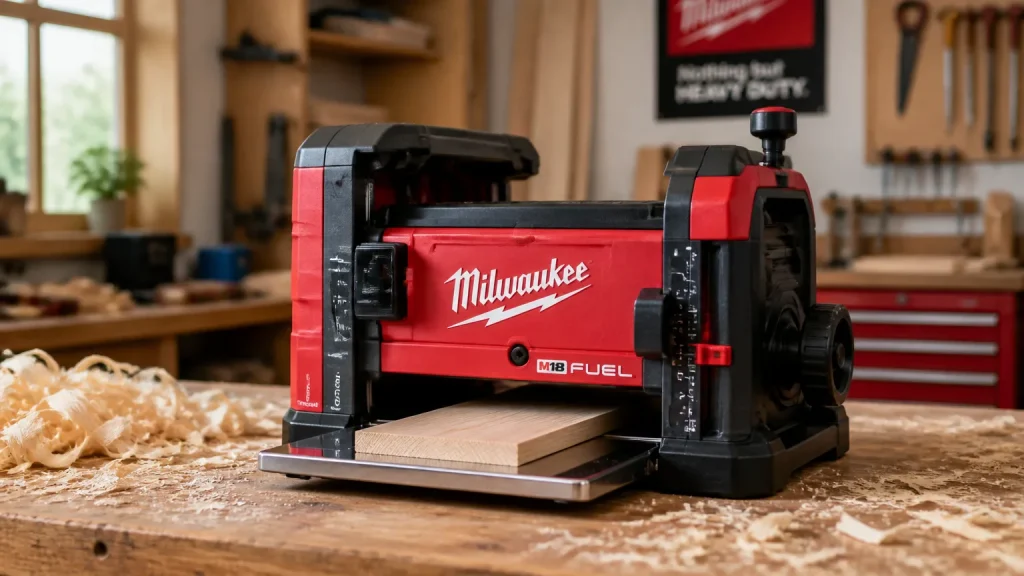
Choosing the right Milwaukee planer can make all the difference in your woodworking projects. For contractors and DIYers in southern Michigan, having the right tools is essential. A quality planer not only improves the surface finish but also enhances the overall efficiency of your work.
Milwaukee planers are renowned for their durability and performance across various applications. Whether you’re trimming doors, leveling rough lumber, or creating smooth edges, these tools are designed to handle it all. Their robust construction ensures they can withstand the demands of both professional and home use.
When considering a Milwaukee planer, think about the specific tasks you’ll undertake. Factors like motor power, blade width, and ease of adjustment can significantly impact your results. A powerful motor allows for faster stock removal, while wider blades reduce the number of passes needed for a smooth finish.
Additionally, features like dust collection systems can improve your workspace by reducing cleanup time. A well-designed planer can also enhance accuracy, making it easier to achieve the desired thickness for your materials.
In this article, we’ll delve deeper into the key features of Milwaukee planers and provide practical tips to help you make an informed purchase. With the right insights, you can choose a planer that meets your needs and elevates your woodworking projects. Let’s explore how to select a Milwaukee planer that works for you.
Top 5 Key Features of Milwaukee Planers
When selecting a Milwaukee planer, understanding its essential features is crucial. Here are the top five key aspects to consider that will enhance your woodworking experience.
1. Motor Power
The motor power of a Milwaukee planer directly affects its efficiency and performance. A robust motor ensures smoother cuts and faster material removal. Look for models with at least 6 amps, as they provide the necessary strength for heavy-duty tasks. This power not only speeds up your project but also minimizes the risk of bogging down during use.
2. Blade Quality
Blade quality can make or break your planning experience. Milwaukee planers often come equipped with high-quality carbide blades that offer durability and precision. These blades stay sharp longer, reducing the frequency of replacements. When purchasing, check for models that allow easy blade changes. Quick-change blade systems save you time and effort, letting you get back to work without hassle.
3. Depth Adjustment
Depth adjustment features significantly impact the versatility of your Milwaukee planer. A precise depth adjustment mechanism allows you to set the desired thickness accurately. This is vital for achieving uniform finishes across different projects. Look for models with easy-to-read depth settings, as these enhance your ability to make quick adjustments on the fly.
4. Design and Ergonomics
Comfort and usability are critical when using a planer for extended periods. Milwaukee planers are designed with ergonomics in mind, featuring comfortable grips and balanced weight distribution. A well-designed handle reduces fatigue, making it easier to maneuver. Additionally, lightweight models are easier to control, allowing for more precise cuts.
5. Dust Collection
Efficient dust collection systems are essential for maintaining a clean workspace. Milwaukee planers often come with integrated dust ports that connect to a vacuum. This feature not only keeps your work area tidy but also improves visibility while you work. A cleaner environment enhances focus and safety, reducing the chances of accidents.
By focusing on these key features, you can make an informed decision when selecting a Milwaukee planer. Each aspect contributes to the overall performance and ease of use, ensuring that your investment serves you well in all your woodworking projects.
Durability and Build Quality: Why It Matters
When investing in a Milwaukee planer, durability and build quality are paramount. These features directly influence how well the tool performs and how long it lasts. Milwaukee constructs its planers with high-quality materials designed to withstand the rigors of heavy use.
The housings of Milwaukee planers often utilize robust magnesium or aluminum. These materials not only reduce weight but also enhance strength. A lightweight planer is easier to maneuver, while the sturdy housing protects internal components from damage. This combination ensures that you can tackle tough jobs without worrying about wear and tear.
The blades on Milwaukee planers are made from high-speed steel or carbide, known for their exceptional sharpness and longevity. High-speed steel blades can handle extensive use before needing replacement, while carbide blades stay sharper longer, reducing downtime for maintenance. Choosing a planer with quality blades means fewer trips to the hardware store for replacements.
Moreover, Milwaukee incorporates advanced engineering to improve the longevity of their tools. Features like sealed bearings and reinforced gears help prevent dust and debris from damaging internal parts. This attention to detail means that you spend less time on repairs and more time on your projects.
Durability also translates to reduced maintenance costs. When a tool is built to last, you invest less in repairs and replacements over time. This is particularly beneficial for contractors who rely on their tools daily. A Milwaukee planer that holds up under pressure saves you money and maximizes your productivity.
In addition, a durable planer contributes to safety. A well-constructed tool operates smoothly and reliably, minimizing the risk of malfunctions during use. Safe operation is essential, especially when working on intricate projects or in busy job sites.
In summary, focusing on the durability and build quality of Milwaukee planers ensures you make a wise investment. By choosing a tool made from high-quality materials and designed for longevity, you enhance your woodworking experience. A robust planer not only performs better but also supports your projects for the long haul.
Ergonomics and User Comfort Features
When choosing a Milwaukee planer, ergonomics and user comfort are essential. A tool that feels good in your hands makes a significant difference during extended use. Milwaukee has prioritized grip design and weight distribution in their planers, ensuring they are easy to control.
The soft-grip handles provide a comfortable hold, reducing strain on your hands. This design feature is crucial for long projects where fatigue can set in. A well-designed grip allows for better maneuverability, helping you achieve precise cuts without discomfort.
Weight distribution plays a vital role as well. Milwaukee planers are engineered to balance evenly, making them less tiring to use over long periods. This thoughtful design minimizes the effort needed to keep the tool steady, allowing you to focus on your work rather than struggling with the tool itself.
Another important feature is the adjustable depth control. Milwaukee planers allow you to set the cutting depth with ease. This not only enhances precision but also contributes to user comfort. You won’t have to fight the tool to adjust settings, which can lead to frustration and fatigue.
Additionally, many Milwaukee planers come with built-in dust collection systems. This feature keeps your workspace cleaner and reduces the time spent cleaning up. A tidy workspace contributes to a more comfortable working environment, allowing you to concentrate on your project.
Milwaukee also incorporates low vibrations in their planers. Less vibration means less wear and tear on your hands and arms, especially during prolonged use. This feature is particularly beneficial for professionals who rely on these tools day in and day out.
For added comfort, consider the weight of the planer. Lightweight models are easier to handle, especially when working on overhead or vertical surfaces. A Milwaukee planer that feels manageable will help you extend your working hours without discomfort.
By focusing on these ergonomics and user-friendly design elements, Milwaukee ensures that you can work efficiently. Whether you’re a contractor or a DIY enthusiast, comfort and ease of use are paramount. These features not only enhance performance but also allow you to enjoy your woodworking projects without the burden of fatigue.
Integrated Technology: Enhancements and Features
Milwaukee planers integrate advanced technology to elevate precision and performance. One standout feature is the digital display. It provides real-time feedback on thickness settings, ensuring you achieve the exact cut you need. This level of precision is crucial for any woodworking project, whether you’re a seasoned contractor or a passionate DIYer.
Another remarkable feature is Bluetooth connectivity. This allows you to sync your planer with the Milwaukee app. Users can save custom settings and adjust parameters directly from their smartphones. Imagine being able to set your desired thickness and monitor the performance of your tool without having to walk back and forth. This feature not only saves time but also enhances accuracy.
Moreover, some Milwaukee planers offer programmable memory settings. This means you can save your favorite thickness settings for quick access. No more fumbling around with dials or guessing measurements. Just select your preset and get to work. This user-friendly technology streamlines your workflow and minimizes errors.
The integration of these technologies transforms how you interact with your Milwaukee planer. The digital display removes guesswork, while Bluetooth connectivity allows for seamless adjustments on the fly. This is particularly valuable on job sites where conditions can change rapidly.
Additionally, the enhanced motor technology in Milwaukee planers ensures consistent performance. It delivers high power and torque, which translates to smoother cuts and less effort. This is essential for handling tough materials and achieving professional results.
Incorporating user feedback, Milwaukee continuously refines its technology. This commitment to innovation means you can trust that each new model is designed with your needs in mind. Whether you’re tackling a large project or a small repair, these advancements make a significant difference.
With these integrated features, Milwaukee planers offer more than just basic functionality. They provide tools that adapt to your workflow, making your woodworking experience more efficient and enjoyable. As you evaluate your options, consider how these technological enhancements align with your project requirements.
Investing in a Milwaukee planer means embracing the future of woodworking. The combination of precision, connectivity, and user-friendly design equips you to take on any challenge with confidence.
Cost Considerations: Value for Your Investment
When considering a Milwaukee planer, understanding the price range is crucial. Typically, you can expect to pay between $150 and $300, depending on the model and features. This investment not only buys you a tool but also a promise of quality and durability.
Balancing cost and features is key to maximizing your value. Higher-priced models often come with advanced features like digital depth adjustment or enhanced dust collection systems. If these features align with your needs, the extra cost may be justified. Conversely, for lighter tasks, a more basic model may suffice, saving you money without sacrificing performance.
Warranties play a significant role in the overall value of your investment. Milwaukee usually offers a limited warranty that covers defects in material and workmanship for a specified period. This can range from one year to five years, depending on the product. A longer warranty not only reflects confidence in the tool’s durability but also provides peace of mind. Make sure to read the warranty details carefully, as some coverage may require registration or specific maintenance practices.
Customer service support is another aspect to consider. Milwaukee is known for its responsive customer service. If you encounter issues or have questions, their support team can assist you promptly. This level of customer care can be invaluable, especially if you depend on your tools for professional projects.
In addition to the initial purchase price, think about the long-term costs associated with maintenance and repairs. A Milwaukee planer is built to last, minimizing the need for frequent replacements. However, regular maintenance can extend its life even further. Familiarize yourself with basic upkeep practices to ensure optimal performance.
Consider how the price aligns with your intended use. If you’re a contractor, investing in a high-end model may yield better returns through increased efficiency and reduced downtime. For DIY enthusiasts, a mid-range model may provide the perfect balance of functionality and affordability.
Before making a decision, you might also want to explore related tools that can enhance your woodworking experience. For instance, if you’re looking to pair your planer with other equipment, check out our guide on how to choose the right size, power, and wheel. This can help you make informed choices that complement your Milwaukee planer.
In summary, evaluating the cost of a Milwaukee planer involves looking beyond the sticker price. Consider warranty options, customer support, and the features that best suit your needs. By doing so, you can ensure that your investment pays off in both performance and longevity.
Maintenance and Care Tips for Your Planer
To get the most out of your Milwaukee planer, regular maintenance is crucial. A well-maintained tool not only lasts longer but also performs better. Here are some practical tips to keep your planer in top shape.
First, always keep the blades sharp. Dull blades can lead to rough cuts and increased strain on the motor. Check the blades regularly and replace them when necessary. Milwaukee offers replacement blades that are easy to install, ensuring you can get back to work without delays.
Next, clean your planer after each use. Dust and wood shavings can accumulate in the housing and on the blades, affecting performance. Use a soft brush or compressed air to remove debris. This simple task can prevent overheating and maintain the tool’s efficiency.
Don’t overlook the importance of lubrication. Periodically check the moving parts, including the roller and the feed mechanism. Apply a few drops of machine oil to keep everything running smoothly. This reduces wear and tear, extending the lifespan of your Milwaukee planer.
Another common pitfall is improper storage. Always store your planer in a dry, cool place to prevent rust and damage. If you’re not using it for an extended period, consider covering it to protect it from dust and moisture.
Finally, be mindful of the materials you’re planing. Avoid using your planer on wet or excessively hard wood, as this can lead to damage. Stick to materials recommended by Milwaukee to ensure optimal performance.
By adhering to these maintenance tips, you can maximize the lifespan of your Milwaukee planer. Regular checks and care will keep your tool in excellent condition, enhancing your woodworking projects for years to come.
Frequently Asked Questions About Milwaukee Planers
When considering a Milwaukee planer, you might have several questions. Let’s address some common concerns to help you make an informed decision.
What makes Milwaukee planers stand out?
Milwaukee planers are known for their precision and durability. They incorporate advanced technology that enhances performance, ensuring clean, smooth cuts. The robust build quality also means they can withstand demanding tasks, making them ideal for both contractors and DIY enthusiasts.
How do I choose the right Milwaukee planer for my project?
Start by assessing the type of projects you’ll tackle. For larger jobs, consider a heavier-duty model with a wider cutting capacity. If you’re working on smaller, detailed projects, a compact model may be more suitable. Think about your workspace and how often you’ll use the tool to determine the best fit.
Are Milwaukee planers easy to use?
Yes, they are designed with user-friendliness in mind. Features like ergonomic handles and intuitive controls make operation straightforward. Many models also offer adjustable depth settings, allowing you to customize your cuts with ease.
What types of materials can I use with Milwaukee planers?
Milwaukee planers are versatile and can handle various hardwoods, softwoods, and engineered woods. However, it’s essential to stick to materials recommended in the user manual. This helps ensure optimal performance and prevents potential damage to the tool.
How do I maintain my Milwaukee planer?
Regular maintenance is key to keeping your planer in top shape. Clean the blades and housing after each use. Check for any wear and tear, and replace parts as needed. This simple upkeep can significantly extend the lifespan of your tool.
Do Milwaukee planers come with a warranty?
Yes, Milwaukee typically offers a warranty on their tools. Be sure to check the specific model for details on coverage and duration. A solid warranty can provide peace of mind and protect your investment.
Can I use accessories with my Milwaukee planer?
Absolutely! Milwaukee planers are compatible with various accessories that enhance functionality. From blade replacements to dust collection systems, these accessories can improve your overall experience and efficiency.
What should I consider when it comes to pricing?
While price is important, consider the overall value. Look at features, warranty, and customer support. Investing in a higher-priced model may save you money in the long run due to durability and performance.
Are there any safety tips I should follow?
Safety is paramount when using any power tool. Always wear appropriate protective gear, such as safety goggles and hearing protection. Ensure your work area is clean and well-lit to reduce the risk of accidents.
By addressing these FAQs, you can approach your purchase with confidence. Understanding the key features and considerations will help you select the right Milwaukee planer for your needs. Whether you’re a seasoned contractor or a weekend warrior, making an informed choice is essential to achieving successful results in your woodworking projects.
Final Thoughts on Buying a Milwaukee Planer
Choosing the right Milwaukee planer is crucial for your woodworking success. As we’ve discussed, understanding the key features—like power, precision, and user-friendly design—can significantly impact your projects. Each feature contributes to the overall performance, making your work smoother and more efficient.
Before making a purchase, take a moment to consider your specific needs. Are you a contractor tackling large jobs, or a DIY enthusiast focusing on home projects? Identifying your requirements ensures you select the planer best suited to your tasks.
Remember, investing in quality equipment pays off in the long run. A Milwaukee planer, built with durability and cutting-edge technology, can be a reliable partner for years. This tool not only enhances your craftsmanship but also minimizes frustration and downtime.
Don’t overlook the importance of warranty options and customer support. These elements provide additional peace of mind, ensuring that your investment is protected and that help is readily available if you need it.
In conclusion, a Milwaukee planer is more than just a tool; it’s an essential component of your woodworking arsenal. By considering all aspects before purchase, you can make an informed decision that will elevate your projects. Equip yourself with the right planer, and watch your woodworking skills soar. Take action today—your next project awaits!