
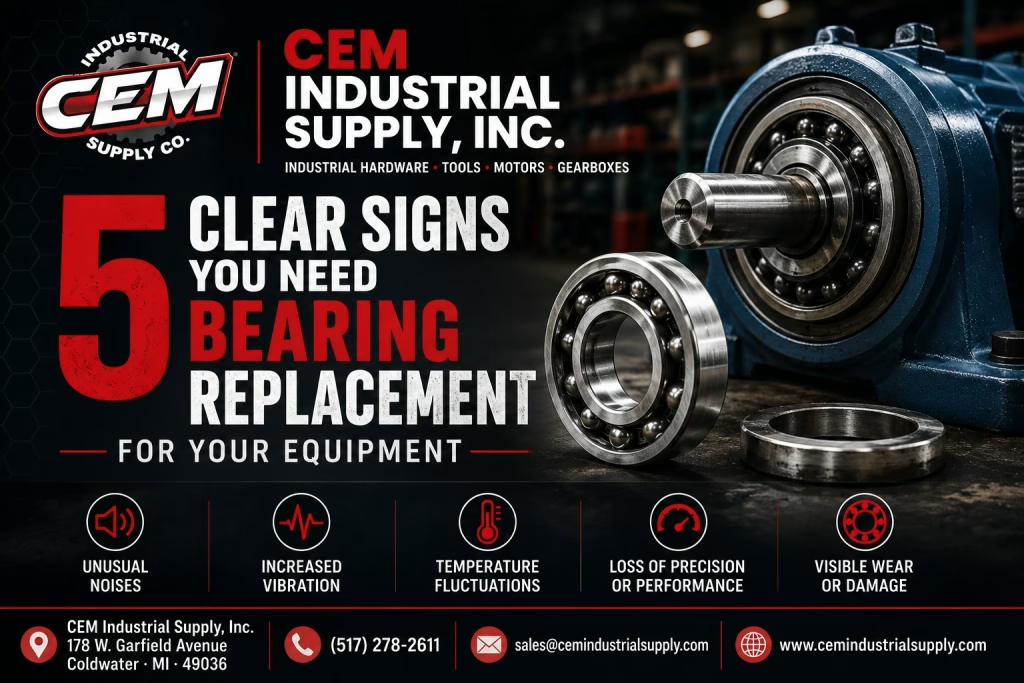
Bearings are essential components in various equipment used by contractors and manufacturers. They ensure smooth operation, reduce friction, and support heavy loads. When it comes to maintaining machinery, understanding the need for bearing replacement is crucial. Ignoring worn bearings can lead to inefficient performance and costly breakdowns.
Recognizing early signs of wear can save you time and money. A small issue, if addressed promptly, can prevent a complete equipment failure. For instance, machinery that vibrates excessively or produces unusual noises may indicate bearing problems.
Keeping an eye on these signs not only extends the life of your equipment but also enhances productivity. In the following sections, we’ll explore five key indicators that signal it’s time for bearing replacement. By staying vigilant, you can ensure your machinery runs efficiently and reliably, reducing downtime and repair costs.
1. Unusual Noises During Operation
Unusual noises during operation are often the first sign of bearing issues. You might hear grinding, squealing, or even rattling sounds. These noises can indicate that the bearings are worn, misaligned, or damaged.
Ignoring these sounds can lead to more significant problems. They often signal that a bearing failure is imminent. If you notice any strange noises, investigate immediately. Early detection can prevent further damage to your equipment.
For example, a grinding noise may suggest that the bearing balls or races are pitted. This type of wear can quickly escalate, leading to complete bearing failure. Regularly listening to your equipment can save you time and money in the long run.
Don’t wait for the sounds to worsen. Addressing unusual noises can help maintain the performance and longevity of your machinery.
2. Increased Vibration Levels
Increased vibration levels are a clear sign that your bearings may be failing. As bearings wear, they can cause excessive vibrations throughout the equipment. This not only affects performance but can also lead to structural damage if left unaddressed.
Monitoring vibration levels is crucial for early detection. Using vibration analysis tools, you can pinpoint issues before they escalate. These tools measure frequency and amplitude, helping you identify abnormal patterns that indicate wear.
For example, if you notice a sudden spike in vibrations during operation, it’s time to investigate. Ignoring these signs can result in more extensive damage and costly repairs. Regular monitoring allows you to make timely bearing replacements, keeping your equipment running smoothly and efficiently.
3. Temperature Fluctuations
Abnormal temperature readings can signal serious issues within your equipment. High temperatures often indicate lubrication failure or excessive friction in the bearings. Both conditions can lead to premature wear and, ultimately, bearing replacement.
Regular temperature checks are essential for effective maintenance. If you notice consistent spikes in temperature, it’s a warning sign that something is amiss. Ignoring these fluctuations can shorten your equipment’s lifespan significantly.
Consider this: a piece of machinery running at elevated temperatures is working harder than it should. This added strain can lead to catastrophic failures, resulting in costly repairs and downtime.
Monitor temperature closely. Using infrared thermometers or thermal imaging can provide quick insights. Addressing lubrication issues early on will help maintain optimal performance and extend the life of your machinery.
4. Loss of Precision or Performance
A noticeable drop in efficiency or accuracy often points to underlying bearing issues. For contractors and manufacturers, this can mean significant production delays. If your machinery isn’t performing at its best, it’s crucial to investigate.
Precision is key in many operations. Even slight deviations can affect the quality of your work. Regular assessments help maintain performance standards and catch problems early.
Consider a scenario where a machine that usually operates at a tight tolerance suddenly struggles to maintain accuracy. This could indicate worn bearings. Replacing them promptly can restore performance and prevent further complications.
Staying proactive about bearing replacement can save time and money. Don’t let performance issues escalate into larger problems. Regular monitoring keeps your operations running smoothly and reduces the risk of costly downtime.
5. Visible Wear or Damage
Regular visual inspections are crucial for spotting signs of wear and damage in bearings. Look for cracks, rust, or any signs of deterioration. These indicators can reveal underlying issues that might lead to bearing failure.
When inspecting, focus on the outer casing of the bearing. Any pitting or flaking can signal that it’s time for a bearing replacement. Use a flashlight to illuminate hard-to-see areas. This simple step can make a significant difference.
DIYers should incorporate these checks into their routine maintenance. Not only does this practice save time, but it can also prevent costly repairs down the line. A few minutes spent inspecting your equipment can save you hours of downtime later.
Understanding what to look for is key. If you notice visible damage, act quickly to replace the bearings. This proactive approach helps maintain the efficiency of your machinery and protects your investment.
Taking Action: When to Replace Your Bearings
Recognizing the signs of bearing replacement early can significantly extend your equipment’s lifespan. By addressing issues like unusual noises, excess vibrations, or temperature spikes promptly, you can prevent costly breakdowns.
Implementing best practices—such as regular inspections and proper lubrication—ensures your machinery remains reliable. Don’t let small problems grow into major repairs.
Taking action at the right time not only boosts performance but also protects your investment. Stay vigilant, and your equipment will run smoothly for years to come. Remember, proactive maintenance is the key to efficiency and longevity.