
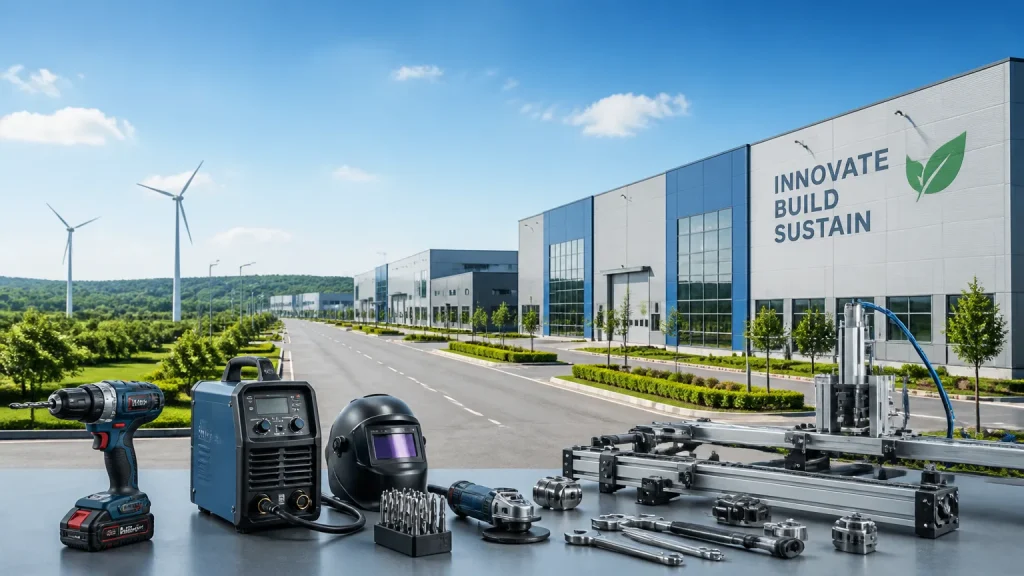
Industrial parks are becoming increasingly vital in southern Michigan, serving as hubs for contractors, manufacturers, and DIY enthusiasts. These designated areas streamline operations by bringing together diverse businesses, fostering collaboration and innovation. As the demand for efficient production and distribution grows, industrial parks are emerging as strategic solutions for economic development.
In an industrial park, businesses benefit from shared resources and infrastructure. This setup not only reduces costs but also enhances productivity. Companies can access essential services, such as transportation networks and utility provisions, all within a concentrated location. This convenience facilitates smoother operations, allowing businesses to focus on growth.
The rise of industrial parks in Michigan reflects a broader trend toward specialization. These environments cater to specific industries, whether it’s manufacturing, logistics, or technology. By clustering similar businesses, industrial parks create synergies that drive competition and innovation. This is particularly beneficial for contractors who can tap into a network of suppliers and service providers.
Moreover, the supportive ecosystem fosters a sense of community. Businesses within an industrial park often collaborate on projects, share best practices, and even tackle common challenges together. This camaraderie can lead to new opportunities and accelerated growth.
As we explore the key features and benefits of industrial parks, it’s clear they offer more than just a place to set up shop. They represent a strategic choice for businesses looking to thrive in an ever-evolving market. Let’s delve deeper into what makes these spaces essential for today’s industries.
Key Features of Industrial Parks
Industrial parks are designed with specific characteristics that enhance business operations. One of the most critical features is location. Positioned near major transportation routes, they offer easy access to highways, railways, and ports. This accessibility is vital for companies that rely on the swift movement of goods and resources.
The layout of an industrial park is meticulously planned. Typically, these parks feature large plots of land that can accommodate various types of facilities. This includes warehouses, manufacturing plants, and distribution centers. Such a layout allows businesses to optimize their operations and streamline workflows. For example, a company can locate its manufacturing unit close to its distribution hub to reduce transit times.
Zoning laws play a significant role in shaping industrial parks. These regulations dictate how land can be used, ensuring that incompatible businesses do not operate in close proximity. This careful zoning helps create a harmonious environment where companies can thrive without the disruption of residential areas. For instance, heavy manufacturing operations are often separated from lighter industrial activities to minimize noise and pollution.
Infrastructure is another key feature of industrial parks. Well-developed utilities—such as electricity, water, and sewage systems—are essential for smooth operations. Many parks also provide high-speed internet and telecommunications services, critical for modern businesses that rely on digital connectivity. Reliable infrastructure reduces downtime and increases efficiency.
Security is often prioritized in industrial parks. Many facilities are gated and monitored, providing a safe environment for businesses and their employees. This focus on security can be particularly attractive for companies that handle sensitive materials or valuable goods.
Finally, industrial parks often foster a sense of community among businesses. Shared amenities, such as conference rooms and break areas, encourage collaboration and networking. This environment can lead to partnerships and business growth, benefiting all companies involved.
In summary, the key features of an industrial park—location, layout, zoning, infrastructure, security, and community—combine to create an ecosystem tailored for business success. Understanding these elements can help your business make informed decisions when considering a move to an industrial park.
Types of Businesses Commonly Found in Industrial Parks
Industrial parks are home to a diverse array of businesses, each benefiting from the unique environment these spaces provide. Manufacturing firms are among the most common occupants. They thrive on the access to specialized facilities and resources needed for production. For example, southern Michigan hosts numerous automotive manufacturers. These companies rely on the proximity to suppliers and skilled labor, enhancing their operational efficiency.
Warehousing and logistics companies also play a significant role in industrial parks. They capitalize on the strategic locations, often near major highways and transportation hubs. This accessibility allows for quick distribution of goods, a crucial factor in today’s fast-paced market. Southern Michigan’s industrial parks have become vital for firms looking to streamline their supply chains.
The service industry finds its niche in industrial parks as well. Specialized service providers, such as equipment maintenance or IT support, often set up shop in these areas. Their presence supports the manufacturing and logistics sectors by offering essential services nearby. For instance, companies that provide maintenance for machinery can respond quickly to client needs, minimizing downtime.
In addition, technology firms are increasingly recognizing the potential of industrial parks. These businesses benefit from the collaborative atmosphere and access to skilled workers. In southern Michigan, tech startups often partner with traditional manufacturers, fostering innovation and growth. This synergy leads to the development of advanced manufacturing techniques and smart technologies.
Another significant tenant type is construction-related businesses. From contractors to suppliers, these companies thrive in the industrial park model. They benefit from shared resources and networking opportunities with other businesses in the area. For example, a contractor might collaborate with a nearby materials supplier to improve project timelines.
Lastly, research and development firms are finding a home in industrial parks. These businesses require space for labs and testing facilities. The infrastructure and community support in industrial parks make them ideal locations for R&D activities. Southern Michigan is seeing an uptick in these firms, particularly those focused on automotive technologies and sustainable materials.
Overall, the diversity of businesses in industrial parks demonstrates their adaptability. Each sector leverages the unique advantages offered by these environments. Whether it’s manufacturing, logistics, or tech, companies are discovering that the industrial park model supports growth and innovation effectively.
Benefits of Setting Up in an Industrial Park
Setting up operations in an industrial park comes with a host of advantages that can significantly impact your bottom line. One of the most compelling benefits is cost-effectiveness. Industrial parks often provide reduced rates for utilities, which can lead to substantial savings over time. These parks frequently have pre-negotiated contracts with service providers, enabling businesses to tap into lower operational costs right from the start.
Tax benefits are another attractive feature. Many industrial parks are located in zones that offer tax incentives to encourage businesses to establish themselves there. These incentives might include reduced property taxes or exemptions on sales taxes for certain purchases. Such financial advantages can free up capital, allowing you to invest more in growth and innovation.
Shared resources are a game-changer. Industrial parks often feature communal facilities, such as loading docks, warehousing, and even research and development centers. This not only reduces the need for individual facilities but also fosters collaboration among businesses. Companies can share equipment, expertise, and sometimes even staff, leading to increased efficiencies and cost savings.
Community support is another critical aspect. Being part of an industrial park means you’re not just another business; you’re part of a network. Many parks offer programs aimed at supporting local businesses. This can include training sessions, networking events, and even access to industry-specific resources. Having a community that understands your challenges can be invaluable for troubleshooting and growth.
Another advantage is the concentration of services. Industrial parks often attract a variety of service providers—such as logistics, maintenance, and IT support—who understand the unique needs of businesses in the area. This concentration allows for quicker response times and better service, as providers become familiar with the specific requirements of their clients.
Safety and security are also enhanced in industrial parks. Many facilities are equipped with advanced security systems, including surveillance cameras and controlled access points. This added layer of protection can give you peace of mind, allowing you to focus on your core business activities without worrying about potential disruptions.
Finally, the strategic location of industrial parks often facilitates easier access to major transportation routes. This can significantly reduce shipping times and costs, making it easier for businesses to manage inventory and respond to market demands quickly. The proximity to suppliers and customers enhances logistical efficiency, allowing for streamlined operations.
In summary, establishing your business in an industrial park can yield substantial benefits. From cost savings and tax incentives to shared resources and community support, these environments are designed to foster growth and innovation. Whether you’re a small contractor or a large manufacturer, the advantages of operating in an industrial park can make a significant difference in your overall success.
Infrastructure and Technological Advantages
Industrial parks are designed with advanced infrastructure that significantly enhances operational efficiency. These parks offer a blend of state-of-the-art facilities and essential services, making them a preferred choice for manufacturers and contractors alike.
A key feature of these spaces is their robust technological ecosystem. High-speed internet access, advanced telecommunications, and integrated logistics systems are standard. This connectivity fosters collaboration and supports productivity, allowing businesses to operate seamlessly. For instance, manufacturers can easily communicate with suppliers and clients in real time, optimizing their supply chains.
Transport links are another vital aspect. Many industrial parks are strategically located near major highways, railroads, and airports. This accessibility enables swift distribution of goods and materials, reducing delays and costs. For contractors, having reliable transport options means easier access to job sites and clients. The efficiency gained from these transport connections can lead to quicker project turnarounds and improved customer satisfaction.
Energy supplies in industrial parks are also designed to meet the demands of modern manufacturing. Many parks feature dedicated power sources, including renewable energy options, which can help reduce operational costs. Companies can often negotiate favorable energy rates, enhancing their competitive edge. This is especially beneficial for energy-intensive operations, such as those in manufacturing and processing sectors.
Moreover, industrial parks typically provide essential services on-site or nearby. These may include maintenance and repair facilities, waste management, and safety services. For example, contractors can benefit from local vendors specializing in electric motor repair — Coldwater, MI, ensuring their equipment remains operational with minimal downtime. Having these services close at hand allows businesses to focus on their core operations without worrying about logistics.
The design of industrial parks also promotes efficiency through shared resources. Common facilities, such as loading docks and warehousing spaces, enable businesses to maximize their output. This shared infrastructure can significantly decrease overhead costs, allowing smaller companies to compete with larger players. In addition, the collaborative environment often fosters innovation, as businesses can share ideas and best practices.
Security is another priority in these parks. Many industrial parks employ advanced security systems, including surveillance cameras and access control measures. This focus on safety protects valuable assets and provides peace of mind for business owners. Knowing that their operations are secure allows companies to concentrate on growth and development.
Overall, the infrastructure and technological advantages of industrial parks create a conducive environment for success. For businesses aiming to thrive, these spaces offer essential support, from advanced connectivity to reliable energy supplies. Embracing this model can lead to long-term benefits, making industrial parks an attractive option for a wide range of industries.
Regulatory and Environmental Considerations
When establishing operations in an industrial park, businesses must navigate a landscape of regulations at local, state, and federal levels. Understanding these regulations is crucial for compliance and long-term success. Local zoning laws dictate what can be built and how land can be used. It’s essential to check these regulations before committing to a location.
State regulations often include environmental protections that can affect operational practices. For instance, industries may face stricter emissions standards or waste management protocols depending on the state. Familiarizing yourself with these requirements can prevent costly fines and project delays.
Federal regulations, such as those set by the Environmental Protection Agency (EPA), also play a significant role. The EPA enforces laws that protect air and water quality. Companies must be prepared to comply with these regulations, which can impact site selection, facility design, and operational processes.
Environmental policies are not just about compliance; they can influence a company’s reputation and operational efficiency. Many industrial parks promote sustainable practices, encouraging businesses to adopt eco-friendly technologies. This can lead to cost savings and improved public perception.
For example, a company that invests in renewable energy sources may benefit from tax incentives and grants. Additionally, being part of a green initiative can attract customers who prioritize sustainability.
Moreover, industrial parks often have shared resources that support compliance with environmental regulations. Facilities may offer centralized waste disposal or recycling programs, reducing the burden on individual businesses. This collaborative approach not only streamlines operations but also fosters a community committed to sustainability.
In summary, navigating the regulatory landscape is essential for success in an industrial park. By understanding local, state, and federal regulations, businesses can operate within legal boundaries and leverage environmental policies. This strategic awareness not only ensures compliance but also enhances operational efficiency and community engagement.
Fostering Community and Collaboration
Industrial parks are more than just clusters of businesses; they are thriving communities. These environments encourage networking and partnerships among companies of varying sizes and sectors. The proximity of diverse businesses creates a fertile ground for collaboration.
In an industrial park, companies can easily connect with one another. This networking often leads to partnerships that might not occur in isolation. For example, a manufacturer may partner with a logistics firm nearby to streamline its supply chain. This synergy not only enhances operational efficiency but also fosters a culture of shared success.
Moreover, these interactions can spark innovation. When businesses collaborate, they share insights and resources, leading to new ideas and solutions. A tech startup in an industrial park might develop software that improves production processes for a neighboring manufacturer. Such cross-industry collaborations can drive advancements that benefit the entire community.
The sense of community within an industrial park also extends to shared resources. Many parks offer common facilities, such as conference rooms and research labs. These shared spaces encourage businesses to work together on projects and initiatives. The collective use of resources can lead to significant cost savings and improved access to specialized equipment.
Additionally, industrial parks often host events and workshops aimed at fostering collaboration. These gatherings provide opportunities for businesses to showcase their expertise and learn from one another. They also help to build relationships that can lead to future partnerships. The exchange of ideas during these events can be invaluable for companies looking to innovate.
Furthermore, being part of an industrial park can enhance a company’s reputation. Businesses that operate in these collaborative environments are often viewed as more credible and innovative. This perception can attract clients and investors, further supporting growth.
Ultimately, the community aspect of an industrial park is a powerful advantage. It creates an ecosystem where businesses can thrive together. By fostering collaboration and networking, industrial parks not only enhance individual company success but also contribute to the overall economic vitality of the region.
Challenges When Operating in an Industrial Park
While industrial parks offer numerous advantages, businesses may encounter specific challenges. One significant issue is heightened competition. With many companies vying for market share in close proximity, standing out can be difficult. This competition can drive down prices, squeezing profit margins for everyone involved.
Operational costs also pose challenges. Although industrial parks generally provide cost-effective resources, expenses such as rent, utilities, and maintenance can add up quickly. Businesses must carefully analyze these costs to ensure they remain sustainable.
To overcome competition, businesses should focus on differentiation. Developing unique selling propositions—such as superior customer service or specialized products—can help carve out a niche. Networking with other companies in the park can also foster partnerships that enhance visibility and reach.
Additionally, leveraging technology for efficiency can mitigate operational costs. Implementing automation and utilizing data analytics can streamline processes, ultimately leading to cost savings. Regularly reviewing financials helps identify areas for improvement, ensuring that resources are allocated effectively.
Another strategy is to engage with local resources. Many industrial parks offer support services, including business development programs and financial advisors. Taking advantage of these resources can provide valuable insights and foster growth.
Lastly, staying adaptable is crucial. Market demands can shift rapidly, and businesses in industrial parks must be prepared to pivot. Regularly assessing industry trends can help companies stay ahead of the curve and maintain their competitive edge. By addressing these challenges head-on, businesses can thrive in an industrial park environment.
Frequently Asked Questions (FAQs)
What types of businesses are best suited for an industrial park?
Industrial parks cater primarily to manufacturing, logistics, distribution, and technology firms. Companies that require extensive space for production, warehousing, or equipment maintenance find these parks particularly beneficial. Businesses focused on innovation, such as tech startups, also thrive here due to shared resources and collaborative opportunities.
What zoning laws apply to industrial parks?
Zoning laws play a crucial role in defining what businesses can operate in industrial parks. Typically, these parks are zoned for manufacturing and commercial uses. This means businesses must comply with local regulations regarding noise, waste management, and operational hours. Understanding these laws is essential for ensuring compliance and maximizing the benefits of the location.
How do industrial parks support sustainability?
Many industrial parks are designed with sustainability in mind. They often incorporate eco-friendly practices, such as energy-efficient buildings and waste-reduction programs. Businesses operating in these parks can benefit from shared sustainability resources, enhancing their green initiatives and reducing overall operational costs.
What are the costs associated with moving to an industrial park?
Costs can vary widely, depending on location and amenities offered. Businesses should consider factors such as lease rates, utility costs, and any additional fees for shared services. While initial costs may seem high, the long-term savings and benefits often outweigh these expenses.
Can small businesses succeed in industrial parks?
Absolutely. Many industrial parks are welcoming to small businesses and startups. They provide access to essential infrastructure, networking opportunities, and potential partnerships. This supportive environment can be vital for growth and expansion.
Are there networking opportunities in industrial parks?
Yes, industrial parks often foster a community atmosphere. They host events and workshops that encourage collaboration among businesses. This networking can lead to valuable partnerships and shared resources, enhancing overall business success.
Conclusion: The Future of Industrial Parks in Southern Michigan
Industrial parks in Southern Michigan are more than just clusters of businesses; they are thriving ecosystems designed for growth. These parks offer strategic advantages, including prime location, robust infrastructure, and a supportive community. They are crucial for attracting investment and fostering innovation across various sectors.
As we move forward, the role of industrial parks will evolve. With the increasing demand for sustainable practices and technological advancements, these spaces will adapt to meet new challenges. This adaptability ensures that businesses can remain competitive, leveraging the benefits of shared resources and networking opportunities.
Investing in an industrial park is a smart move for contractors and manufacturers alike. The advantages—ranging from tax incentives to enhanced collaboration—can significantly impact your bottom line. As Southern Michigan continues to develop, these parks will play a pivotal role in community and economic growth.
Exploring the opportunities within industrial parks can lead to lasting benefits. Whether you’re a small contractor or a large manufacturer, there’s potential for success in these environments. By leveraging the unique features of industrial parks, you can position your business for future growth.
In conclusion, industrial parks are vital to the economic landscape of Southern Michigan. They support not only individual businesses but also the broader community. Embrace these opportunities, and together we can build a prosperous future for the region.